Focaccia is a minor figure in Dante Alighieri's Inferno, a traitor condemned to the frozen lake of Cocytus in the Caina ring, where he is mentioned by another damned soul as a particularly worthy example of treachery against kindred.
Folco of Marseilles is a troubadour and bishop in the Heaven of Venus, who recounts his past as a passionate lover and denounces the corruption of the contemporary Church, especially the papacy's neglect of the Holy Land.
Guido Bonatti is a soothsayer condemned to the Fourth Bolgia of Malebolge in Dante's Inferno, where his punishment—walking backward with his head twisted to face his own back—embodies the contrapasso for those who, in life, claimed to see the future and thus distorted the natural order of time and vision.
Lucan, the Roman poet of the Pharsalia, appears in Limbo among the four great classical poets who welcome Dante and Virgil, and his work is later invoked by Statius as a source of moral correction against avarice.
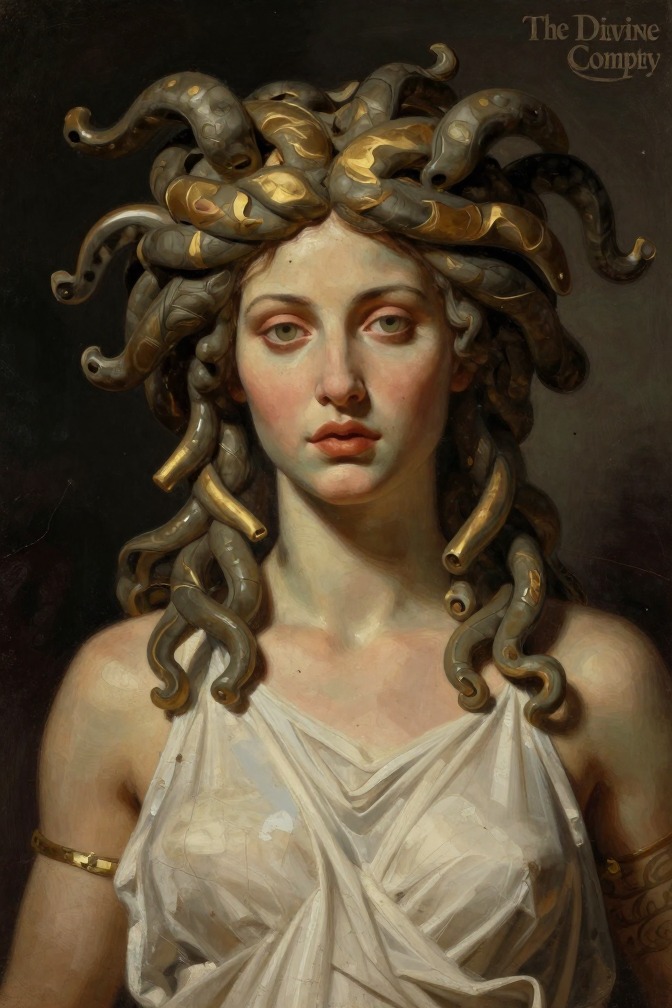
Medusa is a monstrous figure from Greek mythology who appears in Dante's Inferno as a threat at the gates of the City of Dis, where her petrifying gaze embodies the paralysis of spiritual despair and the danger of looking back toward damnation.
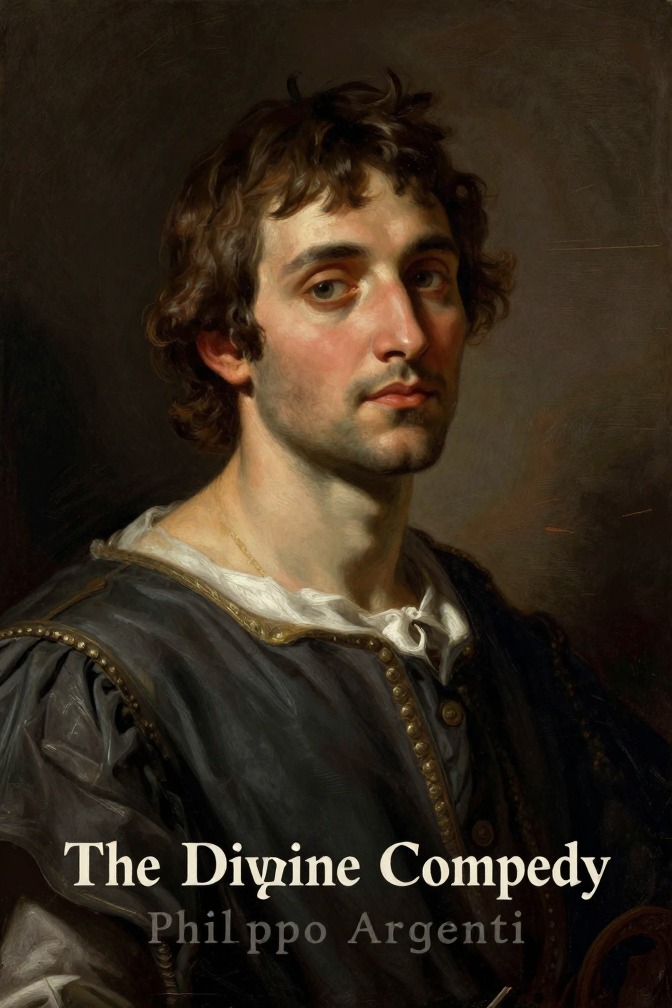
Philippo Argenti is a minor but vividly depicted figure in Dante Alighieri's *Inferno*, a Florentine nobleman of the Adimari family whose single appearance in Canto VIII serves as a concentrated example of the wrathful damned and of Dante's own capacity for righteous indignation. He rises from the muddy waters of the Styx to challenge the living pilgrim, only to be violently subdued by the other wrathful souls and torn apart by his own teeth, an episode that elicits Virgil's rare praise and Dante's unapologetic satisfaction.
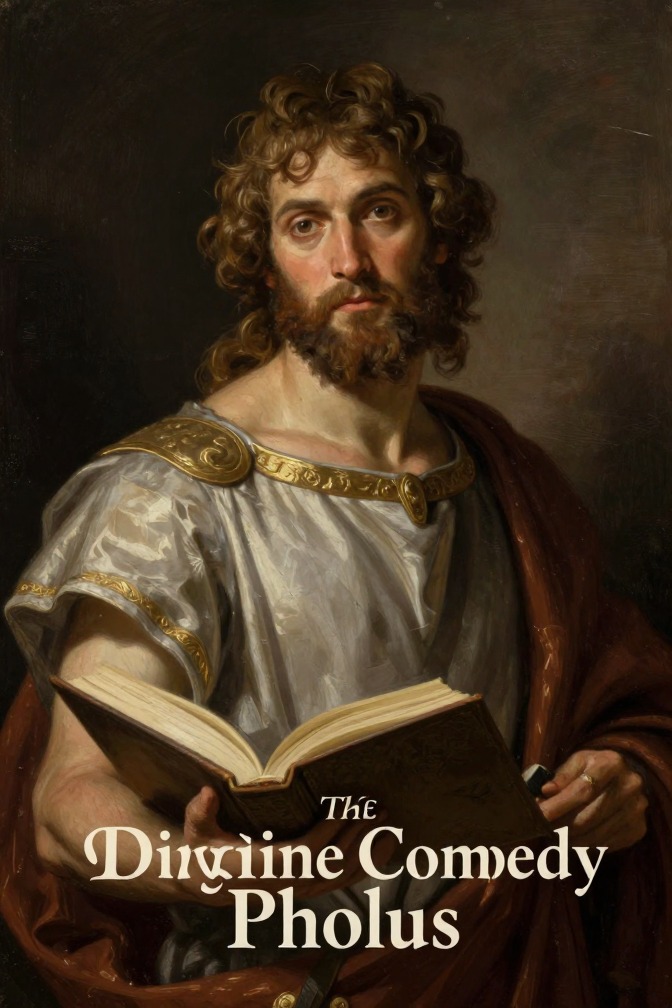
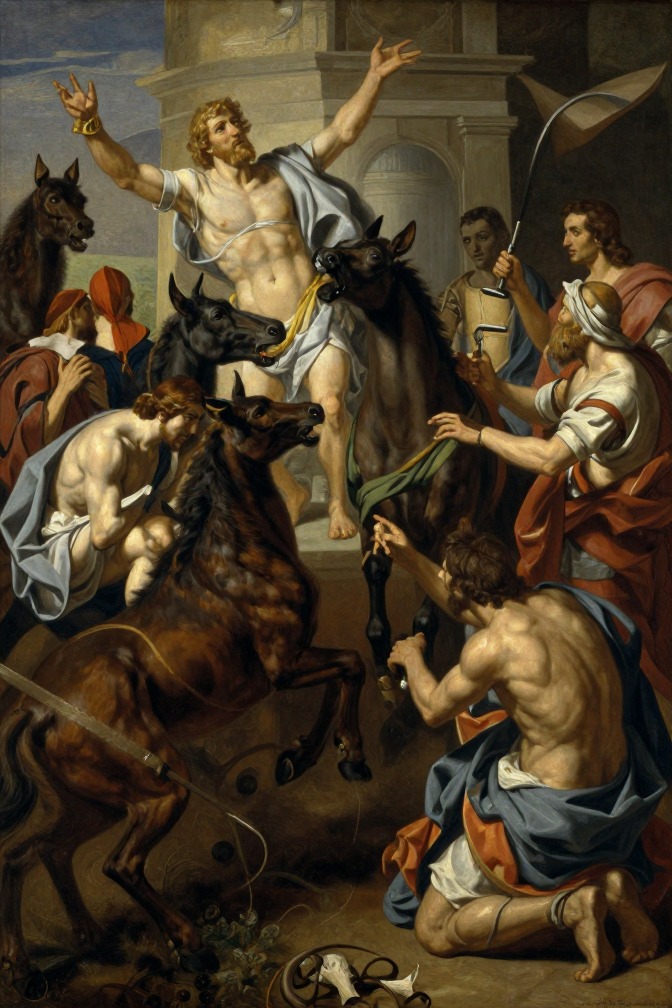
Pholus is a centaur encountered by Dante and Virgil in the First Round of the Seventh Circle of Hell, the River of Blood, where the violent against their neighbors are punished. He is one of the three centaurs who initially challenge the poets, alongside Nessus and Chiron, and is identified by Virgil as a figure who was "so wrathful" in life, a characterization that aligns with the centaurs' role as guardians of this bolgia who shoot with arrows any soul that emerges from the boiling blood beyond the measure allotted by its crime.
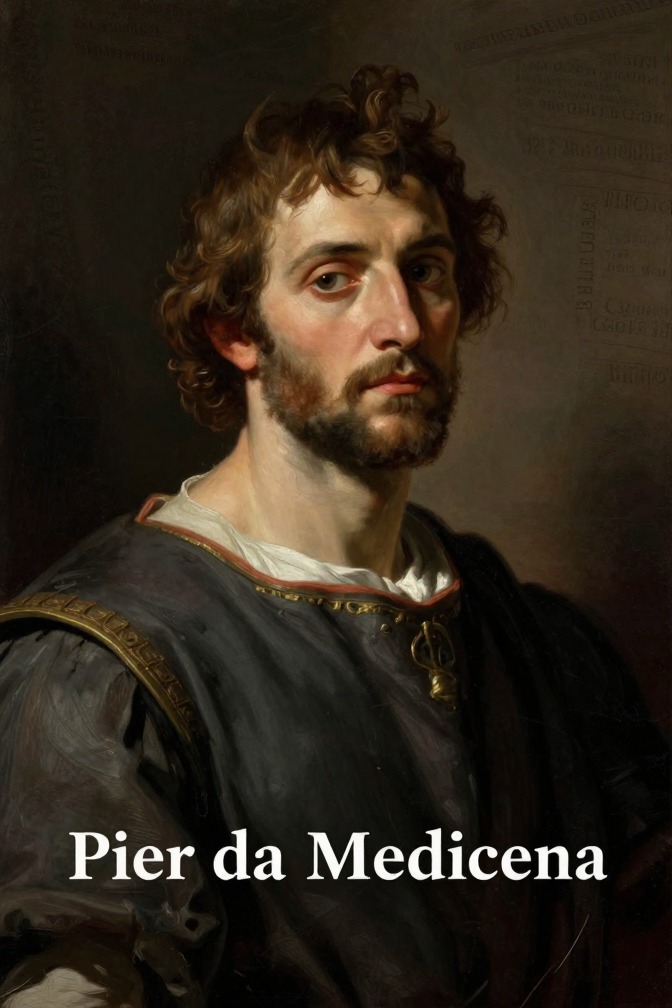
Pier da Medicina is a damned soul in the Ninth Bolgia of Malebolge, punished among the Schismatics for sowing discord. He appears in Inferno Canto XXVIII, where his mutilated body—throat pierced, nose cut off, and a single ear remaining—serves as a visible emblem of his sin. He delivers a prophecy of betrayal and murder, warning two noblemen of Fano that a one-eyed tyrant will lure them to their deaths, and identifies the traitor Curio, whose severed tongue underscores his crime of inciting civil strife.
Plutus is the demonic guardian of the Fourth Circle of Hell in Dante's Inferno, where the avaricious and the prodigal are punished. He appears as a monstrous, bloated figure who initially challenges Dante and Virgil's passage but is swiftly silenced by Virgil's invocation of divine will, demonstrating the supremacy of God's order over infernal chaos.
Robert Guiscard is a Norman warrior celebrated in Dante's Paradiso as a crusader and conqueror of southern Italy, whose martial glory is inscribed among the lights of the Cross of Mars in the fifth heaven.
Romeo, a humble minister and pilgrim from Provence, served Raymond Berenger IV, Count of Provence, with such skill and integrity that he secured the marriages of the count's four daughters to kings, yet was ultimately driven into exile and poverty by the count's ingratitude and malicious courtiers. His story, recounted by the spirit of the Emperor Justinian in the Heaven of Mercury, serves as a poignant example of virtuous service rewarded with earthly injustice but recognized in the divine order.
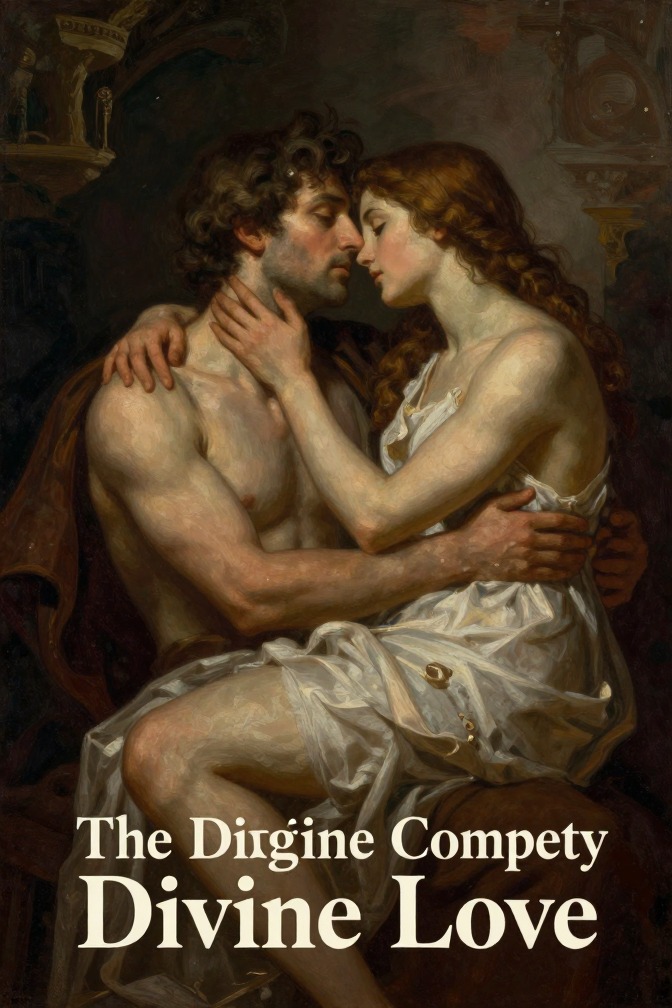
Divine Love is the central theological and poetic force of Dante Alighieri's Divine Comedy, functioning as both the prime mover of the cosmos and the ultimate source of salvation, grace, and moral order that structures the entire journey from Hell to Paradise.
The Descent to the Seventh Circle and the Centaurs is a pivotal event in Dante's Inferno where the poet and his guide Virgil descend into the first ring of the seventh circle, the realm of the violent, encountering the Minotaur, the river of boiling blood (Phlegethon), and the centaurs who patrol it, marking a transition from the sins of incontinence to the more deliberate sins of violence and establishing the principle of contrapasso for the violent.
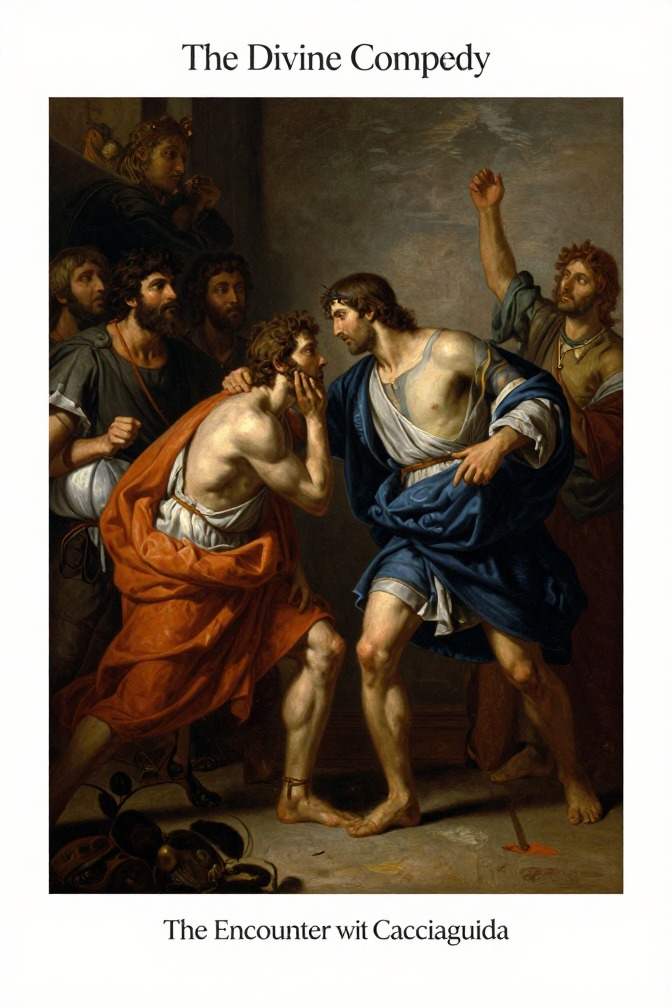
The Encounter with Cacciaguida and Prophecy of Banishment is the pivotal event in Paradiso Cantos XV–XVII where Dante Alighieri meets his crusader ancestor Cacciaguida in the sphere of Mars, receives a detailed prophecy of his exile from Florence, and is charged with writing his vision for the world. This encounter transforms Dante from a fearful pilgrim into a poet-prophet, establishes the moral and political authority of the Commedia, and provides the autobiographical and historical core of the entire poem.
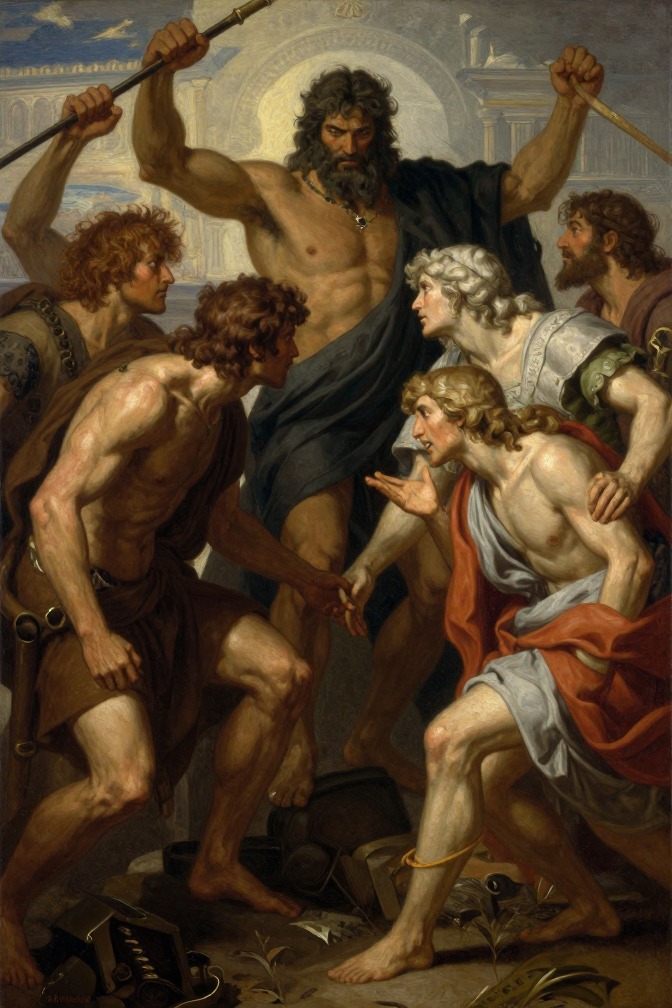
The Giants and the Descent to Cocytus is the pivotal transition from the eighth circle of fraud to the ninth circle of treachery in Dante Alighieri's Inferno, where the poets encounter the towering figures of Nimrod, Ephialtes, and Antaeus, who serve as both the final guardians of the abyss and the means of descent into the frozen lake that punishes traitors. This sequence marks the last physical boundary before the absolute evil at the universe's center, transforming the poem's geography from a landscape of fire and stone to one of ice and silence.
Antenora is the second of four concentric divisions within the Ninth Circle of Hell, a frozen lake reserved for traitors to their country or political party. Named after the Trojan prince Antenor, whom medieval tradition regarded as a traitor, this zone is distinguished by its punishment of immersion in ice up to the head, with the most notorious inmates including Bocca degli Abati, Buoso da Duera, and the eternally gnawing pair of Count Ugolino and Archbishop Ruggieri.
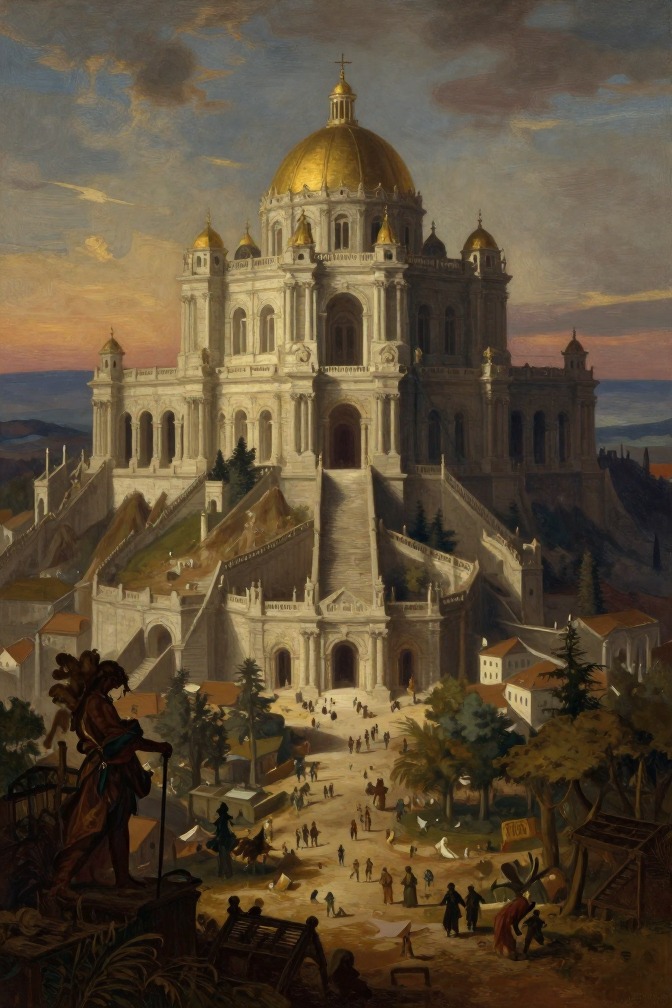
Mount Purgatory is the second realm of Dante Alighieri's afterlife, a towering island-mountain in the southern hemisphere where souls purge the seven deadly sins before ascending to Paradise. It is the central setting of the Purgatorio canticle, structured as seven concentric terraces, each dedicated to cleansing one capital vice through a specific contrapasso, and culminating in the Earthly Paradise at its summit. The mountain's unique geography, its prohibition on nocturnal ascent, and its role as the site of moral transformation distinguish it sharply from the static punishments of Hell and the eternal joys of Heaven.
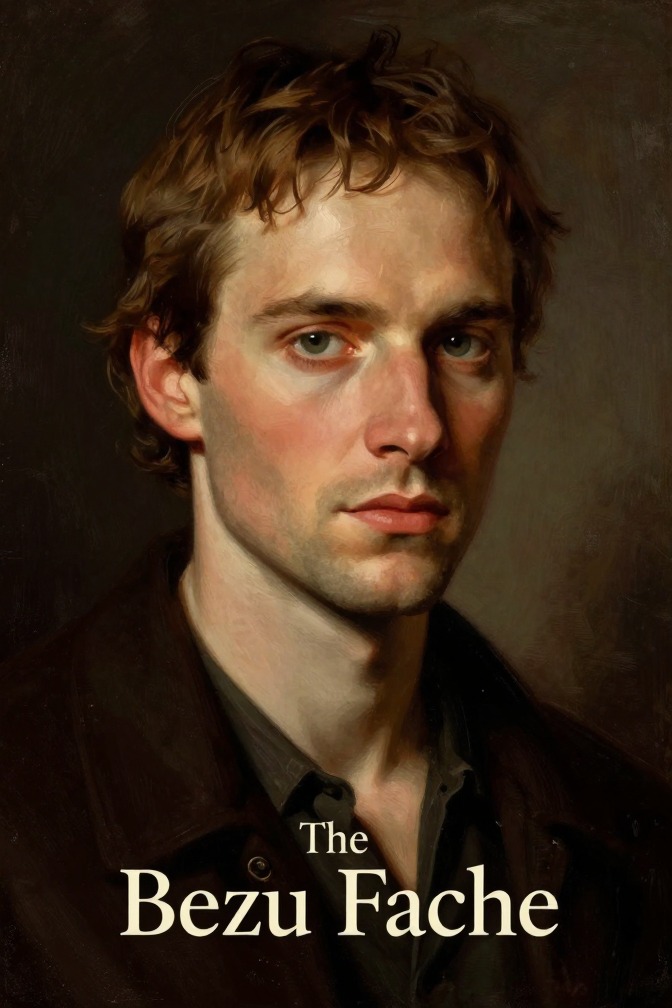
Bezu Fache is the captain of the French Judicial Police (DCPJ) who leads the investigation into Jacques Saunière's murder and becomes Robert Langdon's primary antagonist, driven by a zealous certainty of Langdon's guilt that nearly derails the pursuit of the true killer.
The Sangreal (etymology) traces the evolution of the term from the French Sangraal through Sangreal to the modern Holy Grail, and reveals its literal meaning as "Royal Blood" (Sang Real), a linguistic key to the novel's central claim that the Grail is not a cup but the bloodline of Jesus Christ and Mary Magdalene.
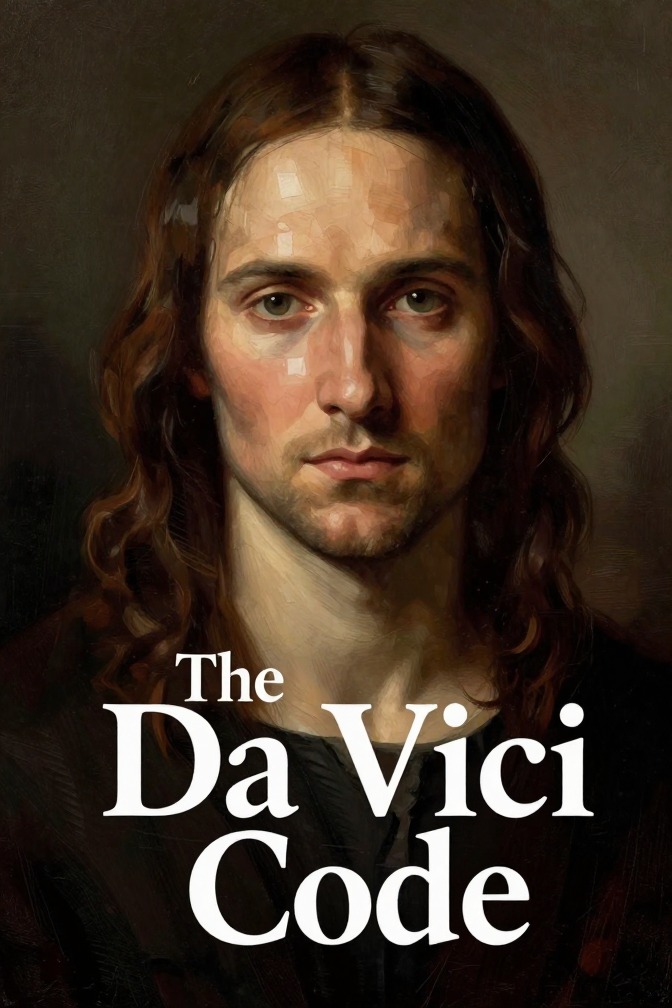
The Da Vinci Code is a 2003 mystery thriller novel by Dan Brown that follows Harvard symbologist Robert Langdon and French cryptologist Sophie Neveu as they unravel a murder mystery at the Louvre Museum, uncovering a secret society's ancient conspiracy involving the Holy Grail, the Priory of Sion, and a hidden truth about Christianity.
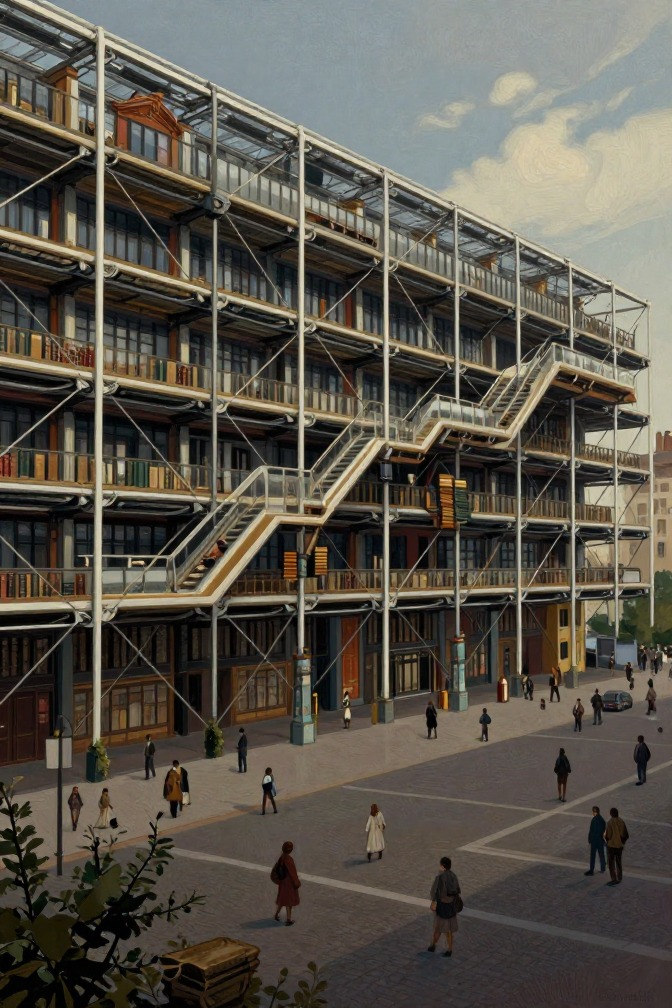
The Centre Pompidou is a major Parisian cultural institution housing the Museum of Modern Art, whose ultramodern architecture and role as a landmark of the city's art scene are noted in the novel.
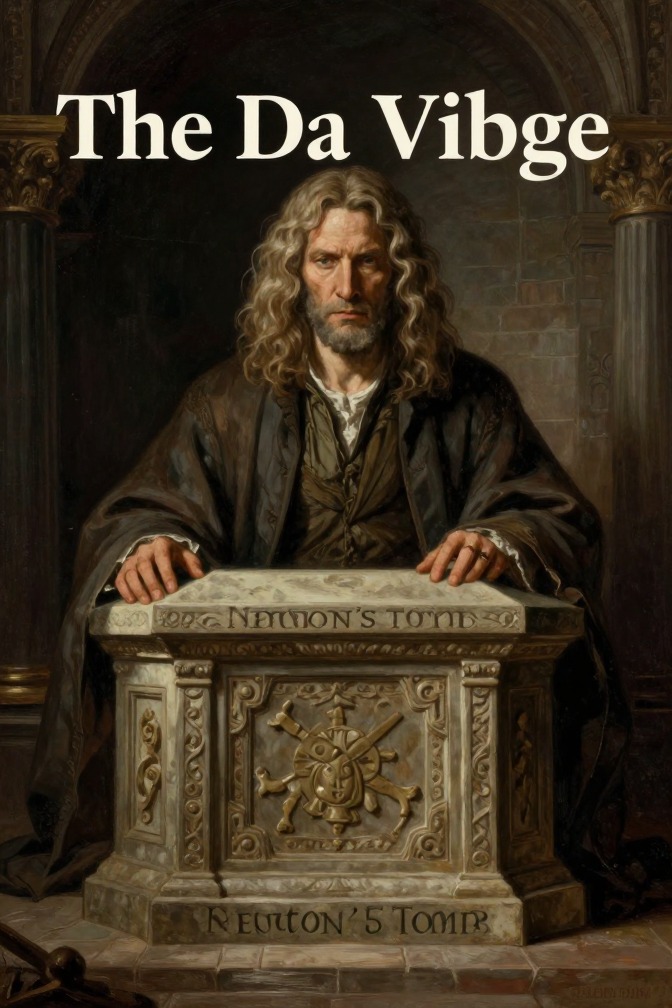
Newton's Tomb is the black-marble sarcophagus of Sir Isaac Newton in Westminster Abbey, which serves as the final destination in the quest to unlock the Priory keystone. The tomb's most prominent feature is a massive carved orb depicting constellations and heavenly bodies, and the poem's reference to a missing orb ultimately leads to the password "APPLE"—a symbol of the fall of the sacred feminine.
Jacques Saunière is the grandfather of Sophie Neveu, a revelation that reshapes the entire investigation and explains the cryptic messages left at his death scene.
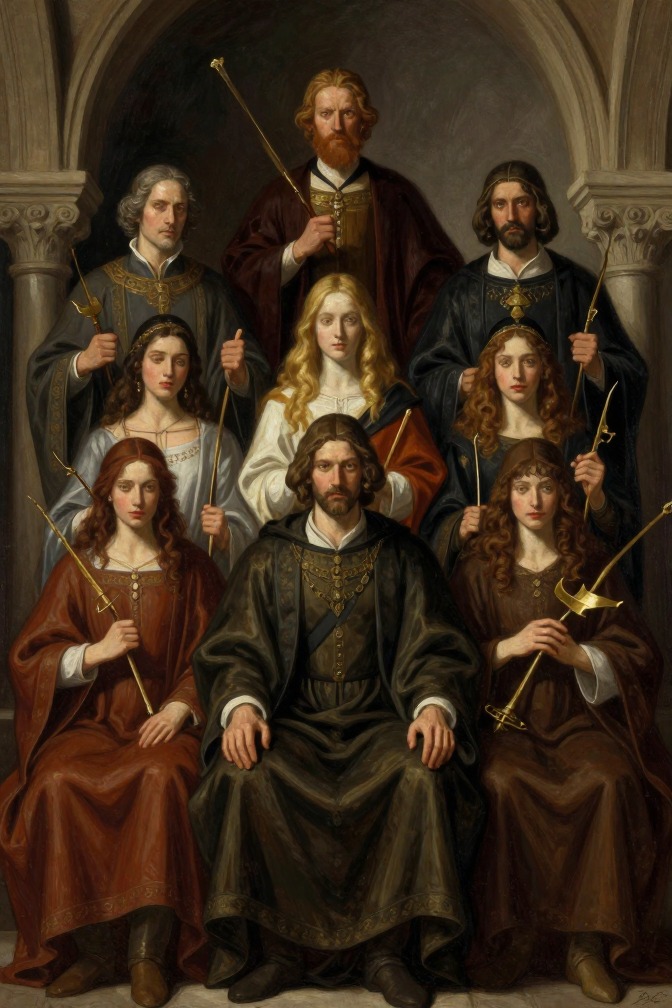
The Priory of Sion's secrecy hierarchy is a rigid, compartmentalized system that restricts knowledge of the Holy Grail's location to only four members at any given time: the Grand Master and his three sénéchaux. This structure is designed to protect the brotherhood's most powerful secret, ensuring that even if lower-ranking members are compromised, the ultimate truth remains safe. The hierarchy is maintained through a system of tests and proofs of merit, where candidates must prove themselves worthy before ascending to higher levels of knowledge.
Charlie Sloane is a minor but recurring character in Anne of Green Gables, a boy in Anne Shirley's class at Avonlea school who develops an unrequited romantic infatuation with her. His persistent, awkward admiration—expressed through gifts, boasts, and a willingness to defend her honor—serves as a foil to the more complex rivalry and eventual friendship between Anne and Gilbert Blythe, and highlights Anne's own growth in social awareness and her firm rejection of his advances.
Brunswick is a master shoemaker in the village who becomes a pivotal, antagonistic figure in K.'s struggle with the castle authorities. Initially appearing as a hostile villager who expels K. from Lasemann's house, Brunswick is later revealed to have been the leader of the faction that once agitated for a land surveyor's appointment, making him a complex figure whose political ambitions and personal grievances shape K.'s fate. His role as Hans's father and his connection to the Barnabas family's downfall further entangle him in the novel's web of bureaucratic confusion and social exclusion.
Hans Brunswick is a twelve-year-old schoolboy in the village who, moved by compassion for K.'s bleeding hand, deserts his classroom to offer help, becoming a brief but significant ally. His conversations with K. reveal the deep entanglement of family loyalty, the village's social hierarchies, and the desperate hopes placed on the land surveyor as a potential savior.
Jeremias is one of the two assistants assigned to K., the land surveyor, by the castle authorities. He is a former childhood playmate of Frieda and, after being dismissed by K., becomes the instrument of Frieda's departure, ultimately taking her as his own. His role in the novel is to embody the castle's intrusive, ambiguous control over K.'s life and to catalyze the collapse of K.'s relationship with Frieda.
The relationship between Amalia and Sortini is a pivotal, tragic episode in Franz Kafka's The Castle, recounted by Olga to K. It begins at a fire-brigade festival when Sortini, a reclusive castle official, becomes fixated on Amalia and sends her a crude, commanding letter. Amalia's defiant refusal to obey, tearing up the letter and throwing it at the messenger, triggers the social ostracism and ruin of her entire family, marking a turning point that contrasts sharply with Frieda's compliant relationship with Klamm.
The relationship between Frieda and Klamm is a central and ambiguous bond in Kafka's The Castle, defining Frieda's social status, her power over K., and the novel's exploration of intimacy with an inaccessible authority. Their connection—simultaneously intimate and distant, real and rumored—shapes Frieda's identity as Klamm's former lover, her departure from the Castle Inn, and her eventual separation from K., while also illuminating the castle's pervasive influence over village life.