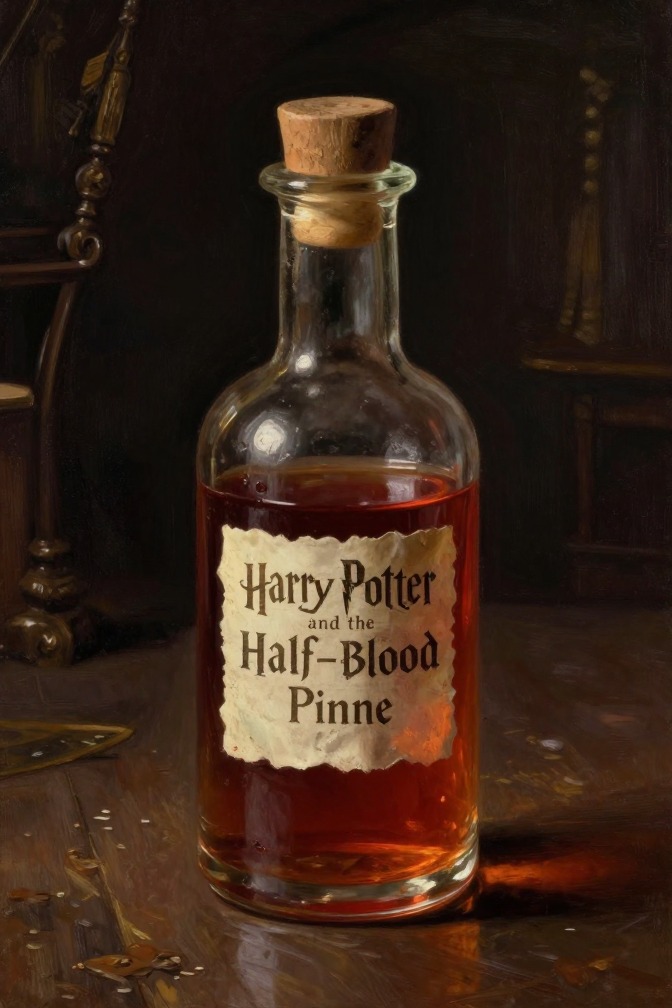
Polyjuice Potion is a complex, time-consuming metamorphic brew that temporarily transforms the drinker into the physical likeness of another person, and in Harry Potter and the Half-Blood Prince it becomes a key tool in Draco Malfoy’s secret operations, as he uses stolen potion to disguise Crabbe and Goyle as lookouts while he works in the Room of Requirement.
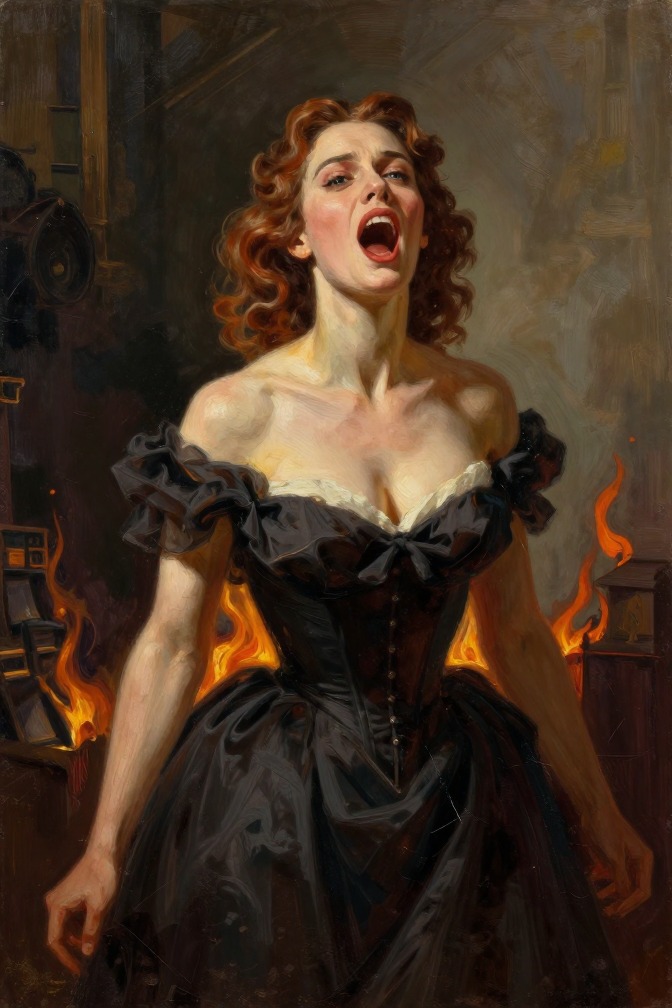
Blanche Screams Fire is a desperate act of self-preservation by Blanche DuBois in Scene Nine of A Streetcar Named Desire, when she uses the threat of a false alarm to drive Harold Mitchell (Mitch) out of the Kowalski apartment after he has confronted her with the truth about her past and rejected her.
Allan Grey is the deceased young husband of Blanche DuBois, whose homosexuality and suicide by gunshot at Moon Lake Casino form the central traumatic event of Blanche's past, shaping her subsequent psychological unraveling, her sexual history, and her desperate need for illusion.
Pablo Gonzales is a minor but recurring poker player in Tennessee Williams' A Streetcar Named Desire, a member of Stanley Kowalski's circle whose presence reinforces the raw, masculine world that Blanche DuBois finds so alien and threatening.
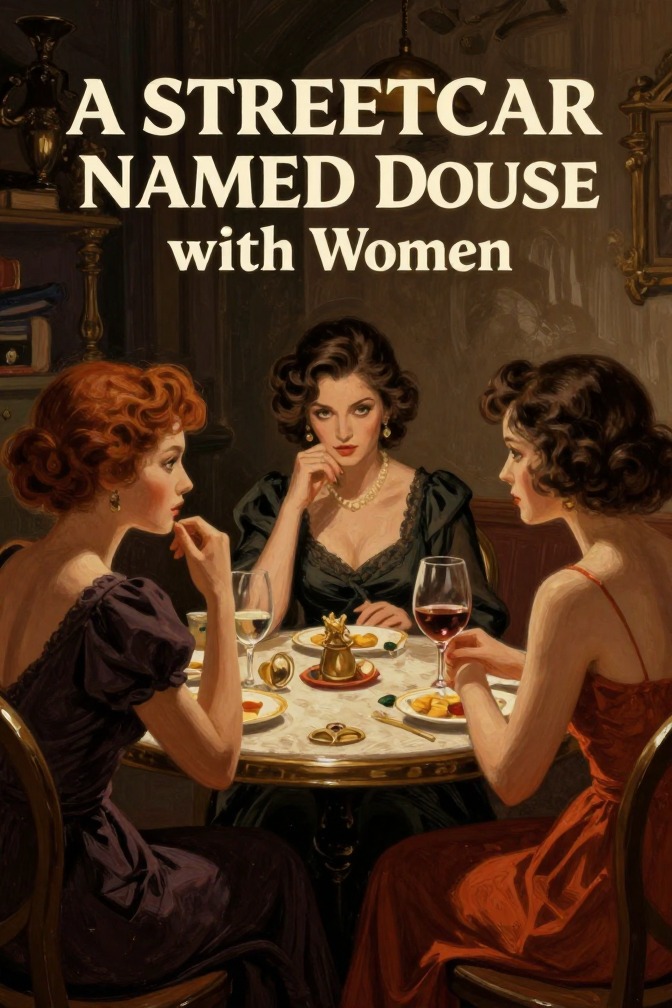
The expression "Poker shouldn't be played in a house with women" is a recurring line in Tennessee Williams's *A Streetcar Named Desire*, first uttered by Harold Mitchell (Mitch) during the violent poker night in Scene Three. It crystallizes the play's central conflict between a masculine, rough, homosocial world of games, liquor, and physical force, and a feminine, fragile, domestic sphere that is seen as incompatible with such activities. The line functions as a thematic refrain, marking the impossibility of containing Stanley Kowalski's brutish energy within the polite boundaries of the household, and it underscores the play's tragic trajectory, in which the presence of women—especially Blanche DuBois—is treated as an intrusion that must be expelled.
Moon Lake Casino is the site of the traumatic climax of Blanche DuBois's marriage to Allan Grey, where she confronted his homosexuality and he subsequently committed suicide, an event that haunts her throughout the play.
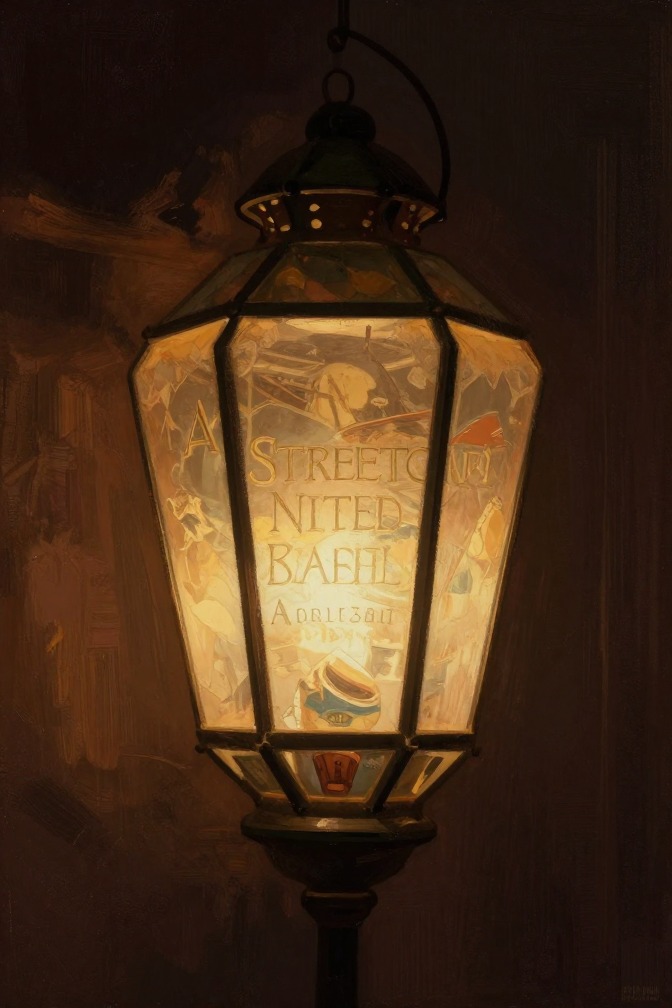
The paper lantern is a small, colored paper shade Blanche DuBois places over the bare light bulb in the Kowalski apartment, serving as her central symbol of illusion, magic, and the willful softening of harsh reality. Throughout the play, it represents her attempt to create a dim, forgiving atmosphere that conceals her age, her past, and the brutal truths she cannot face, and its destruction by Mitch and Stanley marks the violent collapse of her carefully constructed world.
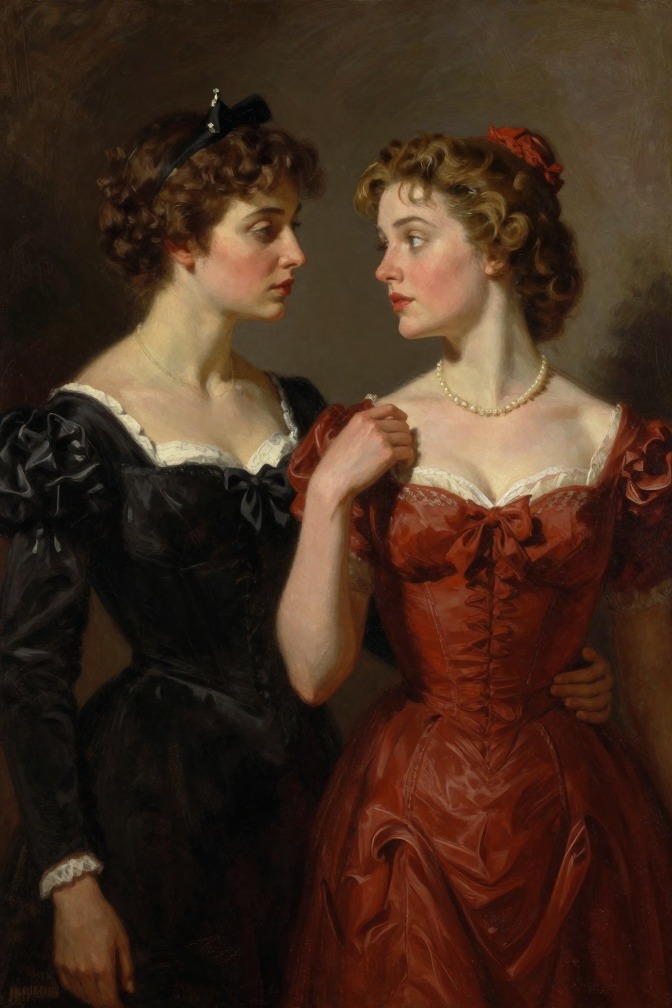
The sibling relationship between Blanche DuBois and Stella Kowalski is the emotional and structural core of A Streetcar Named Desire, a bond forged in shared loss and shattered by incompatible values, desire, and loyalty. Their dynamic—Blanche's desperate, possessive need for Stella's protection and Stella's gradual, painful withdrawal into her marriage with Stanley—drives the play's central conflict and culminates in Blanche's institutionalization, a betrayal that Stella must live with.
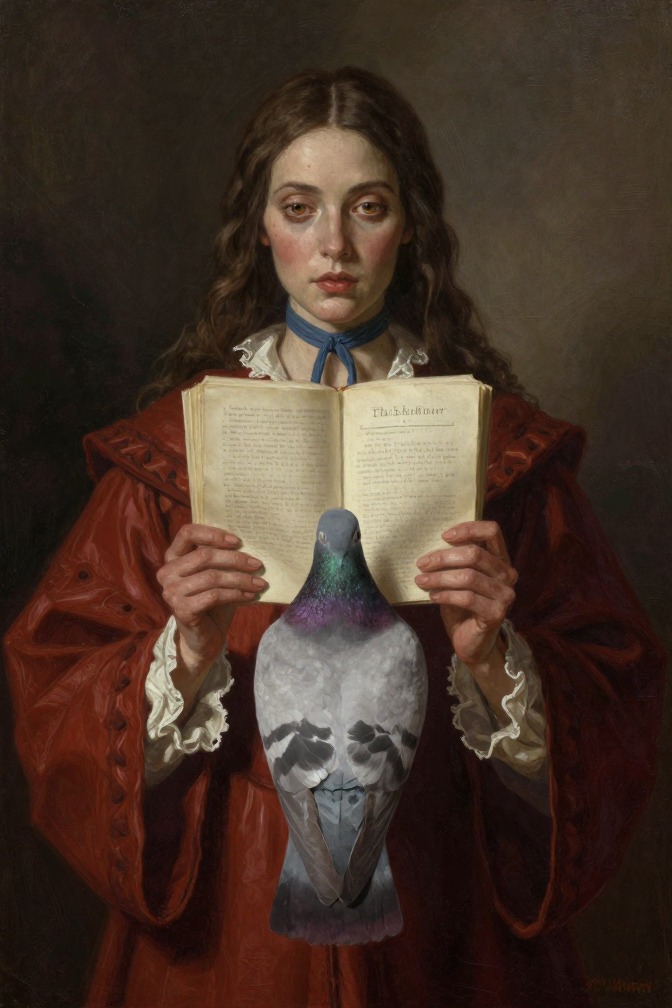
The Pigeon is a minor but symbolically resonant creature in Nathaniel Hawthorne's *The Scarlet Letter*, appearing in the forest scene as a wild being that, unlike the human characters, responds to Pearl with a sound "as much of greeting as alarm," embodying the ambiguous relationship between the natural world and the human guilt that intrudes upon it.
Bill Weasley is the eldest of the Weasley siblings, a former Hogwarts Head Boy who works as a curse-breaker for Gringotts Wizarding Bank in Egypt. Though he never appears in person during the events of Harry Potter and the Chamber of Secrets, he is a recurring reference point whose achievements, career, and absence shape the family's dynamics and Harry's understanding of the wizarding world.
Ernie Macmillan is a Hufflepuff student at Hogwarts who initially suspects Harry Potter of being the Heir of Slytherin, but later apologizes and becomes an ally during the crisis of the Chamber of Secrets.
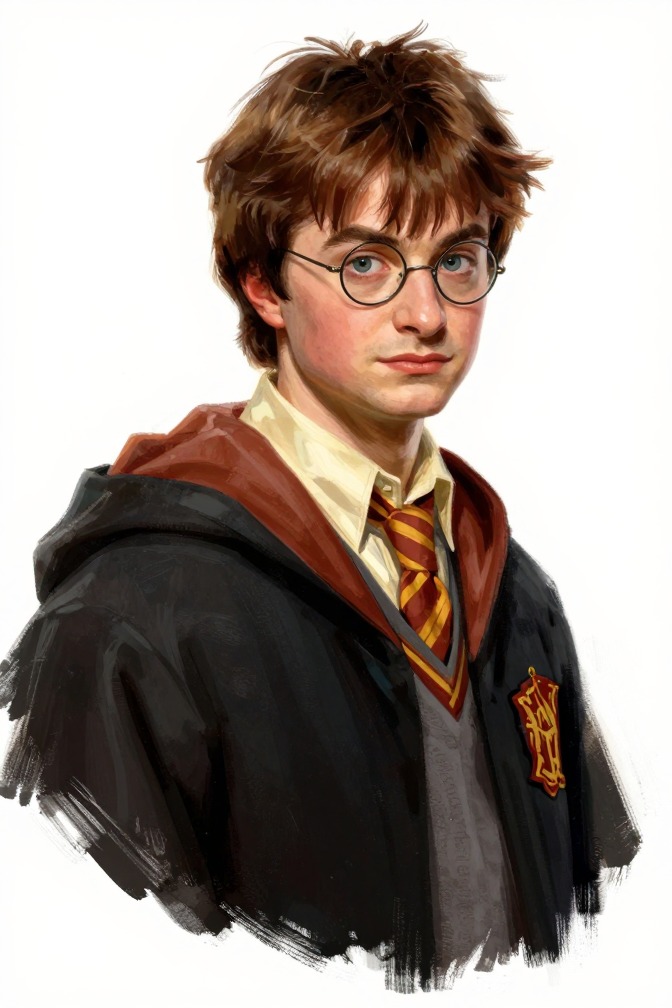
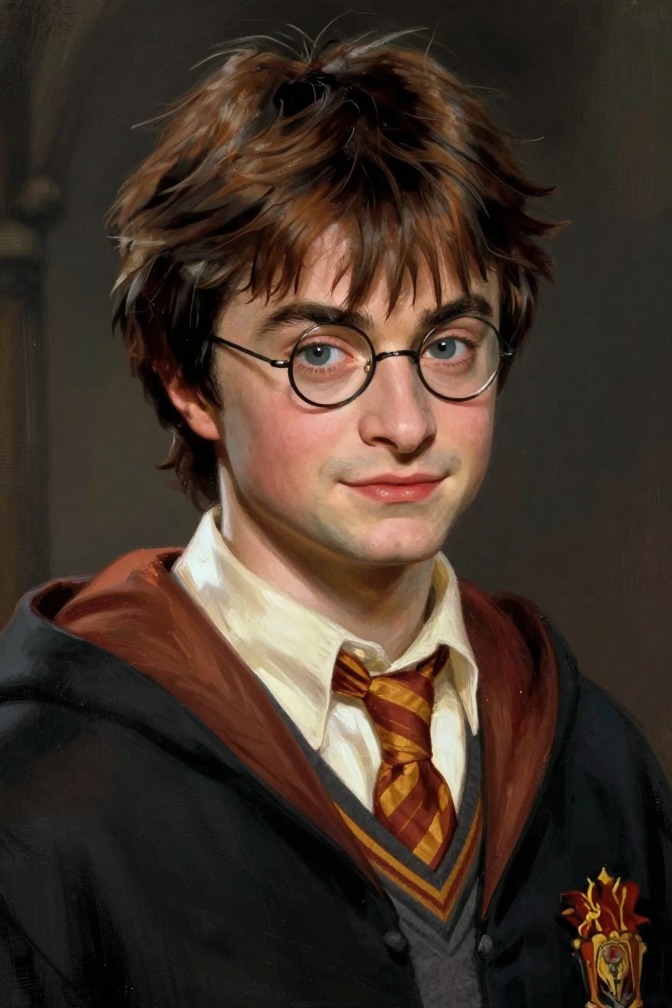
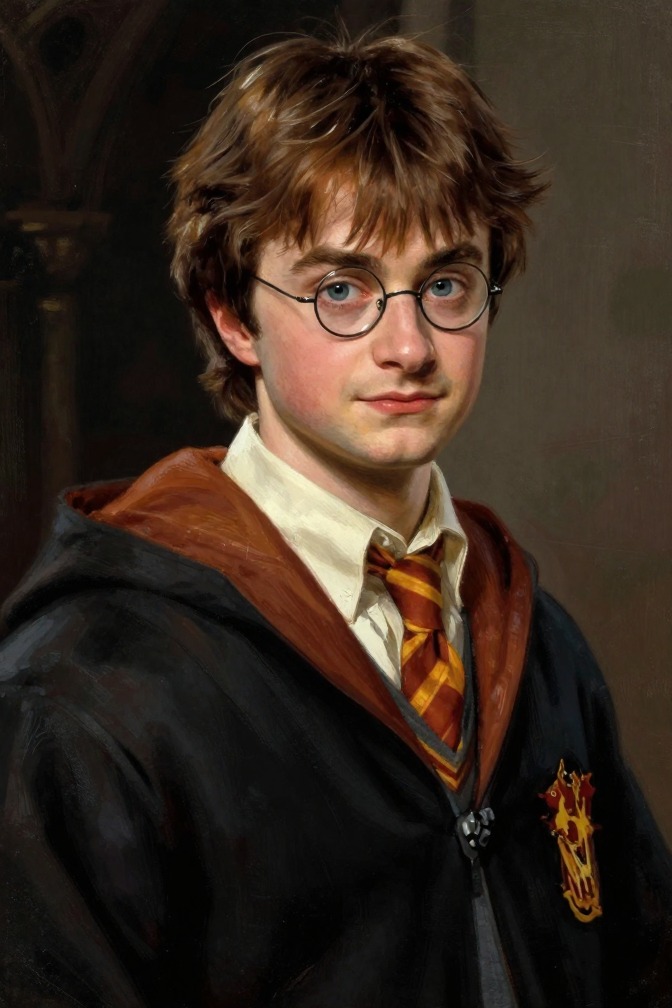
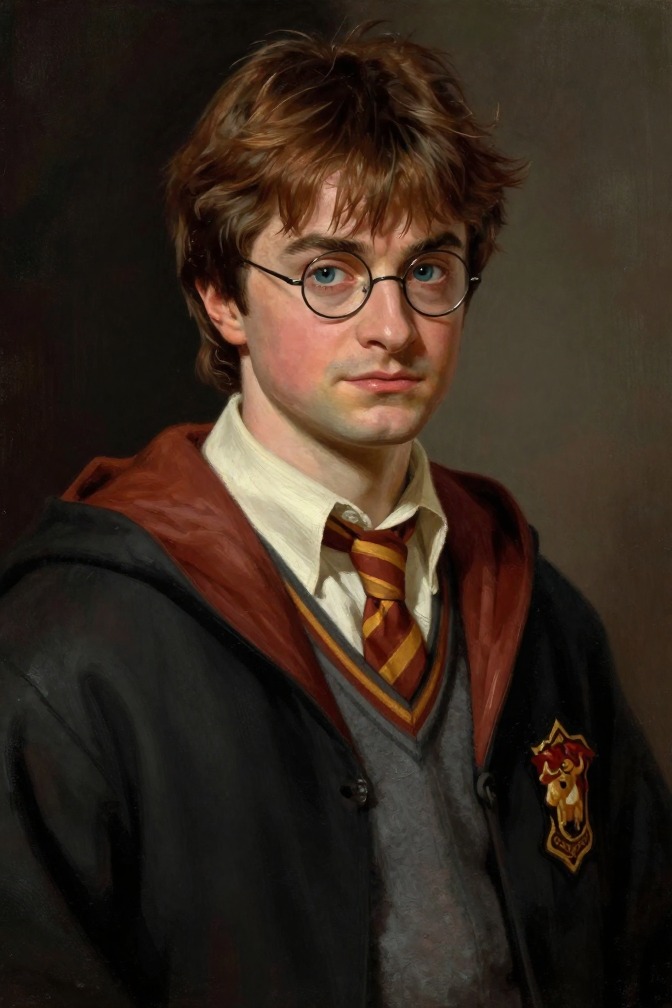
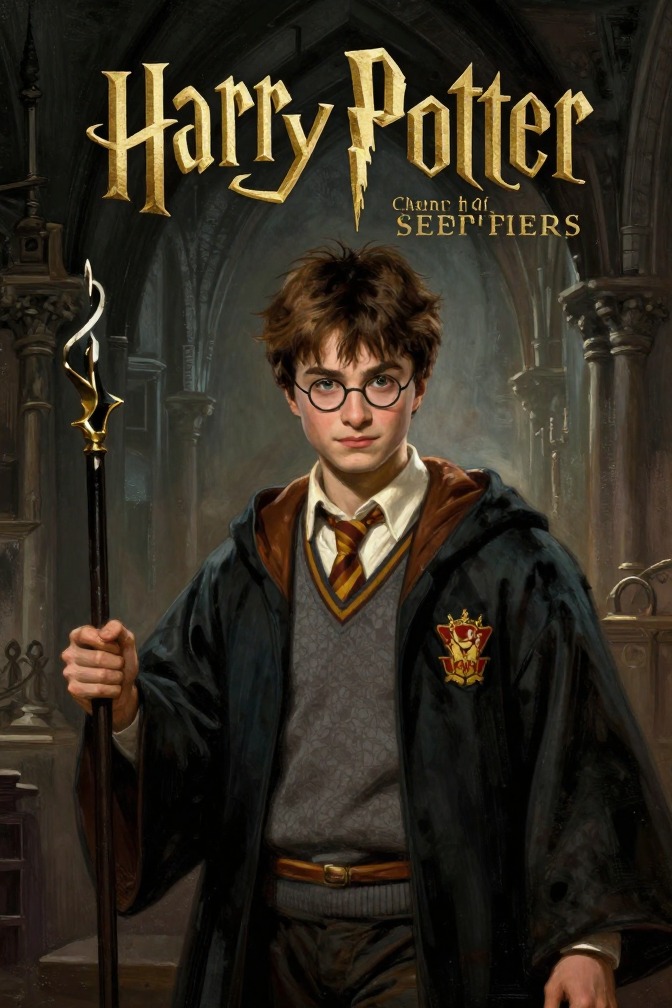
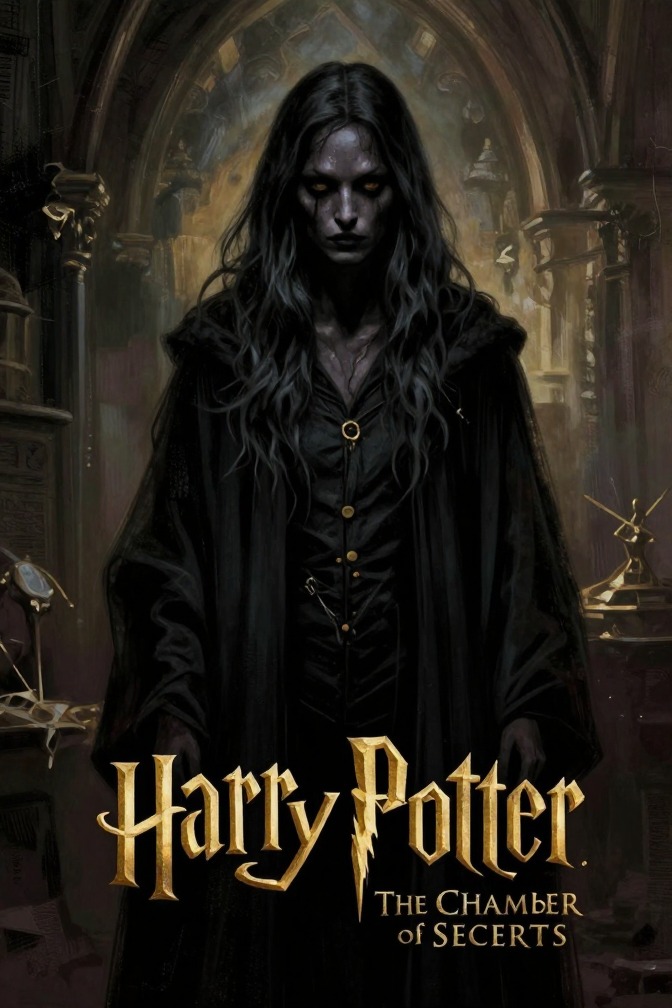
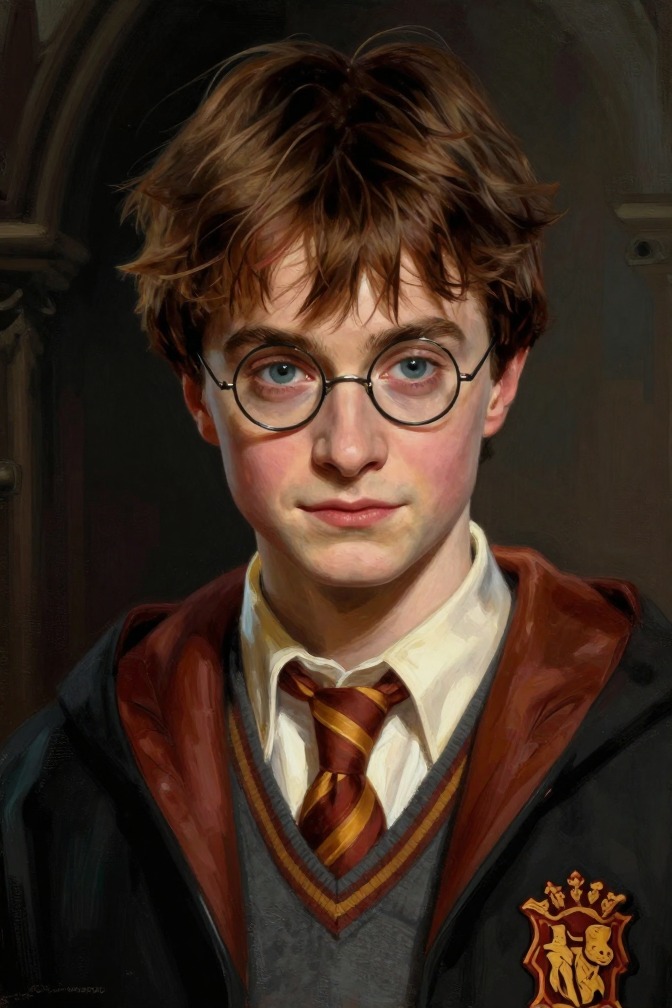
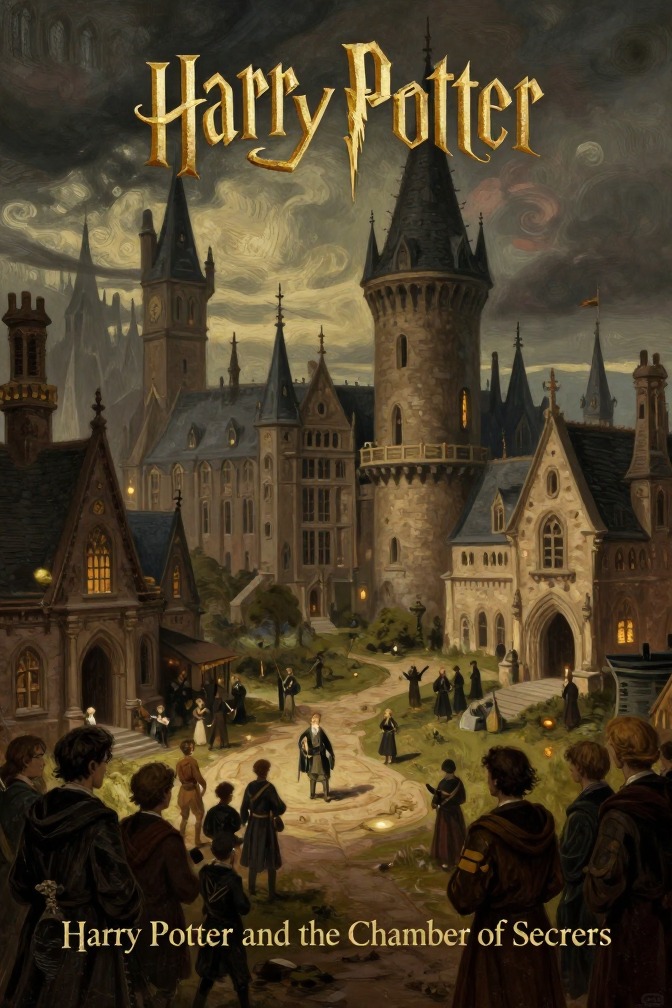
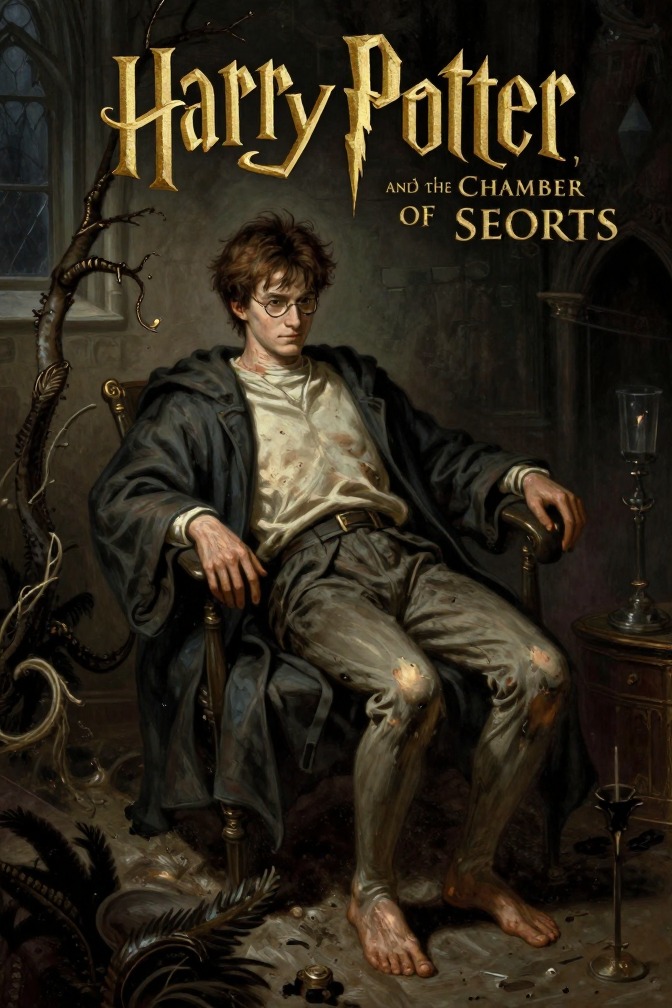
Harry Potter, the twelve-year-old protagonist of Harry Potter and the Chamber of Secrets, is a wizard who returns to Hogwarts School of Witchcraft and Wizardry for his second year. His defining trait is his lightning-shaped scar, the only remnant of his survival of Lord Voldemort's killing curse as a baby. Throughout the year, Harry confronts the reopened Chamber of Secrets, discovers his ability to speak Parseltongue, and ultimately battles the Basilisk to save Ginny Weasley, proving that his choices, not his abilities, define his true character.
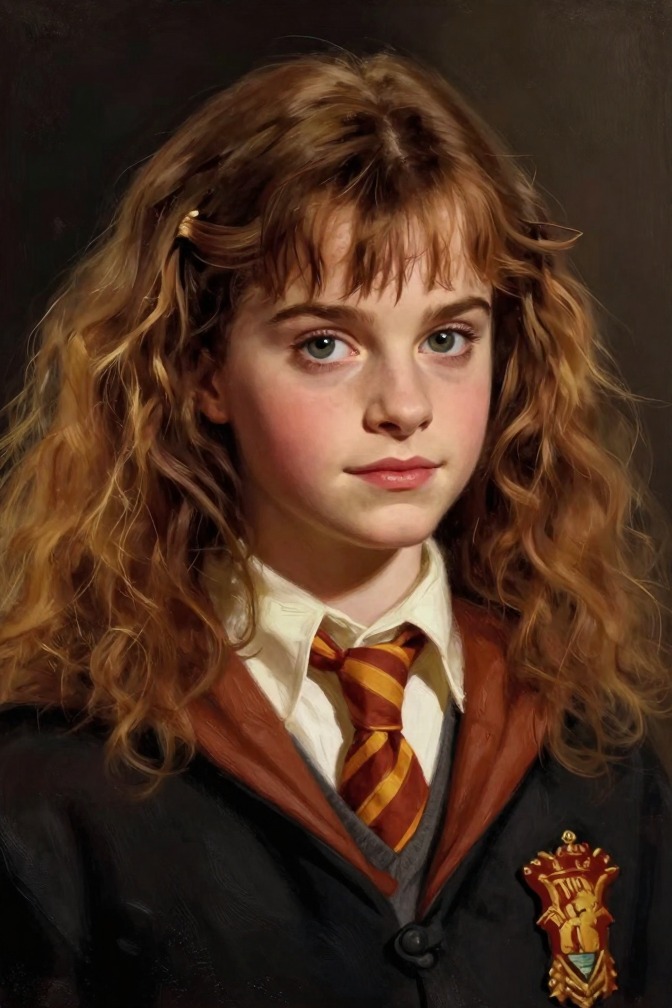
Hermione Granger is a Muggle-born witch and one of Harry Potter's two closest friends at Hogwarts. Her exceptional intelligence, dedication to study, and unwavering loyalty make her an indispensable ally in solving the mystery of the Chamber of Secrets, though her strict adherence to rules is tested when she initiates a dangerous plan to expose the true culprit.
Oliver Wood is the Captain of the Gryffindor Quidditch team at Hogwarts School of Witchcraft and Wizardry, a tall and burly sixth-year student whose single-minded, almost fanatical devotion to Quidditch drives the team's rigorous training regimen and defines his role in Harry Potter's second year. He is the one who wakes Harry at dawn for practice, devises elaborate new tactics, and delivers impassioned pep talks, yet his ambitions are repeatedly thwarted by the dark events of the year, from the Slytherin team's superior brooms to the cancellation of the season's matches following the attacks on students. Wood's character embodies the spirit of athletic competition and loyalty within Gryffindor, and his reactions to setbacks—from the rogue Bludger to the final cancellation—reveal both his intense commitment and his vulnerability.
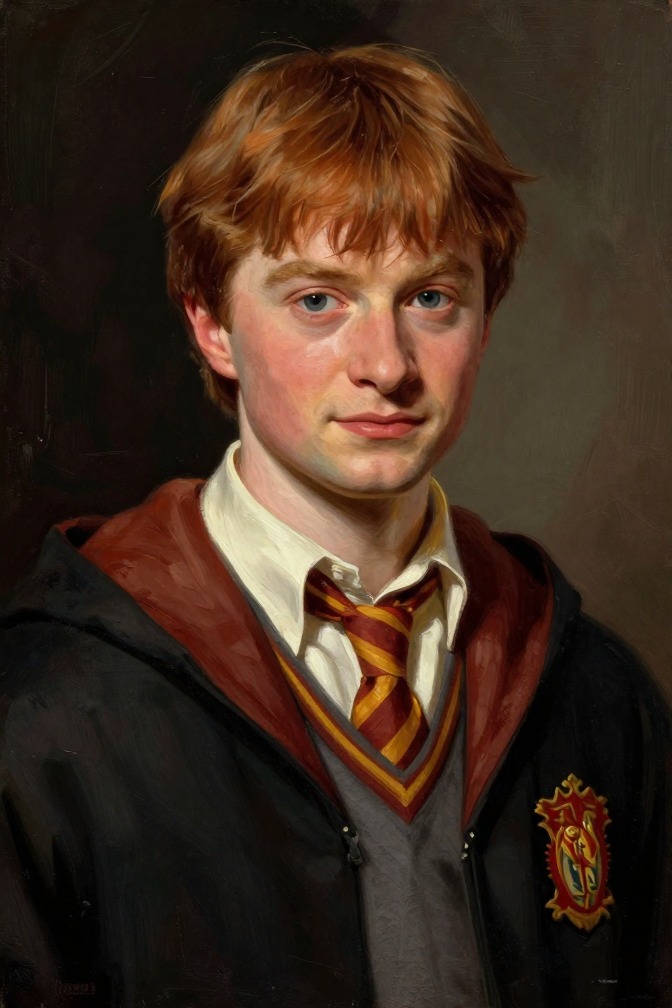
Vincent Crabbe is a Slytherin student at Hogwarts School of Witchcraft and Wizardry and one of Draco Malfoy's two constant, thuggish cronies, alongside Gregory Goyle. Throughout Harry Potter's second year, Crabbe functions as an extension of Malfoy's will, appearing wherever his leader needs physical bulk or silent support, from the confrontation in the courtyard to the Quidditch pitch and the Slytherin common room. His defining traits are his physical size, his dullness, and his unquestioning loyalty to Malfoy, making him a flat, instantly recognizable figure in the story's moral landscape.
Freedom in Harry Potter and the Chamber of Secrets is a central theme explored through the contrasting servitude of house-elves and the liberation of Dobby, culminating in a symbolic act of gift-giving that overturns a master-servant relationship.
The Banshee is a recurring creature in Harry Potter and the Chamber of Secrets, appearing as a subject of Gilderoy Lockhart's boastful tales and as a reference point for the dangers of the wizarding world. It is mentioned in the context of Lockhart's claimed exploits, the legend of the Chamber of Secrets, and the broader magical bestiary, serving to illustrate the contrast between Lockhart's fabricated heroism and the real threats Harry faces.
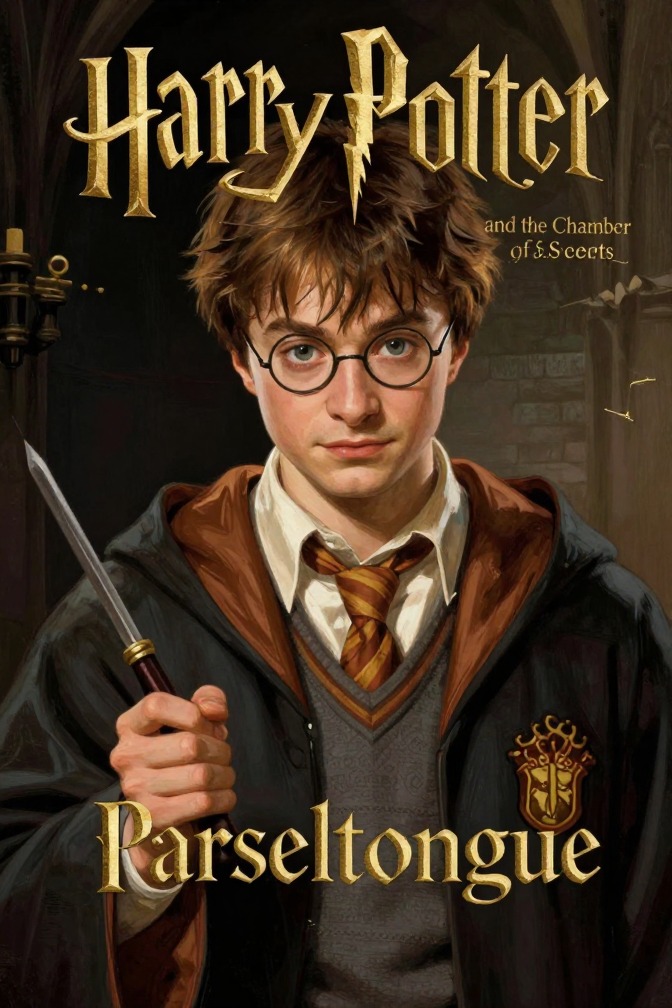
Parseltongue, the ability to speak with snakes, is a rare and often feared magical gift in the wizarding world. In Harry Potter and the Chamber of Secrets, it serves as a crucial plot device, a marker of identity, and a source of deep suspicion, ultimately revealing Harry's unexpected connection to Lord Voldemort and the true nature of the monster within the Chamber of Secrets.
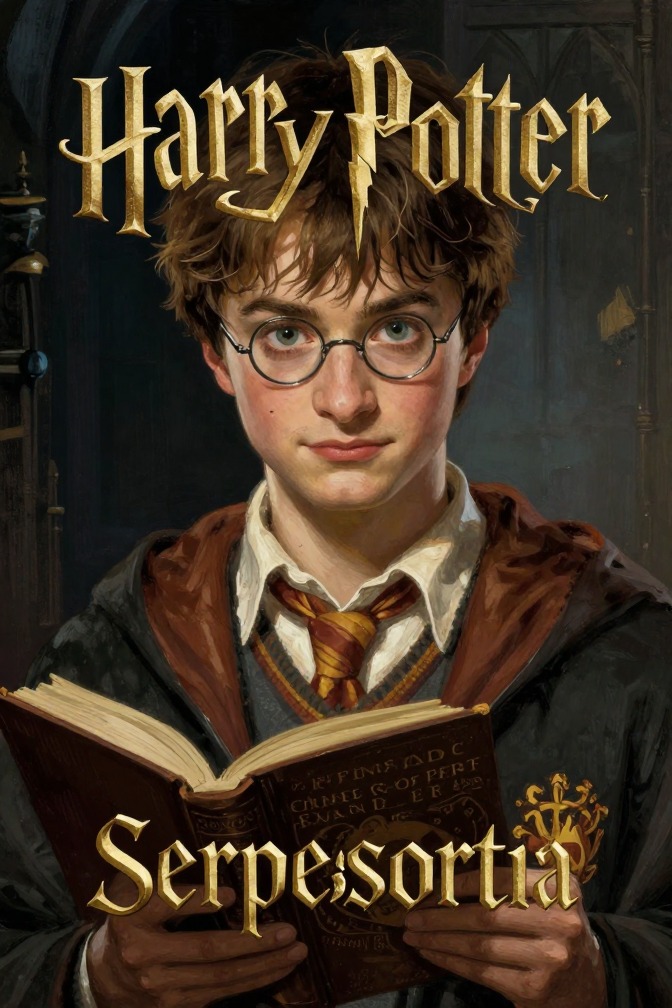
Serpensortia is the incantation of a conjuring spell that produces a live snake from the caster's wand, first used by Draco Malfoy during the Dueling Club in Harry Potter's second year at Hogwarts. The spell's dramatic deployment triggers a crisis that publicly reveals Harry Potter's ability to speak Parseltongue, a rare and culturally charged skill associated with Salazar Slytherin, thereby intensifying suspicion that Harry is the Heir of Slytherin and deepening the novel's exploration of identity, prejudice, and the fear of inherited darkness.
Tom Marvolo Riddle is the birth name of the wizard who later became Lord Voldemort, and the anagrammatic transformation of this name into 'I am Lord Voldemort' serves as the climactic revelation of his identity in the Chamber of Secrets, exposing his rejection of his Muggle heritage and his self-fashioning as the Dark Lord.
Azkaban is the wizard prison of the British magical world, a place of dread and isolation where the Ministry of Magic sends those who have broken its most serious laws. In Harry Potter and the Chamber of Secrets, it is first mentioned as a distant threat, then becomes a real and terrifying possibility for Hagrid, whose arrest and imprisonment there mark a turning point in the story. The prison's name carries weight not only as a punishment but as a symbol of the Ministry's power and the fear it instills, and its shadow looms over the narrative even though it is never directly visited.
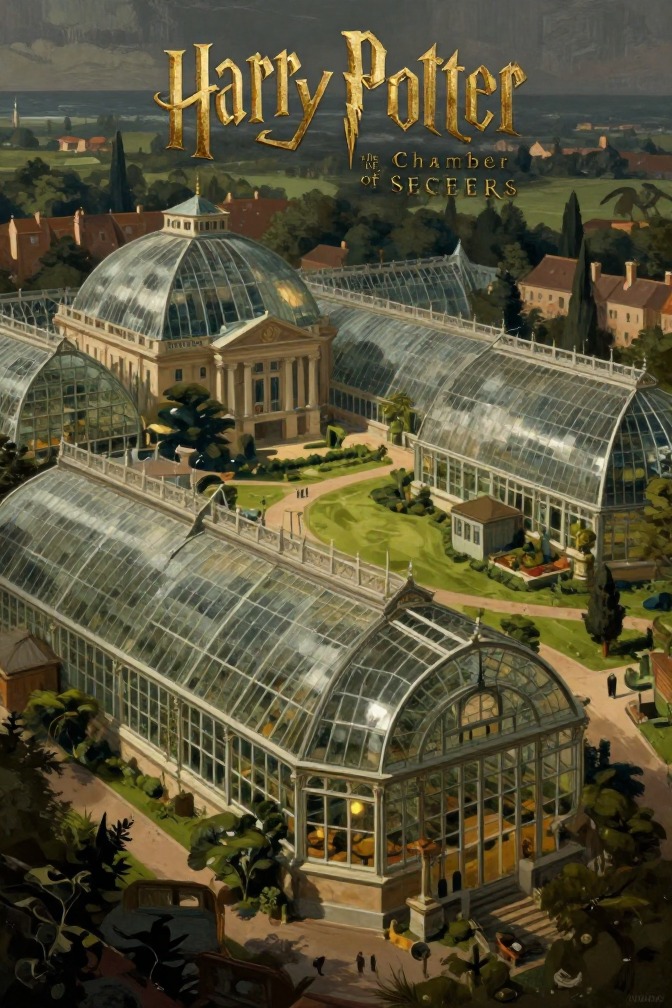
The Greenhouses at Hogwarts are the school's magical botanical facilities, where students study Herbology under Professor Sprout. They are the site of the Mandrake-repotting lesson, the cultivation of giant pumpkins for Halloween, and the eventual harvesting of mature Mandrakes to brew the restorative potion that revives the Petrified victims. The Greenhouses also serve as a setting where key plot developments unfold, including the revelation of Harry's Parseltongue ability and the discovery of spiders fleeing toward the Forbidden Forest.
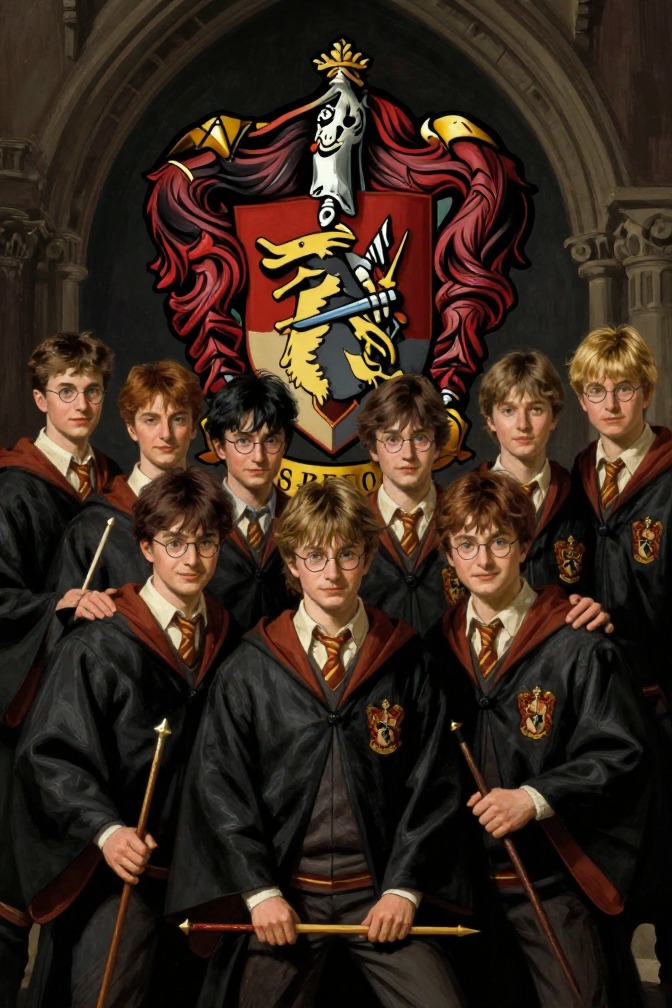
The Gryffindor Quidditch Team is the house Quidditch team representing Gryffindor at Hogwarts School of Witchcraft and Wizardry, a central institution in the school's competitive and social life whose fortunes in the second year are shaped by a rogue Bludger, superior Slytherin brooms, and the eventual cancellation of the season due to the Chamber of Secrets attacks.
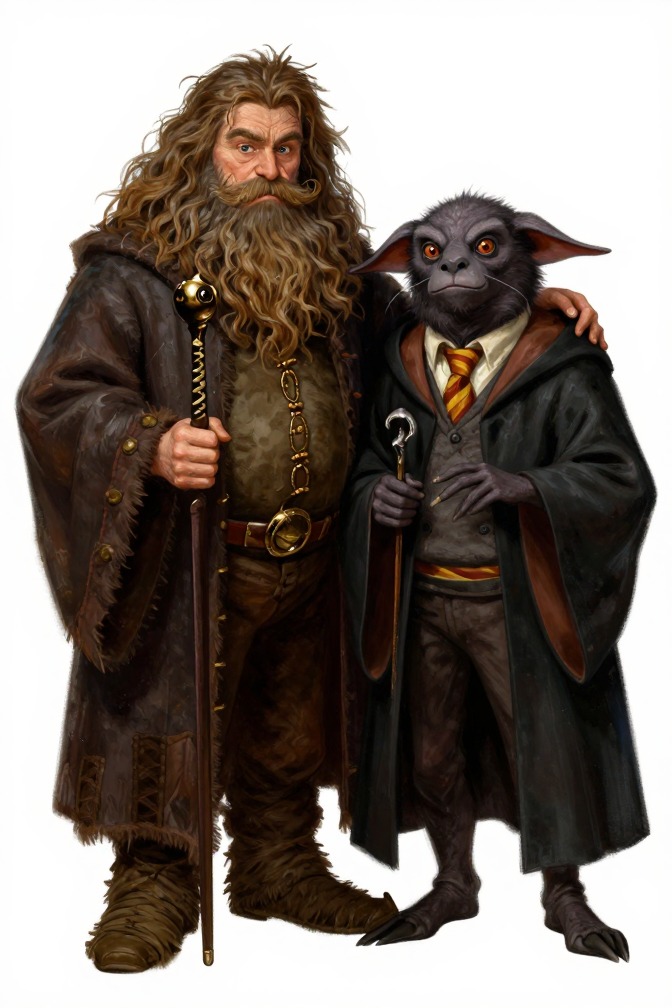
The friendship between Rubeus Hagrid and the giant spider Aragog is a central relationship in Harry Potter and the Chamber of Secrets, revealing Hagrid's compassionate nature and his tragic history with the Chamber of Secrets. Their bond, formed when Hagrid was a boy and Aragog was an egg, demonstrates Hagrid's unwavering loyalty to creatures others fear, and it ultimately provides Harry with crucial information about the monster's identity and the location of the Chamber's last victim.
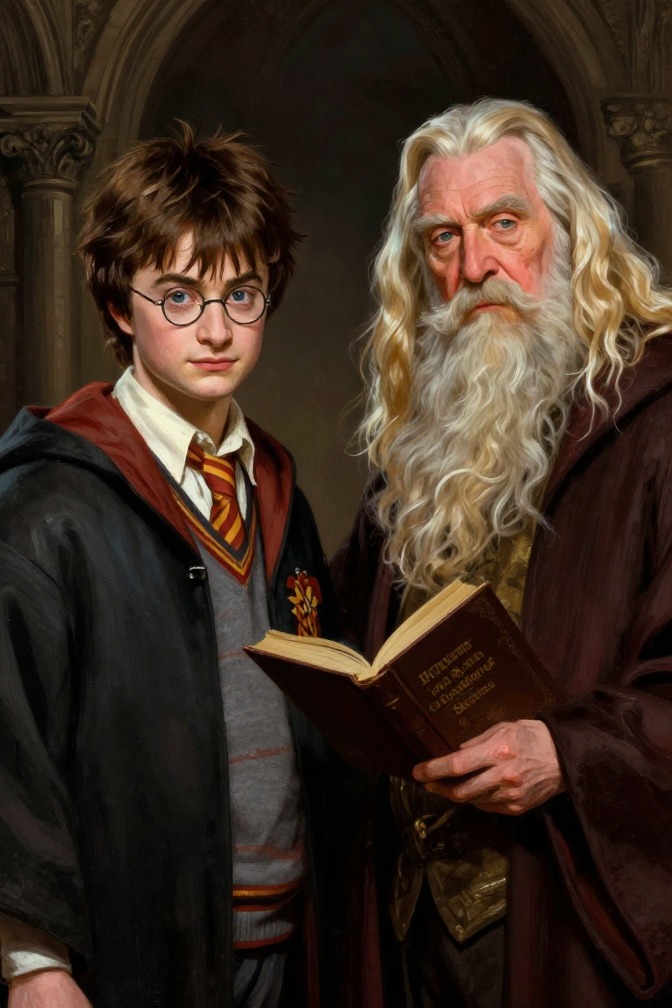
The relationship between Harry Potter and Albus Dumbledore is the central moral and emotional axis of the novel, evolving from a formal headmaster-student dynamic into a profound mentorship defined by trust, protection, and the revelation of Harry's true identity. Dumbledore's unwavering belief in Harry's innocence, his strategic guidance from afar, and his final, decisive conversation about choice versus ability shape Harry's understanding of himself and his place in the wizarding world.
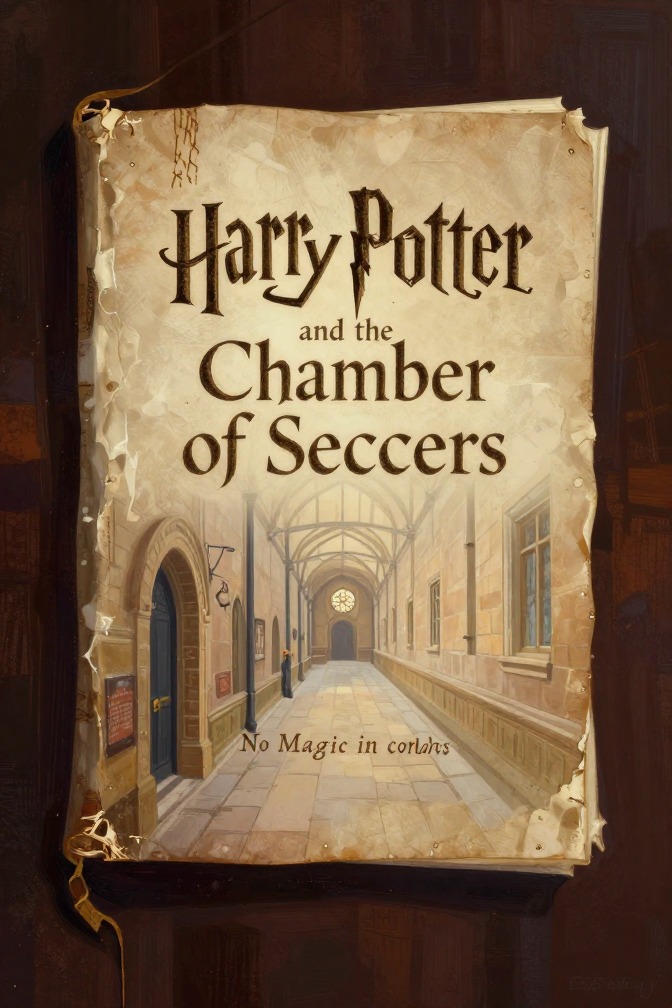
The No magic in corridors rule is a fundamental regulation at Hogwarts School of Witchcraft and Wizardry that prohibits students from performing spells outside of designated areas, particularly in the hallways. Its enforcement is strict, with violations leading to detention, point deductions, and potential expulsion, as demonstrated by Percy Weasley's threat to report Harry Potter for using the Disarming Charm in a corridor. The rule is part of a broader legal framework that includes the Decree for the Reasonable Restriction of Underage Sorcery and the International Confederation of Warlocks' Statute of Secrecy, which together govern magical conduct both within and beyond the school.
Petrification is the state of being frozen, stiff, and unresponsive that the Basilisk inflicts on its victims in Harry Potter and the Chamber of Secrets. It is a central plot device that drives the mystery of the Chamber of Secrets, affecting both humans and animals, and is eventually cured by the Mandrake Restorative Draught.
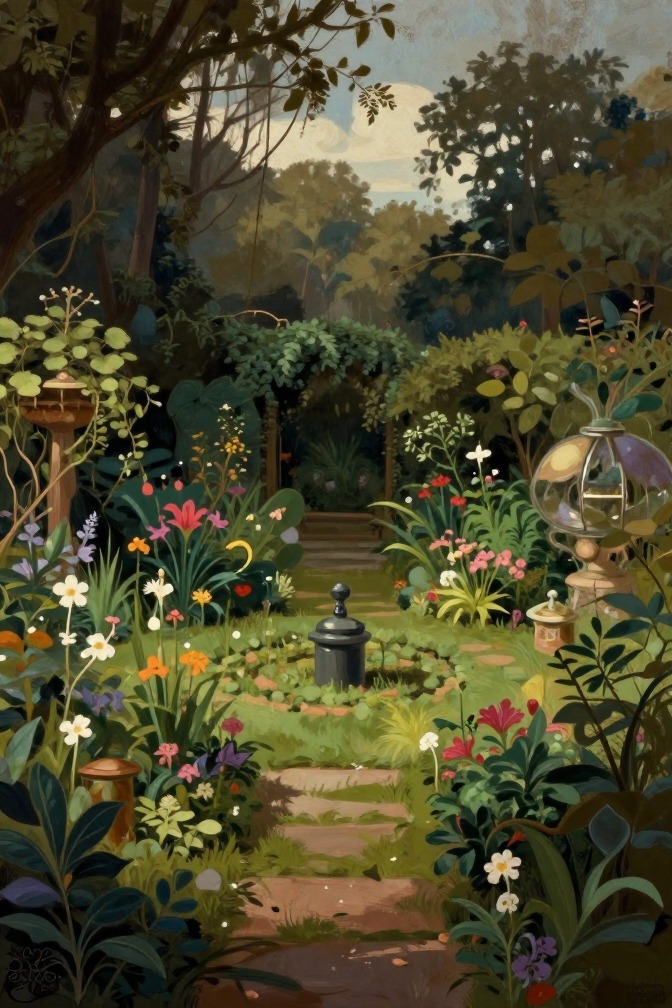
The secret garden is the central symbolic and physical location of Frances Hodgson Burnett's novel, a locked, walled garden that has been abandoned for ten years following the death of Lilias Craven. Its rediscovery and restoration by Mary Lennox, Dickon Sowerby, and Colin Craven becomes the catalyst for the physical and emotional healing of all three children, transforming it from a place of death and sorrow into a living sanctuary of spring, magic, and new life.
Dr. Branom is Dr. Brodsky's assistant at the State Institute for Reclamation of Criminal Types, where he plays a key role in administering the Ludovico Technique to Alex. He presents a friendly, reassuring demeanor while overseeing the conditioning process that systematically destroys Alex's capacity for moral choice.
Mr. Gaunt is the father of Myra Selfridge and the grandfather of the child Myra, a minor but consequential figure whose actions in New York City precipitate the wrongful arrest of John Rowland, the man who saved his granddaughter's life.