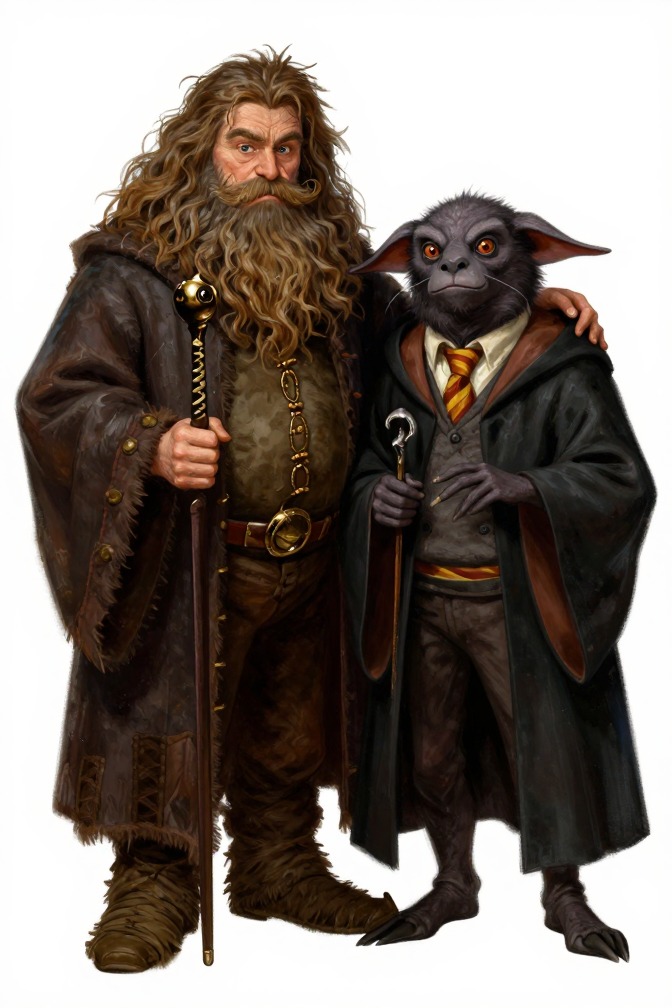
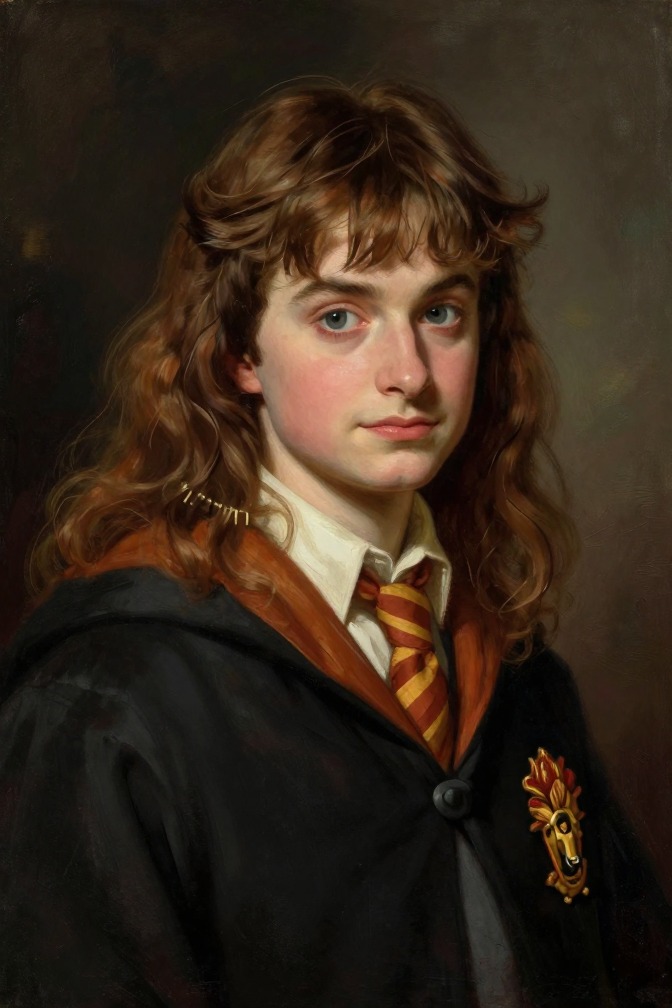
The friendship between Rubeus Hagrid and the giant spider Aragog is a central relationship in Harry Potter and the Chamber of Secrets, revealing Hagrid's compassionate nature and his tragic history with the Chamber of Secrets. Their bond, formed when Hagrid was a boy and Aragog was an egg, demonstrates Hagrid's unwavering loyalty to creatures others fear, and it ultimately provides Harry with crucial information about the monster's identity and the location of the Chamber's last victim.
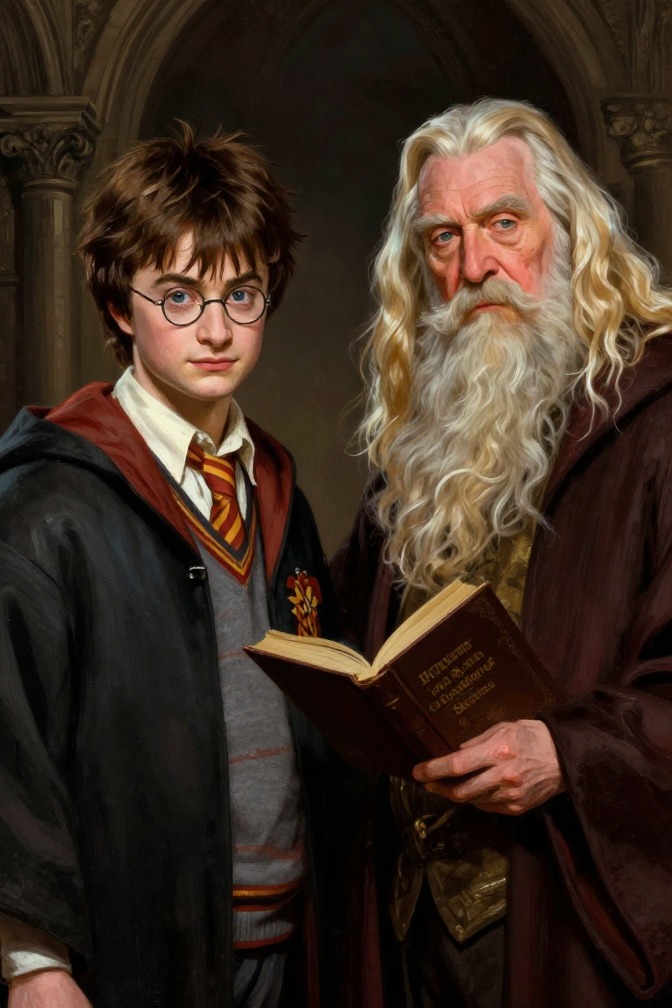
The relationship between Harry Potter and Albus Dumbledore is the central moral and emotional axis of the novel, evolving from a formal headmaster-student dynamic into a profound mentorship defined by trust, protection, and the revelation of Harry's true identity. Dumbledore's unwavering belief in Harry's innocence, his strategic guidance from afar, and his final, decisive conversation about choice versus ability shape Harry's understanding of himself and his place in the wizarding world.
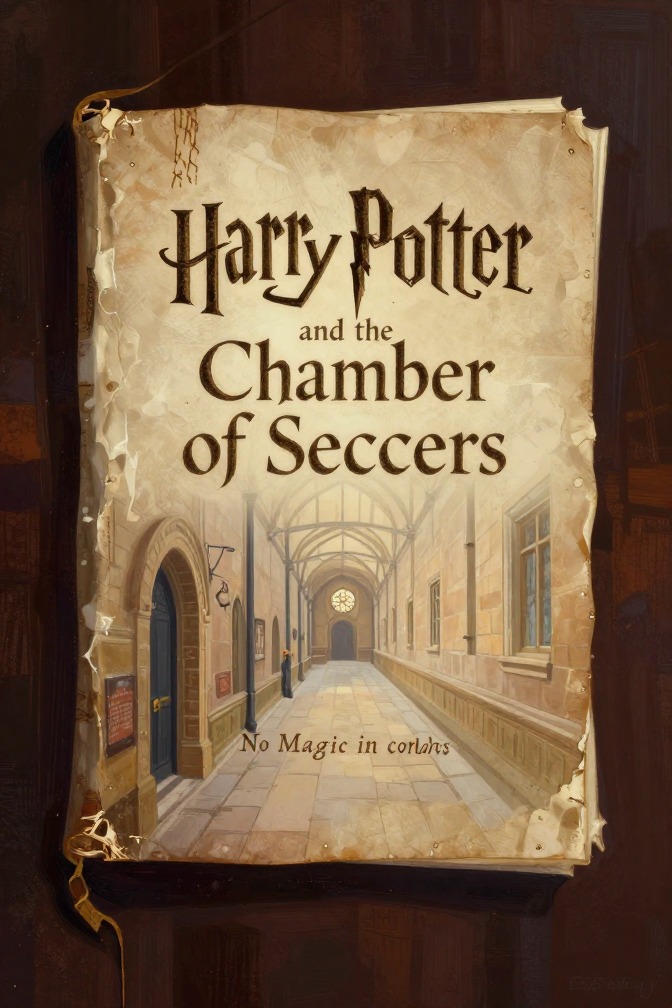
The No magic in corridors rule is a fundamental regulation at Hogwarts School of Witchcraft and Wizardry that prohibits students from performing spells outside of designated areas, particularly in the hallways. Its enforcement is strict, with violations leading to detention, point deductions, and potential expulsion, as demonstrated by Percy Weasley's threat to report Harry Potter for using the Disarming Charm in a corridor. The rule is part of a broader legal framework that includes the Decree for the Reasonable Restriction of Underage Sorcery and the International Confederation of Warlocks' Statute of Secrecy, which together govern magical conduct both within and beyond the school.
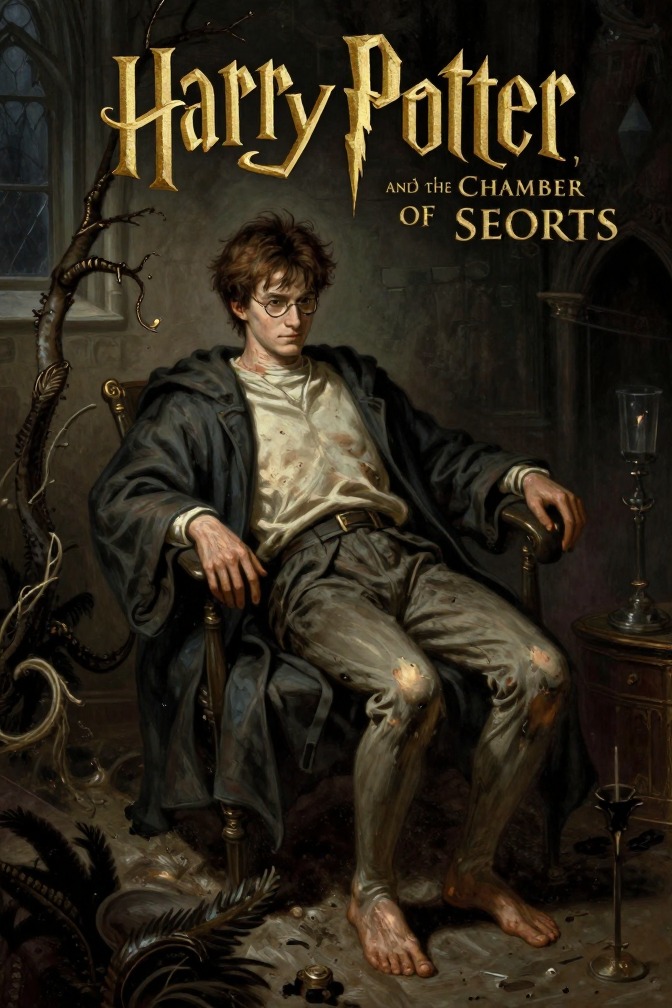
Petrification is the state of being frozen, stiff, and unresponsive that the Basilisk inflicts on its victims in Harry Potter and the Chamber of Secrets. It is a central plot device that drives the mystery of the Chamber of Secrets, affecting both humans and animals, and is eventually cured by the Mandrake Restorative Draught.
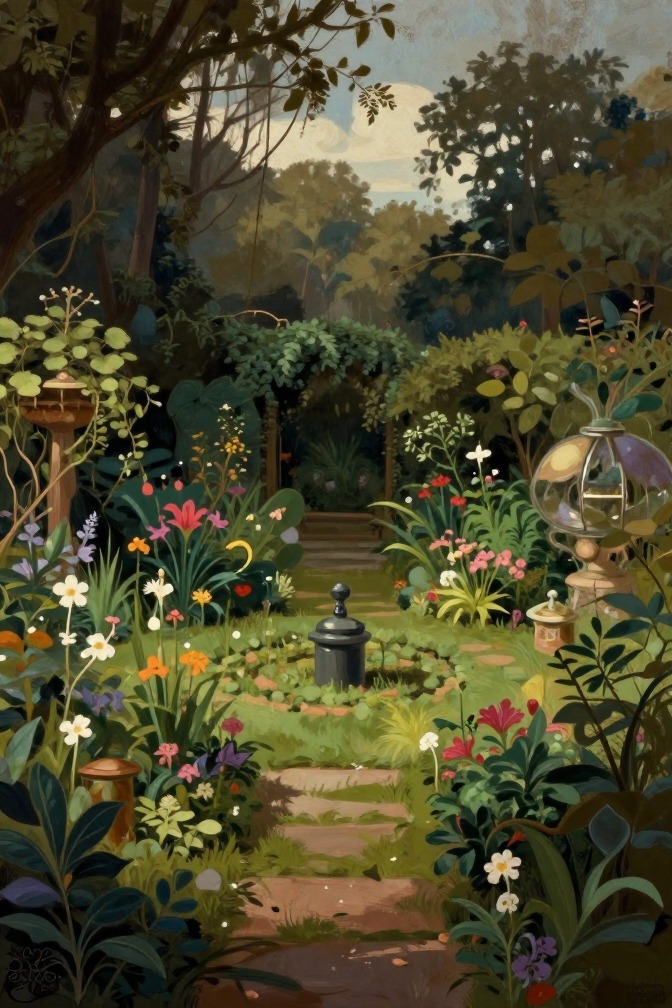
The secret garden is the central symbolic and physical location of Frances Hodgson Burnett's novel, a locked, walled garden that has been abandoned for ten years following the death of Lilias Craven. Its rediscovery and restoration by Mary Lennox, Dickon Sowerby, and Colin Craven becomes the catalyst for the physical and emotional healing of all three children, transforming it from a place of death and sorrow into a living sanctuary of spring, magic, and new life.
Dr. Branom is Dr. Brodsky's assistant at the State Institute for Reclamation of Criminal Types, where he plays a key role in administering the Ludovico Technique to Alex. He presents a friendly, reassuring demeanor while overseeing the conditioning process that systematically destroys Alex's capacity for moral choice.
Mr. Gaunt is the father of Myra Selfridge and the grandfather of the child Myra, a minor but consequential figure whose actions in New York City precipitate the wrongful arrest of John Rowland, the man who saved his granddaughter's life.
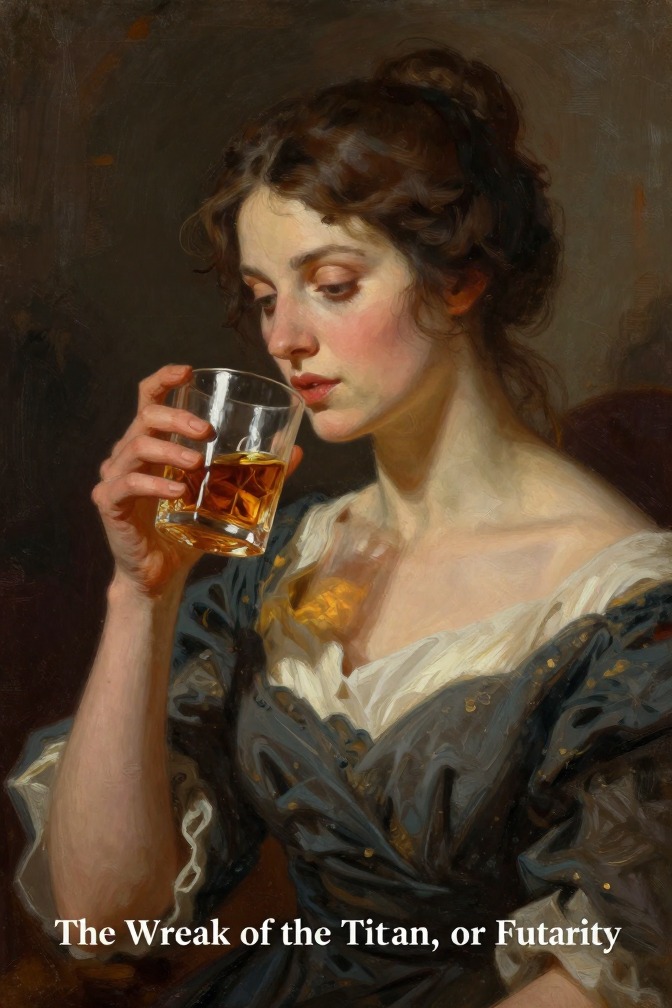
Women and whisky is a recurring phrase in Morgan Robertson's The Wreck of the Titan that encapsulates John Rowland's self-destructive past and his eventual redemption. The expression first appears as a bitter self-assessment of his needs, later becomes a target of his recovery, and ultimately frames his hard-won sobriety and new future.
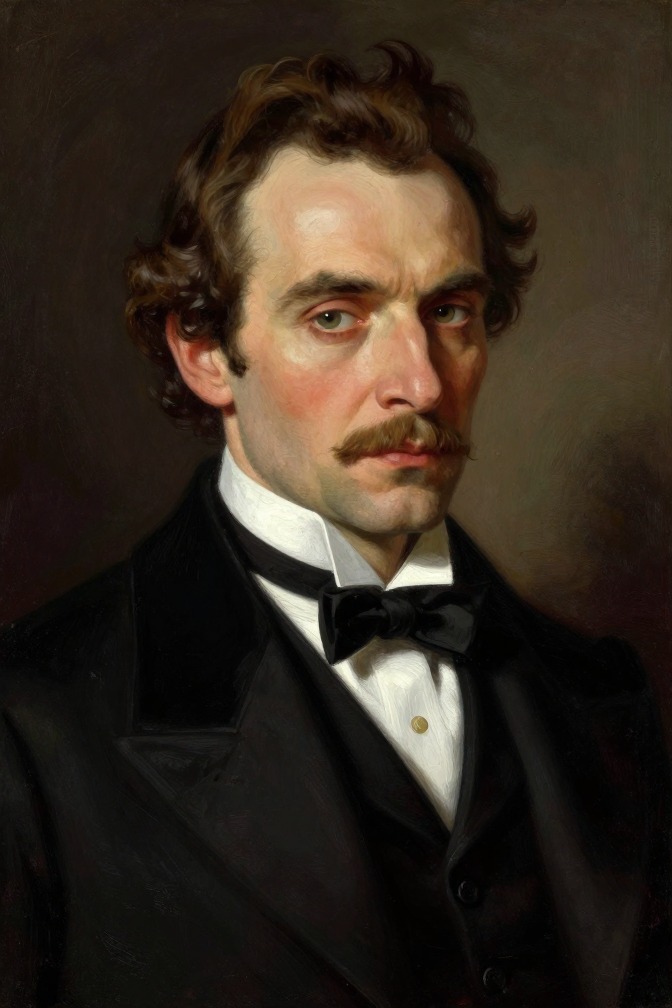
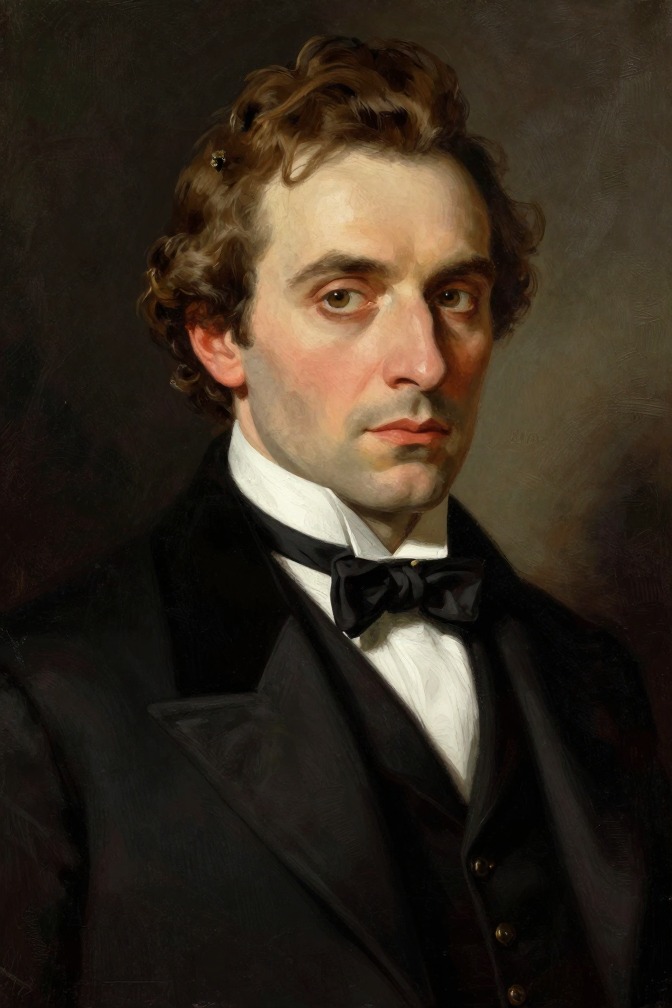
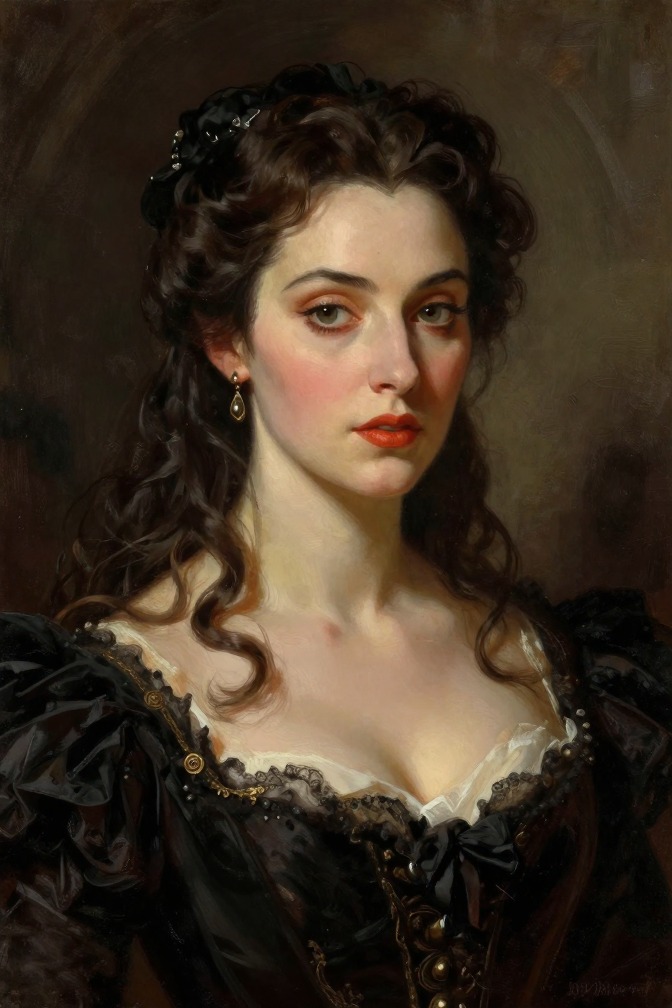
Daddy Daae is the peasant fiddler father of Christine Daae, whose music, legends, and dying promise to send the Angel of Music shape the novel's supernatural and emotional core.
M. Faure is the examining magistrate in the Chagny case, whose return from Canada enables the narrator to reconstruct the true story of the Opera ghost, though he himself dismisses the ghost as a myth.
Mme. Giry, the box-keeper of Box Five at the Paris Opera House, is the ghost's devoted intermediary, whose belief in Erik's promise that her daughter Meg will become empress binds her to him and makes her an unwitting accomplice in his schemes.
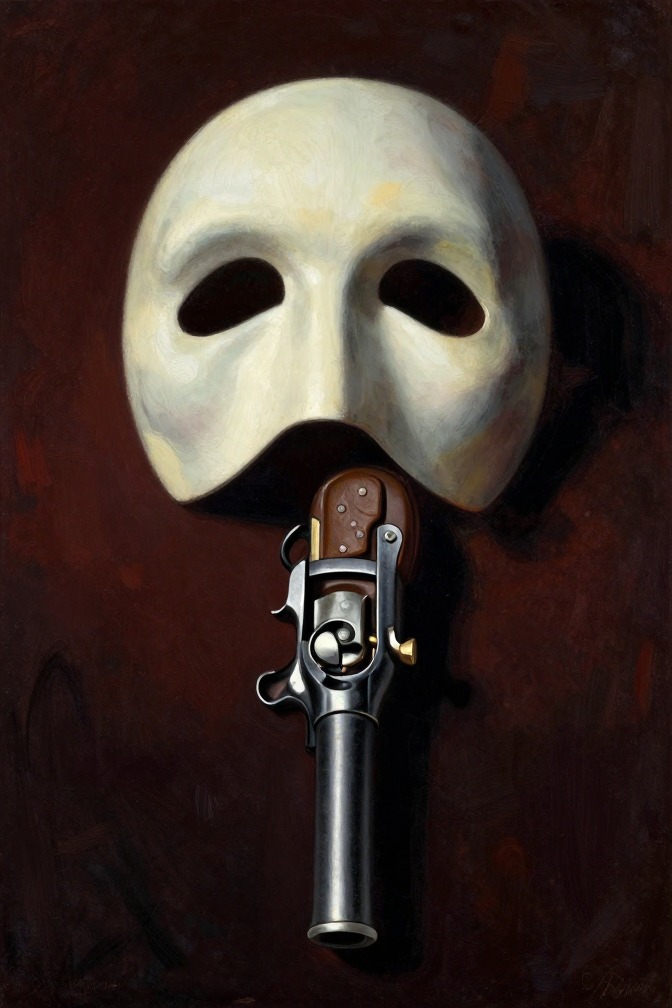
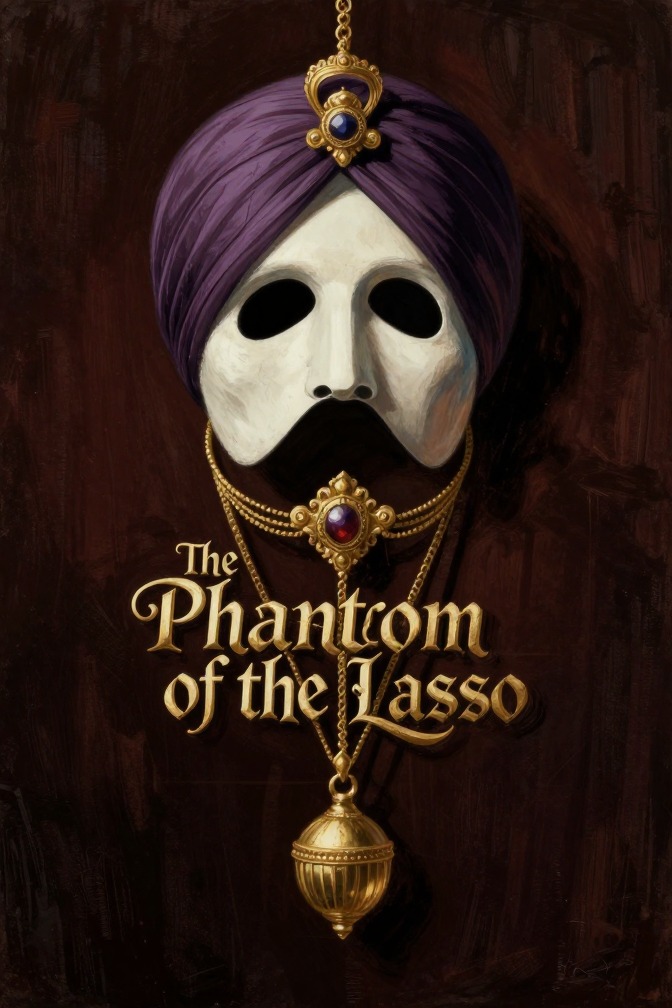
The Persian's Pistols are a pair of long, reliable pistols that the Persian has kept for a long time and which he has his servant Darius bring to him in Christine Daae's dressing-room on the night of her abduction. He gives one to Raoul de Chagny, framing their descent into Erik's domain as a duel, though he privately knows the pistols are less a means of attack than a defensive measure against Erik's preferred weapon, the Punjab lasso. The pistols embody the Persian's careful, experienced preparation for a confrontation with a formidable adversary, and their presence underscores the mortal danger of the mission.
The Punjab Lasso is a strangler's cord made of catgut, used by Erik as his signature weapon of murder and control. It is first encountered in the torture-chamber, where it lies coiled at the foot of the iron tree, and its history is tied to Erik's past in Mazenderan, where he used it to entertain the little sultana and to execute condemned men. The lasso embodies Erik's lethal skill and his role as the 'trap-door lover,' and it serves as a grim reminder of the fate that awaits those who trespass into his domain.
1870 was a pivotal year in the history of the Paris Opera House, marking the interruption of its construction due to the Franco-Prussian War and the Siege of Paris, during which the unfinished building was converted into a military storehouse. This period of upheaval set the stage for the building's later use by the Paris Commune and, crucially, for Erik's eventual secret habitation of its cellars, as he had been one of the contractors on the foundations before the works were suspended.
Ellen Brody's midlife crisis is a central psychological thread in the novel, manifesting as a profound dissatisfaction with her life as a police chief's wife in Amity, a nostalgic longing for her privileged past among the summer community, and a desperate, ultimately self-destructive affair with Matt Hooper. Her crisis is rooted in the social and emotional sacrifices of her marriage and is resolved not through a return to her past, but through a renewed, fearful appreciation for her husband and family after the shark's reign of terror ends.
Baldini's rivalry with Pélissier is a central conflict in the first part of the novel, embodying the tension between traditional craftsmanship and modern commercial innovation in the perfume trade of eighteenth-century Paris. The aging master perfumer Giuseppe Baldini, whose business is in decline, finds himself outmaneuvered at every turn by the upstart vinegar-maker-turned-perfumer Antoine Pélissier, whose fashionable new scents capture the public's imagination and threaten to destroy Baldini's livelihood. This rivalry drives Baldini to desperate measures, including an attempt to secretly copy Pélissier's hit perfume "Amor and Psyche," and ultimately sets the stage for Grenouille's entry into the world of professional perfumery.
Conseil is the devoted Flemish manservant of Professor Pierre Aronnax, a stoic and methodical classifier who accompanies his master on the Nautilus with unshakable loyalty, providing both comic relief and a foil to the more volatile Ned Land.
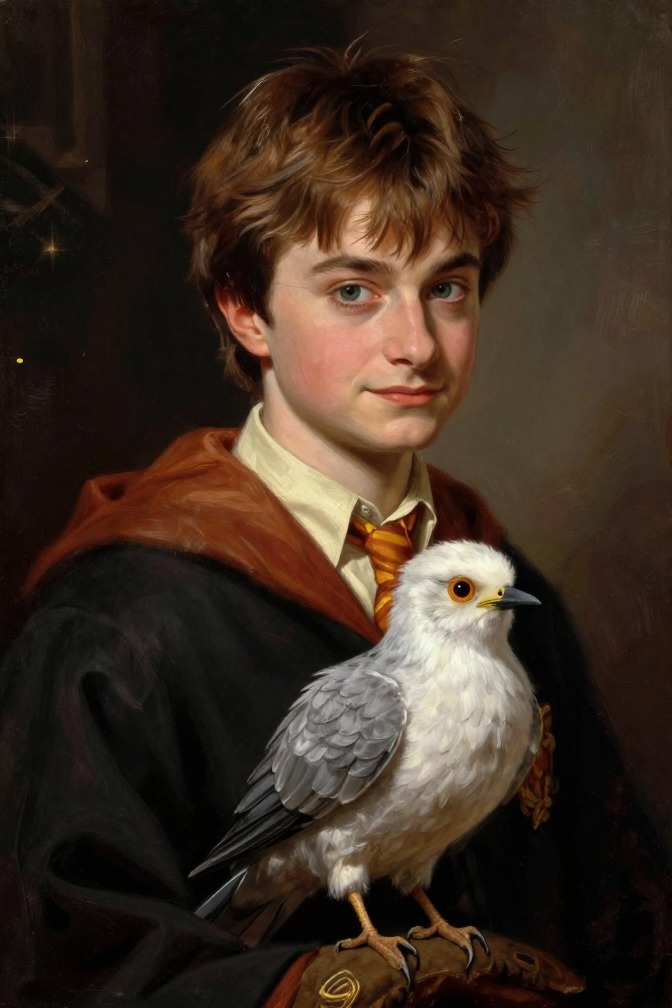
Hedwig is Harry Potter's loyal snowy owl, his constant companion and primary means of communication with the wizarding world, who serves as a symbol of his connection to magic and his true home at Hogwarts.
Marge Dursley, Vernon Dursley's sister, is a coarse, bullying woman who visits the Dursleys during Harry Potter's thirteenth summer, treats him with open contempt, and is accidentally inflated by Harry's uncontrolled magic after she insults his parents, an event that triggers Harry's flight from Privet Drive.
Petunia Dursley is Harry Potter's Muggle aunt, the sister of his mother Lily, who raises him in a household of neglect and resentment while obsessively policing the boundary between her ordinary world and the magical one she despises.
Pomona Sprout is the Head of Hufflepuff House and the Herbology professor at Hogwarts School of Witchcraft and Wizardry, a practical, no-nonsense witch whose expertise in magical plants and steadfast loyalty to her students make her a vital, if understated, pillar of the school community during Harry Potter's third year.
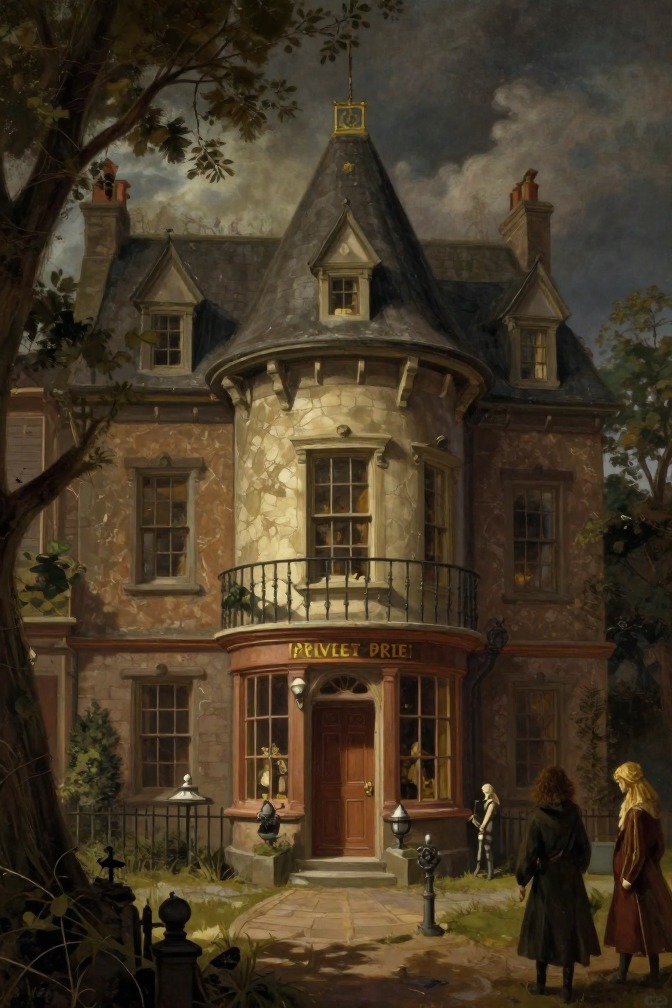
Number Four, Privet Drive is the suburban home of the Dursley family and the place where Harry Potter has been forced to live since infancy, serving as the primary setting for his oppressive Muggle childhood and the starting point for his magical adventures.
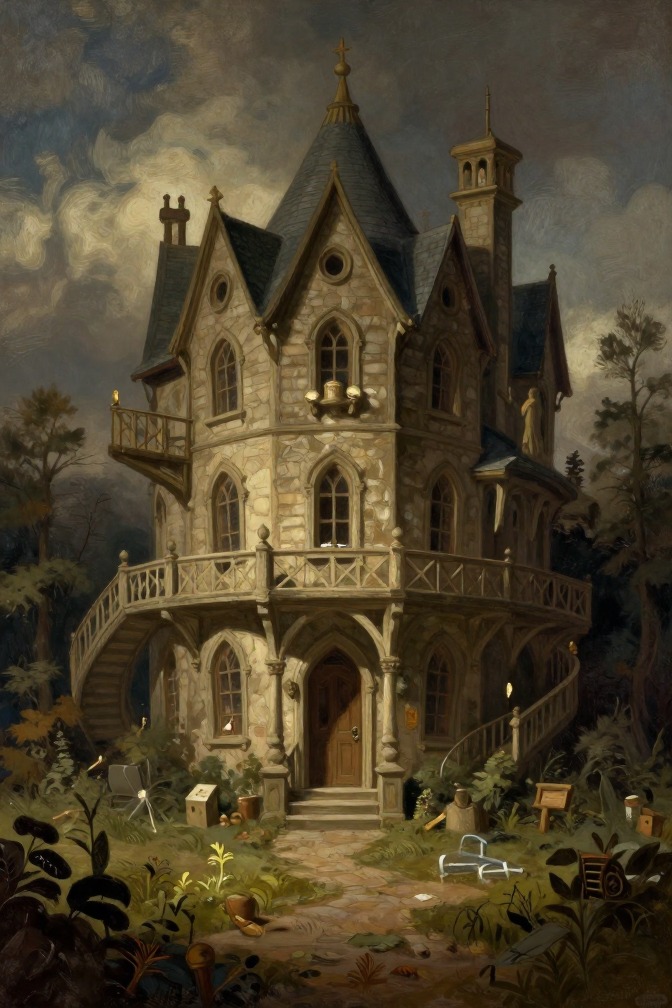
The Shrieking Shack is a reputedly haunted house in Hogsmeade, built to contain the werewolf Remus Lupin during his transformations at Hogwarts, and later becomes the site of the climactic confrontation between Harry Potter, Sirius Black, and Peter Pettigrew.
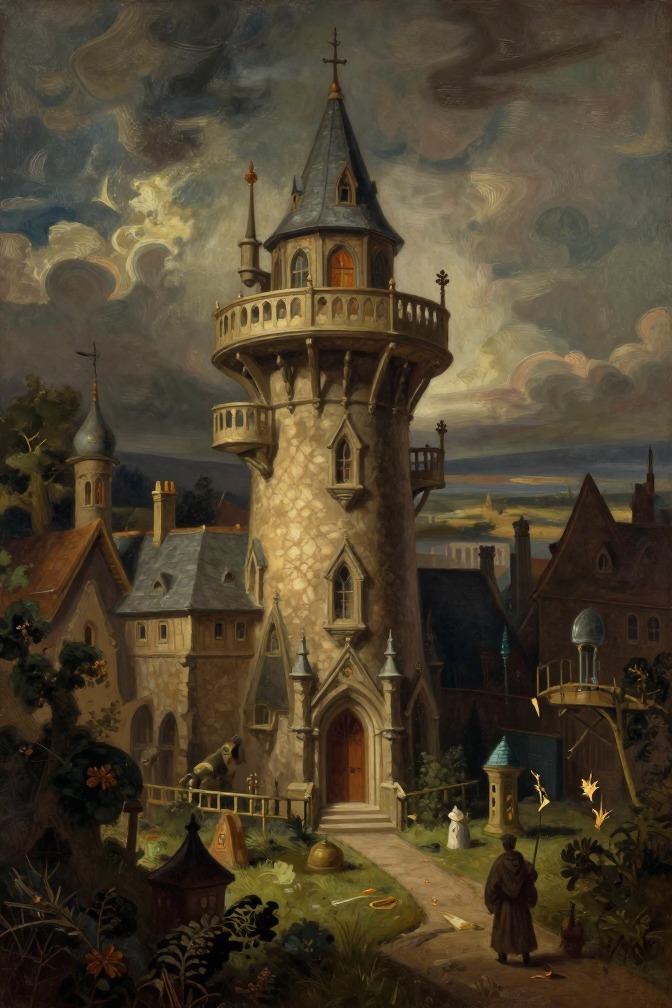
Trelawney's Tower is the stifling, dimly lit classroom atop the North Tower where Sybill Trelawney teaches Divination, a subject Harry, Ron, and Hermione find frustrating and unconvincing. The tower's cluttered, perfumed atmosphere and Trelawney's dramatic pronouncements—especially her prediction of the Grim as a death omen for Harry—establish it as a site of tension between genuine prophecy and theatrical fraud, while its remote location and the circular trapdoor entrance reinforce the teacher's self-consciously mystical persona.
The Quidditch final is the climactic Gryffindor versus Slytherin match that decides the winner of the Quidditch Cup, a contest charged with intense rivalry, personal vendettas, and the weight of a seven-year championship drought for Gryffindor. The match becomes the stage for Harry Potter to confront his deepest fears, master the Patronus Charm under pressure, and secure a victory that transcends the game itself, cementing his role as the team's decisive Seeker and restoring Gryffindor's pride.
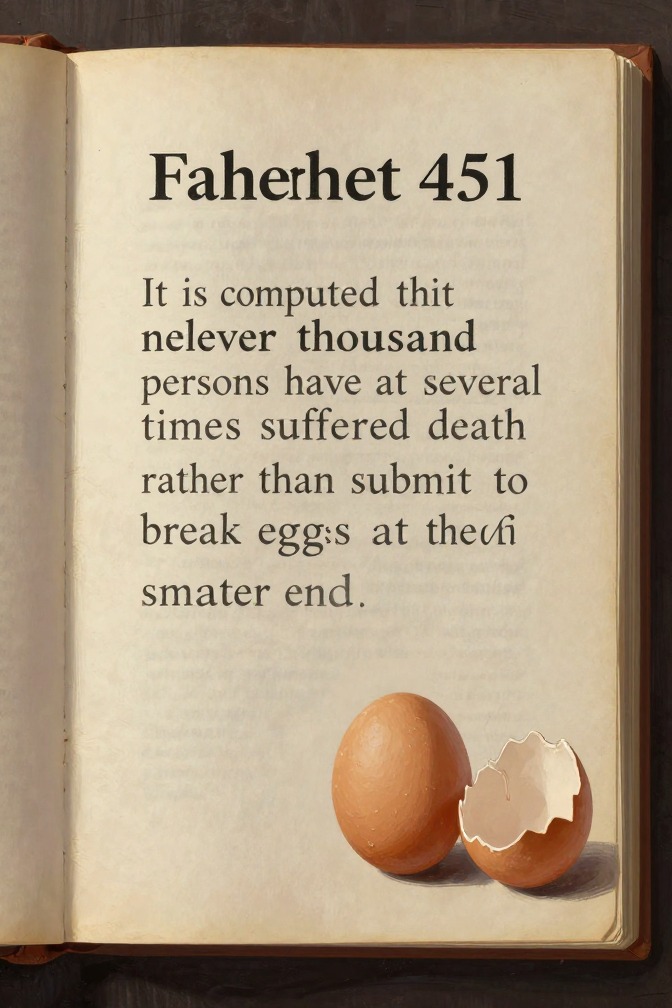
The line "It is computed that eleven thousand persons have at several times suffered death rather than submit to break eggs at the smaller end" is a quotation from Jonathan Swift's *Gulliver's Travels* that Montag reads aloud to Mildred during their first attempt to engage with a stolen book. It becomes a flashpoint in their conflict, crystallizing the chasm between the search for meaning and the society's enforced emptiness, and it echoes the novel's broader themes of absurd sacrifice and the refusal to conform to arbitrary rules.
The Igniter is the firemen's official tool for starting fires, a small handheld device that guarantees one million lights and serves as both a practical instrument of destruction and a symbol of the regime's power over knowledge and memory.
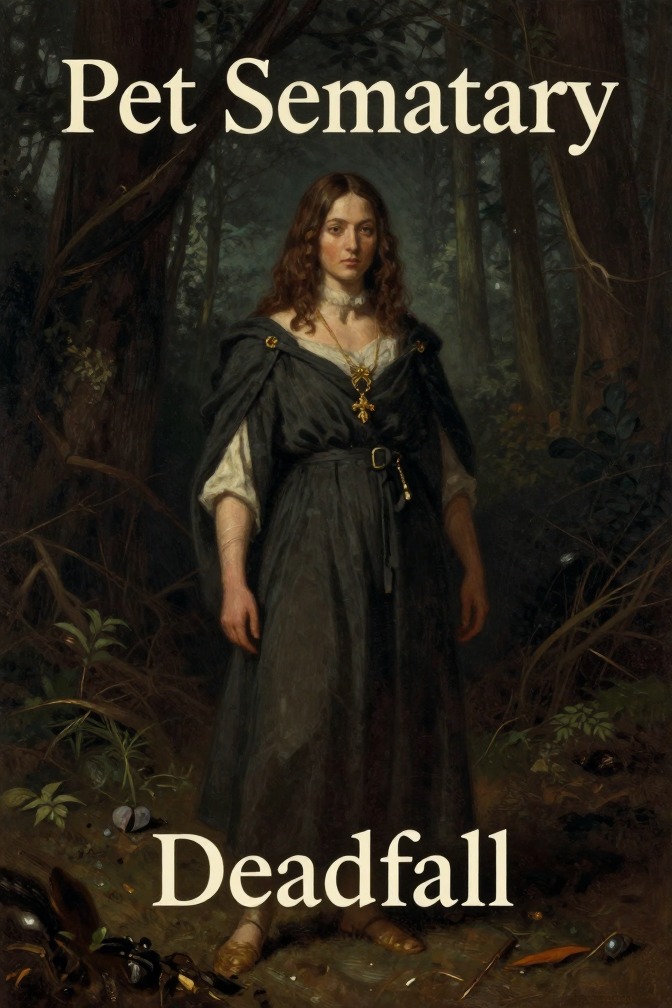
The Deadfall is a massive, tangled pile of fallen trees and branches that serves as a physical and supernatural barrier between the Pet Sematary and the deeper woods containing the Micmac burying ground. It is a treacherous obstacle that can only be crossed safely by those who know its secret, requiring a steady, unwavering pace and a refusal to look down, and it is imbued with the same ancient, malevolent power that permeates the land beyond.
Percy Wetmore, the sadistic and politically connected E Block guard, shoots and kills the condemned prisoner William Wharton in a sudden, violent outburst, emptying his revolver into the sleeping man. The shooting occurs immediately after John Coffey, the giant inmate with miraculous healing powers, forcibly transfers the brain tumor he had earlier drawn out of Warden Moores's wife into Percy's body, driving Percy into a catatonic state. The event is the catastrophic culmination of Percy's cruelty, John Coffey's hidden judgment, and the guards' desperate attempt to contain the consequences of their unauthorized night journey.
Roll on two is the command given by the execution team leader to the switch-room operator to send the full lethal current through the electric chair, marking the moment of death in the execution procedure at Cold Mountain Penitentiary.