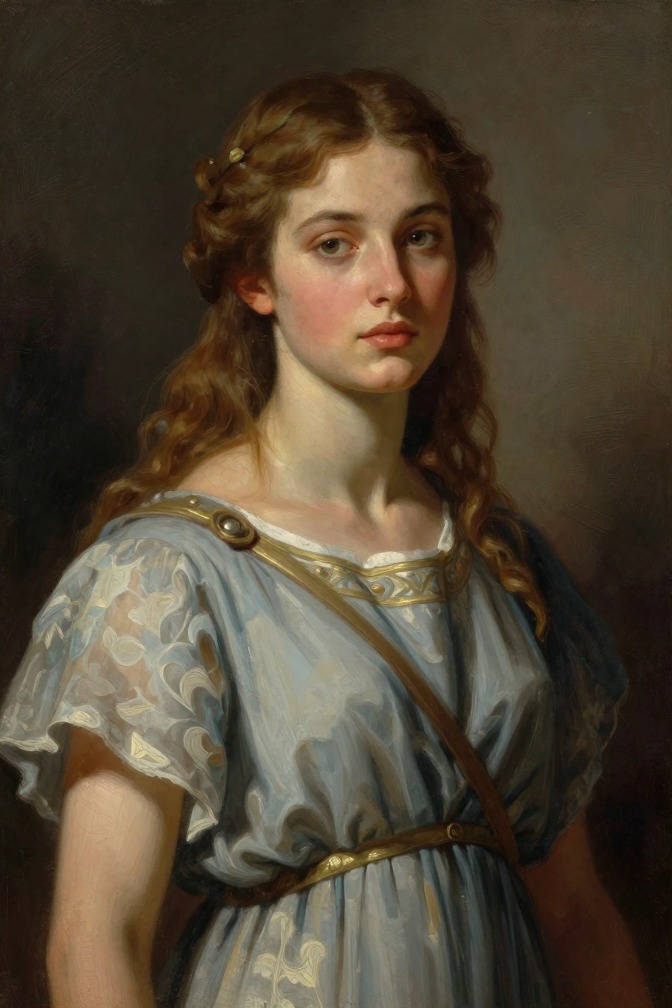
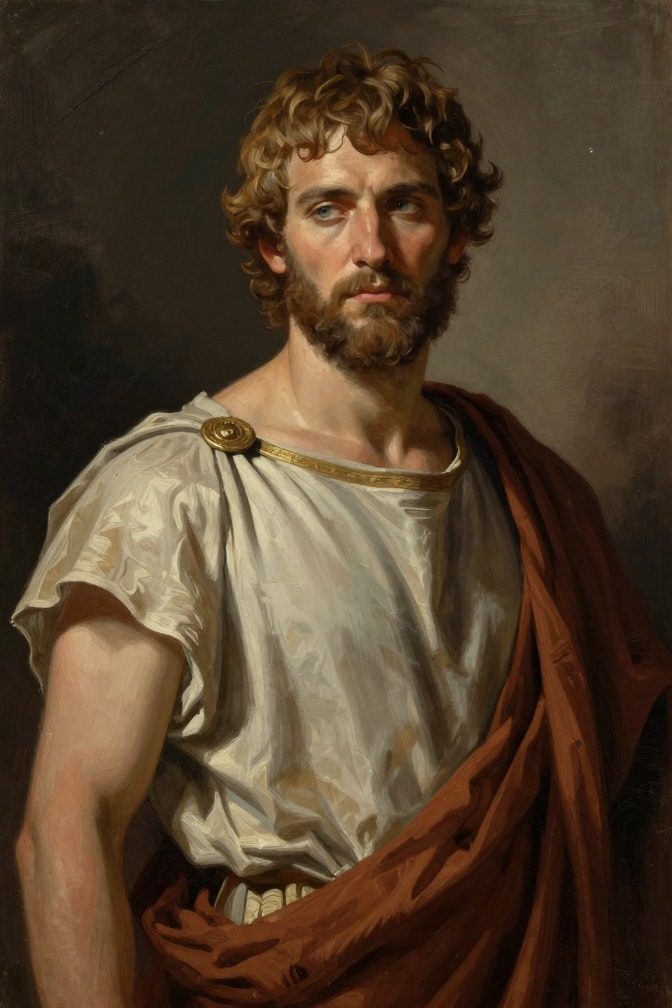
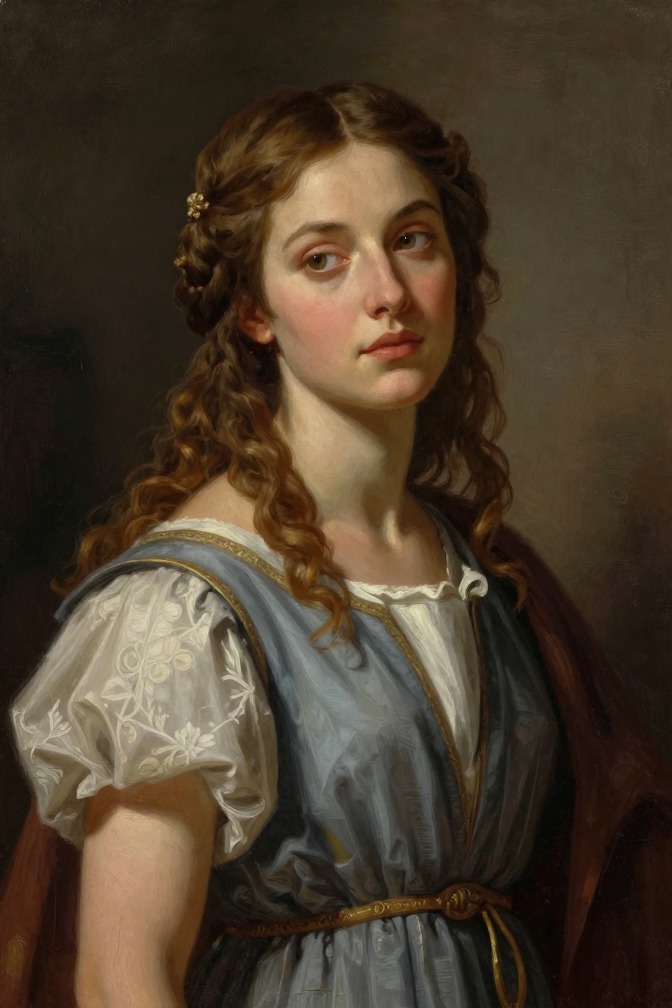
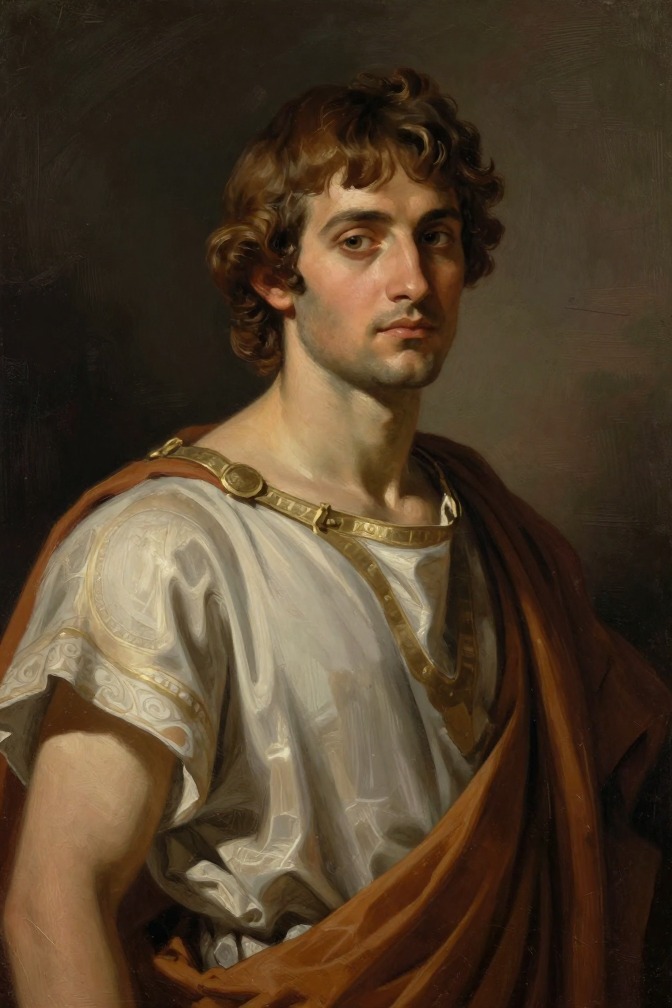
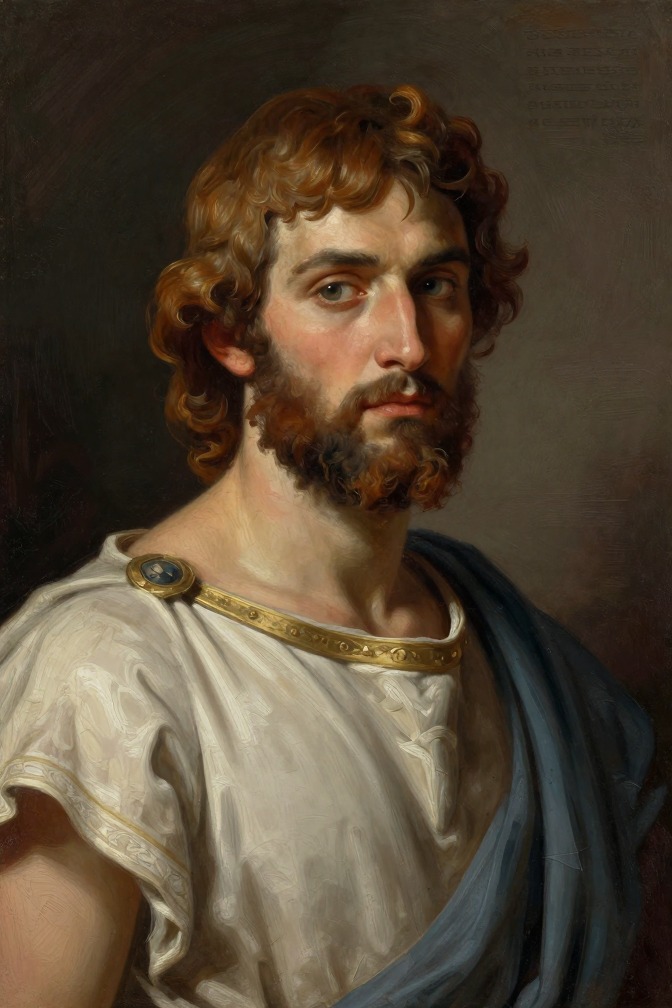
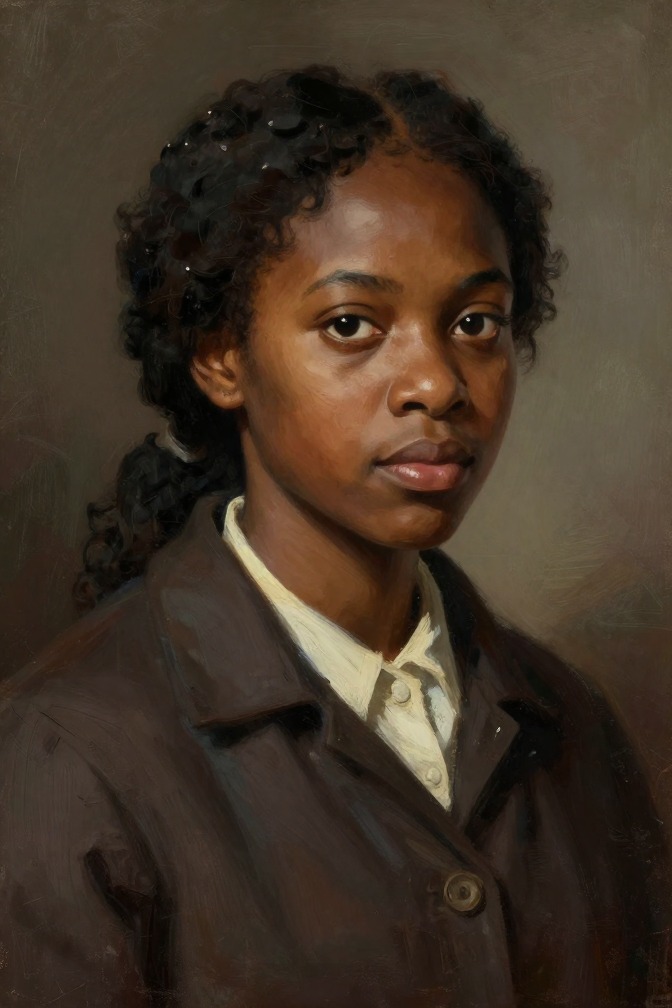
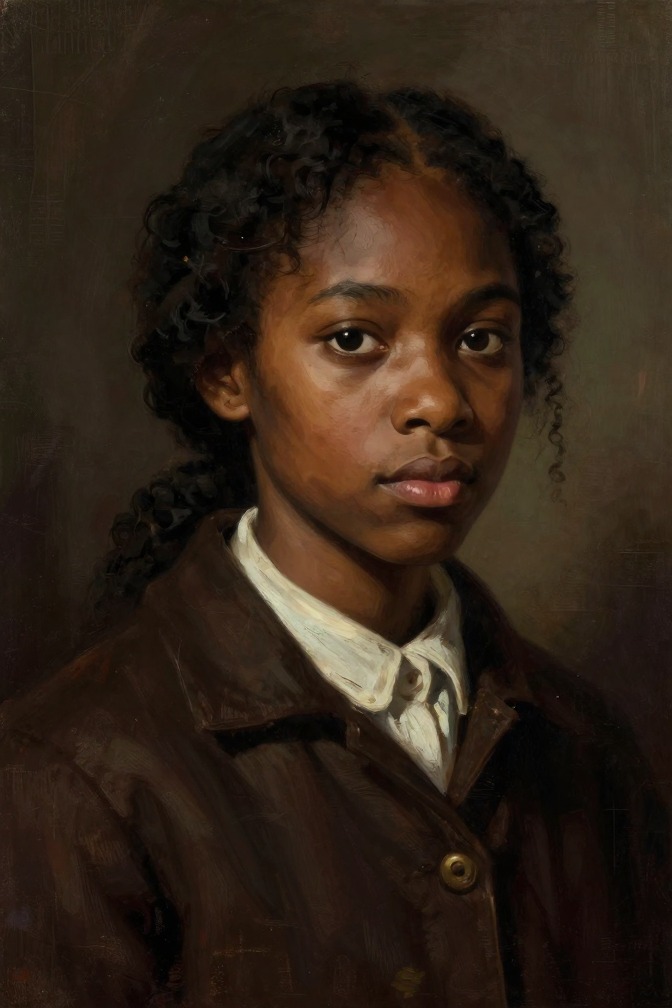
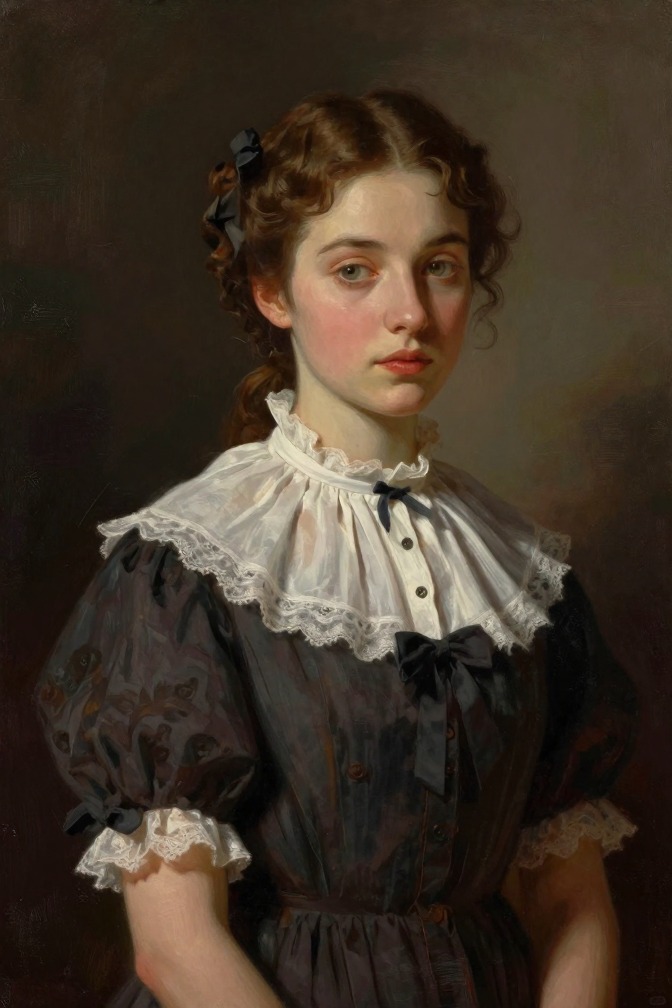
Nausicaa, the Phaeacian princess, is the catalyst for Odysseus's final journey home, embodying the ideal of youthful hospitality and serving as a crucial, yet chaste, helper who enables the hero's transition from castaway to honored guest.
Nestor, the aged king of Pylos, is a central figure in Telemachus's journey of maturation, serving as a living archive of the Trojan War's aftermath and a model of wise, hospitable leadership whose counsel shapes the young prince's quest for his father.
Penelope, wife of Odysseus and daughter of Icarius, is the queen of Ithaca whose twenty-year fidelity to her missing husband and cunning resistance to over a hundred suitors form the emotional and structural core of the Odyssey's second half. Her weaving trick, her public management of the suitors, and her final, cautious recognition of Odysseus define her as the poem's supreme embodiment of loyal intelligence and patient endurance.
Philomeleides is a minor but symbolically significant figure in Homer's Odyssey, remembered by Menelaus as the opponent whom Odysseus defeated in a wrestling match on Lesbos, a victory that serves as the definitive benchmark of Odysseus's heroic strength and a rhetorical touchstone for his anticipated vengeance against the suitors.
Tyro, daughter of Salmoneus and wife of Cretheus, is a mortal woman in the Odyssey who is seduced by the god Poseidon in the guise of the river Enipeus, an encounter that produces the twin heroes Pelias and Neleus. Her story, narrated by Odysseus in the underworld, exemplifies the divine-mortal unions that generate the heroic lineages of Greek myth and underscores the poem's interest in the genealogies of its major figures.
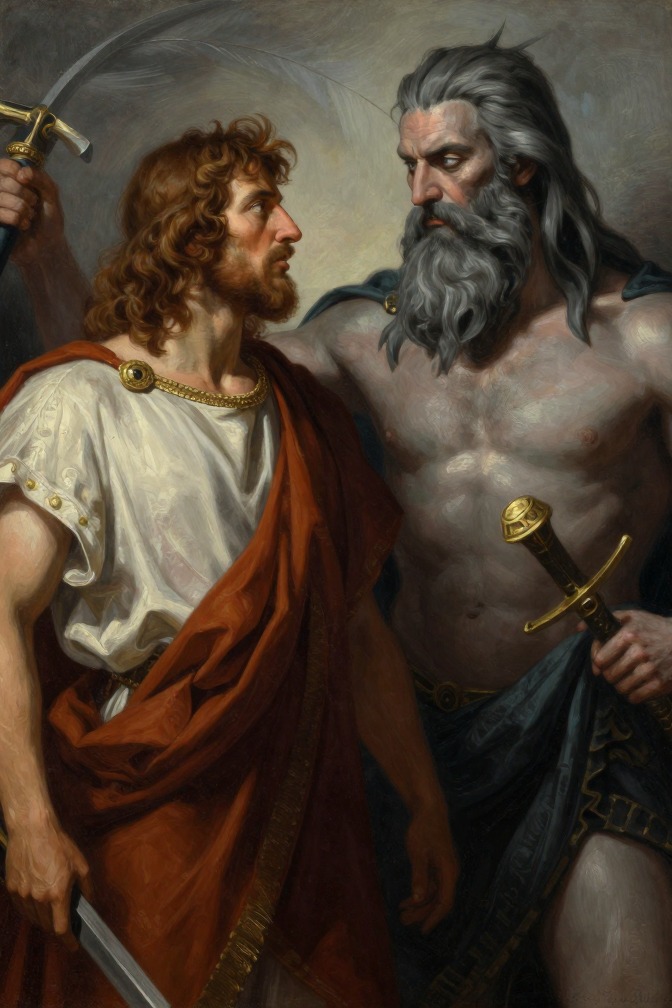
The enmity between Odysseus and Poseidon is the central divine conflict of the Odyssey, originating from Odysseus's blinding of Poseidon's son, the Cyclops Polyphemus, and driving the hero's prolonged suffering and delayed homecoming.
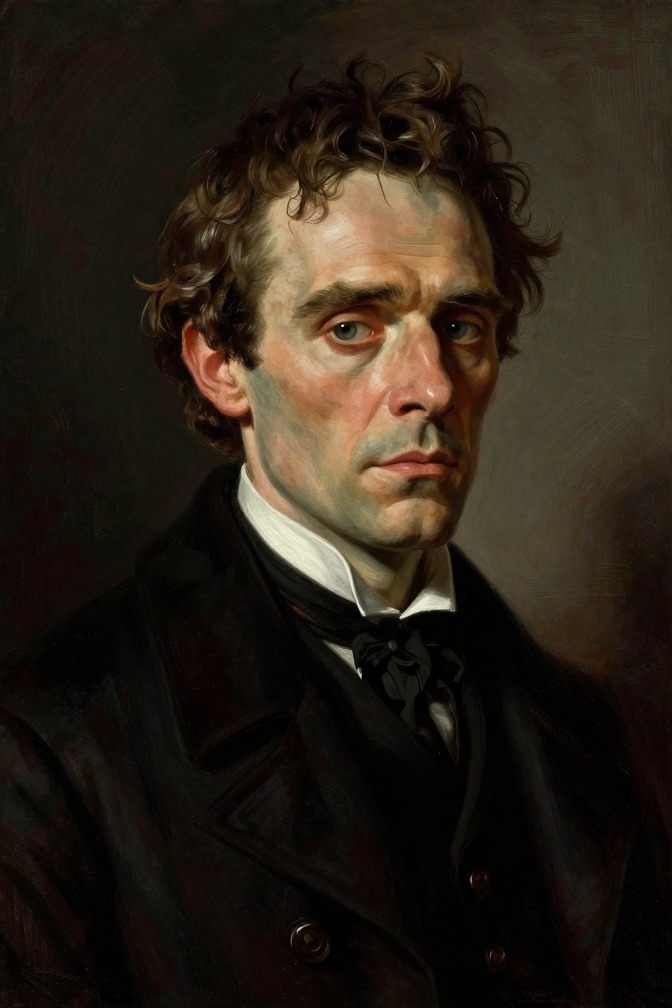
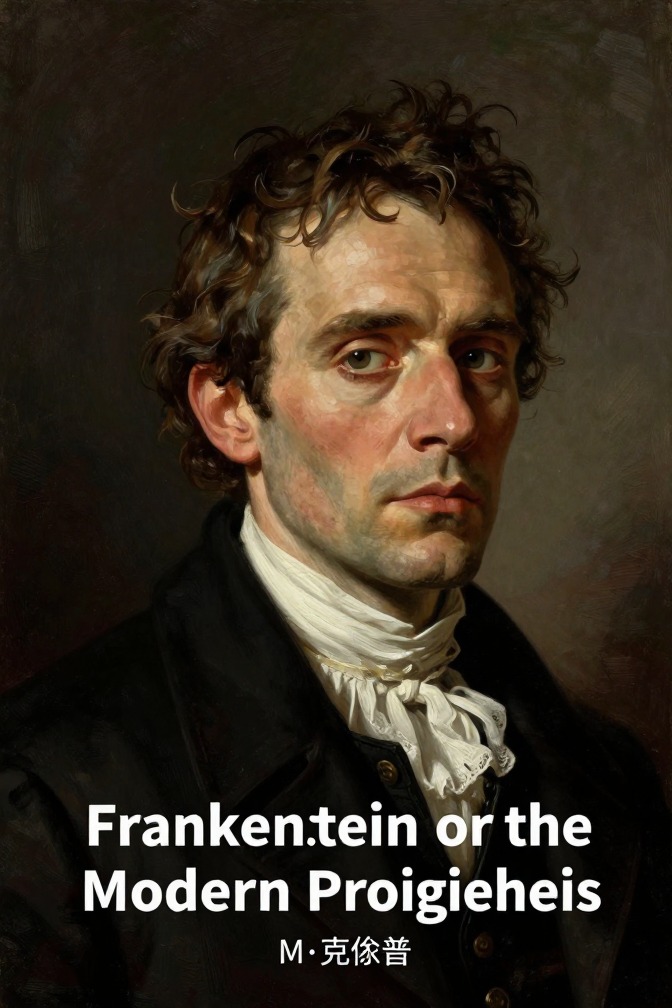
Victor Frankenstein is the ambitious young Genevese scientist whose obsessive quest to discover the secret of life leads him to create a monstrous being, setting in motion a chain of tragic events that destroy his family and friends and ultimately consume him.
M. Krempe is a professor of natural philosophy at the University of Ingolstadt whose gruff manner and dismissive attitude toward Victor Frankenstein's early alchemical studies initially repel the young scientist, yet whose practical knowledge and blunt assessments ultimately contribute to Victor's scientific development.
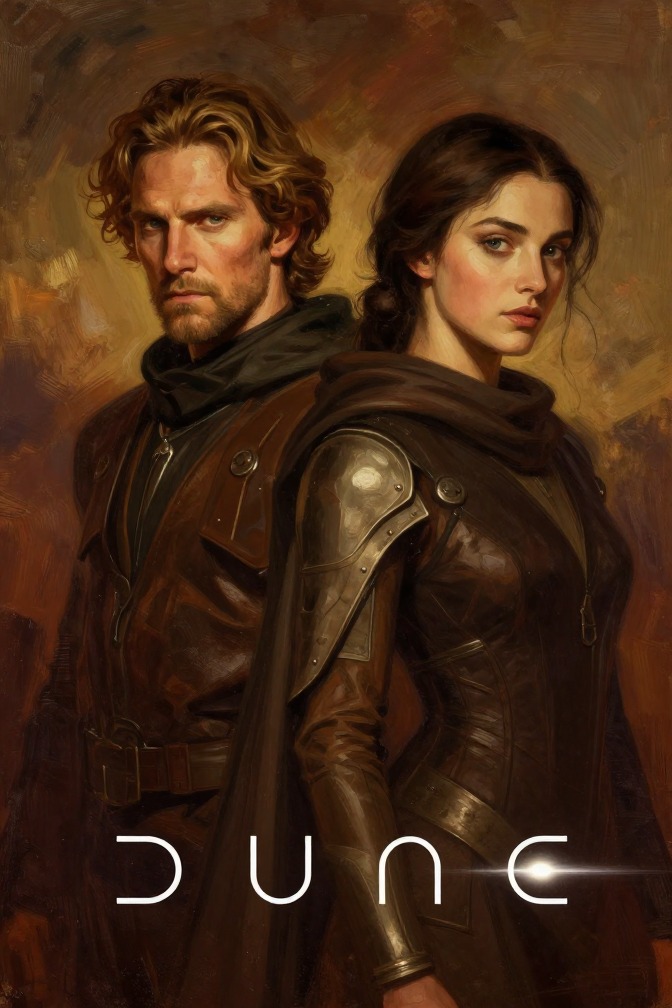
Baron Vladimir Harkonnen is the principal antagonist of Frank Herbert's Dune, a grotesquely obese and cunning master of political intrigue whose ruthless ambition and strategic genius orchestrate the downfall of House Atreides. As the head of House Harkonnen and the de facto ruler of Arrakis, he embodies the corrupt and decadent power of the Imperium, using wealth, treachery, and overwhelming force to achieve his goals. His schemes, which include subverting a Suk doctor and deploying Sardaukar troops in disguise, set the entire plot of the novel in motion, and his eventual death at the hands of his own granddaughter, Alia, marks a pivotal turning point in the story.
The Fedaykin are the Fremen death commandos of Arrakis, an elite corps of warriors pledged to give their lives to right a wrong, who become the personal guard and shock troops of Paul-Muad'Dib. Formed from the most fanatical and skilled fighters of the Fremen tribes, they are distinguished by their death chants, their ferocity in battle, and their absolute loyalty to Muad'Dib, whom they regard as the Lisan al-Gaib. Their evolution from a tribal defense force into the vanguard of a galaxy-spanning jihad is central to the narrative, embodying the terrifying power of religious fervor and the transformation of a guerrilla movement into a conquering army.
Harah is a Fremen woman who becomes part of Paul Atreides' household after her husband Jamis is killed in a ritual challenge. Initially presented as a servant, she evolves into a trusted confidante and protector of Paul's family, playing a crucial role in the Fremen community's acceptance of Paul and his mother.
Lady Jessica, the Bene Gesserit concubine of Duke Leto Atreides and mother of Paul Atreides, is a central figure in Frank Herbert's Dune. Her defiance of the Bene Gesserit breeding program by bearing a son instead of the ordered daughter sets the stage for the entire saga, and her training, loyalty, and transformation into a Fremen Reverend Mother are pivotal to Paul's rise as Muad'Dib.
Shaddam IV, the 81st Padishah Emperor of the known universe, is the ruler whose political machinations and military interventions drive the central conflict of Frank Herbert's Dune. His decision to grant Arrakis to House Atreides, a trap designed to destroy Duke Leto, sets the stage for the rise of Paul Muad'Dib. Shaddam's reign, marked by his reliance on the Sardaukar and his secret alliance with the Harkonnens, ultimately collapses when he is forced to surrender to Paul, abdicate the throne, and accept exile on Salusa Secundus.
The Atreides-Harkonnen feud is the central vendetta driving the plot of Frank Herbert's Dune, a kanly that shapes the destinies of both noble houses and the entire Imperium. Rooted in ancient grievances and political maneuvering, the feud culminates in the Harkonnen attack on House Atreides, the death of Duke Leto, and the rise of Paul Atreides as Muad'Dib, who ultimately defeats his enemies and seizes the Imperial throne.
Paul and Chani is the central romantic relationship of Frank Herbert's Dune, a bond that begins with Paul's prescient dreams of a Fremen girl and culminates in their life together as mates, parents, and partners in the struggle for Arrakis. Their union is both a deeply personal love story and a political cornerstone of Paul's rise to power as Muad'Dib, with Chani serving as his confidante, protector, and the mother of his son, Leto II. The relationship is marked by its tenderness, its shared dangers, and its ultimate sacrifice, as Paul's political marriage to Princess Irulan forces Chani into the role of royal concubine, a position that Jessica redefines as the true wife in history's eyes.
Ali is the Nubian mute slave of the Count of Monte Cristo, a devoted and highly skilled servant who carries out his master's most dangerous and delicate commands with absolute loyalty and silent efficiency.
Joachim Murat, the King of Naples and brother-in-law of Napoleon, is a pivotal off-stage figure in The Count of Monte Cristo. His letter to the usurper, entrusted to Edmond Dantes by the dying Captain Leclere, becomes the catalyst for Dantes' arrest and imprisonment, setting the entire revenge plot in motion. Murat's historical fate—his execution in 1815—is also referenced, and his name is invoked in the forged denunciation that condemns Dantes.
M. Dandre, the Minister of Police under Louis XVIII, is a high-ranking official whose incompetence and misplaced confidence in Napoleon's containment at Elba are exposed during the political crisis of March 1815, leading to his public humiliation by the king and his subsequent reliance on the rising magistrate Villefort.
Pope Alexander VI, the corrupt Borgia pope of the late 15th century, appears in the novel as the orchestrator of the murder of Cardinal Spada, whose hidden treasure on Monte Cristo becomes Edmond Dantes' fortune; his reign of poison and greed provides the historical and moral backdrop for the novel's central themes of divine justice and retribution.
John Reed is the only son of Mrs. Reed of Gateshead Hall, a violent and tyrannical bully who torments the young Jane Eyre throughout her childhood and whose dissolute adulthood ends in probable suicide, leaving his family ruined.
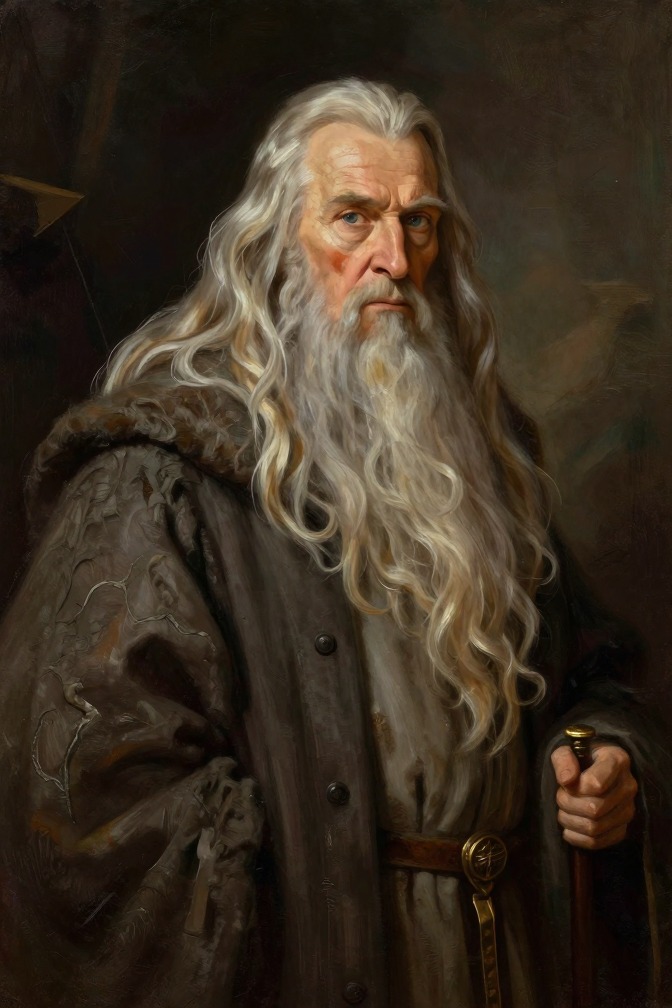
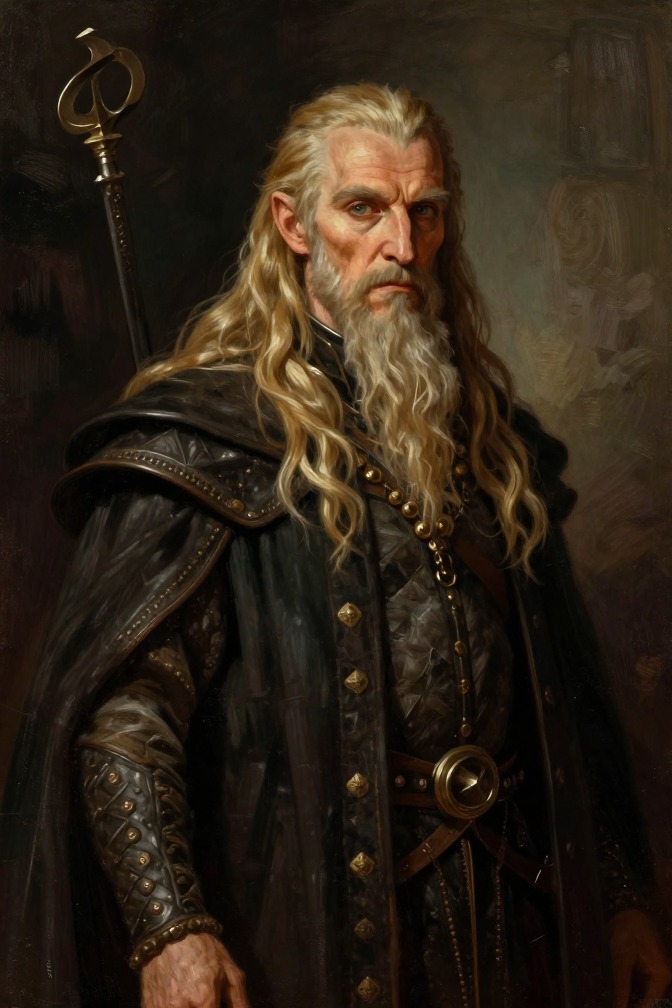
Gandalf the Grey, later Gandalf the White, is the central wizard and guiding force of The Lord of the Rings, a Maia sent to Middle-earth to contest Sauron. He orchestrates the quest to destroy the One Ring, leads the Fellowship, falls fighting a Balrog in Moria, and returns as the White Rider to rally the free peoples, ultimately departing over the Sea at the end of the Third Age.
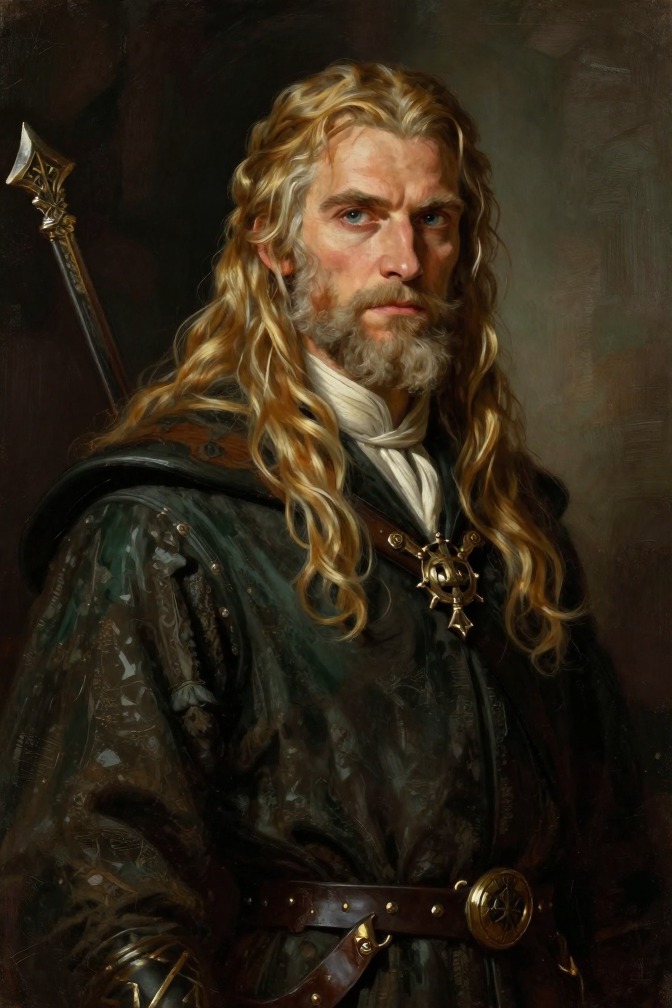
Gil-galad, the last High King of the Noldor in Middle-earth, was the Elven-king who, alongside Elendil of Westernesse, overthrew Sauron in the War of the Last Alliance at the end of the Second Age, only to perish in the final combat on the slopes of Orodruin. His death marked the end of the great Elf-kingdoms of the Elder Days in Middle-earth, and his spear Aeglos was remembered as a weapon none could withstand.
Sauron, the Dark Lord of Mordor, is the primary antagonist of The Lord of the Rings, a fallen Maia who forged the One Ring to dominate Middle-earth and whose return from defeat sets the War of the Ring in motion.
Mrs. Garner, also called Lillian Garner, is the mistress of Sweet Home plantation in Kentucky, a white woman whose kindness is inseparable from the institution of slavery she upholds. She is the one who gives Sethe the crystal earrings as a wedding present, who hums while she works, and who, in her final illness, is too weak to protect Sethe from the nephews who steal her milk. Her decline and death mark the end of the relatively benign regime of her husband, Mr. Garner, and open the door for schoolteacher to take over the farm, setting in motion the novel's central tragedy.
Patsy, also known as the Thirty-Mile Woman, is a minor but pivotal character in Toni Morrison's Beloved, whose brief appearances frame the novel's themes of love, sacrifice, and the relentless pursuit of freedom. Her relationship with Sixo, marked by extraordinary devotion and a shared escape plan, culminates in his death and her survival, making her a symbol of the personal costs and enduring hopes embedded in the struggle for liberation.
Miss Cole is a minor teacher at Beardsley School whose single reported observation about Dolores Haze contributes to the school's assessment of the girl's physical and emotional state, forming part of the institutional scrutiny that surrounds Humbert Humbert's custodianship.
Richard F. Schiller, called Dick, is the young, hard-of-hearing mechanic and war veteran whom Dolores Haze marries at seventeen, becoming Dolly Schiller. He represents the ordinary, decent life Lolita chooses after escaping Humbert Humbert and Clare Quilty, and his presence in the novel's final act underscores the irreversible loss of Humbert's nymphet and the tragic, mundane reality of her adulthood.
Syrio Forel, the former First Sword of Braavos, serves as Arya Stark's fencing instructor in King's Landing, where he teaches her the Braavosi water-dancing style and instills in her a philosophy of true seeing and fearlessness that shapes her survival after her father's fall.
Elizabeth Sinskey is the director of the World Health Organization who, after a confrontation with the geneticist Bertrand Zobrist over his apocalyptic population-control theories, becomes the central figure racing to stop his engineered plague, Inferno. Her personal history of infertility, her fierce determination, and her eventual willingness to listen to Sienna Brooks define her arc from antagonist to collaborator in a crisis that threatens the human species.
Louis Lippo is a minor but revealing character in John Steinbeck's East of Eden, a rancher of Italian descent who serves as a bridge between the established community of the Salinas Valley and the newcomer Adam Trask. His primary function is to introduce Adam to the revered Samuel Hamilton, and through his dialogue and actions, he embodies the valley's pragmatic, cautious, and community-minded ethos, as well as its latent suspicion of wealthy outsiders.