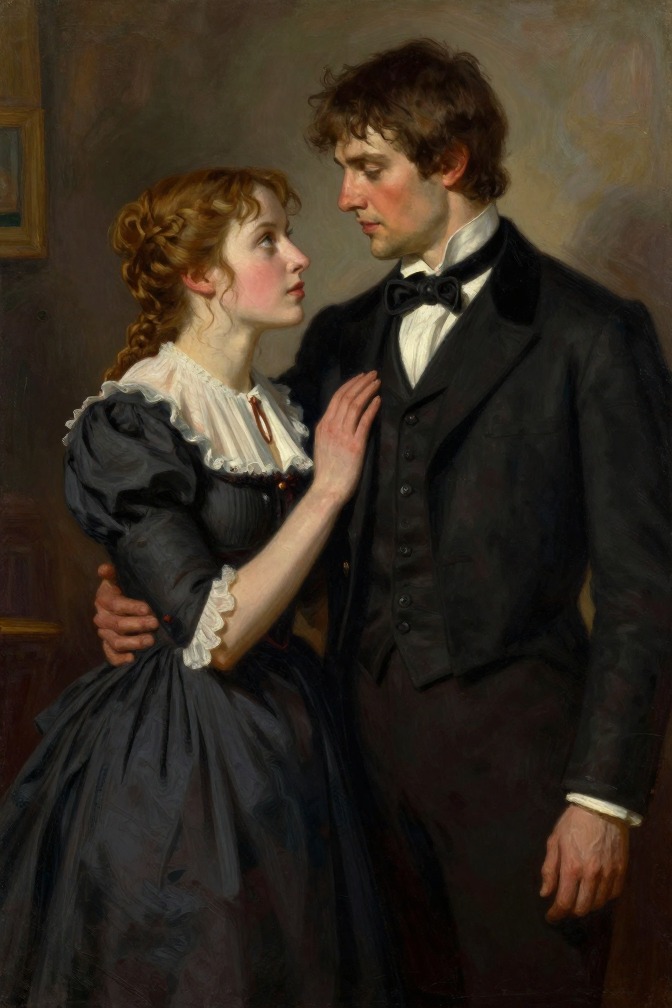
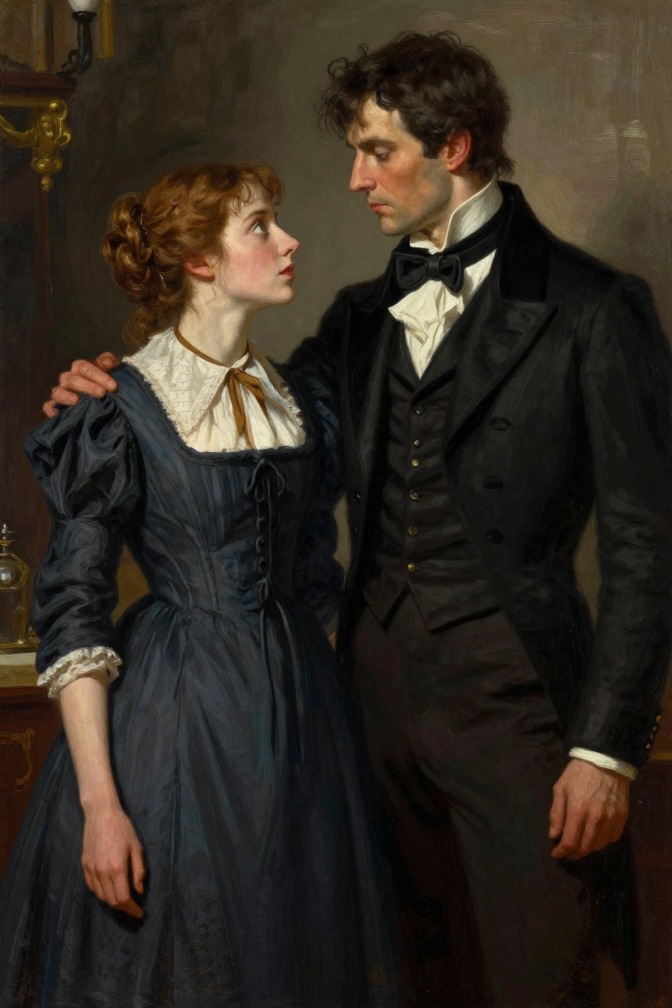
Isabella Linton's elopement with Heathcliff is a pivotal event that transforms her from a sheltered gentlewoman into a captive in a brutal marriage, exposing Heathcliff's calculated cruelty and deepening the novel's central conflicts.
Linton Heathcliff's death is the final collapse of Heathcliff's dynastic revenge, a drawn-out, miserable end that leaves Catherine Linton a widow and frees her for the eventual reconciliation with Hareton Earnshaw.
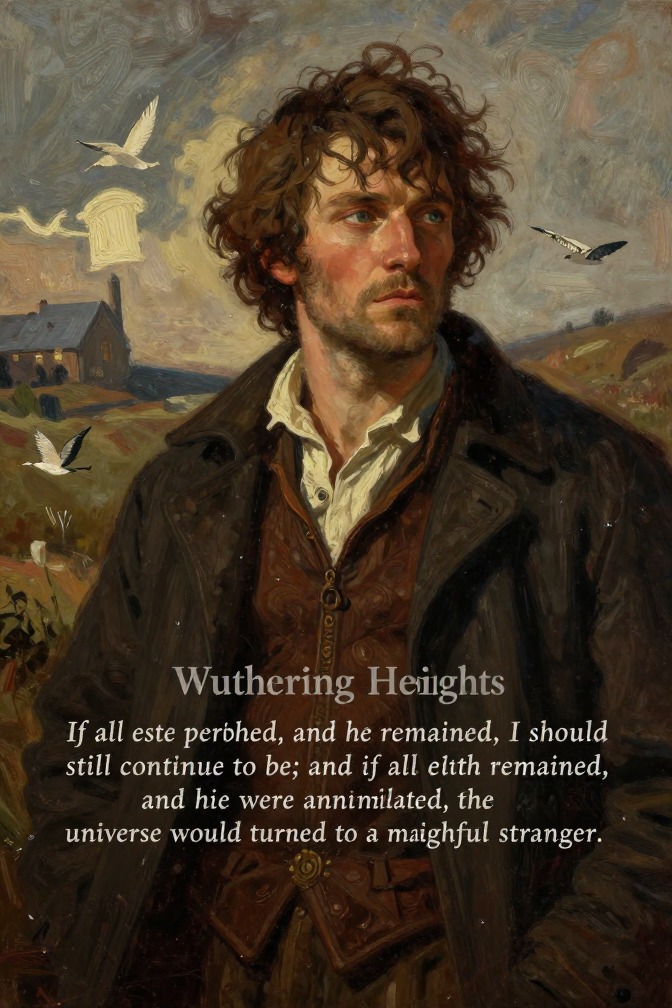
Catherine Earnshaw's declaration that her identity is inseparable from Heathcliff, uttered to Nelly Dean in Chapter IX, is the novel's most radical statement of metaphysical union, defining love not as emotion but as ontological necessity.
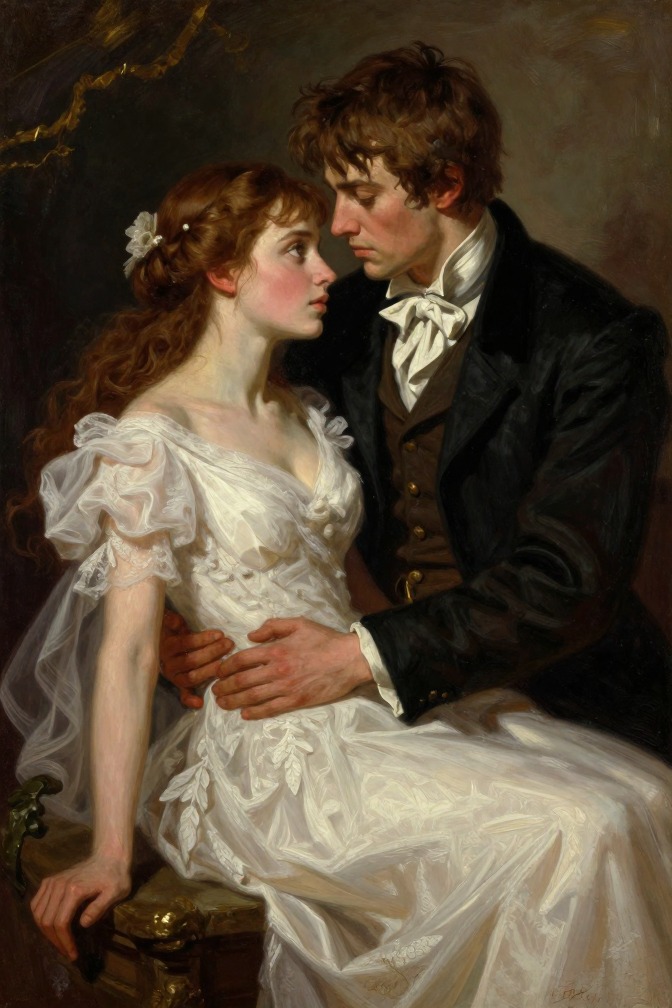
The marriage of Catherine Linton and Linton Heathcliff is a forced union orchestrated by Heathcliff as the final stroke of his revenge, trapping the young Catherine in a loveless, abusive household and securing his legal claim to Thrushcross Grange.
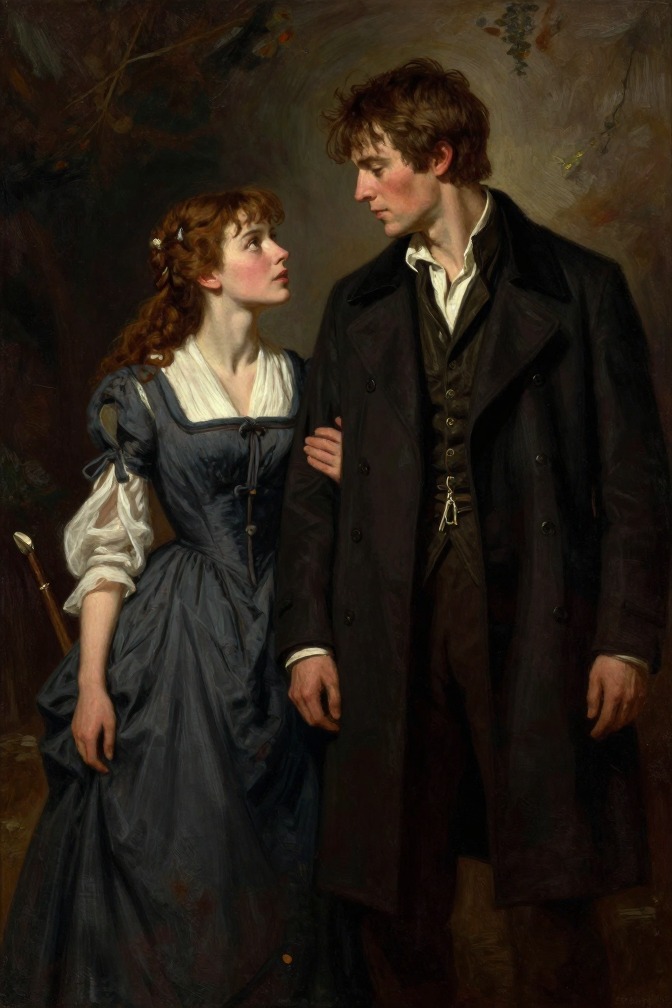
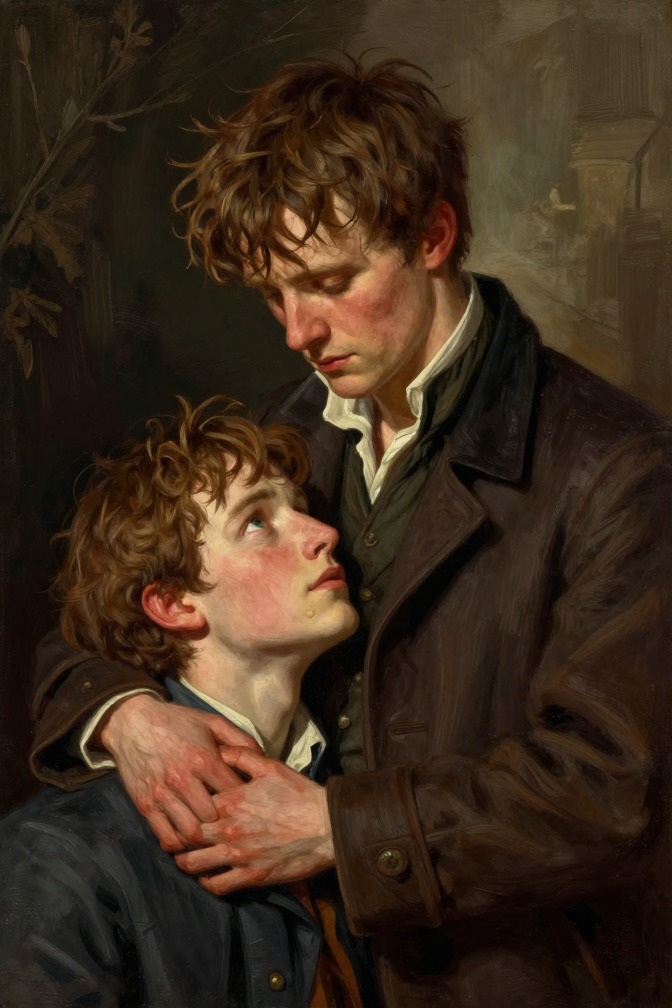
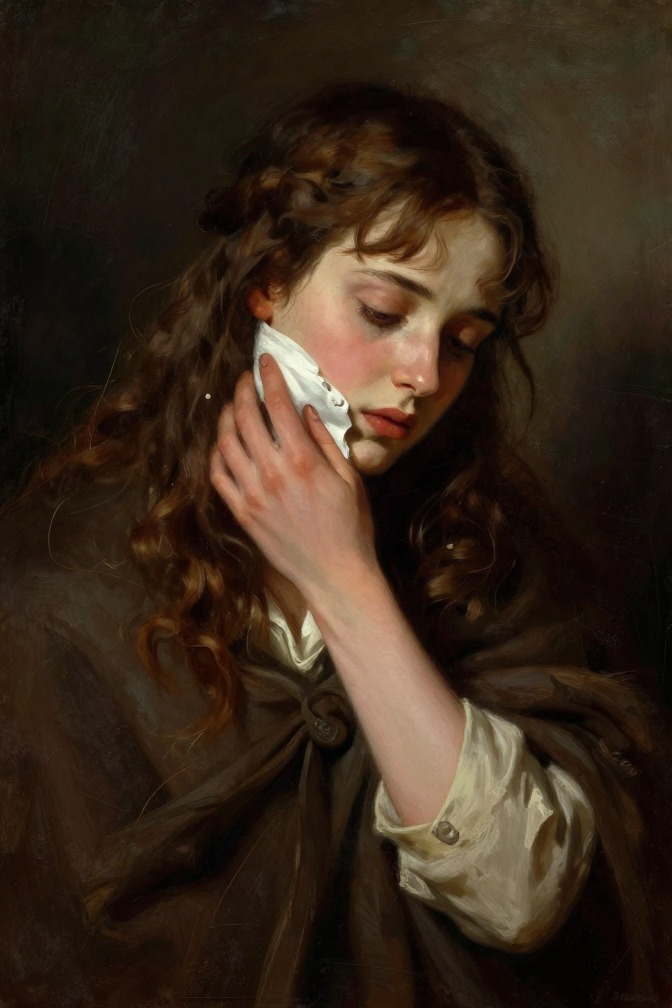
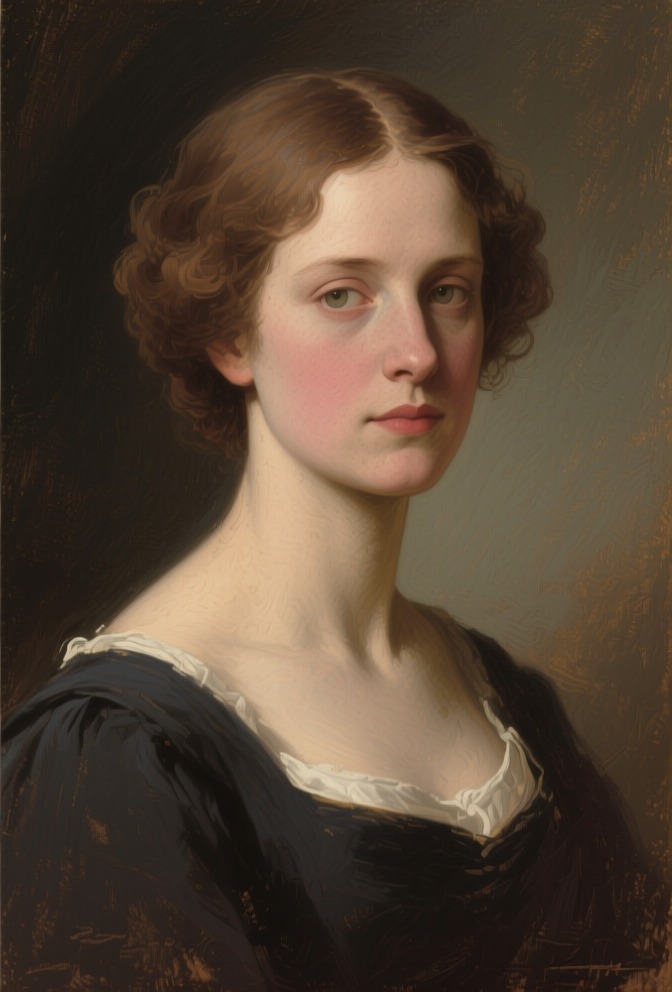
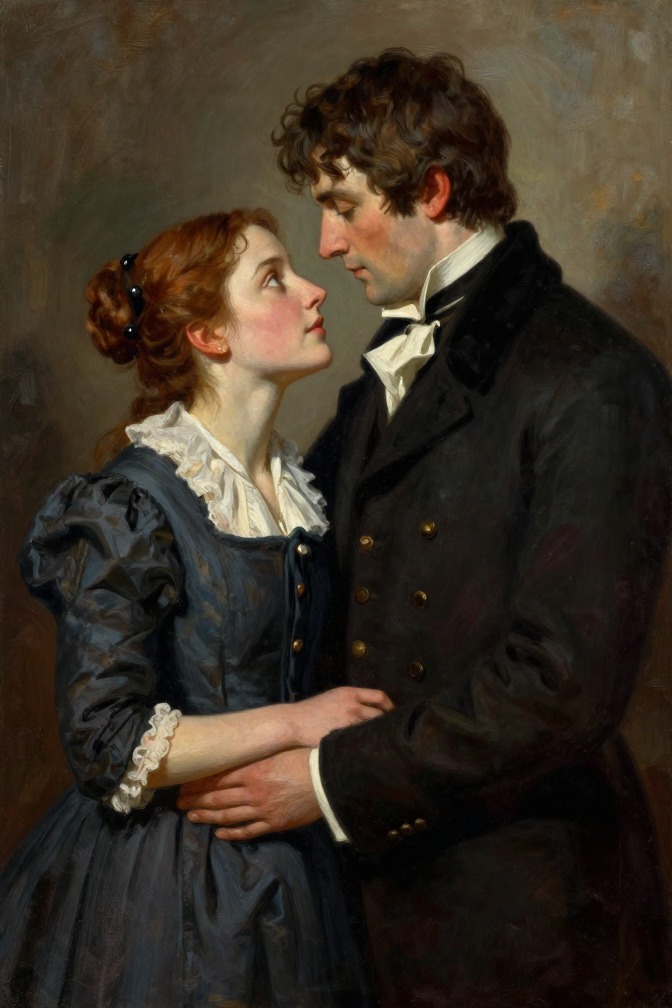
Heathcliff and Isabella Linton's marriage is a catastrophic union driven not by love but by Heathcliff's calculated revenge against Edgar Linton and the entire Linton family. The marriage, which begins with Isabella's infatuated elopement, quickly devolves into a nightmare of psychological and physical abuse, revealing Heathcliff's capacity for cruelty and Isabella's tragic naivety. It serves as a pivotal event that deepens the novel's central conflicts, isolates Isabella, and ultimately produces the frail Linton Heathcliff, who becomes another instrument in Heathcliff's ongoing scheme.
Mr. Earnshaw's adoption of Heathcliff is the foundational event of Wuthering Heights, introducing a dark, orphaned child into the Earnshaw family whose presence disrupts the existing bonds and sets in motion a cycle of favoritism, resentment, and ultimately, devastating revenge.
The relationship between Mr. Earnshaw and his son Hindley is a foundational conflict in Wuthering Heights, marked by the father's growing preference for the foundling Heathcliff, which breeds in Hindley a bitter resentment that warps his character and sets the cycle of revenge in motion.
Edgar Linton's rule of banishment of Heathcliff is a decisive act of domestic sovereignty that, after years of tolerated intrusion, finally expels Heathcliff from Thrushcross Grange and sets in motion the final, catastrophic phase of their rivalry. Issued in the wake of a violent confrontation and Catherine's open defiance, the decree is both a moral ultimatum and a practical failure, for it cannot prevent the deeper bond between Catherine and Heathcliff from shattering the household's peace.
Heathcliff's rule of permissiveness for Hareton is the deliberate policy of neglect and moral abandonment through which Heathcliff, after gaining control of Wuthering Heights, ensures that Hareton Earnshaw grows up illiterate, brutalized, and dependent—a calculated inversion of the care Heathcliff himself was denied as a child.
Heathcliff's rule of secrecy about the meetings is a calculated strategy he imposes on Catherine Linton to ensure her clandestine visits to Wuthering Heights remain hidden from her father, Edgar Linton, thereby enabling his scheme to force a marriage between her and his son, Linton Heathcliff.
Catherine Earnshaw's brain fever is the catastrophic physical and psychological collapse that follows her three-day self-imprisonment and starvation after a violent quarrel with Edgar Linton and Heathcliff, an illness that permanently alters her constitution, precipitates her death in childbirth, and becomes the originating trauma that shapes the next generation's fate at Wuthering Heights and Thrushcross Grange.
Briony Tallis, the precocious thirteen-year-old youngest daughter of the Tallis family, is a budding writer whose false accusation of rape against Robbie Turner, the housekeeper's son, sets in motion the central tragedy of the novel. Her act, born of a child's misunderstanding, a desire for order, and a need to be the heroine of her own story, destroys lives and becomes the lifelong burden she seeks to atone for through her writing.
Fiona is a fellow probationer nurse at St. Thomas's Hospital during Briony Tallis's training, serving as Briony's closest friend in the dormitory and ward. A loud, jolly, and physically robust young woman from Chelsea, she provides comic relief and emotional support amid the grueling regime of wartime nursing, but her presence also underscores Briony's isolation and the moral weight of her past.
The trap is the horse-drawn carriage used to transport Leon Tallis and Paul Marshall from the railway station to the Tallis house on the evening of the play's planned performance, and it later carries the twins' search parties into the grounds.
Jane accepts the schoolmistress position at Morton, a humble village school offered by St. John Rivers, choosing independence and moral integrity over a life of passion with Mr. Rochester.
Jane Eyre decides to advertise for a position as a governess, a pivotal act of self-determination that marks her transition from the cloistered life of Lowood Institution into the wider world and sets the entire second half of the novel in motion.
Jane Eyre saves Mr. Rochester from a fire in his bedroom at Thornfield Hall, an act that transforms their relationship from that of master and governess to one of profound mutual dependence and unspoken love.
Frederick Lynn is a minor character in Jane Eyre, a young, dashing gentleman who appears as a guest at the Thornfield Hall house party. He is the brother of Henry Lynn and the son of Sir George Lynn and Lady Lynn. Frederick is characterized by his lively, spirited demeanor and his active participation in the social entertainments of the party, including the charades and the visit to the gipsy fortune-teller. His presence contributes to the vibrant, bustling atmosphere that contrasts with Jane Eyre's quiet, observant role during the festivities.
Louisa Eshton is a minor character in Jane Eyre, one of the two daughters of Mr. and Mrs. Eshton, who appears during the house party at Thornfield Hall. She is depicted as a pretty, fair-haired young woman of the gentry class, whose role in the narrative is primarily to serve as part of the fashionable social circle that surrounds Blanche Ingram and Mr. Rochester, and to illustrate the superficiality and casual cruelty of the aristocratic society from which Jane Eyre is excluded.
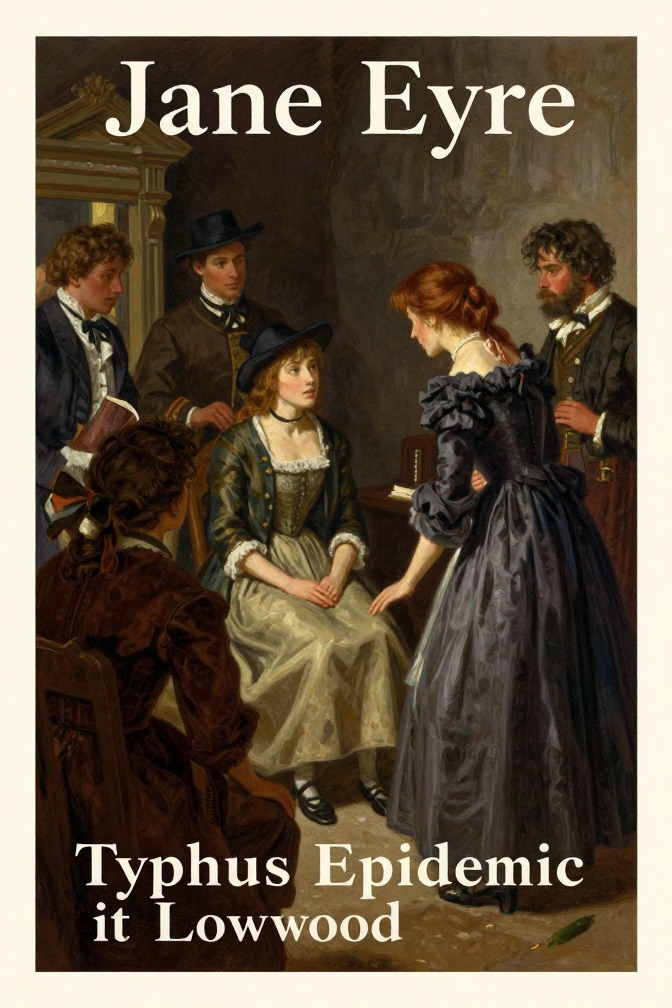
The typhus epidemic at Lowood Institution was a catastrophic outbreak of typhus fever in the spring of the year following Jane Eyre's arrival, which devastated the school, killed many pupils, and ultimately led to a public inquiry that forced fundamental reforms in the institution's management and conditions.
Helen Burns articulates a philosophy of Christian forbearance and forgiveness that stands in stark contrast to Jane Eyre's fiery sense of justice, shaping a central moral tension in the novel.
Vale Hall is the residence of Mr. Oliver, the wealthy proprietor of a needle-factory and iron-foundry in the Morton valley, and his beautiful daughter Rosamond Oliver. It represents the worldly prosperity and social rank that St. John Rivers renounces in favor of his missionary vocation, and its presence in the landscape of Morton serves as a constant reminder of the life of ease and affection he denies himself.
Bewick's History of British Birds is the book Jane Eyre reads in the window-seat at Gateshead Hall on the dreary November afternoon that opens the novel, and its engraved illustrations and introductory descriptions of desolate northern landscapes become the first sustained imaginative landscape of the book, shaping Jane's inner world of solitary reverie and foreshadowing the themes of isolation, endurance, and spiritual seeking that define her life.
The Letter from John Eyre is a crucial document in Jane Eyre that reveals the existence of Jane's paternal uncle, his desire to adopt her, and his intention to bequeath his fortune to her. Mrs. Reed's suppression of this letter for three years constitutes a major act of malice, directly depriving Jane of a loving family connection and financial independence during her most vulnerable years. The letter's eventual disclosure, after Mrs. Reed's deathbed confession, triggers Jane's inheritance and the discovery of her kinship with the Rivers family, fundamentally altering her social and economic position.
Grimsby Retreat is the private lunatic asylum from which Mr. Rochester hired Grace Poole to serve as the keeper of his mad wife, Bertha Mason, at Thornfield Hall. The institution is mentioned only in passing but plays a crucial structural role in the novel, providing the professional, discreet attendant who enables Rochester to conceal Bertha's existence and violent episodes for a decade. Its name surfaces at two key moments: when Rochester explains his arrangement to Jane and when the servants' gossip reveals that Grace Poole's son works there as a keeper, underscoring the system of paid secrecy that contains the novel's central Gothic secret.
The missionary society is the overarching evangelical organization that commissions and supports St. John Rivers's missionary work in India, representing the institutional framework behind his religious vocation and the global expansion of Christianity in the novel.
The -shire Herald is the regional newspaper in which Jane Eyre places her advertisement seeking a governess position, a decisive act of self-determination that leads her to Thornfield Hall and transforms her life.
Jane Eyre and John Eyre are uncle and niece, a blood relationship that remains unknown to Jane for most of her life. John Eyre, a wine merchant living in Madeira, attempts to contact Jane through Mrs. Reed, who conceals his letter and falsely reports Jane's death. Years later, John Eyre dies and leaves Jane a fortune of twenty thousand pounds, which transforms her from a destitute governess into an independent heiress and ultimately enables her to return to Mr. Rochester as his equal.
The relationship between Jane Eyre and John Reed is one of early childhood oppression and violent conflict, defined by John's physical and psychological bullying, Jane's eventual resistance, and the lasting consequences of his dissipated life and death.
The relationship between Jane Eyre and Mr. Brocklehurst is one of institutional oppression and personal humiliation, defined by his role as the harsh, hypocritical treasurer of Lowood Institution and her role as a defiant, principled pupil. Brocklehurst embodies a cold, self-righteous evangelicalism that uses religion to justify cruelty and deprivation, while Jane's encounters with him—from their first interview at Gateshead to his public denunciation of her at Lowood—crystallize her resistance to unjust authority and her commitment to inner truth over external reputation.