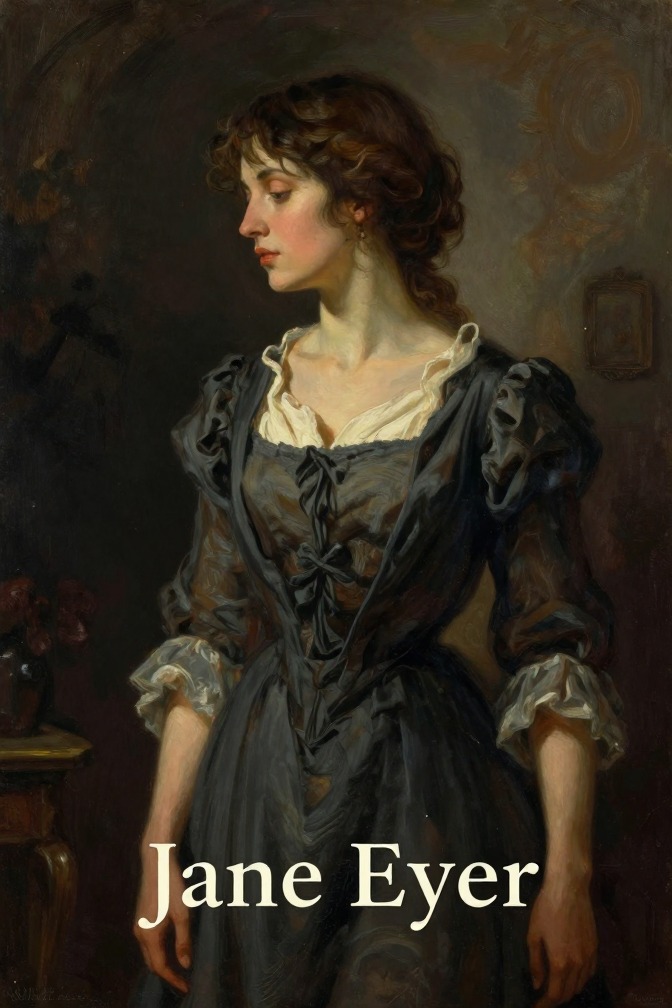
Jane Eyre and John Eyre are uncle and niece, a blood relationship that remains unknown to Jane for most of her life. John Eyre, a wine merchant living in Madeira, attempts to contact Jane through Mrs. Reed, who conceals his letter and falsely reports Jane's death. Years later, John Eyre dies and leaves Jane a fortune of twenty thousand pounds, which transforms her from a destitute governess into an independent heiress and ultimately enables her to return to Mr. Rochester as his equal.
The relationship between Jane Eyre and John Reed is one of early childhood oppression and violent conflict, defined by John's physical and psychological bullying, Jane's eventual resistance, and the lasting consequences of his dissipated life and death.
The relationship between Jane Eyre and Mr. Brocklehurst is one of institutional oppression and personal humiliation, defined by his role as the harsh, hypocritical treasurer of Lowood Institution and her role as a defiant, principled pupil. Brocklehurst embodies a cold, self-righteous evangelicalism that uses religion to justify cruelty and deprivation, while Jane's encounters with him—from their first interview at Gateshead to his public denunciation of her at Lowood—crystallize her resistance to unjust authority and her commitment to inner truth over external reputation.
The relationship between Jane Eyre and Mrs. Reed is one of the novel's foundational antagonisms, defined by Mrs. Reed's lifelong cruelty, Jane's childhood rebellion, and a final, unresolved confrontation that reveals the deep, unhealed wounds of their history.
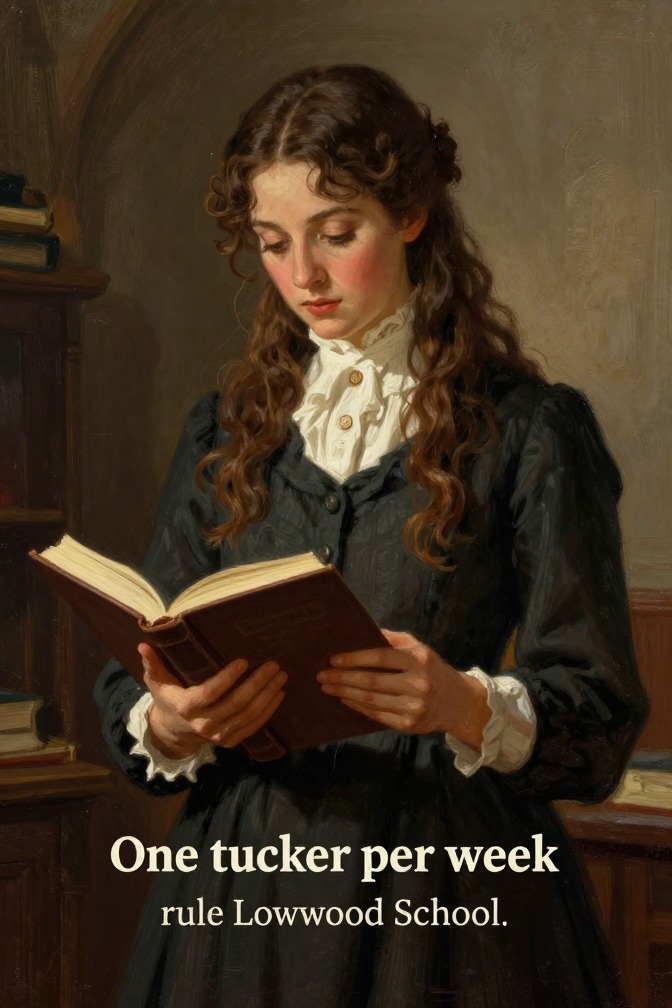
The One tucker per week rule at Lowood School was a regulation enforced by Mr. Brocklehurst that limited each pupil to a single clean tucker (a neckcloth or frill) per week, a policy he upheld with rigid economy even when exceptions were justified.
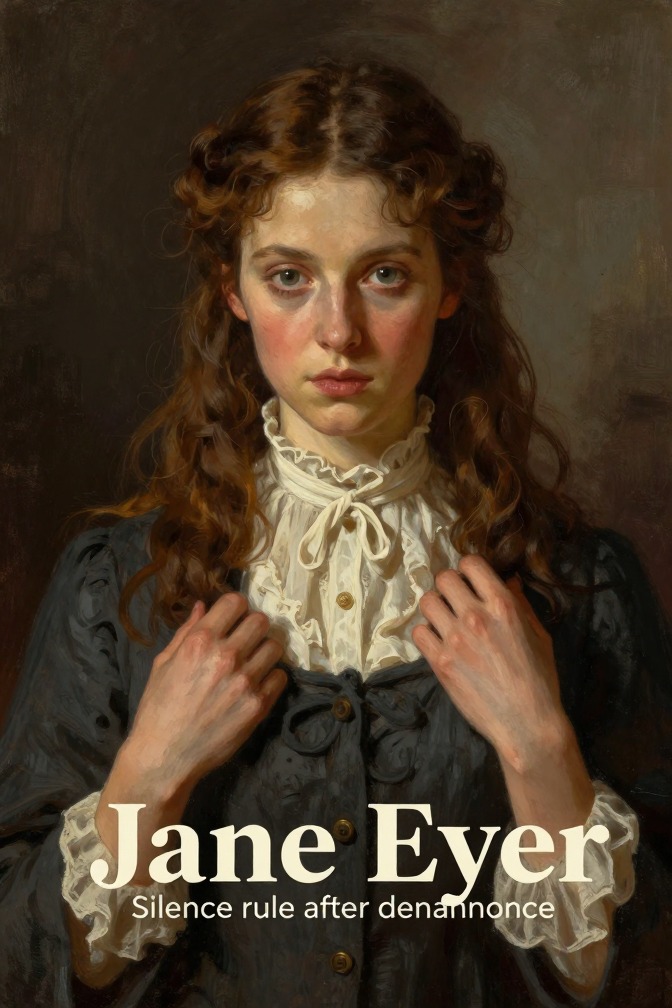
The silence rule after denunciation is a disciplinary measure imposed by Mr. Brocklehurst at Lowood Institution, which forbids any student from speaking to a publicly denounced pupil for the remainder of the day. Enforced after Jane Eyre is humiliated on a stool and branded a liar, the rule aims to isolate and shame the offender, but it paradoxically deepens Jane's bond with Helen Burns and underscores the school's oppressive moral regime.
Blindness is the physical condition that overtakes Edward Fairfax Rochester in the final movement of Jane Eyre, transforming him from a figure of formidable independence into a man radically dependent on others. The loss of sight—and of one hand—is the direct consequence of the fire at Thornfield Hall, a catastrophe that simultaneously destroys his ancestral home, kills his mad wife Bertha Mason, and leaves him maimed. Far from being merely a tragic endpoint, Rochester's blindness becomes the crucible in which his character is humbled, his marriage to Jane Eyre is made possible on terms of equality, and the novel's deepest themes of spiritual vision, mutual need, and redemptive suffering are brought to their resolution.
Independence is the central moral and practical goal of Jane Eyre's life, achieved through inheritance, self-employment, and principled refusal of subordination. It is the condition that allows her to marry Rochester as an equal.
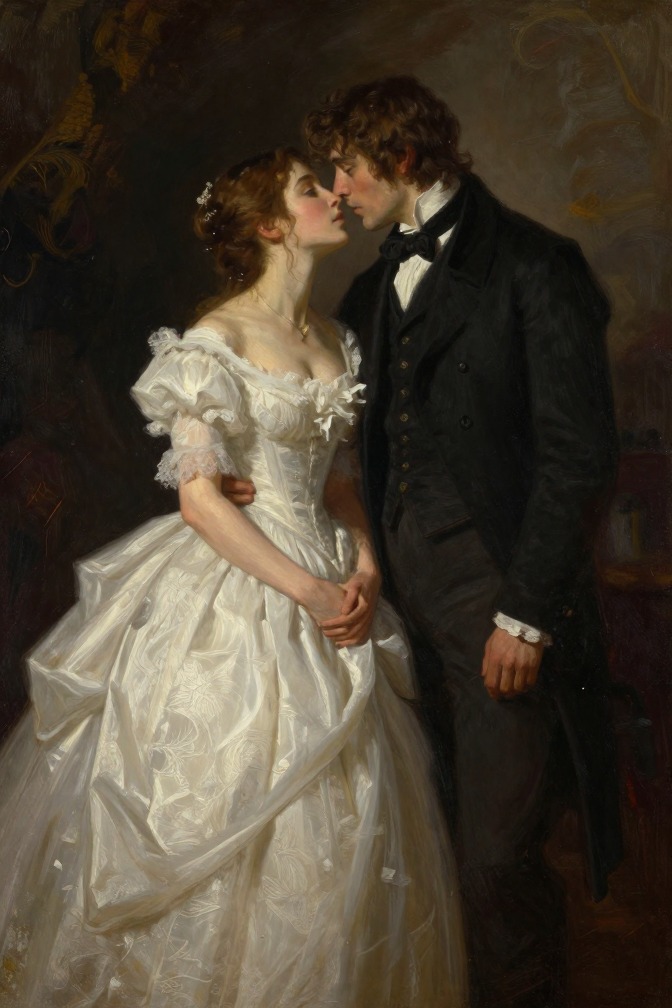
Marriage in *Jane Eyre* is the central institution through which the novel explores the conflict between love and moral integrity, the quest for equality, and the tension between personal desire and social or religious duty. The book presents marriage not as a simple romantic union but as a complex, often fraught, negotiation of power, conscience, and selfhood. From the abusive household of the Reeds to the tyrannical charity of Lowood, from the passionate but legally impossible offer of Rochester to the cold, principled proposal of St. John Rivers, each marriage or near-marriage in the novel tests Jane's core belief that a true union must be between equals, both in spirit and in social standing. The novel ultimately endorses a marriage that reconciles passionate love with moral law, achieved only after both partners have undergone suffering, transformation, and a mutual recognition of each other's full humanity.
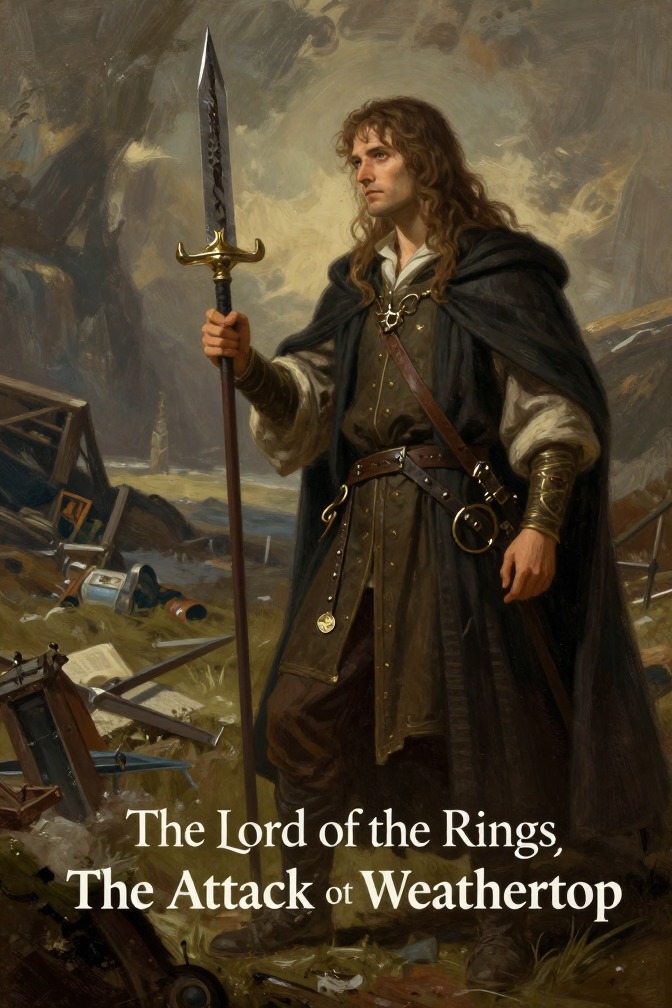
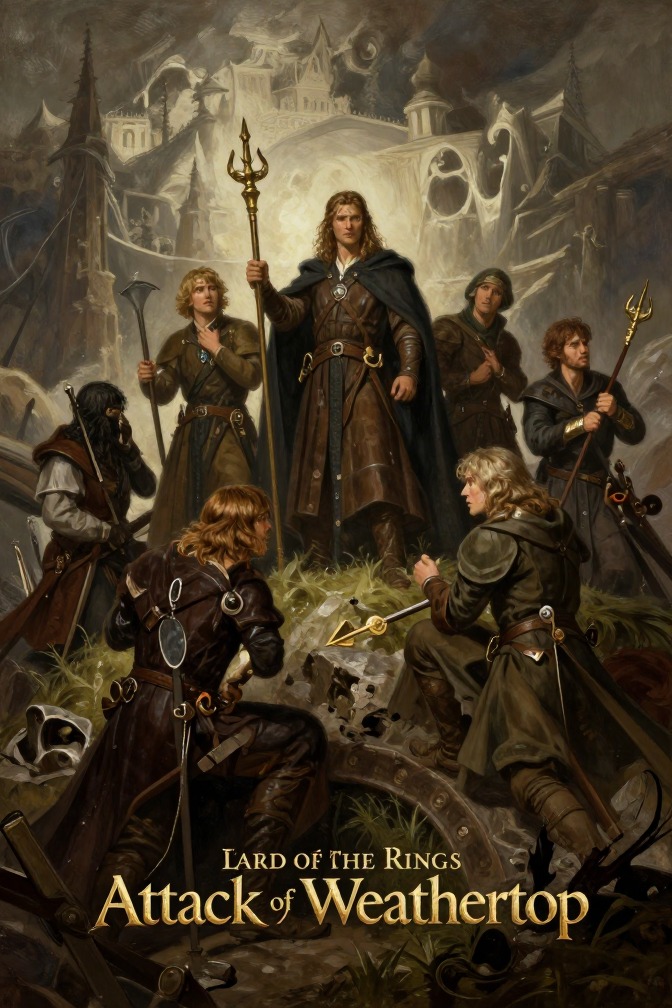
The Attack at Weathertop is the pivotal nocturnal battle in which Frodo Baggins, having yielded to the Ring's compulsion, is stabbed by the Witch-king of Angmar with a Morgul-knife, an act that nearly transforms him into a wraith and sets the desperate flight to Rivendell in motion.
Ioreth is a wise-woman and healer in the Houses of Healing of Minas Tirith, a minor but memorable character whose folk-wisdom and sharp tongue provide both comic relief and a crucial prophetic moment: her offhand remark that 'the hands of the king are the hands of a healer' becomes the public sign that Aragorn is the rightful king returned.
The Neekerbreekers are a species of large, cricket-like insects that inhabit the Midgewater Marshes, tormenting the Fellowship of the Ring during their journey from Bree to Weathertop. They are notable not for any direct physical threat, but for the relentless, maddening noise they produce, which contributes to the psychological strain and physical exhaustion of the travelers, marking the desolate and hostile nature of the wilderness beyond the Shire.
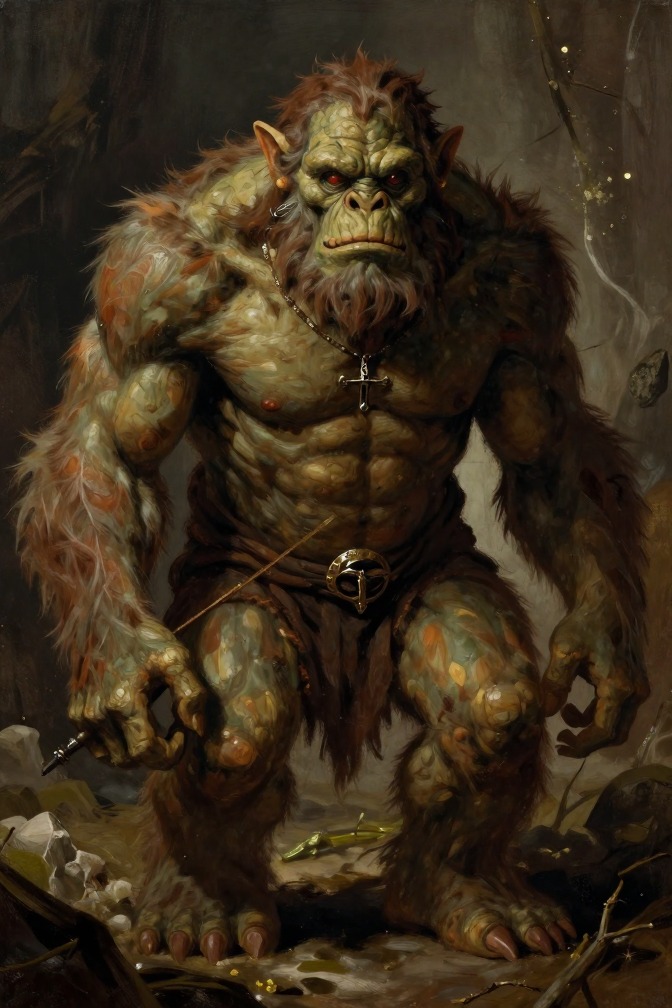
Trolls are a race of large, brutish, and generally dull-witted creatures in Middle-earth, often serving as foot soldiers or guards for the Dark Powers. In The Lord of the Rings, they appear in several distinct varieties: the common Stone-trolls, the more dangerous Cave-trolls, the Hill-trolls of Gorgoroth, and the specially bred Olog-hai, which are stronger, more cunning, and able to endure sunlight under Sauron's will. Trolls are typically hostile to the Free Peoples and are frequently encountered in the service of Sauron or Saruman, though they are also known to act independently. Their presence in the narrative underscores the pervasive threat of the Enemy and the scale of the forces arrayed against the heroes.
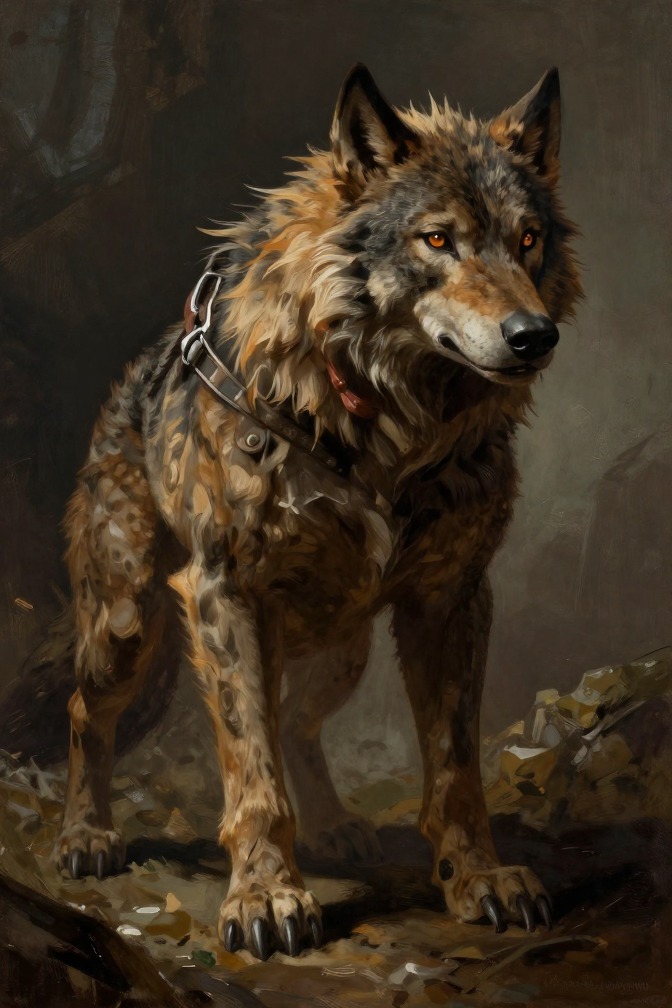
Wargs are a breed of large, intelligent wolves native to the Misty Mountains and the wilds of Middle-earth, often allied with Orcs and the forces of Sauron. They serve as mounts for Orc-riders and as savage hunting packs, capable of coordinated attacks and displaying a malevolent cunning that sets them apart from ordinary wolves. Their howling is a recurring omen of danger, and they are frequently encountered by the Fellowship during their journey, most notably in a fierce night battle after the failed attempt to cross Caradhras.
The Attack on Weathertop is the first direct physical confrontation between Frodo Baggins and the Nazgûl, occurring on the night of October 6, 3018. In this event, Frodo is stabbed by the Witch-king with a Morgul-knife, a wound that nearly transforms him into a wraith and sets the desperate race to Rivendell that defines the remainder of Book One.
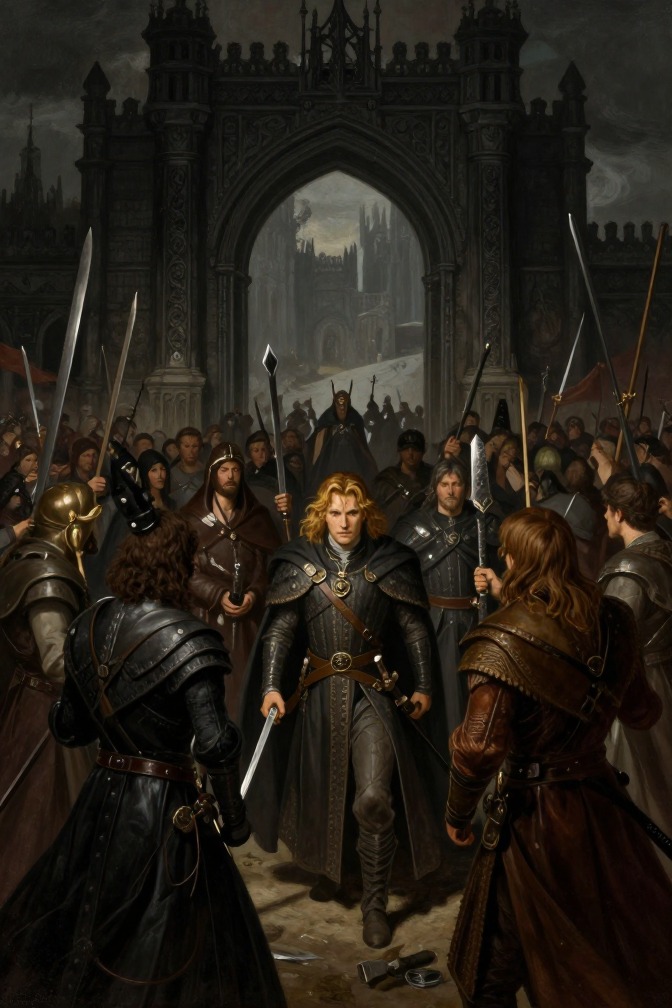
The Battle at the Black Gate, also known as the Battle of the Morannon, was the final military engagement of the War of the Ring, a desperate diversionary assault by the Captains of the West designed to draw Sauron's attention away from Frodo Baggins and Samwise Gamgee as they approached Mount Doom. The battle culminated in the destruction of the One Ring, the collapse of Barad-dûr, and the utter ruin of Sauron's forces, marking the definitive end of the Third Age.
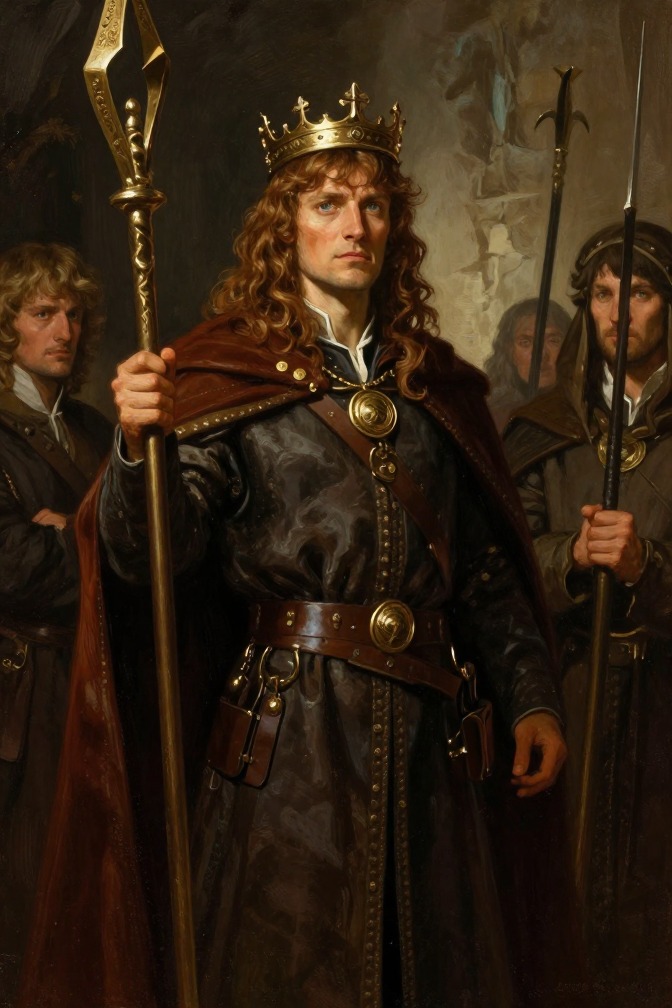
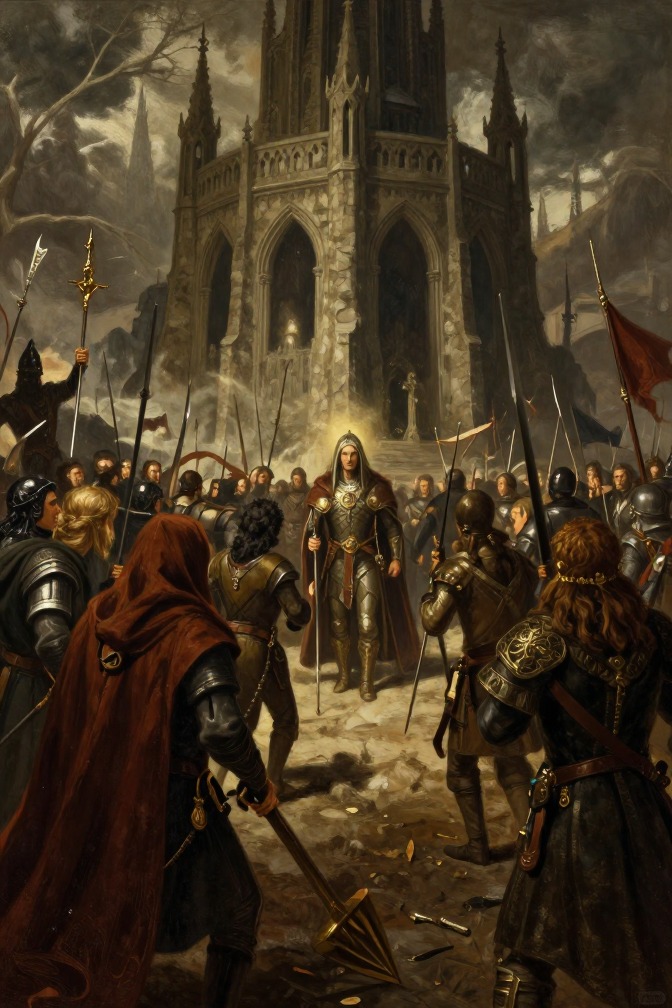
The Crowning of Aragorn, also known as the Coronation of King Elessar, is the formal ceremony in which Aragorn son of Arathorn is crowned King of Gondor and Arnor, restoring the ancient line of the Kings of Men after centuries of rule by the Stewards. This event marks the definitive end of the War of the Ring and the beginning of the Fourth Age, transforming the political and spiritual order of Middle-earth.
Saruman, the fallen Wizard, meets his end at Bag End in the Shire, stabbed by his own servant Gríma Wormtongue after a final confrontation with the hobbits, his spirit dissolving into a grey mist that is blown away by a cold wind from the West.
Gandalf's confrontation with the Balrog on the Bridge of Khazad-dûm is the climactic crisis of the Moria sequence and a decisive turning point in the War of the Ring: the wizard sacrifices himself to save the Company, falls into the abyss, and is reborn as Gandalf the White, a transformation that reshapes the entire quest.
The Siege of Minas Tirith is the climactic military engagement of the War of the Ring, in which the forces of Mordor, led by the Witch-king of Angmar, assault the capital of Gondor while the city's defenders, aided by Gandalf and the Prince of Dol Amroth, hold out until the arrival of the Rohirrim and Aragorn's fleet from the South turns the tide into the Battle of the Pelennor Fields.
The Taming of Sméagol is the pivotal event in Book Four, Chapter 1 of The Lord of the Rings, in which Frodo Baggins and Samwise Gamgee, lost in the Emyn Muil, capture the wretched creature Gollum. Instead of killing him, Frodo shows mercy, binds Gollum by a promise sworn on the Ring itself, and compels him to serve as their guide into Mordor. This act of pity, echoing Bilbo's earlier choice, transforms the dynamic of the Quest: Gollum becomes a treacherous yet indispensable companion, and the moral and psychological stakes of the journey are permanently altered.
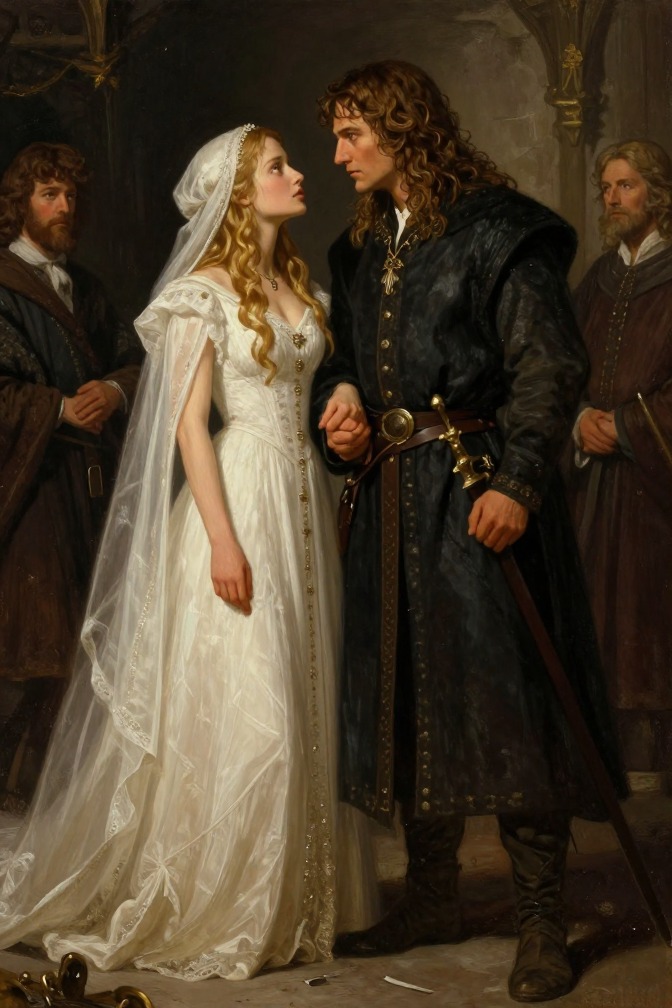
The Wedding of Aragorn and Arwen, also called the Marriage of Elessar and Evenstar, is the climactic union of the two great kindreds of Middle-earth, celebrated in Minas Tirith on Midsummer's Day after the War of the Ring. It fulfills the long-deferred love between the Heir of Isildur and the daughter of Elrond, and it seals the renewal of the Kingship of Gondor and Arnor with a bond that joins the lineage of the Eldar to the Dominion of Men.
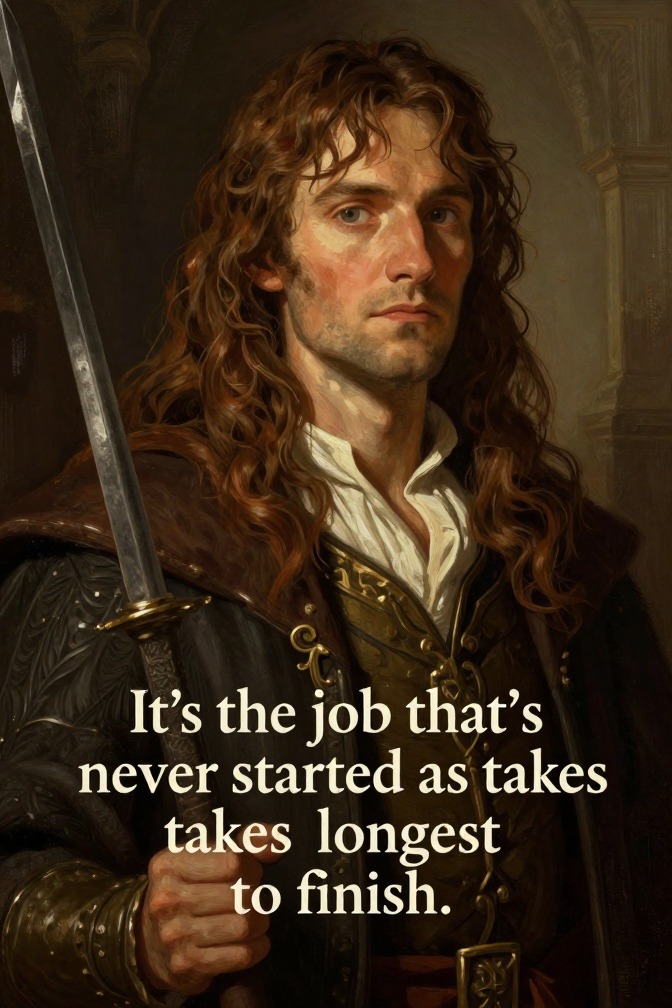
A Shire proverb spoken by Samwise Gamgee in The Lord of the Rings, this expression encapsulates the hobbit's practical philosophy of action and endurance. It appears at a moment of profound weariness and despair, when Sam is contemplating the immense task ahead of him and his master, Frodo. The saying, attributed to his father, the Gaffer, serves as a quiet, homespun counterweight to the epic scale of the quest, asserting that the mere act of beginning is the most difficult and crucial step. It becomes a touchstone of Sam's character, reflecting his resilience, his grounding in the simple wisdom of his homeland, and his unwavering commitment to see the journey through to its end.
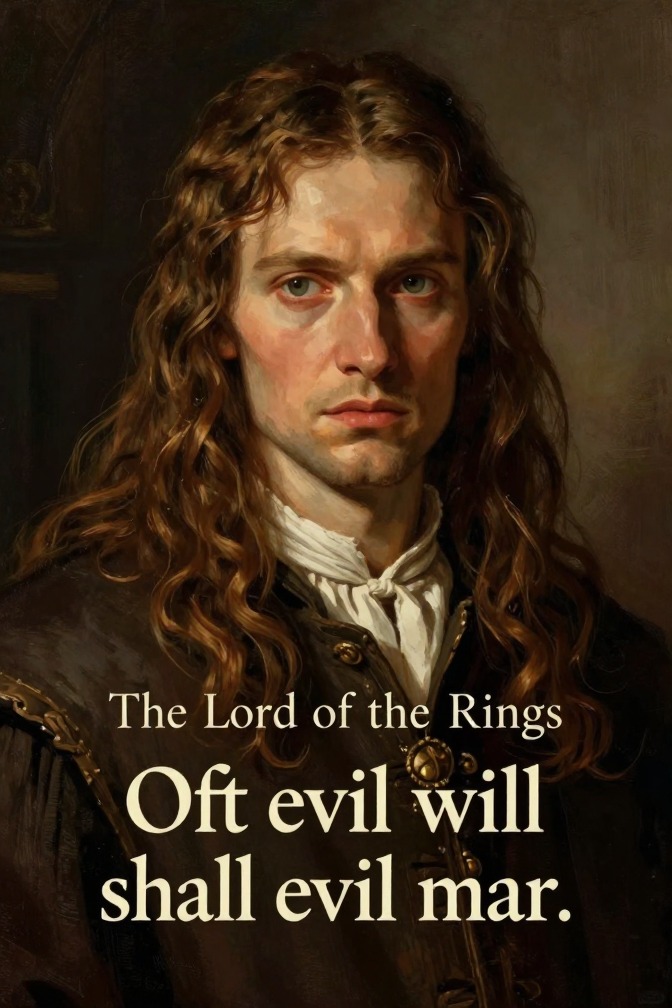
Oft evil will shall evil mar is a proverbial saying in J.R.R. Tolkien's The Lord of the Rings, spoken by King Théoden of Rohan after the destruction of Isengard. The phrase encapsulates a central theme of the work: that the malice and treachery of evil forces, such as Sauron and Saruman, ultimately lead to their own downfall. It is a statement of moral and narrative justice, suggesting that evil is self-defeating and that its schemes will inevitably turn against it.
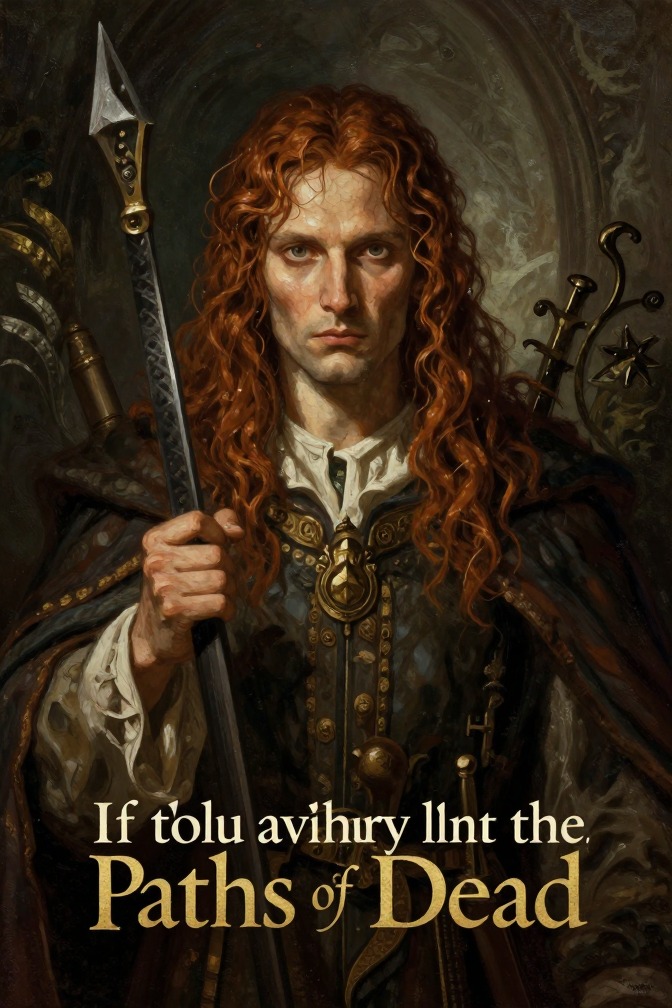
Elrond's son Elrohir delivers this urgent message to Aragorn as the Grey Company rides south, crystallizing the moment when Aragorn must choose the Paths of the Dead—the only route that can bring him to Gondor's aid in time. The line functions as a compressed prophecy and a tactical command, linking Aragorn's long-delayed kingship to the ancient curse of the Oathbreakers.
Bag End, the hobbit-hole residence of Bilbo and later Frodo Baggins in Hobbiton, is the emotional and narrative heart of the Shire, serving as the point of departure for the quest and the symbol of the simple, peaceful life that the War of the Ring ultimately saves and restores.
The Ford of Bruinen, also called the Ford of Rivendell, is the crucial crossing of the Loudwater River where the Ring-bearer Frodo Baggins was rescued from the Nine Ringwraiths by a magical flood, marking the end of the first phase of the Quest and the beginning of his healing in Rivendell.
Rivendell, the Last Homely House east of the Sea, is the hidden Elven refuge founded by Elrond Halfelven in the deep valley of Imladris. It serves as the narrative and spiritual heart of the first half of The Lord of the Rings: the place where the hobbits are healed after their flight from the Black Riders, where the Council of Elrond decides the fate of the One Ring, and where the Fellowship of the Ring is formed and departs on its quest. More than a mere waystation, Rivendell is a sanctuary of ancient lore, healing, and timeless beauty, standing as the last bastion of High-elven wisdom in Middle-earth before the War of the Ring sweeps everything away.
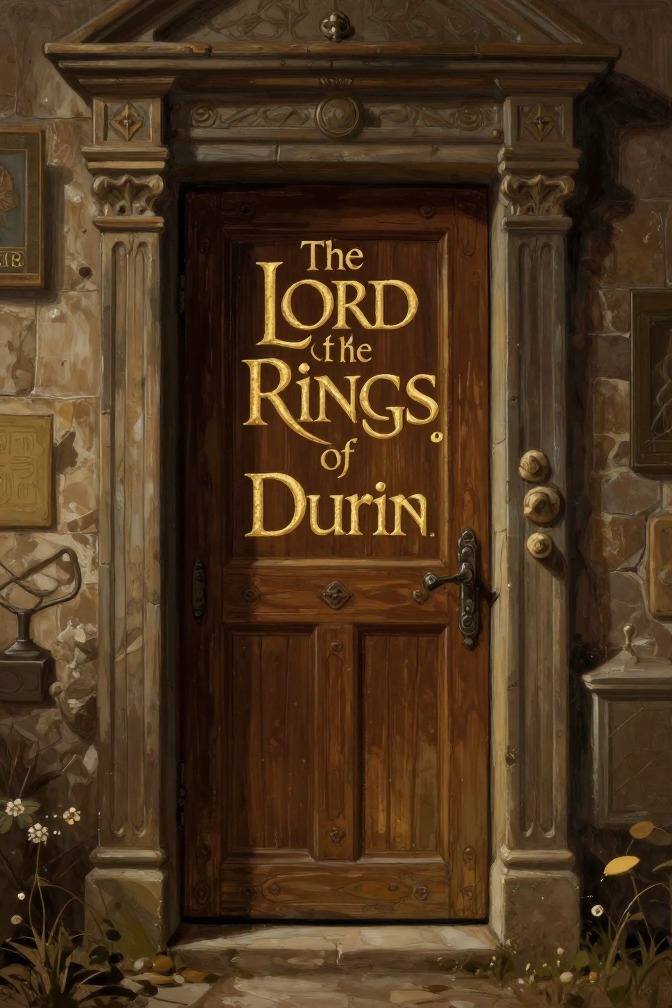
The Doors of Durin, the West-gate of Moria, are an Elvish-made portal inscribed with the command "Speak, friend, and enter." They are wrought of ithildin, a metal that mirrors only starlight and moonlight and remains invisible until touched by the correct spell. Gandalf's eventual solution—speaking the Elvish word for "friend"—reveals that the riddle was absurdly simple, a relic of a more trusting age, and his failure to see it at first underscores the suspicion that has come to define the later years of the Third Age.
Miruvor is a potent cordial of the Elves of Rivendell, a warming and restorative draught that Elrond gave to Gandalf as a parting gift for the Company of the Ring. It appears at three critical moments of extreme physical exhaustion and cold: during the blizzard on Caradhras, after the escape from Moria, and as a general restorative. Its function is not magical in the sense of spell-casting, but it provides immediate strength, warmth, and clarity of mind, enabling the travellers to continue when their bodies would otherwise fail. It is a rare and precious substance, used sparingly and only in direst need.