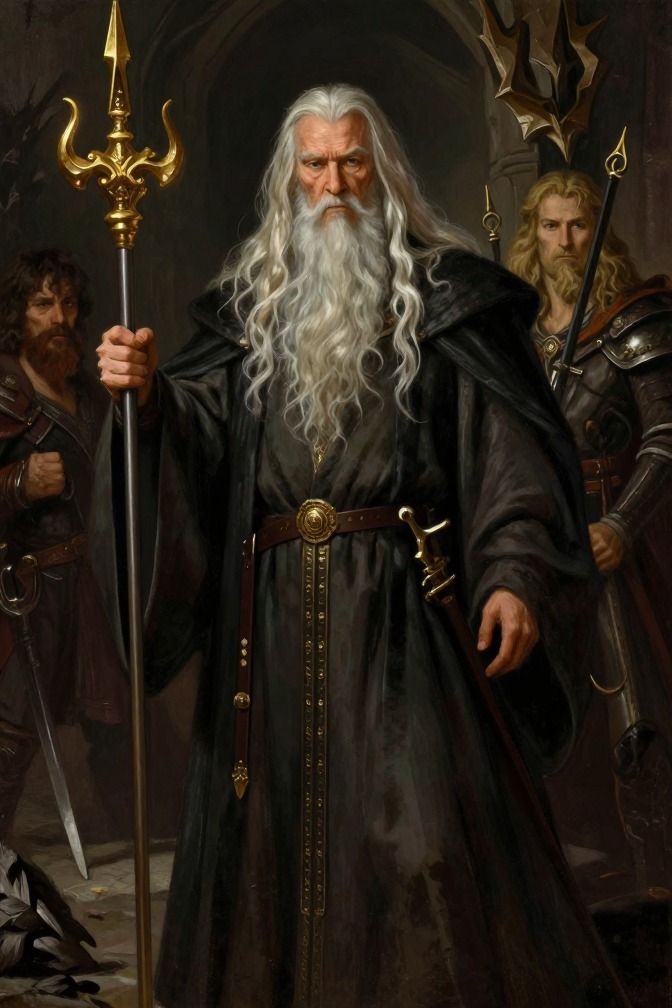
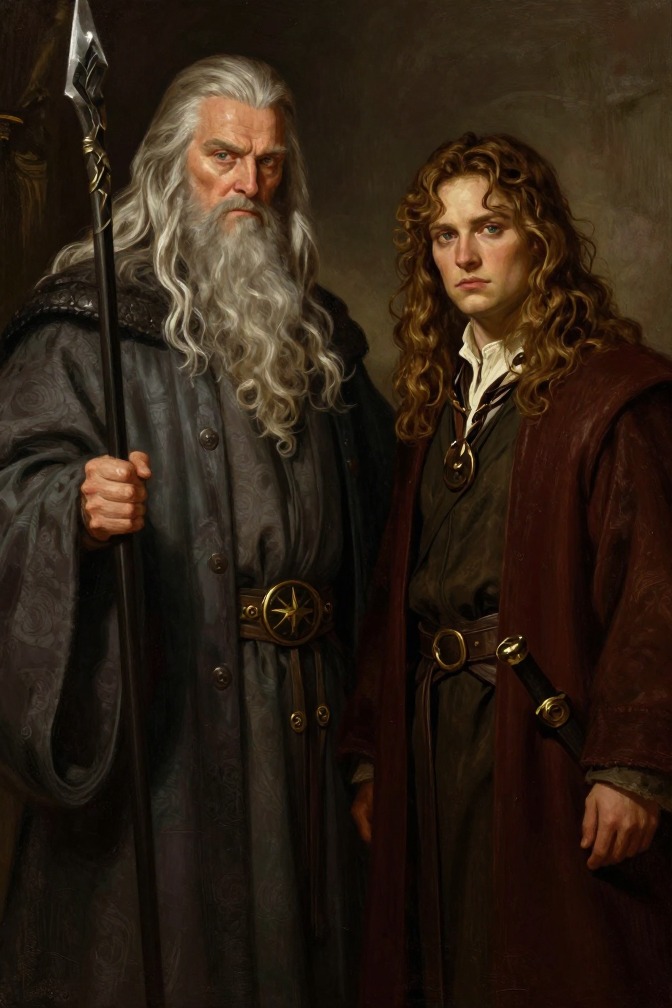
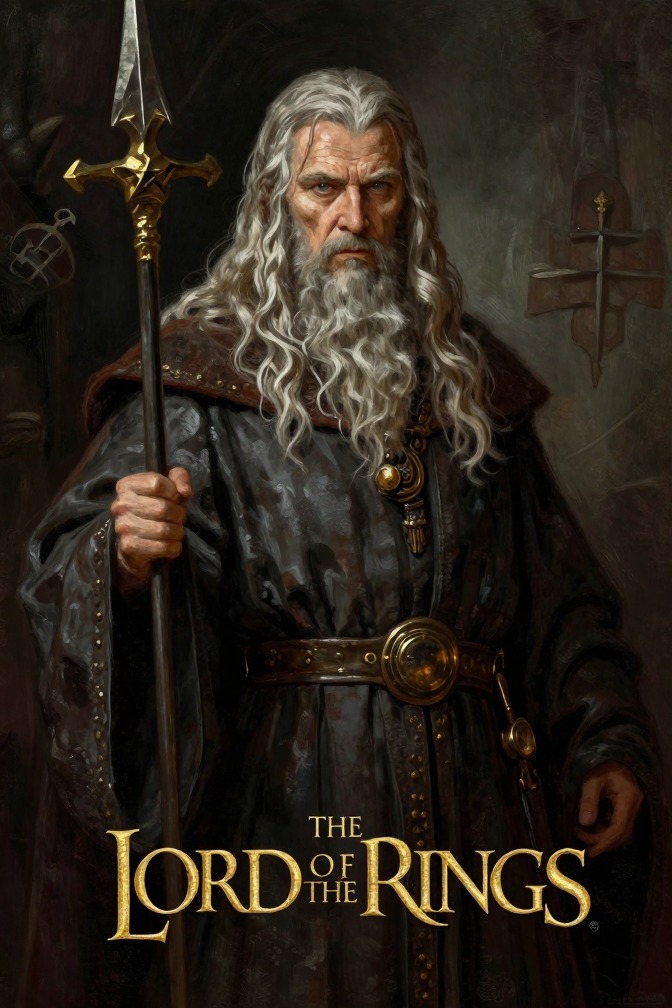
Gandalf's confrontation with the Balrog on the Bridge of Khazad-dûm is the climactic crisis of the Moria sequence and a decisive turning point in the War of the Ring: the wizard sacrifices himself to save the Company, falls into the abyss, and is reborn as Gandalf the White, a transformation that reshapes the entire quest.
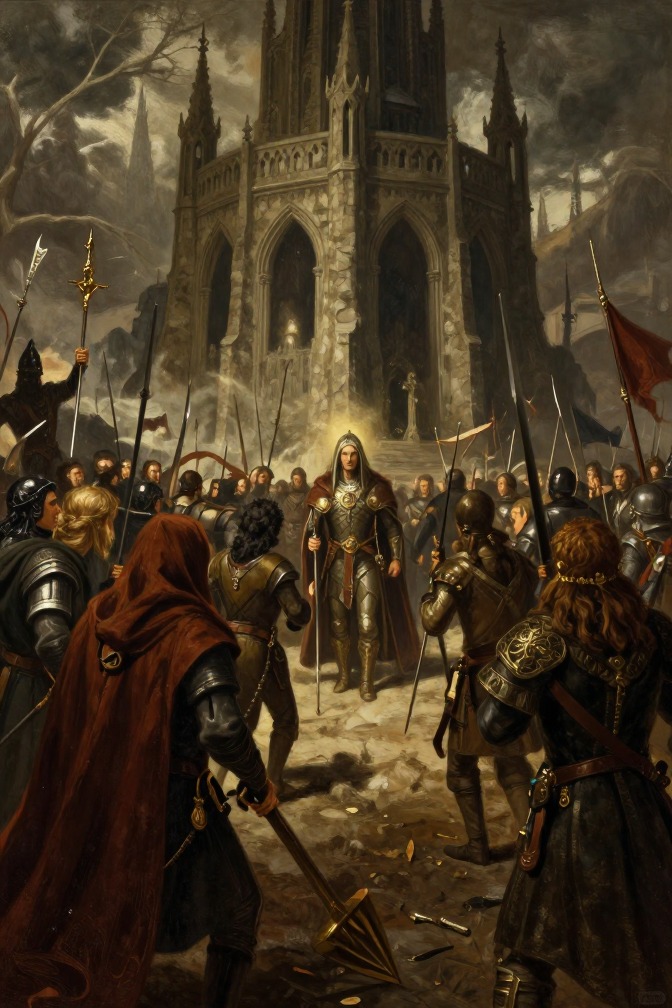
The Siege of Minas Tirith is the climactic military engagement of the War of the Ring, in which the forces of Mordor, led by the Witch-king of Angmar, assault the capital of Gondor while the city's defenders, aided by Gandalf and the Prince of Dol Amroth, hold out until the arrival of the Rohirrim and Aragorn's fleet from the South turns the tide into the Battle of the Pelennor Fields.
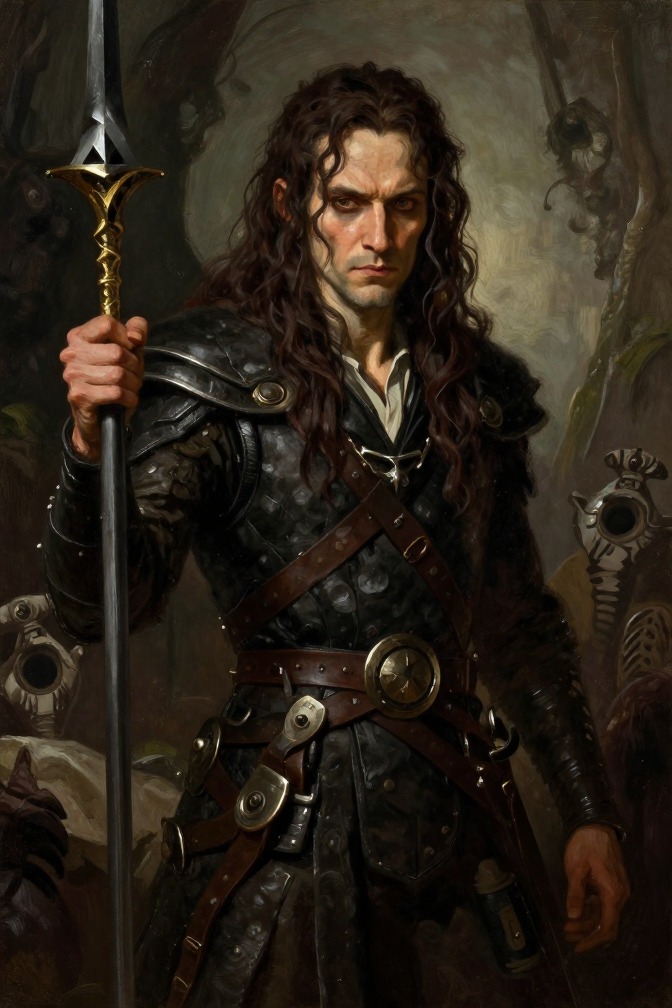
The Taming of Sméagol is the pivotal event in Book Four, Chapter 1 of The Lord of the Rings, in which Frodo Baggins and Samwise Gamgee, lost in the Emyn Muil, capture the wretched creature Gollum. Instead of killing him, Frodo shows mercy, binds Gollum by a promise sworn on the Ring itself, and compels him to serve as their guide into Mordor. This act of pity, echoing Bilbo's earlier choice, transforms the dynamic of the Quest: Gollum becomes a treacherous yet indispensable companion, and the moral and psychological stakes of the journey are permanently altered.
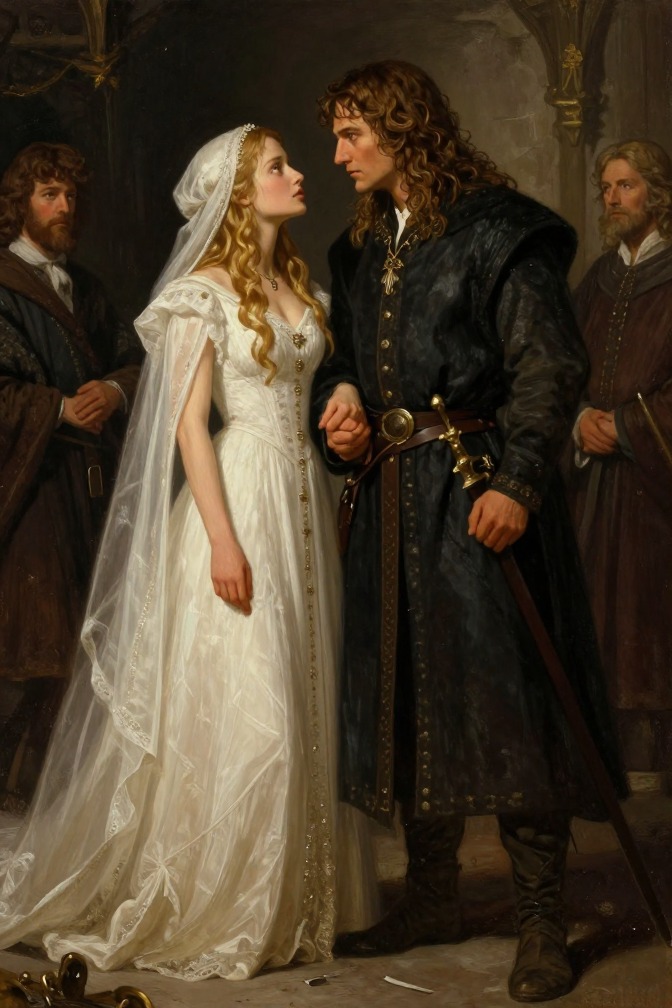
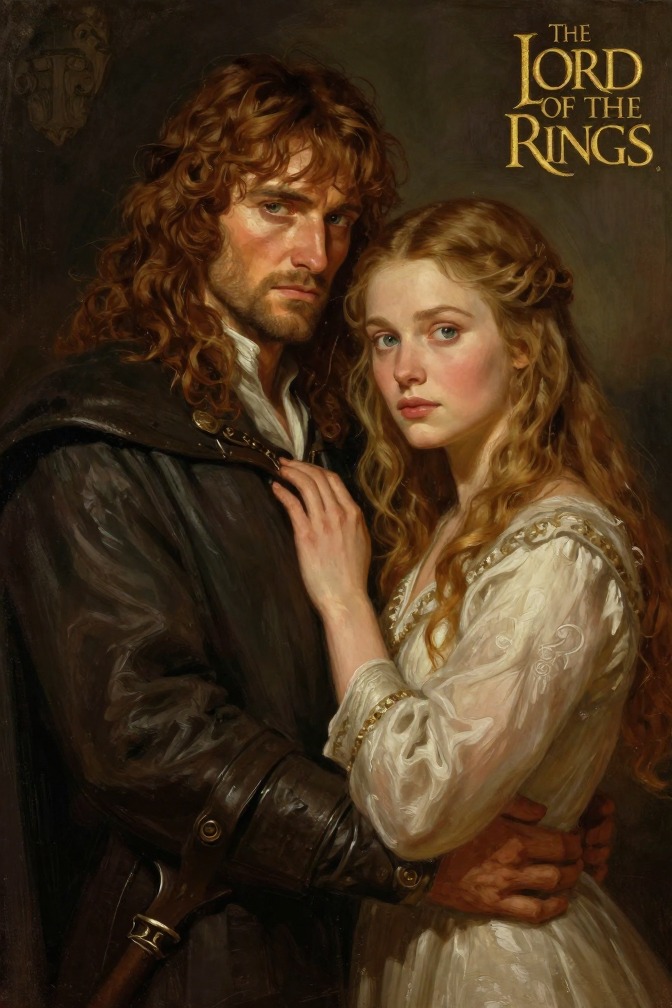
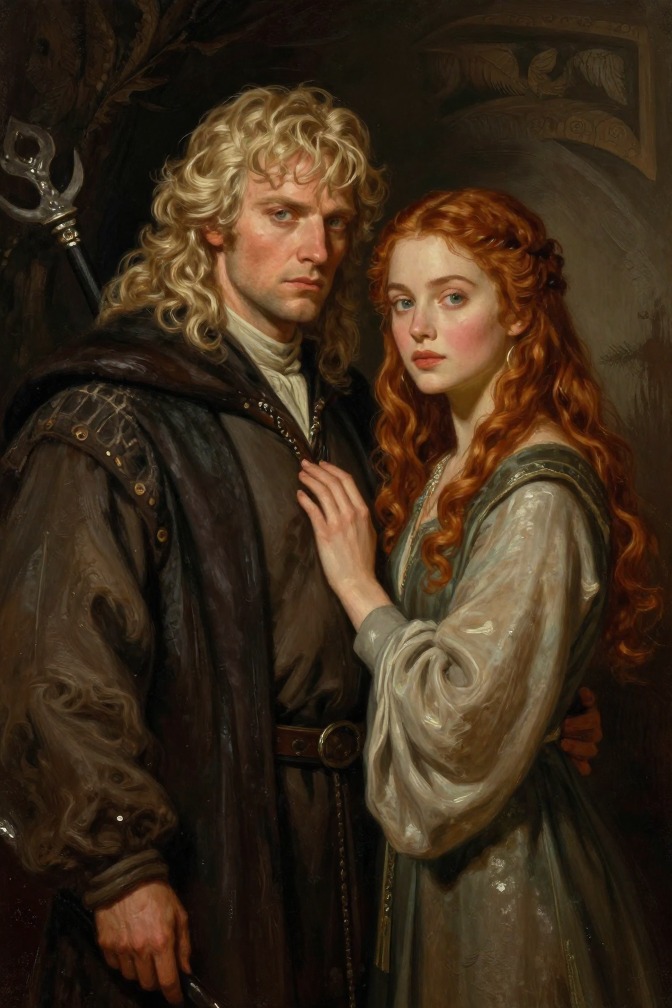
The Wedding of Aragorn and Arwen, also called the Marriage of Elessar and Evenstar, is the climactic union of the two great kindreds of Middle-earth, celebrated in Minas Tirith on Midsummer's Day after the War of the Ring. It fulfills the long-deferred love between the Heir of Isildur and the daughter of Elrond, and it seals the renewal of the Kingship of Gondor and Arnor with a bond that joins the lineage of the Eldar to the Dominion of Men.
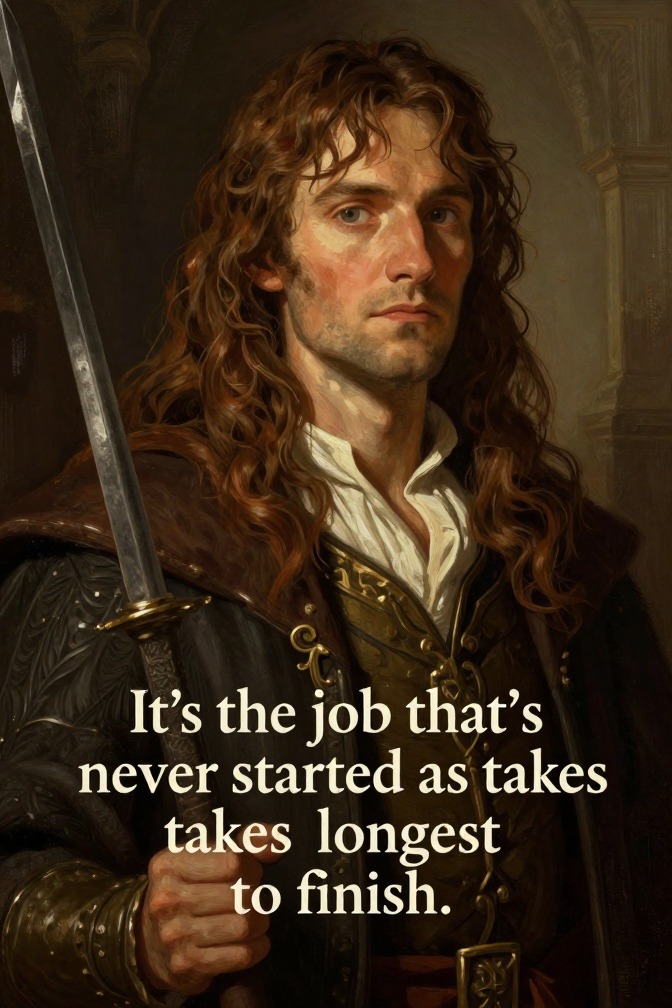
A Shire proverb spoken by Samwise Gamgee in The Lord of the Rings, this expression encapsulates the hobbit's practical philosophy of action and endurance. It appears at a moment of profound weariness and despair, when Sam is contemplating the immense task ahead of him and his master, Frodo. The saying, attributed to his father, the Gaffer, serves as a quiet, homespun counterweight to the epic scale of the quest, asserting that the mere act of beginning is the most difficult and crucial step. It becomes a touchstone of Sam's character, reflecting his resilience, his grounding in the simple wisdom of his homeland, and his unwavering commitment to see the journey through to its end.
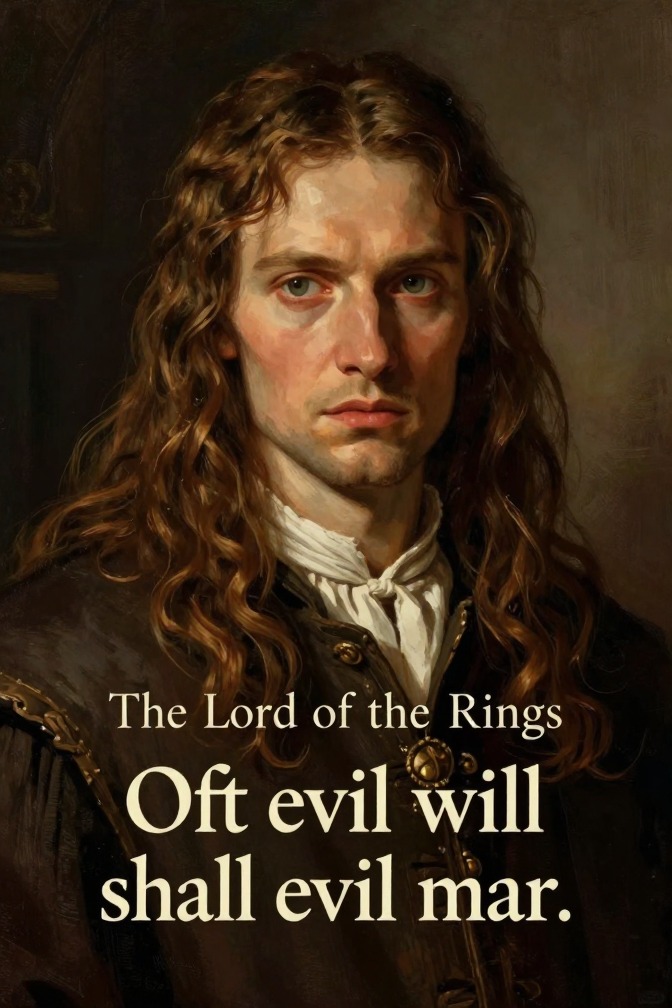
Oft evil will shall evil mar is a proverbial saying in J.R.R. Tolkien's The Lord of the Rings, spoken by King Théoden of Rohan after the destruction of Isengard. The phrase encapsulates a central theme of the work: that the malice and treachery of evil forces, such as Sauron and Saruman, ultimately lead to their own downfall. It is a statement of moral and narrative justice, suggesting that evil is self-defeating and that its schemes will inevitably turn against it.
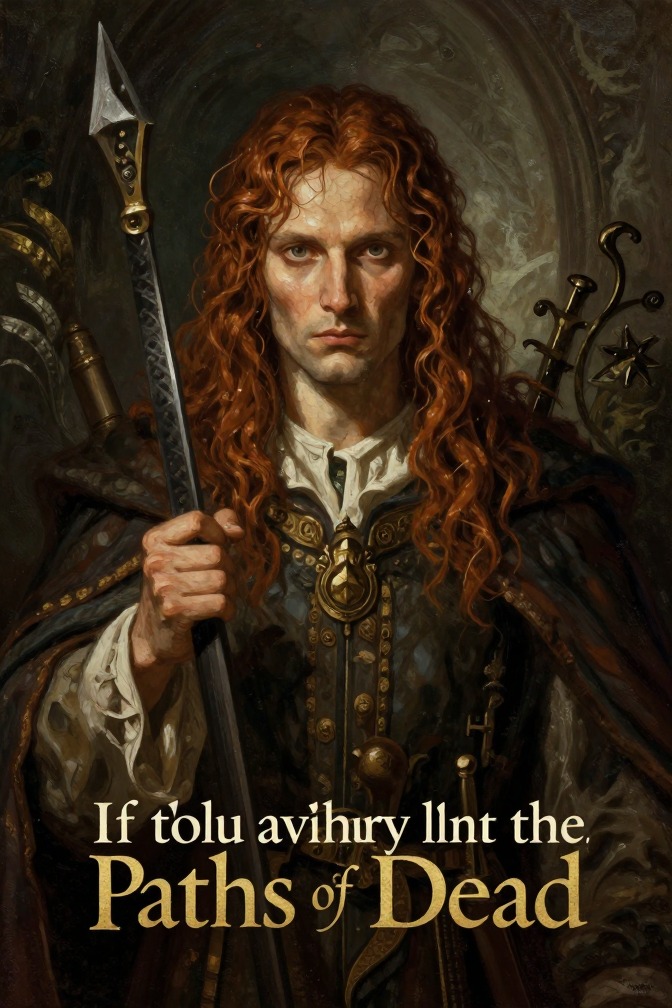
Elrond's son Elrohir delivers this urgent message to Aragorn as the Grey Company rides south, crystallizing the moment when Aragorn must choose the Paths of the Dead—the only route that can bring him to Gondor's aid in time. The line functions as a compressed prophecy and a tactical command, linking Aragorn's long-delayed kingship to the ancient curse of the Oathbreakers.
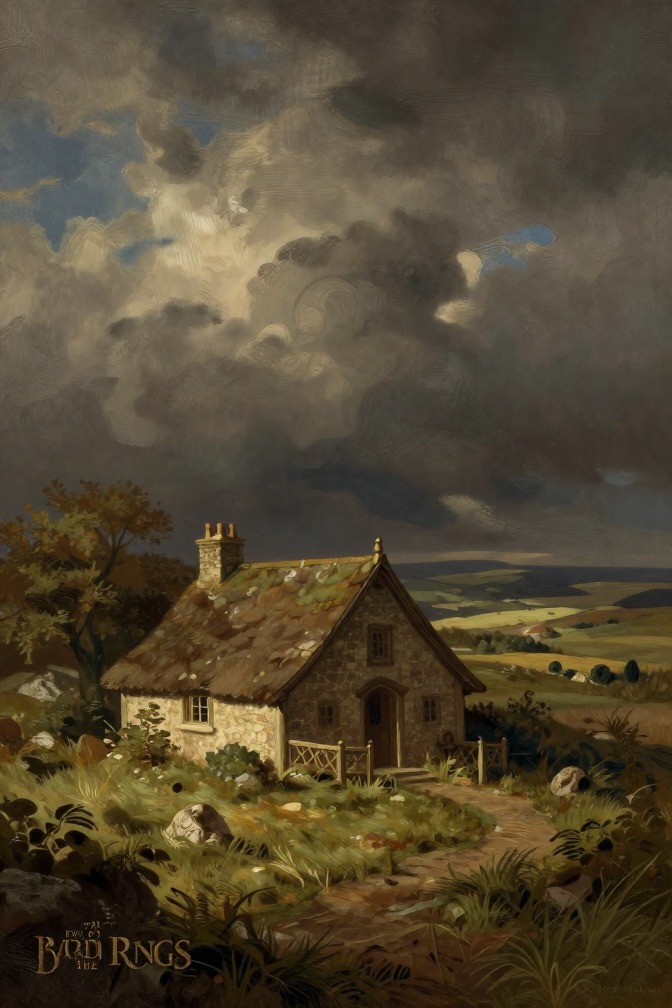
Bag End, the hobbit-hole residence of Bilbo and later Frodo Baggins in Hobbiton, is the emotional and narrative heart of the Shire, serving as the point of departure for the quest and the symbol of the simple, peaceful life that the War of the Ring ultimately saves and restores.
The Ford of Bruinen, also called the Ford of Rivendell, is the crucial crossing of the Loudwater River where the Ring-bearer Frodo Baggins was rescued from the Nine Ringwraiths by a magical flood, marking the end of the first phase of the Quest and the beginning of his healing in Rivendell.
Rivendell, the Last Homely House east of the Sea, is the hidden Elven refuge founded by Elrond Halfelven in the deep valley of Imladris. It serves as the narrative and spiritual heart of the first half of The Lord of the Rings: the place where the hobbits are healed after their flight from the Black Riders, where the Council of Elrond decides the fate of the One Ring, and where the Fellowship of the Ring is formed and departs on its quest. More than a mere waystation, Rivendell is a sanctuary of ancient lore, healing, and timeless beauty, standing as the last bastion of High-elven wisdom in Middle-earth before the War of the Ring sweeps everything away.
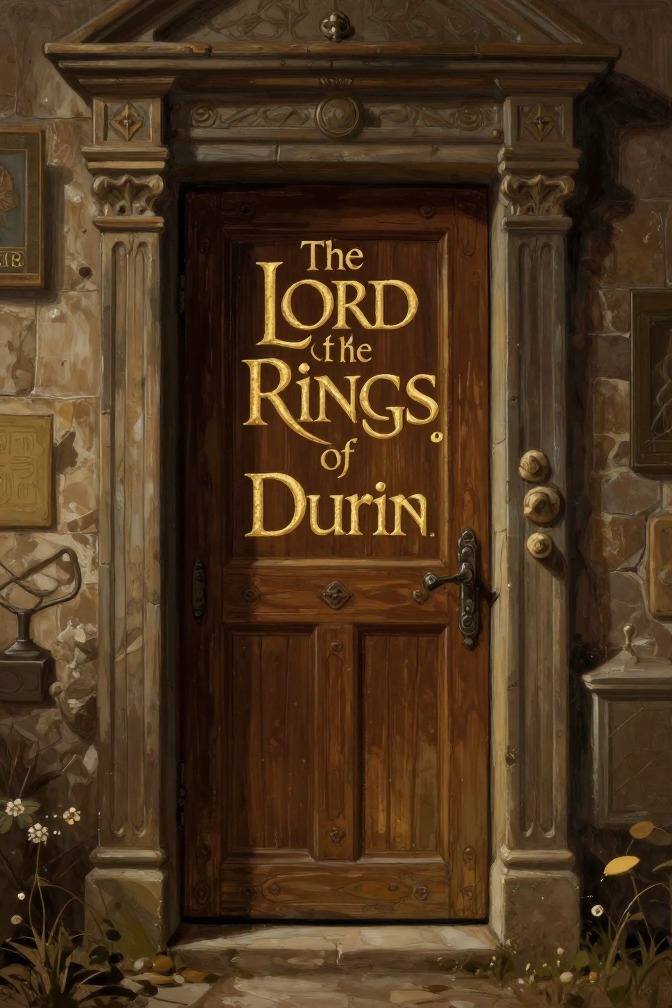
The Doors of Durin, the West-gate of Moria, are an Elvish-made portal inscribed with the command "Speak, friend, and enter." They are wrought of ithildin, a metal that mirrors only starlight and moonlight and remains invisible until touched by the correct spell. Gandalf's eventual solution—speaking the Elvish word for "friend"—reveals that the riddle was absurdly simple, a relic of a more trusting age, and his failure to see it at first underscores the suspicion that has come to define the later years of the Third Age.
Miruvor is a potent cordial of the Elves of Rivendell, a warming and restorative draught that Elrond gave to Gandalf as a parting gift for the Company of the Ring. It appears at three critical moments of extreme physical exhaustion and cold: during the blizzard on Caradhras, after the escape from Moria, and as a general restorative. Its function is not magical in the sense of spell-casting, but it provides immediate strength, warmth, and clarity of mind, enabling the travellers to continue when their bodies would otherwise fail. It is a rare and precious substance, used sparingly and only in direst need.
The Palantíri, also called the Seeing Stones or the Seven Stones, are ancient indestructible spheres of crystal that enable far-seeing and telepathic communication across vast distances. Crafted by the Noldor in Valinor, they were brought to Middle-earth by the Númenóreans and used by the Kings of Gondor and Arnor to guard and unite their realms. In the War of the Ring, the Stones become instruments of deception and doom: Saruman is ensnared by the Ithil-stone, Denethor is driven to despair by the Anor-stone, and Pippin’s reckless use of the Orthanc-stone nearly betrays the Fellowship to Sauron. Aragorn alone masters a Stone, using it to challenge the Dark Lord and reveal his own claim to the throne, turning a perilous device into a tool of hope.
The Phial of Galadriel is a small crystal vessel containing the light of Eärendil's star, given by Galadriel to Frodo Baggins as a parting gift in Lothlórien. It serves as a light in dark places, a weapon against the forces of evil, and a tangible link to the hope and beauty of the Elves, playing a crucial role in Frodo and Sam's journey through Mordor.
The Ents, also called Onodrim or Shepherds of the Trees, are an ancient race of tree-herds in Middle-earth, the oldest living beings still walking the earth in the Third Age. They are the guardians of Fangorn Forest, slow to anger but capable of immense destructive power when roused, and their awakening and march against Saruman's Isengard marks a decisive turning point in the War of the Ring.
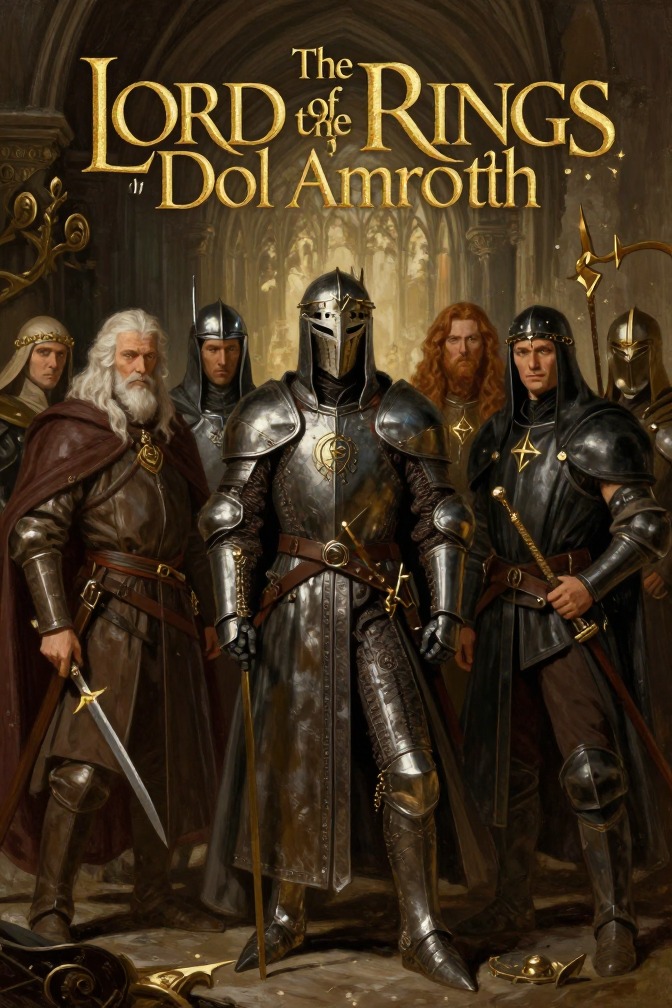
The Knights of Dol Amroth, also called the Swan-knights, were the elite mounted warriors of Prince Imrahil of Dol Amroth in Gondor. They were renowned for their valour, noble bearing, and the emblem of the Ship and the Silver Swan, and they played a decisive role in the Battle of the Pelennor Fields, where their charge saved Faramir and helped turn the tide against the forces of Mordor.
Aragorn and Arwen's love story is a central romance of The Lord of the Rings, a union between a mortal Man, the heir of Isildur, and an immortal Elf-maiden, the daughter of Elrond. Their choice to wed, made in the face of the War of the Ring, binds together the sundered lines of Elves and Men, fulfills ancient prophecies, and ultimately leads to Arwen's acceptance of mortality, a sacrifice that brings both great joy and profound sorrow.
Denethor and Faramir share a deeply strained father-son relationship defined by Denethor's open preference for his elder son Boromir, his bitter resentment of Faramir's closeness to Gandalf, and his accusation that Faramir's gentleness amounts to weakness in Gondor's desperate hour. Their conflict reaches its crisis when Denethor, driven mad by despair and the palantír's corruption, attempts to burn himself and the wounded Faramir alive on a pyre, forcing Faramir's rescue by Gandalf and Beregond.
Elrond and Arwen's father-daughter relationship is a central, tragic bond in The Lord of the Rings, defined by their shared Elven heritage, the looming choice between immortality and mortality, and the ultimate sorrow of their parting. Elrond, the Lord of Rivendell, is a figure of immense age and wisdom, while Arwen, his daughter, is the Evenstar of her people, whose love for Aragorn forces her to choose a mortal life, a choice that Elrond, despite his grief, must accept and even facilitate. Their relationship is not merely a personal one but is woven into the very fabric of the Third Age's end, as Elrond's departure and Arwen's choice mark the passing of the Elven world.
The Oath of Eorl is the foundational alliance between Gondor and Rohan, sworn by Eorl the Young to Steward Cirion after the Battle of the Field of Celebrant in T.A. 2510, binding the Rohirrim to come to Gondor's aid in times of need, a pact that is invoked, tested, and ultimately fulfilled during the War of the Ring.
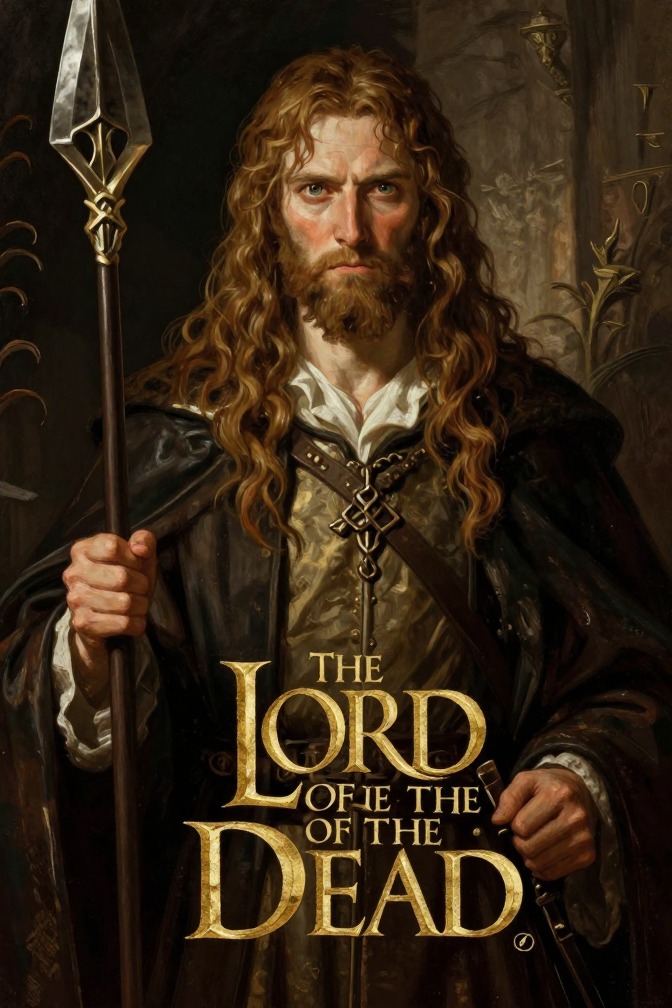
The Oath of the Dead, also known as the Oath of the Men of the Mountains, was a solemn vow of allegiance sworn by the King of the Mountains to Isildur, the heir of Elendil, at the Stone of Erech in the early days of Gondor. When Sauron returned and grew in might, Isildur summoned these Men to fulfill their oath and fight against the Dark Lord, but they refused, having worshipped Sauron in the Dark Years. In response, Isildur laid a curse upon them: they would never rest until their oath was fulfilled. This curse bound them as the Sleepless Dead, a shadowy host that haunted the Paths of the Dead and the Hill of Erech, until Aragorn, the heir of Isildur, summoned them at the Stone of Erech during the War of the Ring. By fulfilling their oath in battle against the Corsairs of Umbar, they finally gained release and departed in peace.
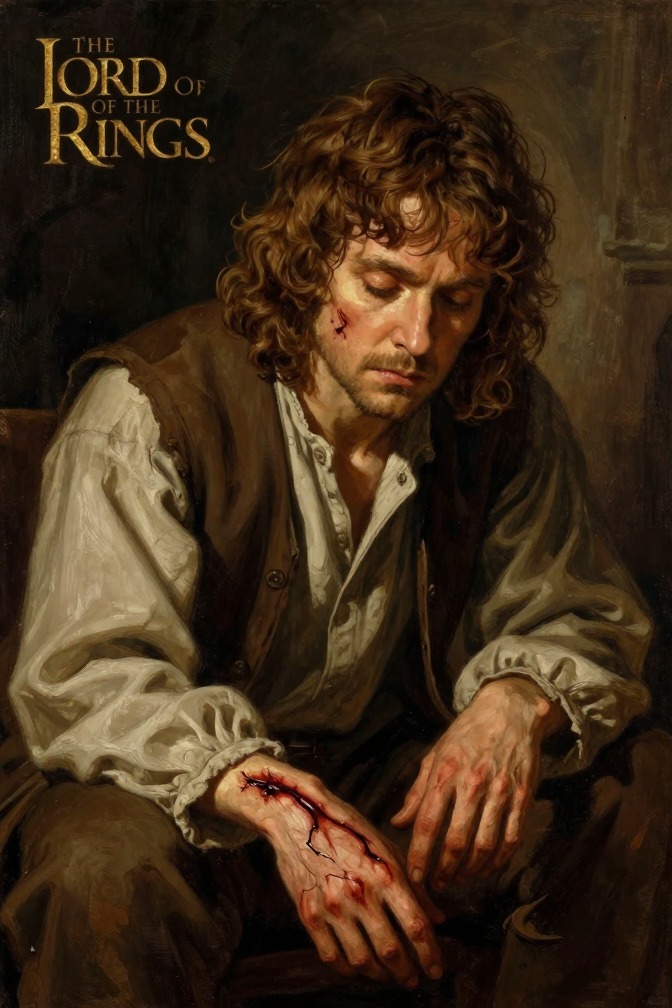
Frodo Baggins's wound and condition trace a trajectory from the physical injury inflicted by the Witch-king's Morgul-blade on Weathertop, through its lingering spiritual and psychological effects, to the final, incurable burden that compels his departure from Middle-earth. The wound is not merely a plot device but a defining element of his character, symbolizing the cost of bearing the Ring and the impossibility of returning to an untroubled life.
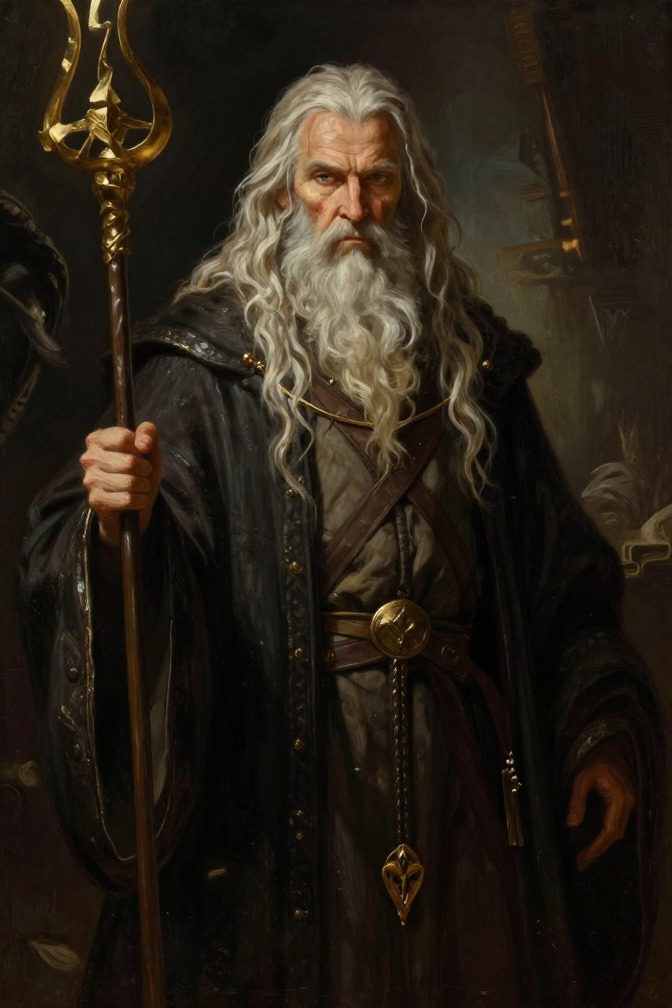
The Corruption of Saruman traces the fall of the head of the White Council and the greatest of the Wizards from a position of trusted wisdom into a traitorous servant of evil, a descent driven by pride, the study of the Enemy's arts, and the corrupting influence of the Palantír of Orthanc. His betrayal reshapes the War of the Ring, forcing the Free Peoples to fight on two fronts and ultimately leading to his own ruin and the destruction of his power at Isengard.
The Madness of Denethor is the tragic psychological collapse of the Steward of Gondor during the Siege of Minas Tirith, a state of despair and pride that transforms him from a wise, if stern, ruler into a self-destructive tyrant who attempts to burn his own son alive and ultimately immolates himself. His madness is a direct consequence of his misuse of the palantír of Minas Tirith, through which Sauron fed him visions of overwhelming doom, and it represents a key victory for the Enemy within the very heart of Gondor's defenses.
The Last Alliance of Elves and Men was the great military coalition formed in the late Second Age to overthrow Sauron after his return to Mordor. Its decisive campaign culminated in the siege of Barad-dûr and the Battle of Dagorlad, where Sauron was personally overthrown by Gil-galad and Elendil, though both perished. Isildur then cut the One Ring from Sauron's hand, but refused to destroy it, an act that set the stage for the Ring's long survival and the events of the Third Age.
The Second Age of Middle-earth is a vast historical epoch spanning over three thousand years, defined by the rise and catastrophic downfall of the island kingdom of Númenor, the forging of the Rings of Power and the One Ring by Sauron, and the final war of the Last Alliance that ended with Sauron's temporary defeat and the loss of the One Ring. It is the foundational era for the conflicts and inheritances that drive the narrative of The Lord of the Rings.
Sethe's escape from Sweet Home is the harrowing flight of a pregnant enslaved woman from a Kentucky plantation to freedom in Ohio, a journey that defines her character and the novel's central themes of motherhood, trauma, and the lengths a mother will go to protect her children.
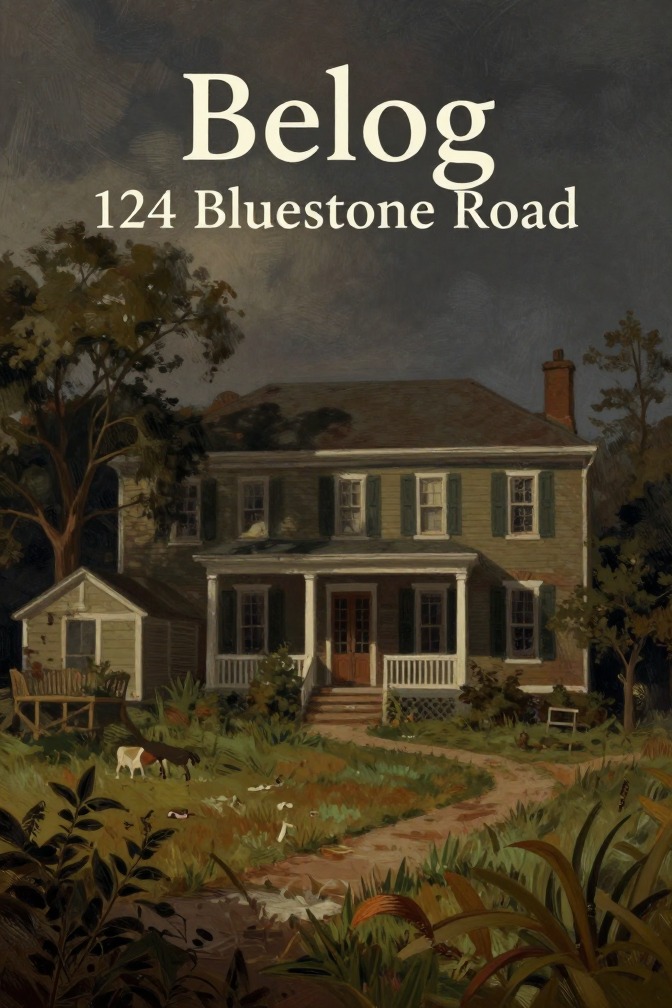
124 Bluestone Road is the haunted house in Cincinnati where Sethe, Denver, and the ghost of Sethe's murdered baby daughter live. It is the novel's central location, embodying the trauma of slavery and the struggle for freedom and healing.
Boston is the distant northern city that Amy Denver dreams of reaching to buy velvet, and its name becomes the source of Denver's name, marking the intersection of freedom, aspiration, and the white girl's role in Sethe's escape.
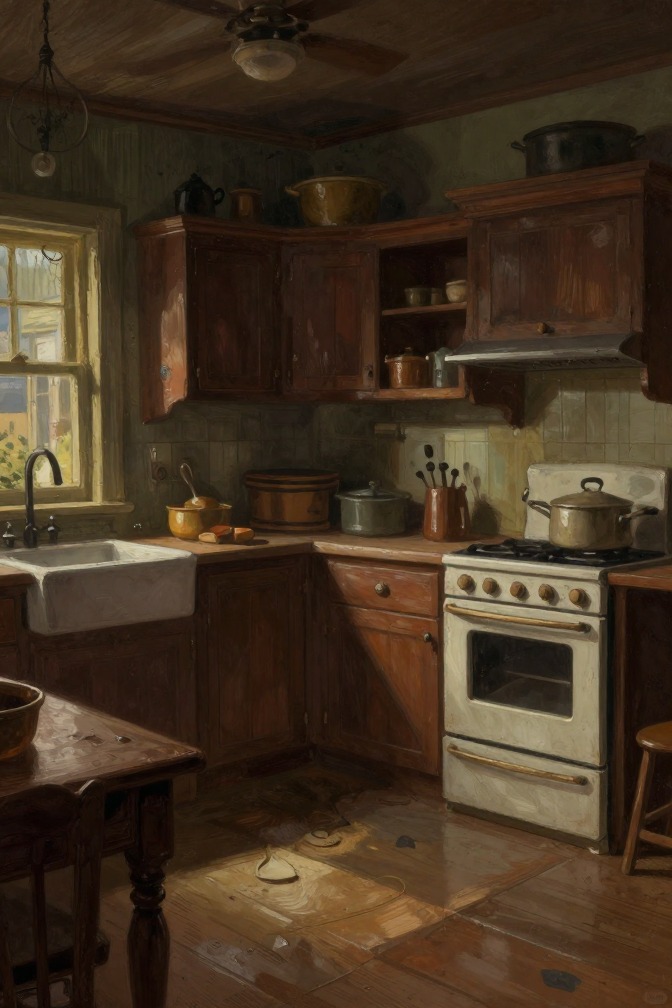
The kitchen at 124 Bluestone Road is the domestic heart of Toni Morrison's Beloved, where the novel's central acts of labor, memory, and love unfold. It is the site of Sethe's daily bread-making, the scene of Paul D's arrival and the exorcism of the baby ghost, the stage for Beloved's insatiable hunger and storytelling, and the place where Sethe's past is both confessed and confronted. More than a mere setting, the kitchen embodies the novel's themes of motherhood, trauma, and the struggle for self-possession.