The Fox is a figure from Aesop's Fables that Aunt Lydia uses as a recurring metaphor for her own strategic cunning and survival in Gilead, contrasting the Fox's many tricks with the Cat's single, reliable escape.
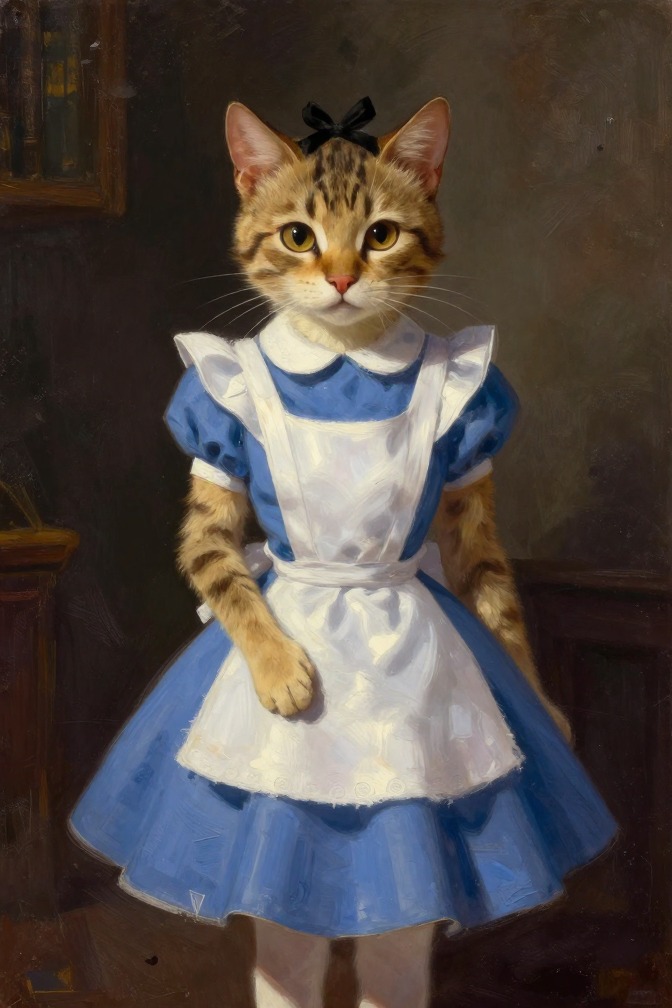
Dinah is Alice's pet cat, a constant reference point in her thoughts throughout her adventures in Wonderland, whose imagined presence and real absence serve as a powerful emotional anchor to the world Alice has left behind and a catalyst for her social missteps in the strange new environment.
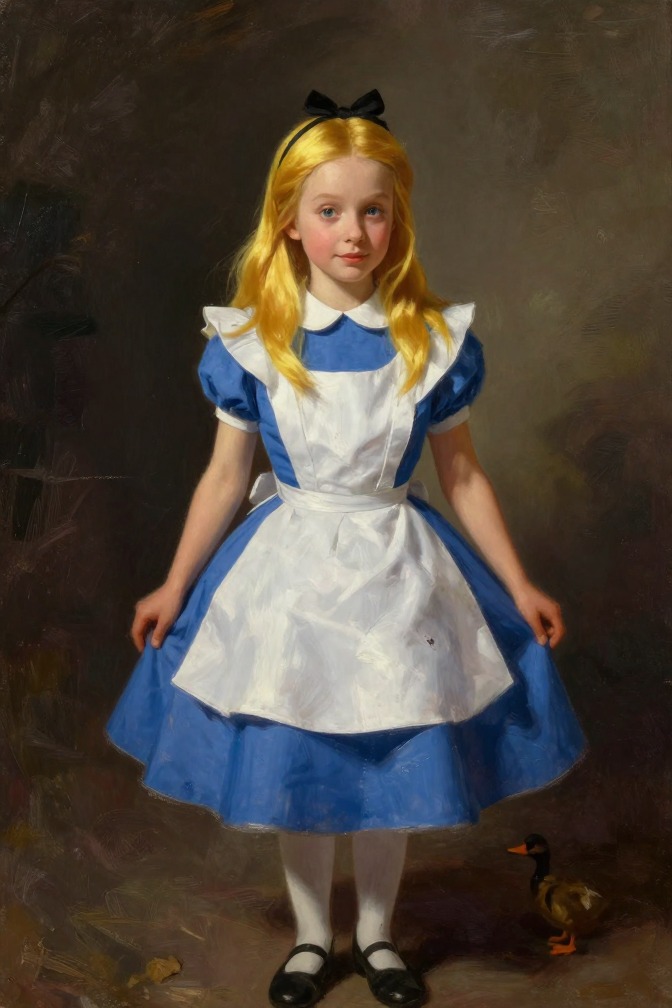
The Duck is a minor character in Wonderland who appears during the Caucus-race and later in the Queen's croquet game, distinguished by its literal-minded interruptions and its role in the chaotic assembly of creatures.
Pat is a minor character in Alice's Adventures in Wonderland, a gardener's assistant who is called upon by the White Rabbit to help remove the giant Alice from the White Rabbit's house. His brief appearance, marked by a distinctive Irish dialect and a comically futile attempt to dislodge Alice, underscores the absurdity and hierarchical chaos of Wonderland.
The Cat in Alice's Adventures in Wonderland appears in two distinct forms: Dinah, Alice's beloved pet cat at home, and the Cheshire Cat, a grinning, vanishing creature of Wonderland who embodies the realm's logic of madness and paradox. Together, they represent the tension between the familiar domestic world Alice has left behind and the unsettling, rule-defying nature of the dreamscape she must navigate.
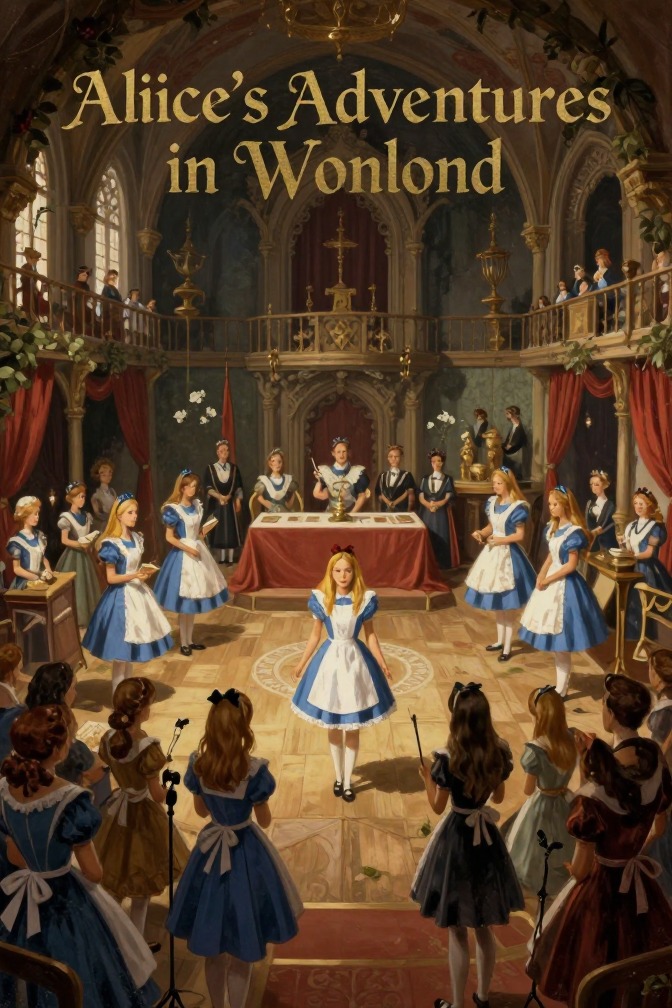
The court is the setting of the Knave of Hearts' trial in Wonderland, a chaotic and arbitrary legal proceeding that becomes the stage for Alice's final, decisive confrontation with the absurdity of Wonderland's authority, culminating in her waking from the dream.
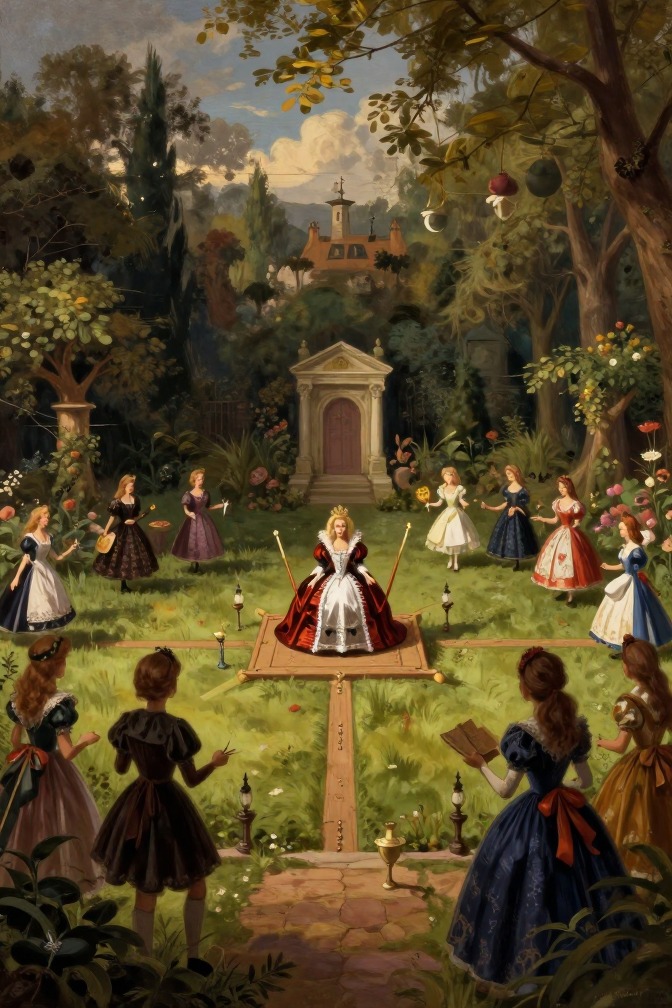
The Queen's Croquet-Ground is the central setting of Chapter VIII, where Alice participates in a bizarre and chaotic croquet game that epitomizes the arbitrary violence and absurd logic of Wonderland's court. The ground itself is a surreal landscape of ridges and furrows, where the balls are live hedgehogs, the mallets are live flamingoes, and the soldiers must double themselves up to form the arches. The game becomes a microcosm of the Queen of Hearts' tyrannical rule, with constant quarreling, beheading threats, and a complete absence of rules, ultimately leading to Alice's confrontation with the Queen and her awakening from the dream.
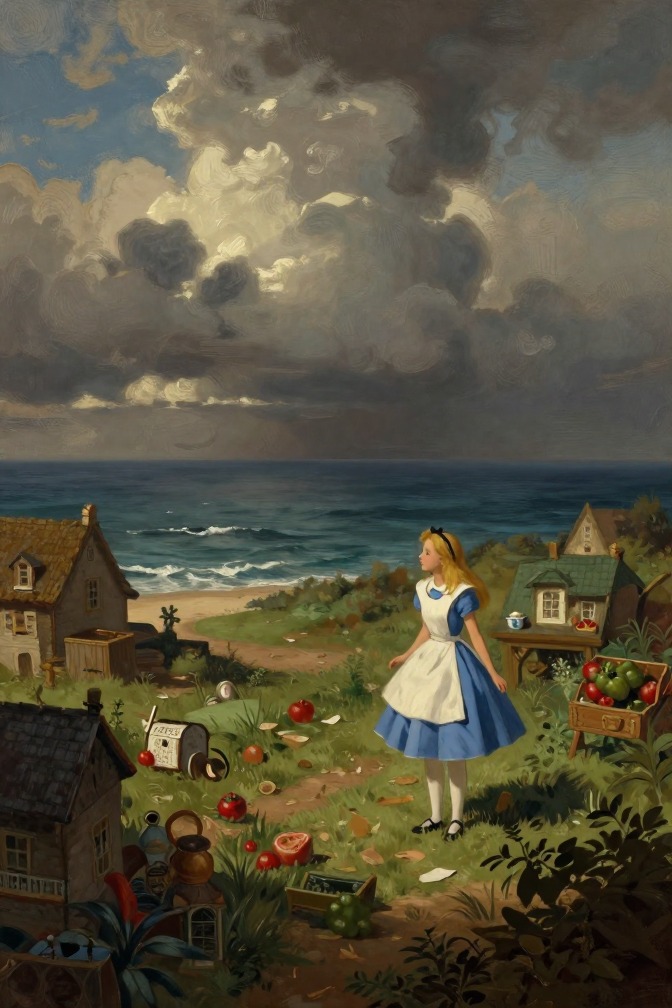
The sea is the distant, offstage origin of the Mock Turtle's past and the setting of his remembered school days, functioning as a lost home that defines his present sorrow and the melancholy texture of his story.
The Parchment scroll is the official document of accusation in the trial of the Knave of Hearts, containing the verses that the Queen of Hearts uses as evidence of the Knave's guilt. It is a central object in the climactic courtroom scene, embodying the arbitrary and nonsensical nature of justice in Wonderland.
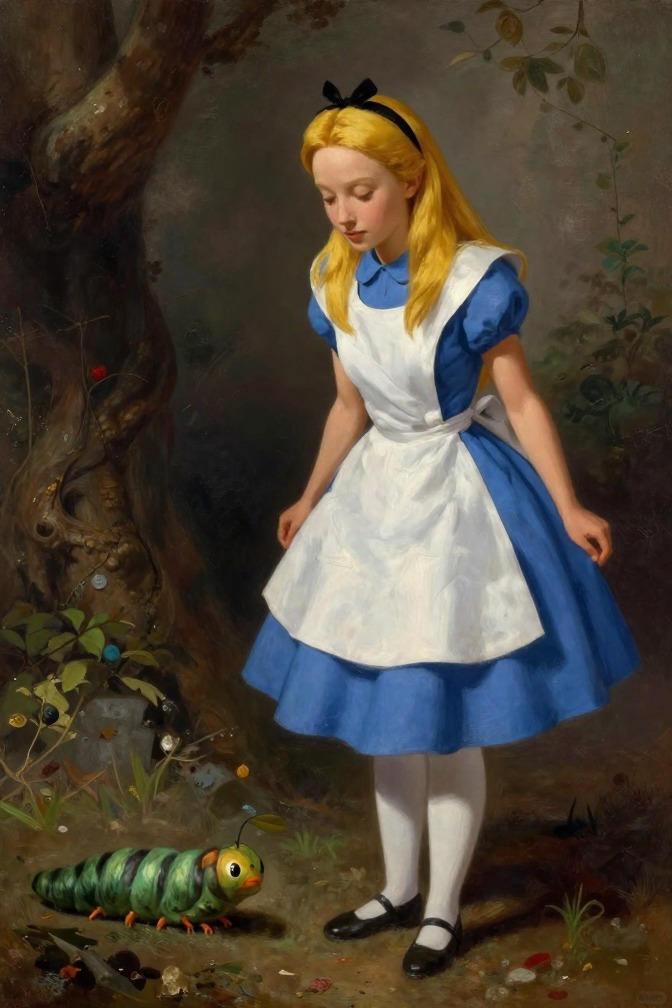
The encounter between Alice and the Caterpillar is a pivotal philosophical dialogue in Wonderland, where the Caterpillar's stern questioning forces Alice to confront her crisis of identity and her unstable, ever-changing body, ultimately providing her with the key to controlling her size through the magic mushroom.
Alice and the Duchess meet twice in Wonderland, first in a chaotic kitchen and later on the croquet-ground, where the Duchess's violent temper, obsession with finding morals in everything, and eventual subservience to the Queen of Hearts reveal the arbitrary and oppressive nature of authority in Wonderland.
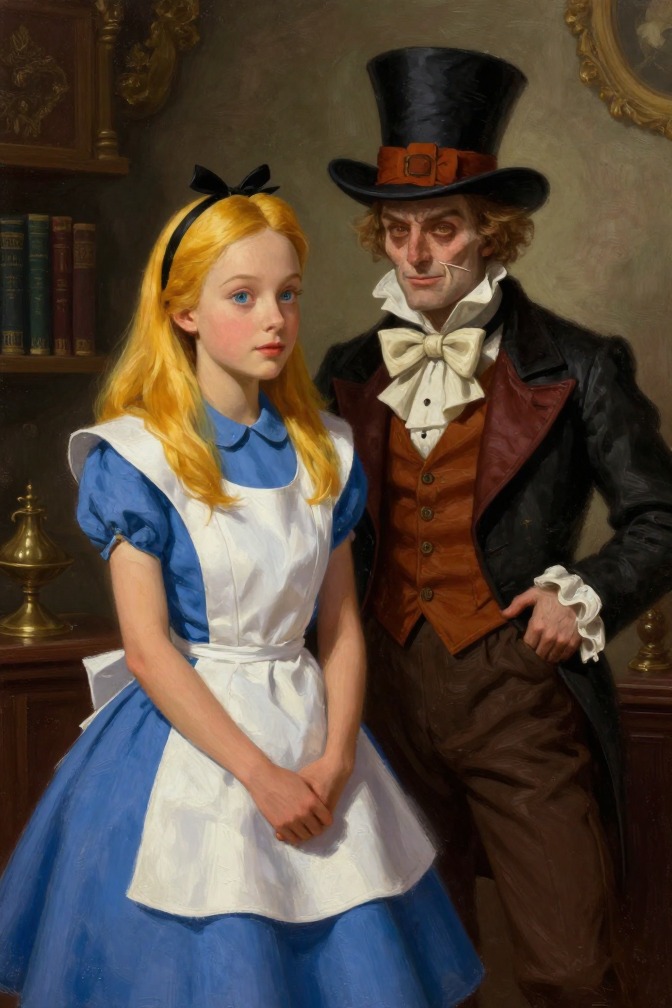
The relationship between Alice and the Hatter is a central encounter in Wonderland, defined by the Hatter's nonsensical riddles, his quarrel with Time, and his anxious appearance as a witness in the trial, which together expose the arbitrary and mad logic of Wonderland's social rules.
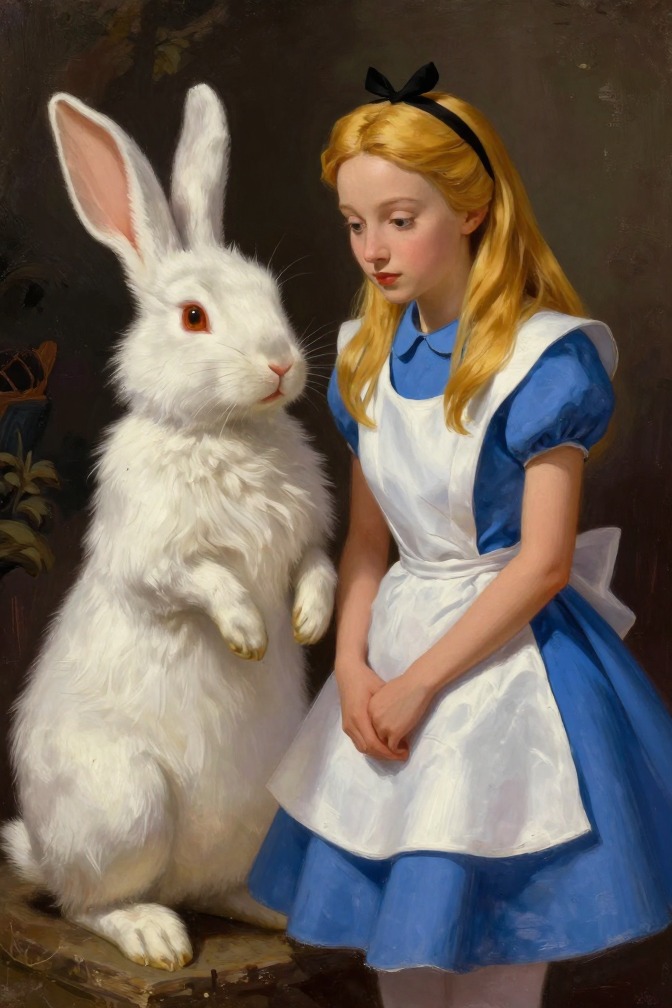
The relationship between Alice and the White Rabbit is the initiating and recurring thread of Wonderland, a dynamic of pursuit, mistaken identity, and anxious servitude that propels Alice from the ordinary world into the dream's absurd logic and back again.
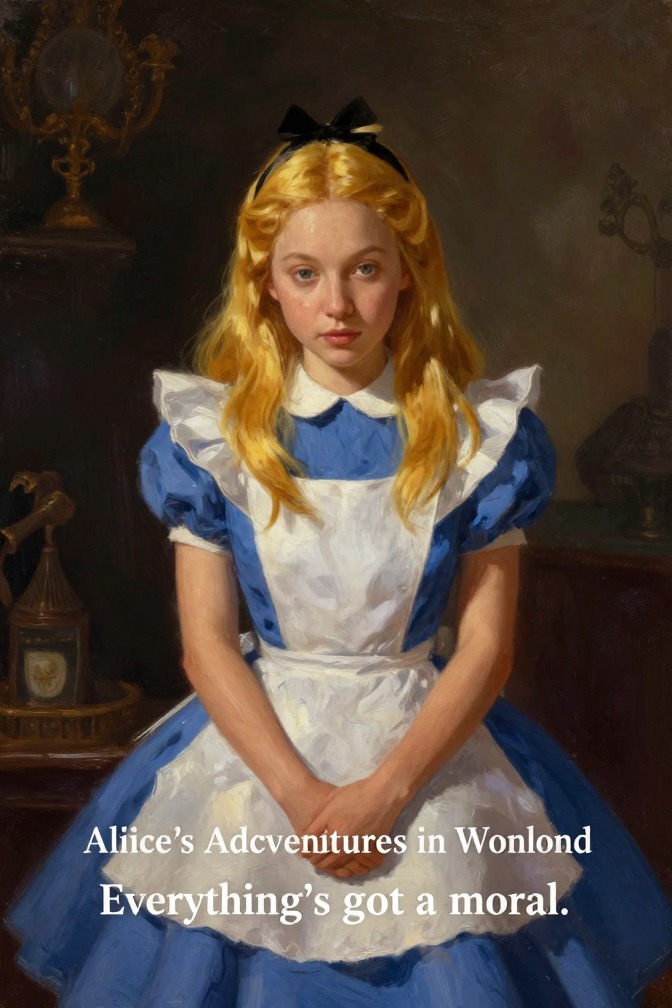
The Duchess's maxim that "Everything's got a moral, if only you can find it" is a recurring rule in Wonderland that encapsulates the absurd, relentless imposition of meaning onto every event, and it is most fully articulated and demonstrated during Alice's encounter with the Duchess in the Queen's croquet-ground.
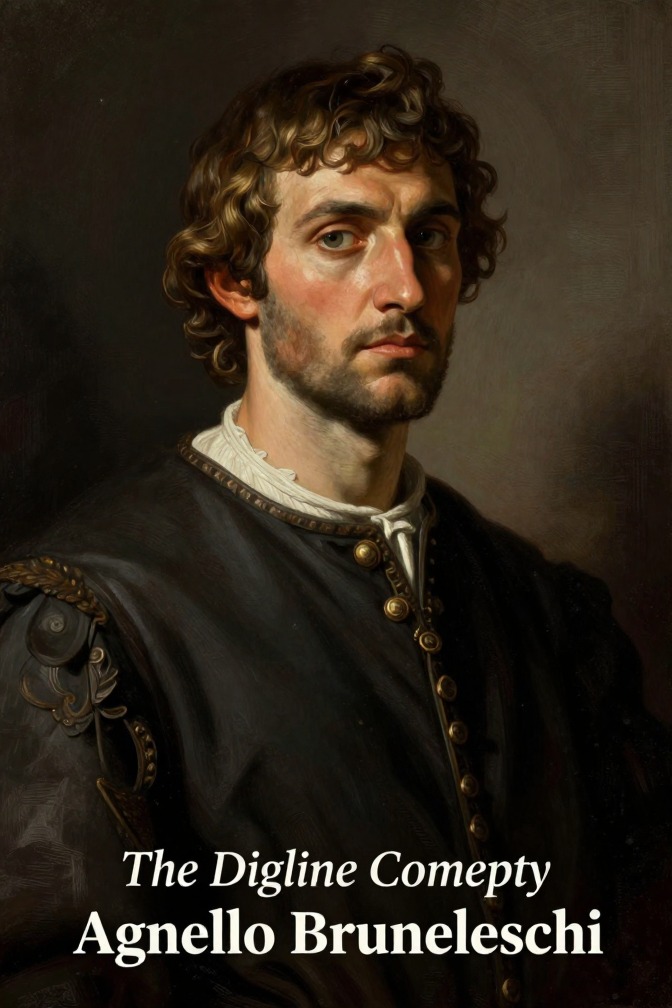
Agnello Brunelleschi is a Florentine thief condemned to the Seventh Bolgia of the Eighth Circle of Hell, where he undergoes a grotesque metamorphosis into a serpentine monster, exemplifying the contrapasso of identity dissolution for the fraudulent.
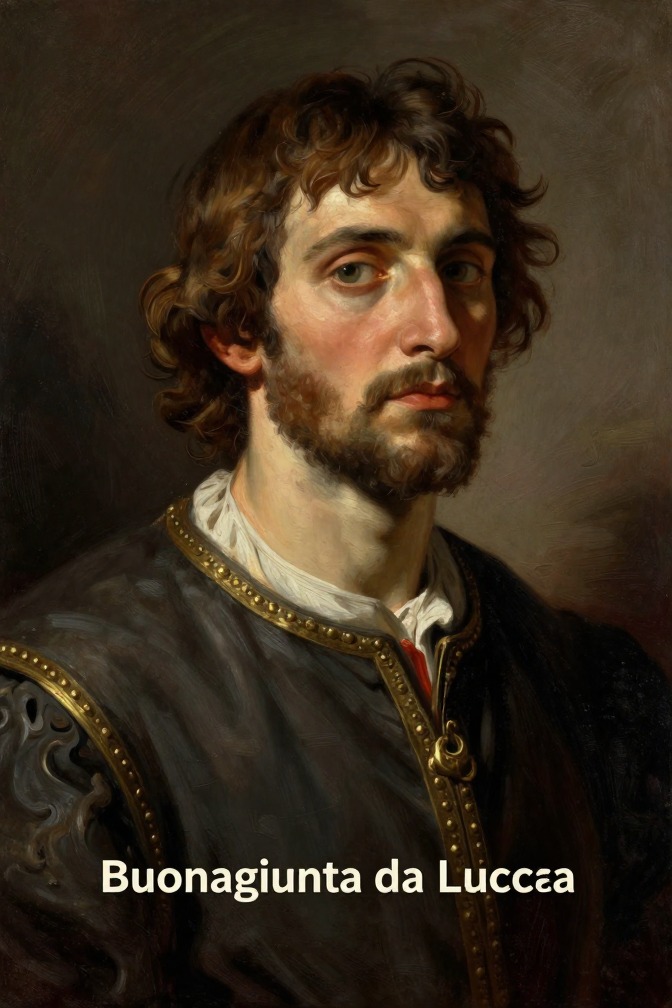
Buonagiunta da Lucca is a thirteenth-century Italian poet and notary whom Dante encounters among the gluttonous on the sixth terrace of Purgatory, where he serves as a crucial figure in the poem's reflection on poetic style and the evolution of vernacular love poetry.
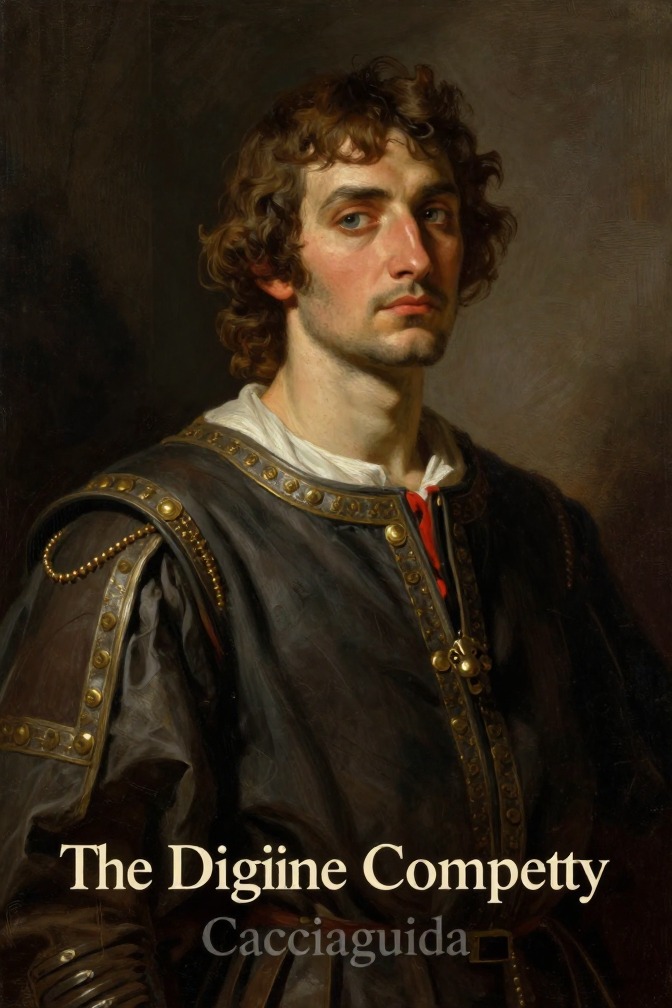
Cacciaguida is the blessed crusader ancestor of Dante Alighieri, encountered in the Heaven of Mars, who reveals the poet's noble lineage, the ancient virtues of Florence, and the prophecy of his exile, serving as a crucial source of personal and political truth.
David, the biblical king of Israel, appears in Dante's Divine Comedy as a figure of humility and divine favor, referenced in Purgatory as an exemplar of the virtue that counters pride and as a soul saved by Christ's Harrowing of Hell.
Dionysius is a tyrant of Syracuse condemned in the seventh circle of Hell for violence against his neighbors, immersed in the boiling river of Phlegethon as a punishment for his bloodshed and pillaging.
Friar Alberigo is a damned soul in the third division of the Ninth Circle of Hell, Ptolomaea, reserved for traitors to their friends. He is notable for revealing that in this circle souls descend to Hell before their bodies die, leaving a demon to animate their earthly form, a chilling inversion of the normal order of death and judgment.
Ganelon is a minor but symbolically charged figure in Dante's Inferno, appearing among the traitors in the frozen lake of Cocytus, where his presence serves to crystallize the poem's condemnation of treachery against kin and country.
Homer, the sovereign poet of antiquity, appears in Limbo as the foremost figure among the four great classical poets who welcome Virgil and Dante, and his epic works are later cited by Statius as the inspiration for his own conversion to Christianity.
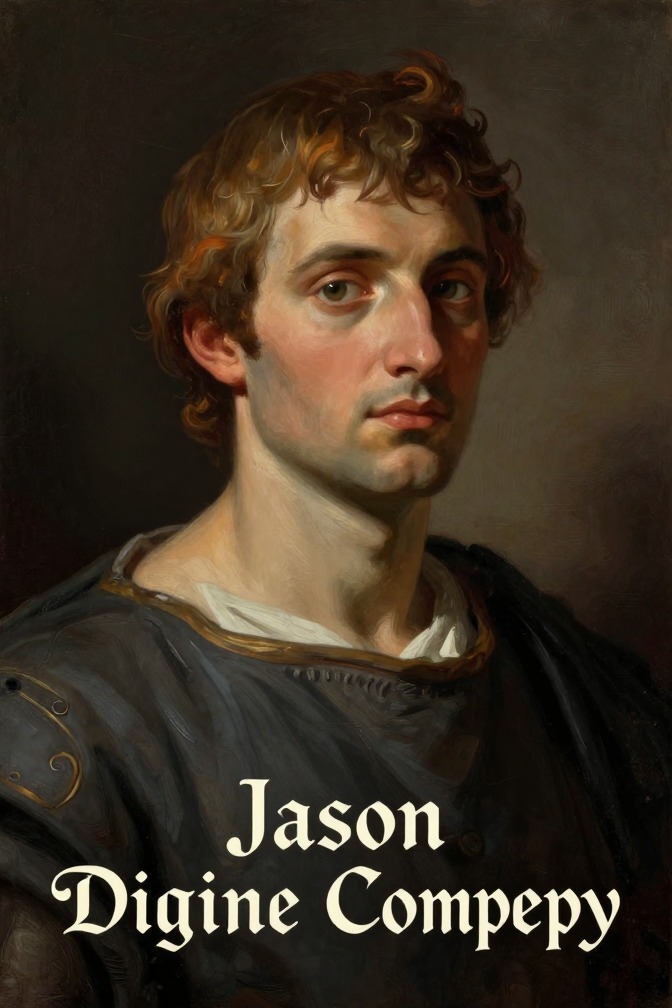
Jason, the ancient Greek hero of the Argonautic quest, appears in Dante's Inferno as a condemned seducer and deceiver in the first bolgia of Malebolge, where horned demons scourge the fraudulent. His punishment reflects the contrapasso of his own legendary acts of betrayal against Hypsipyle and Medea, and Virgil points him out to Dante as a figure whose regal bearing contrasts with his shameful torment.
Joshua is a biblical figure who appears in the Heaven of Jupiter in Dante's Paradiso, where he is depicted as a blazing light moving across the celestial Cross of Mars, representing the ideal of righteous leadership and divine justice.
Judas Maccabeus is a Jewish military leader from the 2nd century BCE who appears in the Heaven of Mars in Dante's Paradiso, where he is celebrated as a warrior for the faith and a defender of the Holy Land, his name invoked among the crusaders and martyrs who shine on the celestial cross.
The Minotaur, the half-bull, half-man monster of Cretan myth, appears in Dante's Inferno as the guardian of the Seventh Circle of Hell, where the violent are punished. Stationed at the broken precipice that leads down to the river of blood, Phlegethon, the Minotaur embodies the bestial rage of the violent, and his presence marks a crucial transition in Dante's descent, from the sins of incontinence to the graver sins of malice and brutality.
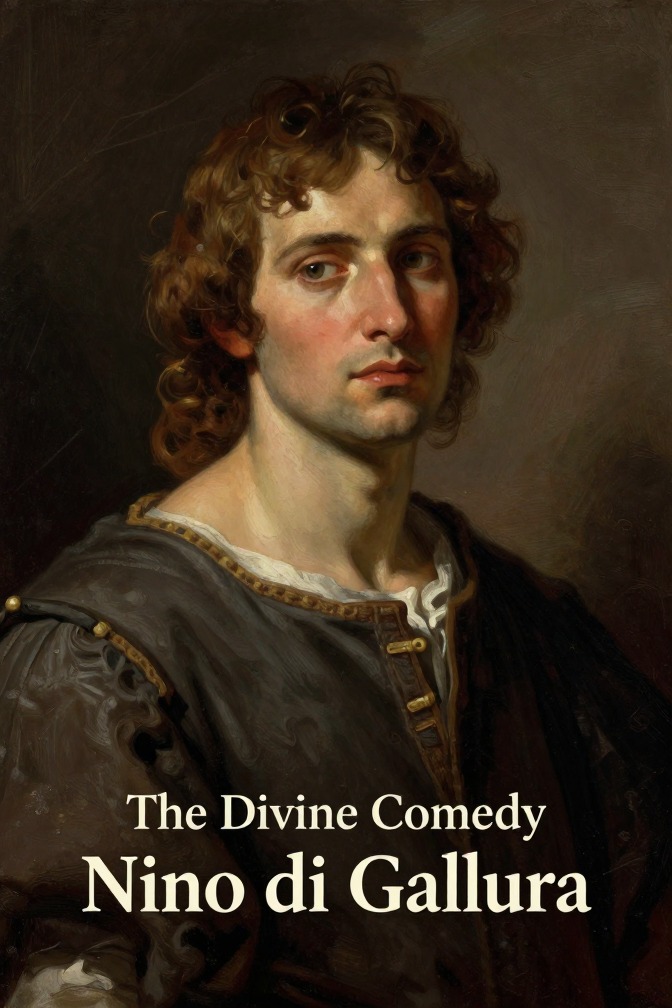
Nino di Gallura is a noble judge from Sardinia whom Dante encounters among the negligent princes in the Valley of Flowers on Mount Purgatory. His brief but emotionally charged appearance reveals his continued concern for his daughter Giovanna, his bitterness toward his widow's remarriage, and his joyful recognition of Dante's living presence as a sign of divine grace.
Oderisi d' Agobbio is a penitent soul on the first terrace of Purgatory, where the sin of pride is purged. A celebrated manuscript illuminator from Agobbio (modern Gubbio), he appears in Canto XI of the Purgatorio to deliver a profound meditation on the transience of earthly fame and the vanity of artistic ambition, using his own superseded reputation as a case study. His encounter with Dante Alighieri provides the poem's most explicit critique of worldly glory and a key lesson in humility.
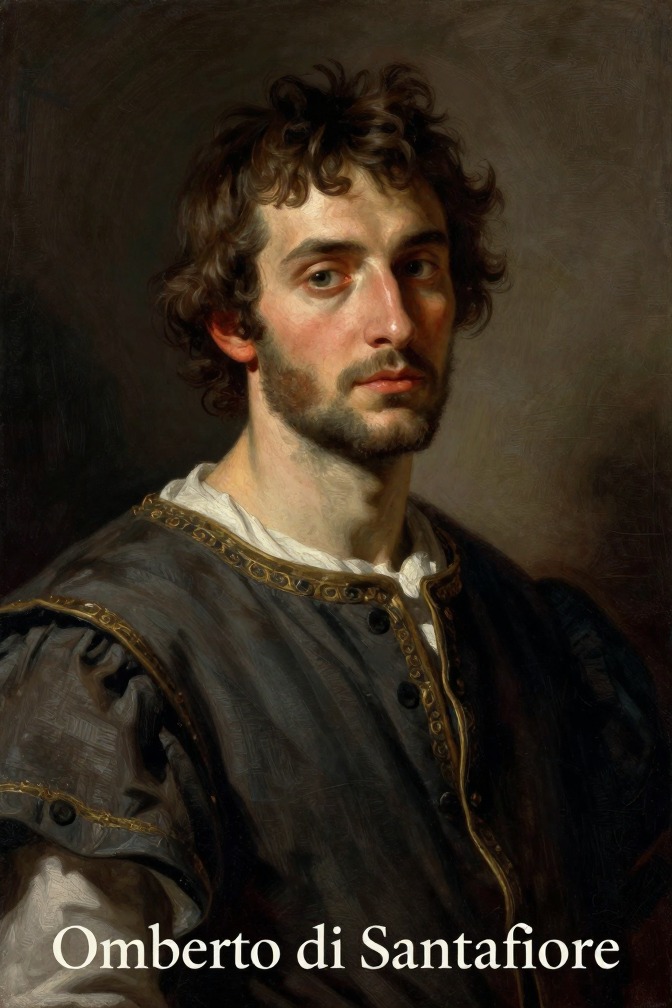
Omberto di Santafiore is a penitent encountered by Dante on the First Terrace of Mount Purgatory, where the sin of Pride is purged. A member of the powerful Aldobrandeschi family, Omberto embodies the destructive arrogance of noble lineage, and his confession reveals how pride not only damned him but also dragged his entire kin into ruin. His brief but intense encounter with Dante serves as a stark warning against the vanity of worldly honor and the necessity of humility before God.
Potiphar's Wife is a minor figure in Dante Alighieri's Inferno, appearing among the Falsifiers in the Tenth Bolgia of Malebolge, where she is punished for the sin of false accusation. Her presence, alongside other notorious liars and forgers, underscores the poem's moral framework in which sins of the tongue and of deceit are severely condemned.