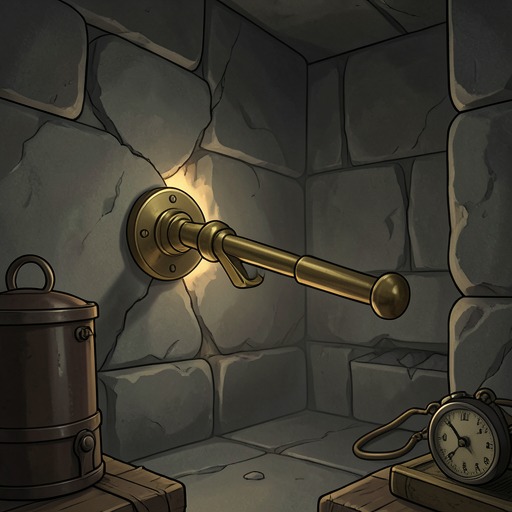
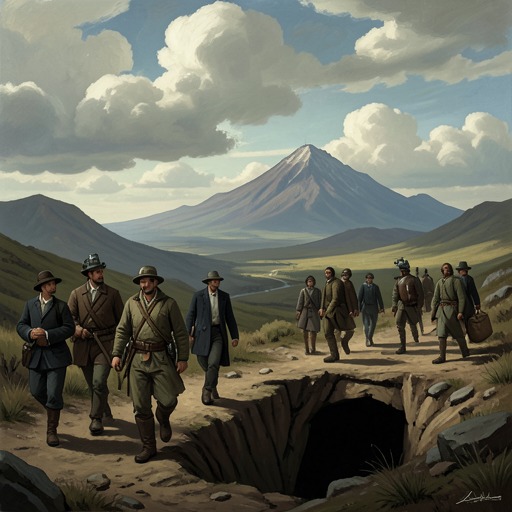
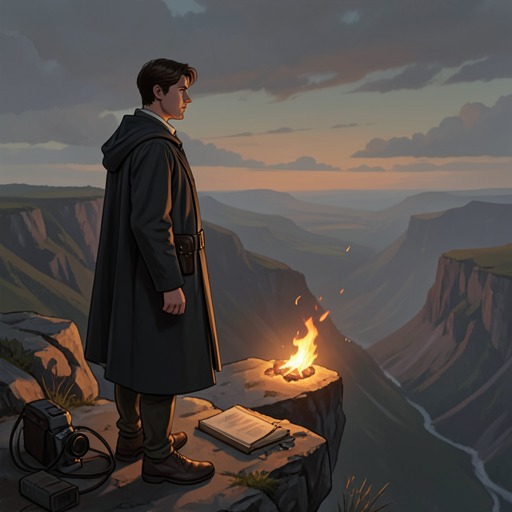
before the parchment's discovery
A Scholar's Nephew
[Henry Lawson](entity:character-recall-character-henry-lawson-376c335ebbc6) introduced his German uncle, [Professor Hardwigg](entity:character-recall-character-professor-hardwigg-74848838be7f). The uncle was a wealthy and talented scholar with a temperamental nature, influencing their life at home in [Hamburg](entity:location-recall-location-hamburg-83eba4856d4b). [Henry](entity:character-recall-character-henry-c166031952d6) inherited his uncle's passion for geology and also loved his uncle's adopted daughter, his fiancée [Gretchen](entity:character-recall-character-gretchen-d75341b2a605). The
one afternoon in Hamburg
The Icelandic Volume
[Professor Hardwigg](entity:character-recall-character-professor-hardwigg-74848838be7f) was flipping through an ancient [Heimskringla](entity:object-recall-object-heimskringla-2673989e99d3) when he discovered a fragment of parchment covered in strange characters. He recognized it as runic script, but could not read it; [Henry](entity:character-recall-character-henry-c166031952d6) was no different, knowing nothing about this mysterious document. Professor Hardwigg pointed out that the
that afternoon
The Failed Decipherment
[Professor Hardwigg](entity:character-recall-character-professor-hardwigg-74848838be7f) recited the transcription word for word on parchment, and tried to deduce the language and arrangement of the text. He suspected it was a Latin cipher, but no matter how he combined the letters, he only got meaningless words, which made him more and more discouraged
the following day
The Message Read Backward
After hours of fruitless research, [Henry](entity:character-recall-character-henry-c166031952d6) noticed that the ink had seeped through to the back of the parchment. After reading the letters backward, he discovered a Latin instruction: enter a designated volcanic crater in [Sneffels](entity:location-recall-location-sneffels-0406370767d6) before the first of July, and the traveler would reach the center of the
immediately after the decipherment
The Expedition Is Decided
[Professor Hardwigg](entity:character-recall-character-professor-hardwigg-74848838be7f) regarded this cipher as a real challenge and determined to follow [Saknussemm's instructions](entity:rule-recall-rule-saknussemm-s-instruction-68db6f71a540). He pointed to the map of Iceland, explaining that [Sneffels](entity:location-recall-location-sneffels-0406370767d6) is a dormant volcano and argued that even though [Henry](entity:character-recall-character-henry-c166031952d6) was concerned about high temperatures and danger, there might still be a way
two days after the decision
Departure from Hamburg
[Professor Hardwigg](entity:character-recall-character-professor-hardwigg-74848838be7f) and [Henry](entity:character-recall-character-henry-c166031952d6) left [Hamburg](entity:location-recall-location-hamburg-83eba4856d4b) with a large amount of tools, scientific instruments, weapons, supplies, and medical equipment. [Gretchen](entity:character-recall-character-gretchen-d75341b2a605) and the housekeeper remained at home, while the travelers set off for Iceland
during the journey through Copenhagen
Lessons Above the City
During his delay in [Copenhagen](entity:location-recall-location-8418dcb09a35), [Professor Hardwigg](entity:character-recall-character-professor-hardwigg-74848838be7f) had [Henry](entity:character-recall-character-henry-c166031952d6) climb the stairs on the outside of the church tower. Henry had acrophobia, but Professor Hardwigg insisted that overcoming the fear of height would prepare him for the depths he was about to face
early June
Across the Northern Sea
Travelers boarded the Valkyrie from [Copenhagen](entity:location-recall-location-8418dcb09a35), sailing to Iceland. The bad weather made [Professor Hardwigg](entity:character-recall-character-professor-hardwigg-74848838be7f) seasick and delayed his conversation with the captain; [Henry](entity:character-recall-character-henry-c166031952d6) looked at the northern coastline receding in the distance, wondering what lay ahead for them. After the storm pushed the ship away from land
upon arrival in Iceland
A Welcome in Reykjavik
[Professor Hardwigg](entity:character-recall-character-professor-hardwigg-74848838be7f) showed his letter of introduction to the governor and the mayor. [Henry](entity:character-recall-character-henry-c166031952d6) met with Professor of Natural Sciences Frederickson and found that both could converse in Latin. Their Icelandic host arranged accommodations for the travelers and welcomed them warmly
the evening after arrival
The Burned Works
At dinner, Fredericksen confirmed that [Saknussemm](entity:character-recall-character-saknussemm-8724359c0d71) was a famous scholar and traveler, then explained that his works had no copies left. In 1573, he was persecuted for heresy, and his works were publicly burned in [Copenhagen](entity:location-recall-location-8418dcb09a35). [Professor Hardwigg](entity:character-recall-character-professor-hardwigg-74848838be7f) believed that the
the next morning
Hans Bjelke Engaged
Fridrikson arranged a guide for the journey: [Hans Bjelke](entity:character-recall-character-hans-bjelke-96342af6ab73), a strong, silent downy duck hunter from the Peninsula. His steady demeanor contrasted with [Professor Hardwigg](entity:character-recall-character-professor-hardwigg-74848838be7f)'s impulsive nature, but he promised to take the travelers to [Stapi](entity:location-recall-location-8218eea25a5f) and continue serving them. The group
the first day inland
The Road to Gardar
[Henry and Professor Hardwigg](entity:relation-recall-relation-henry-and-professor-776f7fcd4630) left [Reykjavik](entity:location-recall-location-ec40edba7f78) with [Hans](entity:character-recall-character-hans-c752a7bcbd41) and the horses, crossing through sparse grasslands and scattered farms, the scenery gradually becoming barren along the way. Hans controlled the pace and chose the route, while [Professor Hardwigg](entity:character-recall-character-professor-hardwigg-74848838be7f) grew frustrated as the progress seemed painfully slow to him
the first night inland
Hospitality in an Icelandic Farmhouse
Travelers spent the night in a farmhouse near Galadriel. A crowded family welcomed them with polite greetings and prepared a hearty meal. [Henry](entity:character-recall-character-henry-c166031952d6) endured the smoky kitchen and unfamiliar food, yet he noticed that though the household was small and modest, their hospitality was sincere
June 20
Arrival at Stapi
After several days of travel, crossing the lava field and difficult terrain, the group arrived at the small village of [Stapi](entity:location-recall-location-8218eea25a5f) at the foot of [Sneffels](entity:location-recall-location-sneffels-0406370767d6) Mountain. [Henry](entity:character-recall-character-henry-c166031952d6) admired the magnificent basalt columns along the coast, but the local parish priest was cold in his hospitality, more focused on physical labor
June 22
The Signs of Dormancy
To respond to [Henry](entity:character-recall-character-henry-c166031952d6)'s concerns about [Sneffels](entity:location-recall-location-sneffels-0406370767d6) possibly erupting, [Professor Hardwigg](entity:character-recall-character-professor-hardwigg-74848838be7f) took him into the volcanic area, pointing out the stable steam vents, namely Rikir. He explained that the steam vents maintained normal activity, neither increasing nor disappearing suddenly, indicating that an eruption would not occur
June 23
The Climb Begins
The expedition began climbing Snæfellsnes, passing through grassy areas, volcanic rock, and increasingly steep slopes. [Henry](entity:character-recall-character-henry-c166031952d6)'s knowledge of geology made the mountain a vast field classroom, but his thoughts once again reinforced his belief that the Earth's interior must still be a furnace. [Hans](entity:character-recall-character-hans-c752a7bcbd41) marked the
the evening of June 23
The Mistour on the Mountain
When hikers reached the upper slope, a huge whirlwind, sweeping across the entire mountain, was formed by flying pebbles and sand. [Hans](entity:character-recall-character-hans-c752a7bcbd41) realized the danger and quickly led the expedition away from the storm path; although the professor originally hoped to stop and rest, he refused to stay there
late June, near midnight
Midnight Sun on the Summit
After a long and arduous climb, the expedition finally reached the summit of Snæfellsness, where the pale midnight sun illuminated the entire island. [Henry](entity:character-recall-character-henry-c166031952d6) was exhausted, but the sight of the glaciers, valleys, and ocean momentarily made him forget his fear. Standing at the summit, Professor
June 24
Saknussemm's Crater Inscription
The expedition team descended into the Snaefellsnes volcano crater and found a large stone inscribed with the name of [Arne Saknussemm](entity:character-recall-character-arne-saknussemm-4e2a4cf1a0c4). This inscription directly proved that the Icelandic traveler had indeed reached this place, dispelling [Henry](entity:character-recall-character-henry-c166031952d6)'s doubt about whether the message was a fraud. The
June 25–27
Waiting for the Shadow
Clouds, rain and snow blocked the sun, preventing the shadow of Scatarris Peak from casting onto the bottom of the volcano. Every day, [Professor Hardwigg](entity:character-recall-character-professor-hardwigg-74848838be7f) became more irritable, because he knew the parchment code's timing might force them to wait another year. [Henry](entity:character-recall-character-henry-c166031952d6) secretly hoped the
June 28
The Correct Shaft
At noon, the shadow of Scatallis Peak touched the edge of the central entrance of the volcanic crater. [Professor Hardwigg](entity:character-recall-character-professor-hardwigg-74848838be7f) recognized this omen and announced that they had found the way to the center of the earth; [Hans](entity:character-recall-character-hans-c752a7bcbd41) calmly expressed his willingness to continue forward
June 28–29
Down the Central Shaft
Three travelers descended in sections, using a folded rope, pulling it down after each section. [Henry](entity:character-recall-character-henry-c166031952d6) tightly gripped the rough rock outcropping, worried that the support might fail; [Professor Hardwigg](entity:character-recall-character-professor-hardwigg-74848838be7f) continued to study the rock layers and recorded his observations
June 29
Entering the Underground Passage
Travelers counted their gear at the bottom of the shaft. The barometer showed they were approximately at sea level. [Professor Hardwigg](entity:character-recall-character-professor-hardwigg-74848838be7f) thought that this was just the crust of the island, and the real descent had only just begun
June 30
The Eastern Tunnel
At the intersection of the four passages, [Professor Hardwigg](entity:character-recall-character-professor-hardwigg-74848838be7f) chose the eastern tunnel, without clear evidence that this was the correct path. The expedition moved through the winding corridors, the surrounding rocks changing from lava to older rock layers; the lights revealed traces of prehistoric plants and shells
early July
The Coal-Mine Dead End
The eastern tunnel led the expedition through strata containing fossils into a huge natural coal cave. [Henry](entity:character-recall-character-henry-c166031952d6) observed the geological succession of ancient life, while the decreasing water supply of the travelers made every mile of the journey increasingly dangerous. Finally, the passage was blocked by a solid rock wall. [Professor Hardwigg](entity:character-recall-character-professor-hardwigg-74848838be7f)
early July, after the dead end
The Return to the Junction
Three turned back along the eastern tunnel, weakened and thirsty, unable to replenish their water. [Henry](entity:character-recall-character-henry-c166031952d6)'s condition was most obvious, the professor and [Hans](entity:character-recall-character-hans-c752a7bcbd41) supported him through the most difficult section. After several days of arduous travel, they finally reached the fork, where Henry collapsed. Professor Hardw
at the junction
Hardwigg's Last Promise
[Henry](entity:character-recall-character-henry-c166031952d6) urged everyone to retreat immediately, but [Professor Hardwigg](entity:character-recall-character-professor-hardwigg-74848838be7f) refused to give up the expedition. He said he had already checked the western passage and believed it led downward into the granite layer, where water should be found. The professor asked for one more day and promised that if no water was found in
the following night
Hans Finds Water
In the western corridor, the expedition entered the primitive rock layers and continued downward, but before they found any spring, [Henry](entity:character-recall-character-henry-c166031952d6) was already exhausted. He collapsed, and [Professor Hardwigg](entity:character-recall-character-professor-hardwigg-74848838be7f) thought the expedition had ended. [Hans](entity:character-recall-character-hans-c752a7bcbd41) left alone and returned with news of water. He followed the sound of the underground rapid
after the spring is opened
The Hansbach as a Guide
Travelers drank heartily and filled their containers, but they could not stop the strong spring from flowing out. [Professor Hardwigg](entity:character-recall-character-professor-hardwigg-74848838be7f) decided to let the water remain behind them as a continuous source of water and as a guide to return when crossing the passage
mid-July
Beneath the Atlantic
The expedition team moved through granite passages and steep fissures, with [Hans](entity:character-recall-character-hans-c752a7bcbd41) following them throughout, flowing through constantly changing terrain. [Professor Hardwigg](entity:character-recall-character-professor-hardwigg-74848838be7f) recorded direction and depth, while [Henry](entity:character-recall-character-henry-c166031952d6) realized that the distance they had traveled laterally had brought them beneath the sea. Above them lay the Atlantic, a sight
July 19
A Rest Below Ground
In a vast cave, the expedition spent a Sunday. Professor Hadwig calculated that they were deep underground and thought the mild temperature refuted the idea that temperature should increase with depth. [Henry](entity:character-recall-character-henry-c166031952d6) questioned whether their slow and inclined route could truly reach the center of the earth. The professor denied this calculation, insisting
August 7
Henry Lost in the Passage
After several weeks of travel, [Henry](entity:character-recall-character-henry-c166031952d6) walked ahead, looking at the rock wall, and soon found himself lost from Professor Hadwig and [Hans](entity:character-recall-character-hans-c752a7bcbd41). He retraced his steps, shouting loudly and trying to identify landmarks, but the tunnels were all alike everywhere, making it impossible for him to determine his direction
August 7–8
The Blind Passage
[Henry](entity:character-recall-character-henry-c166031952d6) searched upward for the fork in the path but ended up in a dead end. His lamp went out, casting him into complete darkness. Desperation drove him to flee wildly through the tunnel, colliding with everything and sustaining injuries, until he finally fell down. After regaining consciousness, he heard
August 8
The Whispering Gallery Rescue
Professor [Henry](entity:character-recall-character-henry-c166031952d6) and Professor Hadwig established a connection using the acoustic properties of the echo corridor. The professor estimated the distance between the two to be approximately one and a half miles based on the time it took for a voice to return after shouting a name, and directed Henry to continue downward toward a large cavern
August 10
The Central Sea
After [Henry](entity:character-recall-character-henry-c166031952d6) recovered, Professor Hadwig took him out of the cave and led him to a vast underground sea. The scene in the cave, illuminated by electric lights, flowing clouds, distant coastlines, and rolling waves, formed a world that Henry had never imagined. The travelers explored along the shore and
August 11–12
A Raft for the Crossing
The professor studied the tides and the location of the expedition team, estimating they were hundreds of miles from Iceland, and had to cross the underground sea. [Henry](entity:character-recall-character-henry-c166031952d6) felt uneasy about the vastness of this area, but also acknowledged that to continue forward, they might have to cross the sea. [Hans](entity:character-recall-character-hans-c752a7bcbd41) made
August 13 onward
The Central Sea Voyage
The travelers set down their raft, with [Hans](entity:character-recall-character-hans-c752a7bcbd41) steering, crossing the Central Sea. The coastline soon disappeared from view, and they found themselves among vast seaweed, surrounded by an endless expanse of water under the strange light of the cave. Hans caught blind prehistoric fish, including the blind ancient fish
August 14–17
A Sea of Ancient Life
As the raft continued forward, [Henry](entity:character-recall-character-henry-c166031952d6) observed this strange ocean, imagining the extinct creatures of the prehistoric era. Once a deep-sea probe retrieved a pry bar with massive tooth marks, causing him great fear, also suggesting that some enormous creature was moving beneath the raft. Professor Hadwig also felt concerned
August 18
The Saurian Battle
Two large reptiles surfaced near the raft, one a plesiosaur and the other a mosasaur. Their approach trapped the travelers between the monsters, but [Hans](entity:character-recall-character-hans-c752a7bcbd41) stopped [Henry](entity:character-recall-character-henry-c166031952d6) from shooting, as the two animals turned on each other
August 20
The Island Geyser
The distant roar made the travelers worry that the raft was approaching the waterfall or another sea monster. [Hans](entity:character-recall-character-hans-c752a7bcbd41) spotted a dark shadow, and Professor Hadwig recognized it as land, with a tall geysers erupting at the top of the island. The group went ashore to check the hot spring
August 21–25
The Central Sea Storm
The air became heavy and charged, and then a fierce storm swept over the central sea. [The raft](entity:object-recall-object-the-raft-2c3199e6f05c) rocked in the darkness, thunder, lightning, and towering waves, as the travelers struggled to hold on to themselves and the cargo on the boat. A ball of fire flew past the raft, magnetizing
after the storm
The Voyage Reversed
The travelers awoke at a peaceful shore and found [Hans](entity:character-recall-character-hans-c752a7bcbd41) had recovered most of the instruments, tools, and supplies. Professor Hadwig thought they had reached the other side of the sea, but the compass readings pointed to the shore they believed they had already left. The storm blew them back near their original
late August
The Fossil Cemetery
While exploring the coast, Professor Hadwig and [Henry](entity:character-recall-character-henry-c166031952d6) crossed a vast plain of bones, which was the graveyard of prehistoric creatures. The professor discovered a human skull, and then found a well-preserved human remains. This discovery was shocking in the area full of fossilized remains
during the shoreline exploration
The Giant Herdsman
After crossing the Fossil Plain, Professor [Henry](entity:character-recall-character-henry-c166031952d6) and Professor Hadwig entered a vast forest and discovered living mammoths. A tall humanoid figure appeared among the mammoths, appearing to be their shepherd, which astonished the travelers greatly. Henry pulled his uncle away before they approached the giant. After escaping
after the encounter with the herdsman
Saknussemm's Dagger
While traveling, the travelers were searching for the harbor where the raft had been moored when [Henry](entity:character-recall-character-henry-c166031952d6) found a rusty steel short sword in the sand. Professor Hadwig recognized it as a weapon from the 16th century Spain and pointed out that it could not belong to [Hans](entity:character-recall-character-hans-c752a7bcbd41) or the prehistoric inhabitants
late August
The Blocked Passage
At [Cape Saknussemm](entity:location-recall-location-cape-saknussemm-2a06a2376d33), the travelers find the entrance to a dark tunnel, but an enormous fallen block of granite seals it. The obstruction appears to have collapsed after [Saknussemm](entity:character-recall-character-saknussemm-8724359c0d71) passed through, leaving the modern expedition trapped at the threshold.
[Henry](entity:character-recall-character-henry-c166031952d6) argues that the passage can be reopened with gun cotton. [Professor Hardwigg](entity:character-recall-character-professor-hardwigg-74848838be7f) agrees, and [Hans](entity:character-recall-character-hans-c752a7bcbd41) digs a cavity in the rock while the others prepare a long fuse. They intend to blast a way forward, despite the danger of unleashing the underground sea.
August 27
The Blast and the Flood
[Henry](entity:character-recall-character-henry-c166031952d6) lights the fuse and returns to the raft. The explosion breaks open the blocked passage, but it also destabilizes the underground sea, which surges into the newly opened shaft and sweeps the travelers away.
[The raft](entity:object-recall-object-the-raft-2c3199e6f05c) is hurled through a dark, rushing channel at terrifying speed. Its cargo is lost, including nearly all their food and most of their equipment, while the surviving travelers have no control over where the flood will carry them.
after the blast
The Upward Torrent
After a long descent through the flood, the travelers are suddenly carried upward by a powerful column of water. [The raft](entity:object-recall-object-the-raft-2c3199e6f05c) rises through a narrow shaft, and the heat increases as they approach a volcanic conduit.
They have almost no provisions left, and [Henry](entity:character-recall-character-henry-c166031952d6) fears that they will starve or be crushed before reaching the surface. [Professor Hardwigg](entity:character-recall-character-professor-hardwigg-74848838be7f) recognizes that the rising force is an eruption and treats it as their only chance of escape.
the following hours
The Eruption's Ascent
The travelers rise through an active volcanic passage amid boiling water, cinders, flames, and violent pauses in the eruption. [Professor Hardwigg](entity:character-recall-character-professor-hardwigg-74848838be7f) believes the raft has entered an accessory conduit and insists that the intermittent surges will continue to propel them upward.
[Henry](entity:character-recall-character-henry-c166031952d6)'s strength and consciousness falter under the heat and shock. [Hans](entity:character-recall-character-hans-c752a7bcbd41) keeps hold of him, and the three endure the final violent ascent as the shaft widens and daylight approaches.
September
Emergence at Stromboli
[Henry](entity:character-recall-character-henry-c166031952d6) wakes on the slope of a sunlit volcano, where [Hans](entity:character-recall-character-hans-c752a7bcbd41) has saved him and supported [Professor Hardwigg](entity:character-recall-character-professor-hardwigg-74848838be7f). The landscape is warm and green rather than Arctic, and the sight of an erupting mountain beside the sea confounds their expectations.
A local child names the island as [Stromboli](entity:location-recall-location-stromboli-230ec32861b4). The travelers realize that the eruption has carried them out of the earth in the Mediterranean, far from [Sneffels](entity:location-recall-location-sneffels-0406370767d6), and they descend to find food, water, and help.
October 4–9
Return to Hamburg
Fishermen receive the exhausted travelers as shipwreck survivors. After resting in Messina, [Professor Hardwigg](entity:character-recall-character-professor-hardwigg-74848838be7f), [Henry](entity:character-recall-character-henry-c166031952d6), and [Hans](entity:character-recall-character-hans-c752a7bcbd41) sail to Marseilles and continue to [Hamburg](entity:location-recall-location-hamburg-83eba4856d4b), where [Gretchen](entity:character-recall-character-gretchen-d75341b2a605) and the housekeeper welcome them home.
The expedition becomes a public sensation, though many people doubt the account. Professor Hardwigg presents his discoveries but leaves out the compass's apparent reversal, which remains an unresolved puzzle for him.
six months after the return
The Compass Explained
[Henry](entity:character-recall-character-henry-c166031952d6) examines the neglected compass and discovers that its needle now points south. He realizes that the storm's electrical fire magnetized the iron aboard the raft and reversed the compass, so the travelers had misread their direction after the storm.
[Professor Hardwigg](entity:character-recall-character-professor-hardwigg-74848838be7f) is relieved to have an explanation for the expedition's most puzzling error. [Henry and Gretchen](entity:relation-recall-relation-henry-and-gretchen-878edd0fc96c) marry, and the Professor's journey ends in public honor and domestic happiness, even though he never reached the earth's exact centre.