around 1917
The Young Lieutenant
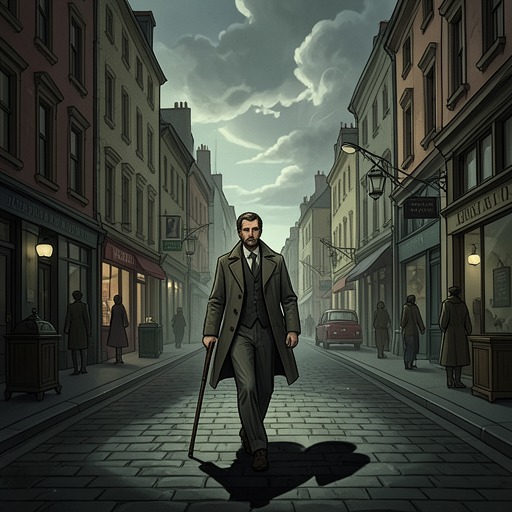
As a young man, [Richard Cantwell](entity:character-recall-character-richard-cantwell-e19451087e61) entered the [First World War](entity:time-recall-time-82c88d06e845) as an officer in a foreign army. He learned the infantryman’s work in the wet, flat country of the [Veneto](entity:location-recall-location-80c46f59864a), where ditches, canal banks, and farmhouses mattered as much as any visible hill.
winter 1917–1918
The Piave Front
Cantwell and the [Gran Maestro](entity:character-recall-character-gran-maestro-4c3a52c335ad) fought along the [Piave River](entity:location-recall-location-4d368769c527), where Austrian assaults came repeatedly across marshes and water. Cantwell’s men learned to shoot with discipline and to keep fighting after bombardments, while he absorbed the brutal arithmetic of counting who remained alive.
during the First World War
Fighting on the Heights
Cantwell fought at [Monte Grappa](entity:location-recall-location-714ea9f0f060) and [Pasubio](entity:location-recall-location-6dd33d93dba9) as well as on the Piave front. The mountain positions became part of his inner geography: terrain that he carried into dreams long after the fighting ended.
during the First World War
The Loss of Immortality
After several minor wounds, Cantwell was hit badly enough to understand that his apparent personal immortality had ended. The injury left lasting damage, including the hand and other physical troubles that would later mark his body and his memories.
during the First World War
The Defense of Venice
As a young officer, Cantwell helped defend the approaches to [Venice](entity:location-recall-location-venice-0377938b8d6a) without seeing the city itself until a clear winter day. The distant sight fixed Venice in his imagination as a home he had fought for and never quite ceased to claim.
during the First World War
The Fallen at Fossalta
At [Fossalta](entity:location-recall-location-8e59f05c57aa), Cantwell was badly wounded beside the river during the fighting. Years later he returned to the spot, identified it by the bend in the river, and made a private monument of blood, earth, and money.
a few weeks before the Venice visit
A Monument in the Earth
Cantwell revisited the site of his wound near [Fossalta](entity:location-recall-location-8e59f05c57aa) and buried a ten-thousand-lira note beneath the grass, treating it as a memorial to himself and the men who had been hit there. He folded the act into a bitter joke about national identity, then spat across the river to prove that he could.
after the First World War
The Soldiers’ Order
Cantwell and the [Gran Maestro](entity:character-recall-character-gran-maestro-4c3a52c335ad) turned their shared wartime knowledge into a private brotherhood, the Order of Brusadelli. Its mock ceremony and jokes concealed a serious bond: both men hated those who profited from war and remembered the ordinary soldiers who tried desperately to survive it.
during the First World War
The Speech of d’Annunzio
Cantwell recalled standing with his platoon while Gabriele d’Annunzio delivered a grand address to the troops. The soldiers, unable to hear the speech, shouted their familiar salute at the pause, and Cantwell joined in to share responsibility with the men he loved.
during the First World War
The Cost of the Carso
Cantwell and the [Gran Maestro](entity:character-recall-character-gran-maestro-4c3a52c335ad) also fought in the earlier battles on the Isonzo and the [Carso](entity:location-recall-location-e8656fd19d4b), which they remembered as shameful and wasteful butchery. Cantwell kept their failures as technical lessons even while wishing the memory could be buried.
between the world wars
A Career in Two Armies
Cantwell’s service in a foreign army left him slightly suspect in the [United States Army](entity:organization-recall-organization-united-states-ar-bc24e4a38db1) and did little to help his advancement. He nevertheless continued in military life, developing the exacting judgment and stubborn self-reliance that would define his later command.
before the Second World War
Marriage by Mistake
Cantwell married an ambitious journalist who wanted greater access to Army circles, while his own duties kept him away. The marriage failed, leaving him to regard the decision as one of the consequential errors of his life.
June 1944
The Normandy Landing
During the [Normandy landings](entity:event-recall-event-7e130d260398), Cantwell’s force came ashore with comparatively little opposition while the fiercest resistance fell elsewhere. His men linked up with the airborne troops, took towns, and moved toward Cherbourg in the rapid, practical work that seldom resembled the grand plans made far behind the front.
after the Normandy landings
The Taking of Cherbourg
Cantwell’s troops took Cherbourg under orders from Lightning Joe, whom Cantwell remembered as a capable general. The campaign brought plentiful captured supplies, but Cantwell took almost nothing for himself beyond an admiral’s compass, which became a small private companion.
summer 1944
The Fight for Saint-Lô
Cantwell’s force fought to capture Saint-Lô and the surrounding road network so that armored units could pass through. The town’s control mattered because the breakout depended on opening routes while preventing German reinforcements from reaching the line.
during the breakout from Normandy
The Valhalla Express
On the planned day of the breakout, the great Allied air formations first marked German positions with colored smoke and then bombed them. The wind carried the smoke back over Cantwell’s troops, and later waves of bombers struck his own men as well as the enemy, leaving survivors trembling and Cantwell with a lasting moral burden.
August 1944
The Road to Paris
Cantwell’s force advanced toward [Paris](entity:location-recall-location-657453741ed3) after fighting on the approaches, including at Toussus-le-Noble and Le Buc. He remembered the liberation as emotionally powerful but not the decisive military operation that later accounts made it seem.
August 1944
The Liberation of Paris
Cantwell entered [Paris](entity:location-recall-location-657453741ed3) slowly, as requested, while the city celebrated and the French forces of [Leclerc](entity:character-recall-character-leclerc-886dfa3861c3) prepared to claim the triumph. His men fought only limited actions inside the city and tried to spare its streets and buildings from damage.
during the liberation of Paris
A City Taken Carefully
Among Cantwell’s recollections was the capture of an Indo-China manservant mistaken for a Japanese sniper on a [Paris](entity:location-recall-location-657453741ed3) rooftop. Such confused episodes, not the tidy pageantry of official accounts, formed his actual experience of taking the city.
before the Hürtgen Forest campaign
The Hurtgen Briefing
Cantwell attended a briefing in [Paris](entity:location-recall-location-657453741ed3) where [Walter Bedell Smith](entity:character-recall-character-walter-bedell-smith-7354e11b51ad) presented the coming operation as straightforward and well supplied. The confident maps and promises did not prepare the commanders for the terrain or the losses that followed.
during the Hürtgen Forest campaign
The Regiment’s Destruction
Cantwell’s regiment entered the [Hürtgen Forest](entity:location-recall-location-733e82795240), a terrain of mines, mud, fog, shellfire, and tree bursts that made survival difficult even for men who were not attacking. The regiment was repeatedly committed under orders, and its losses became the defining catastrophe of Cantwell’s command.
during the Hürtgen Forest campaign
The Friendly-Fire Bombing
Cantwell remembered Allied air attacks that struck his own troops after the operation’s plans and signals failed to account for the conditions on the ground. The incident deepened his suspicion of distant command and sharpened his conviction that responsibility could not be reduced to staff language.
during the Hürtgen Forest campaign
The Dead in the Road
On a comparatively sheltered stretch of road, Cantwell’s men found a dead soldier flattened by passing vehicles and carried him out of the way. The physical fact of the body remained with Cantwell more powerfully than any clean statistic could.
during the Hürtgen Forest campaign
A Dog Among the Dead
After white phosphorus had burned through a German position, Cantwell saw a dog eating a roasted German soldier, and later a cat at the same work. He knew that even a thousand such stories would not prevent another war, but the images stayed with him.
the first day of the Hürtgen Forest campaign
The Lost Battalion Commanders
Cantwell lost all three battalion commanders on the campaign’s first day, along with company leaders and large numbers of ordinary soldiers. Replacements could be brought forward, but experienced commanders could not be grown as quickly as the Army consumed them.
during the Hürtgen Forest campaign
Orders for the Assault
Cantwell’s regiment was ordered to attack fortified towns even when the terrain and losses made the demand appear senseless. He obeyed, describing the soldier’s duty as obedience to a master and knowing that obedience did not absolve him of the cost.
during the Hürtgen Forest campaign
The Lost Regiment
Cantwell watched the regiment he had inherited and loved be destroyed under orders from above. He believed that a direct negotiation might have brought the German professionals out, but higher headquarters demanded an assault, and the regiment paid for the decision in dead and permanently wounded men.
during the Second World War
The Ardennes Pursuit
In the [Ardennes](entity:location-recall-location-5a987f1aaa53), Cantwell and his close friend George pursued retreating German vehicles across high, open country. Cantwell read the tracks and judged that the enemy lacked the strength to defend the obvious positions, persuading his friend to abandon the book and chase.
before the Venice visit
The General’s Demotion
Cantwell had once held general-officer rank but was reduced to Colonel, a loss he connected to his refusal to play Army politics and to the resentment of men who had not fought at the front. He remained proud of his command record but could not separate that pride from the dead produced by his mistakes.
two days before the Venice visit
The Heart Examination
A military surgeon examined Cantwell before his trip and found that his cardiograph looked remarkably strong despite his history of head injuries. Cantwell had taken mannitol hexanitrate to pass the physical, concealing the seriousness of the heart condition that he privately feared.
the day before the Venice visit
The Drive from Trieste
Cantwell drove from [Trieste](entity:location-recall-location-d475e87ba5ac) toward [Venice](entity:location-recall-location-venice-0377938b8d6a) with [Ronald Jackson](entity:character-recall-character-ronald-jackson-efd643230468), revisiting the low country where he had fought as a young officer. Bridges, canals, ruined buildings, and fields brought the old campaign close again, while Jackson’s memories of his own losses gave the journey a different kind of war’s aftermath.
the day before the Venice visit
The City Across the Lagoon
Cantwell stopped to show Jackson the view across the [Venetian Lagoon](entity:location-recall-location-070b88836736) toward [Torcello](entity:location-recall-location-b55167e17003), [Burano](entity:location-recall-location-49cdca4eed3a), [Murano](entity:location-recall-location-d4af5509b991), and [Venice](entity:location-recall-location-venice-0377938b8d6a). He recounted how people driven from the mainland had built the lagoon city, presenting its origins as part of the belonging he felt he had earned by defending it.
a few weeks before the Venice visit
The Wound Site at Fossalta
During an earlier drive through the region, Cantwell had gone back to [Fossalta](entity:location-recall-location-8e59f05c57aa) to locate where he was wounded. He buried money at the spot and treated the earth as a monument joining blood, iron, fertility, and the dead, then returned to the road without explaining the ritual to anyone.
the day before the Venice visit
Arrival in Venice
Cantwell entered [Venice](entity:location-recall-location-venice-0377938b8d6a) by car, watching the boats and the familiar outlines of the city with the affection of someone returning to a place he considered his own. He left the car at a garage, where he sharply rebuked Jackson for worrying about the vehicle instead of following orders.
the day before the Venice visit
The First Return to the Gritti
At the [Gritti Palace Hotel](entity:location-recall-location-ee236473879a), Cantwell encountered a wealthy Milanese man and his mistress, then exchanged jokes with the barman about [Francesco Pacciardi](entity:character-recall-character-francesco-pacciardi-c73113c73319) and Italy’s fragile defenses. His humor exposed the soldier’s distrust of political certainty while his old friendships made the hotel feel like a familiar base.
the day before the Venice visit
A Ride to the Hotel
Cantwell and Jackson crossed the canals in an aging motor launch whose boatman maintained it with care despite its failing engine. Cantwell promised to try to find him a used jeep engine, turning an ordinary fare into one of the small acts of generosity through which he expressed loyalty.
the evening before the Venice visit
The Gran Maestro’s Welcome
At the hotel, Cantwell reunited with the [Gran Maestro](entity:character-recall-character-gran-maestro-4c3a52c335ad), his old wartime companion and fellow member of the Order. Their mock titles and invented military business gave them a language for affection, shared history, and the losses they did not need to explain to one another.
the evening before the Venice visit
Jackson Sent Out
Cantwell ordered Jackson to take the evening off and enjoy himself, insisting that the young driver stop worrying and have fun. Jackson followed the order, though he privately thought his colonel erratic, and Cantwell’s effort to care for him emerged through the same roughness that often obscured it.
the evening before the Venice visit
The Order’s Private Business
Cantwell and the [Gran Maestro](entity:character-recall-character-gran-maestro-4c3a52c335ad) discussed the Order’s members, imagined campaigns, and old soldiers who had faked illness to avoid hopeless attacks. Their joking rituals carried a serious indictment of the men who sent others to die while remaining safely beyond the fighting.
the evening before the Venice visit
The Contessa’s Call
After settling into his room, Cantwell tried to reach the Contessa and learned that she might be at Harry’s Bar. A glass-eyed waiter brought him a drink and spoke about the ducks Cantwell had given his family, reminding him how a rare gift could become an unforgettable meal for people who had never been able to afford one.
the evening before the Venice visit
The News from Harry’s
The hotel’s staff told Cantwell that [Count Andrea](entity:character-recall-character-count-andrea-169a8a0ad706) was at Harry’s and that [Renata](entity:character-recall-character-renata-a8f4b0e20b8a) might appear there. Cantwell avoided the American consular crowd and went out to meet the people whose company mattered to him, carrying both anticipation and the fatigue of a man aware that time was running short.
the evening before the Venice visit
The First Meeting with Renata
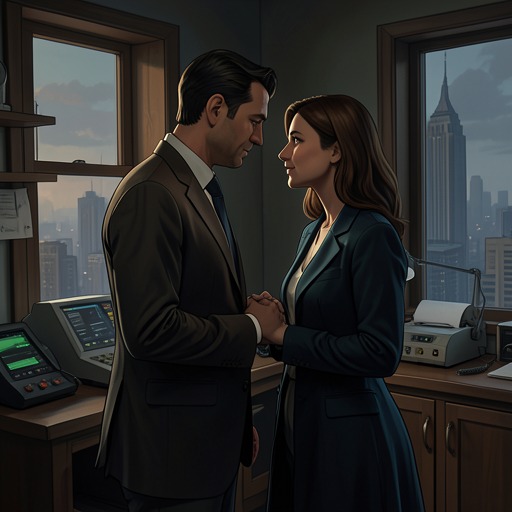
At Harry’s, Cantwell greeted [Renata](entity:character-recall-character-renata-a8f4b0e20b8a), a beautiful young woman from an old Venetian family whom he loved. Their conversation moved between teasing and tenderness as she admitted how deeply she had fallen for him and how painful it was to love a man more than fifty years old who expected to die.
the evening before the Venice visit
The Hand and the Dream
[Renata](entity:character-recall-character-renata-a8f4b0e20b8a) told Cantwell that she had dreamed of his injured hand as the hand of Our Lord, and she asked to touch it. He disliked looking at the damaged hand, but her tenderness made it a point of intimacy rather than shame.
the evening before the Venice visit
A Love Without Marriage
Cantwell and [Renata](entity:character-recall-character-renata-a8f4b0e20b8a) spoke of marriage, children, and the life they could not make together. Renata had decided not to marry him, while Cantwell imagined a family and struggled to accept that their love could be real without being allowed the ordinary future they wanted.
the evening before the Venice visit
The Portrait Gift
[Renata](entity:character-recall-character-renata-a8f4b0e20b8a) offered Cantwell a portrait painted from an earlier likeness of her and promised to send it to the hotel. He accepted the gift as a way to keep her image near him, though he understood that the painting could not replace the living woman.
the evening before the Venice visit
The Emeralds
Outside a jewelry shop, [Renata](entity:character-recall-character-renata-a8f4b0e20b8a) placed her inherited emeralds in Cantwell’s pocket so he could carry them as a lucky charm. He objected that the gift was too valuable and not fully honorable to keep, a dispute that would follow him through the next day.
the evening before the Venice visit
Dinner at the Gritti
[Renata](entity:character-recall-character-renata-a8f4b0e20b8a) joined Cantwell for dinner at the Gritti, where the [Gran Maestro](entity:character-recall-character-gran-maestro-4c3a52c335ad) served lobster, steak, wine, and the intimate rituals of a familiar table. The lovers joked about food and the Order, but their talk repeatedly returned to Cantwell’s failing heart and the narrow span of time they shared.
the evening before the Venice visit
The War in Conversation
At dinner, [Renata](entity:character-recall-character-renata-a8f4b0e20b8a) asked Cantwell about his military life, and he explained the difference between the work of soldiers and the stories later told about them. He distrusted generals’ memoirs and professional writers who had not fought, insisting that firsthand experience was too complicated and painful to turn into a clean account.
the evening before the Venice visit
The Paris Account
Cantwell described the liberation of [Paris](entity:location-recall-location-657453741ed3) as an emotional event rather than a great military operation, recalling the bridge, the slow entry, and the confused stories around the city’s resistance. [Renata](entity:character-recall-character-renata-a8f4b0e20b8a) listened because she wanted to share his experience, even when his bluntness made the truth less romantic than the histories she knew.
the evening before the Venice visit
The Cardiac Confession
Cantwell learned that the [Gran Maestro](entity:character-recall-character-gran-maestro-4c3a52c335ad) also had a heart condition, then admitted more plainly that his own heart could stop without warning. He tried to make the subject a joke, but [Renata](entity:character-recall-character-renata-a8f4b0e20b8a) recognized it as the sorrow beneath their talk and asked him not to speak of death.
the night before the Venice visit
The Gondola Ride
Cantwell and [Renata](entity:character-recall-character-renata-a8f4b0e20b8a) left the hotel in a gondola on a cold, windy night, sharing a blanket and the privacy of the dark canals. Their physical closeness briefly made the world feel like a home they could inhabit, while the city’s bridges and tide carried them through an intimacy that could not alter their circumstances.
late that night
The Walk Home
After the gondola ride, Cantwell walked [Renata](entity:character-recall-character-renata-a8f4b0e20b8a) to her family’s palace and tried to be kind as they parted. She went inside alone, leaving him to return to his hotel with the knowledge that their tenderness had not made the coming separation any easier.
late that night
The Portrait in the Room
Back at the Gritti, Cantwell found the portrait placed where he could see it from his bed. He spoke to the painted [Renata](entity:character-recall-character-renata-a8f4b0e20b8a), took the emeralds from his pocket, and tried to treat both objects as practical possessions even as each made her absence sharper.
the following morning
A Morning with the Portrait
Cantwell woke before daylight and addressed the portrait as if it were a companion. His talk wandered from jokes to regrets and to the dead, revealing how the picture had become a temporary listener for feelings he could not voice to [Renata](entity:character-recall-character-renata-a8f4b0e20b8a).
the following morning
The Morning Walk
Cantwell left the hotel and crossed the city alone, playing his private navigation game through [Venice](entity:location-recall-location-venice-0377938b8d6a)’s streets and bridges. When two young men insulted him for his uniform, age, and supposed inability to love, he confronted them without striking, using his presence to make them retreat.
the following morning
The Market
Cantwell wandered through the Rialto market, buying fine sausage for himself and a milder piece for the retriever Bobby. He studied the fish and shellfish with the attention he gave to paintings, finding pleasure in the living abundance of a city that he loved.
later that morning
The Call from Renata
[Renata](entity:character-recall-character-renata-a8f4b0e20b8a) called the Gritti and asked to meet Cantwell at the Florian. He told her he still had the emeralds and that the portrait had helped, then suffered a sudden spell of pain and weakness after the call.
later that morning
The Stones in the Safe
After recovering enough to stand, Cantwell placed the emeralds in the hotel safe under [Renata](entity:character-recall-character-renata-a8f4b0e20b8a)’s name, arranging for either of them to claim them. The act reflected his instinct to return what he could not honestly accept, even while he wanted to keep a token of her close.
late morning
Breakfast by the Canal
Cantwell and [Renata](entity:character-recall-character-renata-a8f4b0e20b8a) met again and returned to the Gritti for an elaborate breakfast. They discussed the city, trees, and an imagined American road trip, making a domestic future together in conversation even as both understood it was only a dream.
late morning
The American Road Trip
[Renata](entity:character-recall-character-renata-a8f4b0e20b8a) and Cantwell imagined driving across the United States, staying in hotels and roadside camps, and seeing the trees of the West. The fantasy made their incompatible futures vivid: she wanted to travel with him, while he could offer only plans that depended on an uncertain life he might not have.
around midday
The Portrait in Daylight
In Cantwell’s room, he and [Renata](entity:character-recall-character-renata-a8f4b0e20b8a) looked at the portrait in full light and compared it with the living woman. They shared a quiet intimacy, but Renata named Cantwell himself as her great sorrow, forcing him to acknowledge that love could not shield her from his age or his illness.
around midday
The Marriage He Could Not Offer
Cantwell and [Renata](entity:character-recall-character-renata-a8f4b0e20b8a) discussed his former marriage and the divorce that had helped make a new marriage impossible. He promised that no old love or memory competed with her, and Renata accepted his reassurance while recognizing how much the past constrained their future.
around midday
The Hürtgen Story
[Renata](entity:character-recall-character-renata-a8f4b0e20b8a) asked Cantwell to explain the Hürtgen campaign, and he described the regiment’s losses, the bad terrain, and the confident plans made by distant commanders. As he spoke, the account shifted from military explanation into confession, exposing the weight of a command he had never stopped carrying.
around midday
The Soldier’s Confession
Cantwell told [Renata](entity:character-recall-character-renata-a8f4b0e20b8a) that a regiment was ordered into a costly assault despite the possibility of taking the town by negotiation. He described men killed, companies wrecked, and headquarters repeating orders, while Renata tried to help him release the grief without turning it into a polished war story.
early afternoon
The Sleeping Listener
[Renata](entity:character-recall-character-renata-a8f4b0e20b8a) fell asleep holding Cantwell’s injured hand as he continued silently through memories of the campaign. He watched her rest and thought about the regiment, the men he had lost, and the difference between a personal memory and the statistics in an official report.
early afternoon
The Dead and the Road
Cantwell remembered clearing the flattened body from a road and seeing animals feed on a burned soldier, details he considered impossible to make useful in a book. He feared that no story could prevent war, yet could not forget the men whose deaths had become part of his own life.
later that afternoon
The Jewel for Renata
Cantwell and [Renata](entity:character-recall-character-renata-a8f4b0e20b8a) went to the jeweler and chose an ebony figure with a jeweled turban for her. When she tried to make the purchase for him, he insisted on paying as best he could, distinguishing between accepting a portrait and taking an expensive inheritance.
later that afternoon
The Gift Returned
Cantwell told [Renata](entity:character-recall-character-renata-a8f4b0e20b8a) that the emeralds were in the safe and that he could not keep them. She understood the difference between the stones and the portrait, and the exchange made clear that their affection could not erase the limits Cantwell had set for himself.
late afternoon
The Farewell Begins
Cantwell and [Renata](entity:character-recall-character-renata-a8f4b0e20b8a) spent their remaining hours together at Harry’s and at the Gritti, trying to keep their conversation light while the time of his departure approached. Their imagined American journey returned in fragments, but Renata increasingly faced the fact that she would be left behind.
late afternoon
The Order’s Secret
Before leaving, Cantwell and the [Gran Maestro](entity:character-recall-character-gran-maestro-4c3a52c335ad) admitted [Renata](entity:character-recall-character-renata-a8f4b0e20b8a) into the Order as its honorary secretary. Cantwell revealed its supreme secret: love and fun existed, but the death of the goldfish left a silence no joke could fill.
late afternoon
The Last Meal
Cantwell and [Renata](entity:character-recall-character-renata-a8f4b0e20b8a) ate their final meal together at the Gritti, and he repeatedly told her that he loved her. Their talk of wine, the age difference, and the next Saturday they might never share gave ordinary details the weight of a goodbye.
early evening
The Departure from Venice
Cantwell left the hotel with Jackson, his luggage, guns, and the wrapped portrait. [Renata](entity:character-recall-character-renata-a8f4b0e20b8a) asked to ride with him to the garage and he let her, though he knew that extending the journey would make the separation harder.
early evening
The Last Goodbye
At the garage, Cantwell and [Renata](entity:character-recall-character-renata-a8f4b0e20b8a) sat beneath bare trees and finally acknowledged that nothing more could be said. They kissed and parted; she returned toward the city while he went on with Jackson, carrying the portrait but leaving the emeralds behind.
the next day
The Drive to the Shoot
Cantwell and Jackson traveled toward the marshes for the duck shoot, with [Barone Alvarito](entity:character-recall-character-barone-alvarito-784f976664d5) joining the expedition. Cantwell gave Jackson a written order about returning the wrapped painting and guns to the Gritti if he died, quietly preparing for the heart attack he expected might come.
before daylight on the shooting day
Ice in the Blind
Cantwell and the boatman broke through newly frozen water to reach the sunken barrel blind, then set out decoys and a live calling duck. Their work was difficult, and the boatman’s anger made the morning feel wrong before the shooting had properly begun.
at first light on the shooting day
The First Double
Cantwell shot two ducks cleanly while taking care not to fire toward the boat. When the boatman warned him not to shoot in that direction, Cantwell answered with anger but continued to insist on safe, careful shooting.
during the morning shoot
The Boatman’s Anger
The boatman continued smashing ice and throwing decoys with a hostility Cantwell could not understand. Cantwell tried to restrain his temper, reminding himself that the shoot might be one of his last and that he should not let the man spoil it.
later in the morning
The Stolen Flight
A flight of ducks came within reach of Cantwell’s blind, but the boatman fired at them from farther off and brought one down. Cantwell recognized the act as an unforgivable breach of shooting etiquette and fired twice toward the man so he would know that Cantwell had seen him.
during the morning shoot
A Moment with Renata
As the birds stopped flying, Cantwell imagined [Renata](entity:character-recall-character-renata-a8f4b0e20b8a) beside him in the blind, warm against the cold and watching the sky. He thought of the gifts he had never managed to give her and of the future he could not secure, then forced himself to stop wishing she were there.
after the shoot
The Boatman’s Explanation
When the boatman finally brought Cantwell back, he apologized for shooting in anger and offered him a drink from his flask. [Barone Alvarito](entity:character-recall-character-barone-alvarito-784f976664d5) later explained that the man’s wife and daughter had been raped by Moroccan soldiers, giving Cantwell a reason for the hostility that he had not known during the hunt.
after the shoot
The Wounded Mallard
Bobby found a wounded mallard in the grass, and Cantwell examined it carefully before deciding it was only wing-tipped. He ordered the boatman to keep it alive for a caller or release it in spring, offering the bird a chance he knew he could not offer himself.
during the drive back toward Trieste
The Final Heart Attack
On the road, Cantwell suffered the first of the heart attacks he had anticipated, then a second and a third. He told Jackson to pull over, recited the remembered words of Stonewall Jackson about crossing the river and resting under the trees, and climbed into the back seat of the car.
near the ending
Cantwell’s Death
Cantwell closed the car door carefully and never spoke again. Jackson found a place to turn the car around and read the order directing that the portrait and two shotguns be returned to the Gritti, then resumed the drive toward [Trieste](entity:location-recall-location-d475e87ba5ac) with the responsibility Cantwell had left him.