November 1823
AmadeusNovember 1823 frames Antonio Salieri’s late-night confession in Vienna. The date turns the opening accusation of murder into the setting for a vigil: Salieri summons the audience as witnesses, recounts the fame that became his punishment, and reaches dawn still resisting oblivion.
The November frame
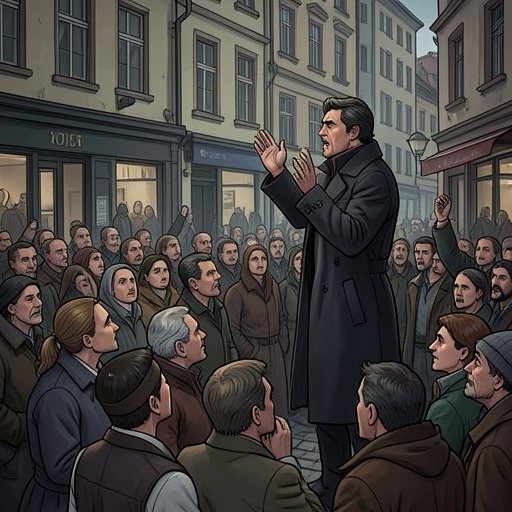
The play first places its action in Vienna in 1823, amid darkness and angry murmurs. The citizens’ repeated cries of Salieri’s name are joined by a barely audible accusation of murder; as the light rises, the crowd appears packed together onstage. The date therefore enters as public condemnation before the audience sees Salieri alone with his account.
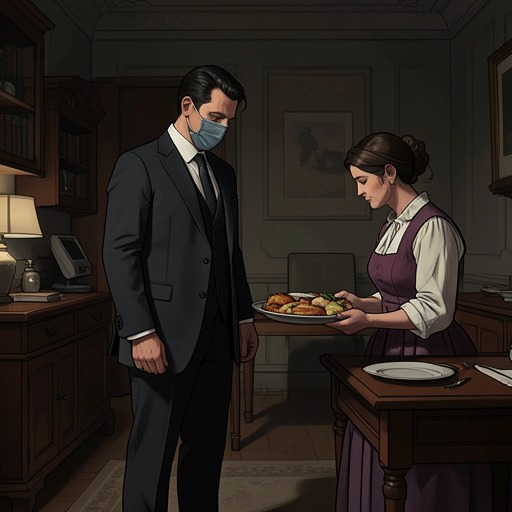
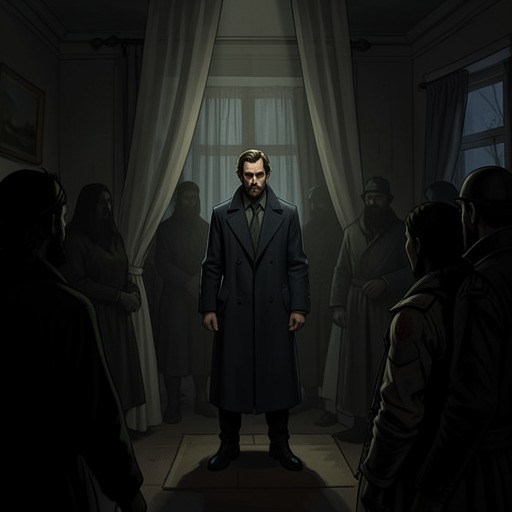
The focus shifts to Salieri’s apartments on a late November night. A clock strikes three as he addresses the audience as shadows of the future and asks them to come to his dusty room and act as his confessors. He proposes that they stay only until six, giving the night a stated limit and making the passage toward dawn part of the scene’s dramatic structure.
Confession through the night
Within this frame, Salieri looks back on the thirty-two years he remained in Vienna, where he was widely revered. He describes fame as a divine punishment: he had asked for it as a child and received it, but believes his work did not deserve the acclaim. The November night holds together the public honors he recalls—receptions, prizes, city medals, and decorations—and his conviction that Mozart’s music would endure while his own would disappear from hearing.
The confession also moves between speech and theatrical action. As Salieri describes being celebrated, the citizens kneel and silently applaud; when he recounts the coming silence and the loss of fame, they rise and leave. The audience witnesses both the remembered adulation and its withdrawal within the same span of night.
Dawn and the return to the apartment
At six, the scene returns explicitly to Salieri’s apartment. During the transition, attendants bring his wheelchair and give him his old dressing gown and cap; he removes his wig and becomes the old man again. Dawn thus closes the frame around the earlier, public image of Salieri and restores the solitary figure who began the vigil.
The hour does not resolve his fear of being forgotten. At dawn he says that he cannot accept oblivion and claims he has spent the week shouting his crime. The murmurs of his name begin again, recalling the opening of the play. November 1823 therefore marks not simply a date but a circular theatrical present: the accusation that opens the action returns as Salieri tries to make his confession outlast the night.