Kuang
AnalectsKuang is the place where Confucius is put in fear, but the brief account makes it more than a setting of physical danger: there he declares that the cultural inheritance associated with King Wen rests with him and that, while Heaven preserves it, the people of Kuang cannot destroy him. A later recollection links the crisis to Yan Hui, who had fallen behind and was feared dead before rejoining his teacher.
The Crisis at Kuang
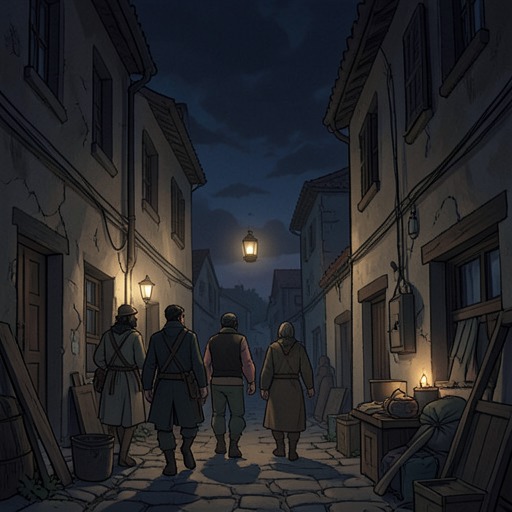
The account states simply that Confucius was put in fear in Kuang. It gives no further description of the place, the people who threatened him, or the circumstances that brought about the danger. Its focus is instead the response the crisis draws from Confucius: he turns from immediate peril to the question of whether the cultural tradition he serves can perish.
Confucius invokes King Wen, whose death had left the cause of truth lodged in the living. He argues that if Heaven had intended that inheritance to disappear, he would not have received a relationship to it; because Heaven has not allowed it to perish, the people of Kuang cannot determine its fate. The declaration makes his survival inseparable from the continuity of the tradition he carries.
A Claim of Cultural Responsibility
The episode’s confidence is not presented as a claim that danger is unreal. Confucius has been put in fear, and his words answer that danger by locating his personal vulnerability within a larger order. His assurance depends on a condition: Heaven has not abandoned the cultural legacy. On that premise, the local threat cannot be the final authority over either his life or the tradition.
The passage gives Kuang significance through this contrast between immediate human power and the longer persistence of cultural inheritance. It does not describe a rescue or say what happens to Confucius afterward; instead, it closes its account of the crisis with the conviction that the people of Kuang cannot undo what Heaven has preserved.
Yan Hui Rejoins Confucius
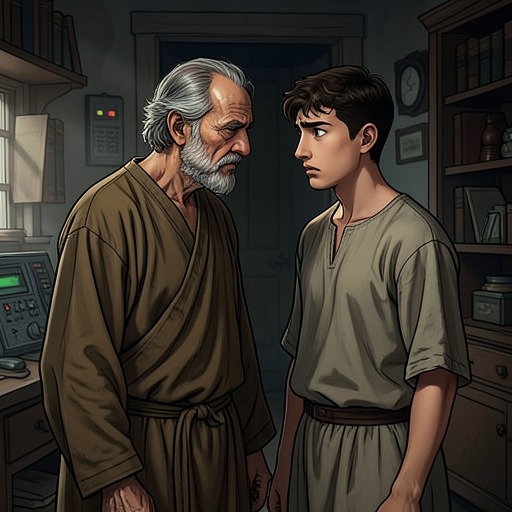
A later passage recalls the danger at Kuang from the perspective of Confucius and Yan Hui. Yan Hui had fallen behind during the crisis. When he caught up, Confucius told him that he had thought him dead; Yan Hui replied that, while his teacher was alive, he would not presume to die.
The exchange adds a human consequence to the episode’s larger claim. The earlier account centers on Confucius’s confidence in the survival of cultural tradition; the later recollection registers the fear that the separation had caused and the loyalty expressed in the reunion. Kuang thus remains associated both with a declaration of cultural responsibility and with the moment Yan Hui returns to Confucius.