Los Angeles County Social Service
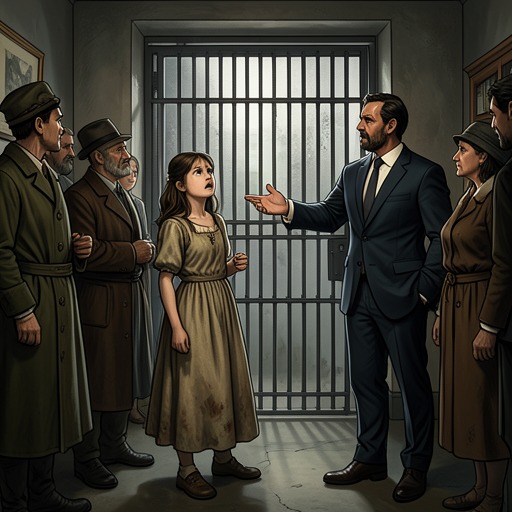
BlondeLos Angeles County Social Service is the agency responsible for Norma Jeane Baker’s dependent status and foster-care placement. In the novel, its authority reaches into the most intimate parts of her childhood: whether she may remain with a foster family, whether another family can adopt her, and whether she can be sent back to the orphanage. The agency appears less as a visible institution than as the power behind decisions and legal conditions that shape her fragile prospects for belonging.
Guardianship and Foster Placement
Only days after entering the care of Los Angeles County Social Service, Norma Jeane had exhausted her capacity to cry. Her new status as a dependent of the county places her childhood within an administrative system, rather than securely within a family. The account also shows how that system operates through foster placements: older children who had spent months in foster homes could be returned to the orphanage when the arrangement failed, where they might remain until age sixteen. For children already deemed too old by prospective adopters, a failed placement could therefore mean a return to institutional care rather than a fresh start.
Norma Jeane’s own placement with Elsie Pirig and Warren Pirig lasts eighteen months. She is welcomed into their household and takes on its routines, but her place there remains contingent on the service system’s decisions. The foster home provides daily care; it does not, by itself, remove the uncertainty of her dependent status.
Adoption and Information About Her Mother
Despite her age, Norma Jeane is considered for adoption by three couples after entering county care. The narrative presents this as unusual: prospective adopters generally sought infants or very young children, while Norma Jeane is nine, then ten, and eventually eleven. Her mother’s circumstances also accompany her case. Gladys Mortensen is alive and hospitalized at Norwalk State Hospital for Gladys, and her official diagnosis and history of alcohol and drug abuse could be provided to prospective adoptive parents who asked for that information. Adoption is therefore possible, but it is shaped by facts about Norma Jeane’s age and family circumstances that could weigh against her.
The foster-care and adoption system creates a stark contrast between children who attract prospective families and those who do not. Fleece, Janette, Jewell, Linda, and Debra Mae have already experienced placements that did not work out; as older children, they face the prospect of staying in the orphanage until they are considered old enough to support themselves. Against that background, the three couples who ask to adopt Norma Jeane appear exceptional, but their interest does not make her future secure.
Legal Vulnerability and Consequences
When Norma Jeane is fifteen, Elsie Pirig tells her that she may be sent back to the orphanage at any time unless she marries. Elsie attributes this prospect to the law and explains that Norma Jeane will remain dependent on social services until she turns eighteen. The warning is not presented as a decision already made by the agency; it reveals the precarious legal position that accompanies the placement. Because Norma Jeane looks older than her actual age, Elsie fears that adults may treat her as an eighteen-year-old even though she remains under the system’s authority.
The episode makes institutional care a continuing threat rather than a completed chapter of childhood. Los Angeles County Social Service gives Norma Jeane access to foster care and makes adoption possible, yet her dependence also leaves her exposed to the consequences of failed placements and legal restrictions. The agency’s significance lies in that double reality: it can arrange a home, but it cannot make that home feel permanent.