Raccoons
BluebeardRaccoons recur as a concrete animal presence and an affectionate metaphor in Rabo Karabekian’s memories of Edith Taft Fairbanks. A raccoon she carries foreshadows the care with which she approaches Rabo: she draws him from a hermit’s life in the barn into the household, and at their wedding reception introduces him as her “tamed raccoon.”
The Raccoon Edith Carries
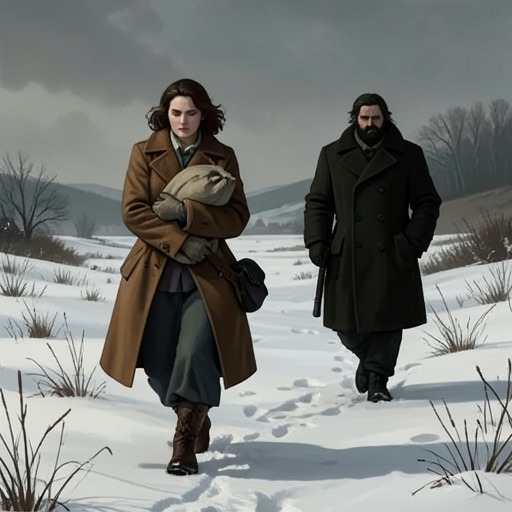
Rabo first sees Edith on a truck trip connected with renting a barn from her husband. She is carrying a tamed raccoon in her arms. The animal is not an incidental detail in his recollection: it gives him an image for the characteristic way Edith relates to living creatures, an approach that later extends to him.
Rabo describes Edith as able to tame almost any kind of animal and as a loving, uncritical nurturer of anything that seems half alive. He imagines that she had treated her first husband with similar tenderness, though he acknowledges that he does not know what animal she might have likened him to. The raccoon therefore belongs to a broader portrait of Edith’s caretaking nature, rather than standing alone as a pet anecdote.
Rabo as a Tamed Animal
When Rabo is living as a hermit in the barn, Edith needs a new husband and gradually draws him toward her through nature poems and good food left outside his sliding doors. He describes this courtship as taming: the raccoon she once carried becomes a figure for his own passage from isolation into domestic life. The comparison presents Edith’s attention as patient and practical, expressed through poems and meals rather than through an explicit account of persuasion.
At the wedding reception, Rabo is dressed in his Izzy Finkelstein suit when Edith introduces him to a female relative from Cincinnati as her “tamed raccoon.” The phrase makes their private history into a public joke, but it also acknowledges how she sees their relationship: Edith has taken in a solitary man and made him part of her household.
Rabo’s Later Recollection
Rabo returns to the raccoon image while reflecting on repeated conversations about his ability to draw. He recalls that Slazinger and his first wife did not think he could draw, whereas his second wife did not care whether he could. He says he was simply an old raccoon she brought in from the barn and turned into a house pet, because she loved animals whether they could draw or not.
This later formulation sharpens the metaphor’s meaning. Rabo contrasts being judged as an artist with being accepted without regard to artistic ability. The raccoon stands for the version of him Edith welcomed: not a talent to assess, but a living creature to care for. The image thus links the animal in her arms, her nurturing habits, the barn-side courtship, and Rabo’s understanding of the unconditional quality of her affection.