1867
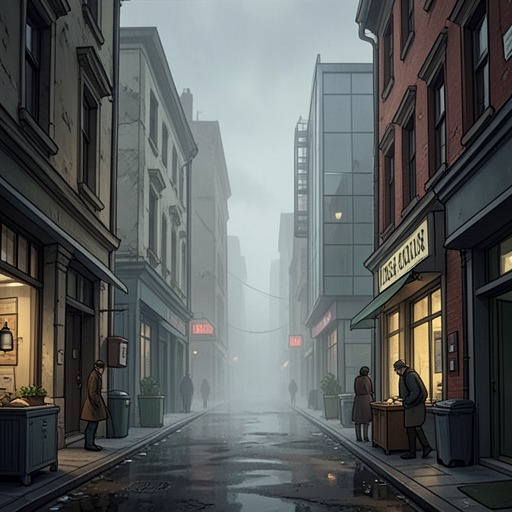
Chowringhee1867 is the year Satyasundar Bose invokes to imagine a hotel receptionist witnessing an encounter between Vidyasagar and Michael Madhusudan Dutta. The scene gives a date and a vivid human shape to the novel’s concern with history that happens in public yet goes unrecorded by those absorbed in their work.
The imagined encounter
Bose specifies that the scene took place not at the Shahjahan Hotel but at another hotel. In his reconstruction, a receptionist looks up from his registers when an unfamiliar visitor arrives: Vidyasagar, dressed in a dhoti with a sacred thread visible and red slippers on his feet. The receptionist cannot know why the Brahmin has come. When Vidyasagar asks to see Mr. Dutta, the employee recognizes the name as belonging to a guest recently returned from England and asks him to wait. The encounter changes when Dutta comes down. He greets the other people in the lobby, then embraces and kisses Vidyasagar, holding him in a long bear hug and dancing with him. Vidyasagar, overwhelmed by the exuberance, can only ask to be released. Bose imagines the receptionist as bewildered by the scene, able to witness its force without understanding its place in history.
A worker at the edge of history
Bose says the thought of Vidyasagar and Dutta together makes his hair stand on end. He envies the imagined receptionist because that worker is the one remembered, while thousands of others have fallen into oblivion—and hotel employees, including Bose and the narrator, may do the same. The date therefore marks not merely a meeting between notable men but a question about who becomes visible in the record: the celebrated guests, or the worker behind the desk who happened to see them. The narrator follows Bose back in imagination to that nineteenth-century afternoon and wonders how events unfolding in the present will find a place in history books. Bose distinguishes between history written in detail and another kind that everyone knows but no one dares put into words. He suggests that the hotel’s own dramatic moments may belong to this unwritten history. The imagined scene in 1867 becomes a measure for recognizing the significance of events that ordinary work can make easy to miss.
The past kept in fragments
The novel sets this act of imaginative recollection alongside more tangible traces of the past. The Shahjahan’s lobby displays old sketches that announce the hotel’s history and tradition; elsewhere, Hobbs keeps a notebook of newspaper clippings extending back decades, including an old advertisement placed by the hotel. He also recalls Silverton, who would eventually buy the hotel, and a period when the building was deteriorating and supplies were scarce. Such fragments preserve parts of the establishment’s history, but they do not amount to a complete account of the people who passed through it. Against these partial archives, Bose’s imagined receptionist makes 1867 a figure for the fragile boundary between witnessing history and being remembered by it.