Emily Sinico's death at Sydney Parade Station
DublinersEmily Sinico’s death at Sydney Parade Station is a reported railway accident whose significance unfolds in the aftermath: the newspaper account of her death makes James Duffy revisit their relationship and recognize the loneliness he had left her to endure. The event turns a public report into a belated reckoning with a private loss.
The Accident and Its Report
The newspaper identifies Sinico as forty-three years old and says she was killed the previous evening at Sydney Parade Station while attempting to cross the railway line. The train, a slow service from Kingstown, struck her; the report records injuries and a subsequent failure of the heart’s action as the probable cause of death. The account presents the death through the formal language of an inquest rather than through a direct scene of the accident.
Medical testimony adds an important qualification: the injuries were not considered sufficient to cause death in a normal person, and the doctor attributed the fatal outcome probably to shock and sudden failure of the heart. The newspaper thus supplies details about the circumstances while leaving the precise cause qualified rather than certain.
What the Inquest Reveals
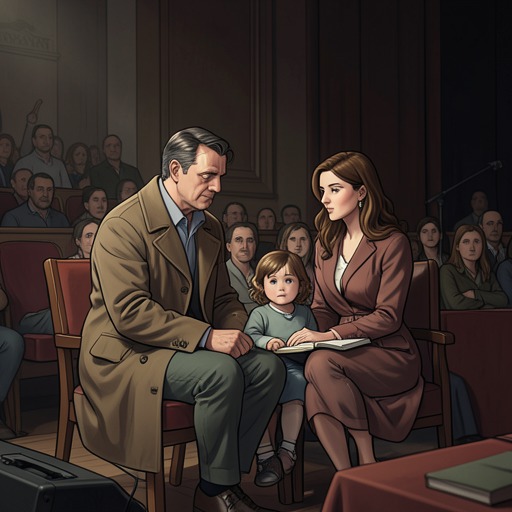
The report records testimony from railway employees and the police as well as from Sinico’s husband, Captain Sinico. He says he was away from Dublin when the accident occurred, having arrived from Rotterdam that morning. He and Emily had been married for twenty-two years and had lived happily until about two years earlier, when, in his account, she began to drink intemperately. His evidence gives the public report a domestic history, though it does not explain the circumstances of her death beyond the accident itself.
The railway company’s representative expresses regret but argues that the company had taken precautions against people crossing the tracks, including station notices and spring gates. He also says Sinico had habitually crossed between platforms late at night and concludes that railway officials were not to blame. The inquest therefore frames the event through competing concerns: the fatal accident, the railway’s stated safeguards, and the testimony about Sinico’s habits.
Duffy’s Recognition and the Aftermath
Duffy first encounters the news as a paragraph in the evening paper. He stops eating, reads it repeatedly, takes the paper home, and reads the account again. The newspaper’s impersonal details interrupt his routine and draw him back toward his memory of Sinico. As he sits with the news, he imagines her presence and recognizes that she is dead and has become a memory.
His thoughts turn to the relationship he had ended. He considers that he could neither continue their relationship through deception nor live with her openly, and asks himself whether he could have acted otherwise. Yet the news changes the weight of that reasoning: he now understands how lonely her life may have been, alone night after night, and sees that his own life may likewise end in loneliness and be forgotten.
After leaving the public house, Duffy walks through the park along paths where they had walked four years earlier. Memory makes her seem near, and he asks why he withheld life from her and whether he had sentenced her to death. The text does not establish that he caused the railway accident; his sense of responsibility concerns the life and happiness he believes he denied her. The distinction makes the reckoning moral and emotional rather than a claim of physical causation.
Significance
The report’s public facts and Duffy’s private response remain in tension. The inquest can describe the train, the witnesses, the safeguards, and the medical opinion, but those details cannot resolve the human meaning of Sinico’s death for the man who had broken with her. Her death prompts a recognition that arrives too late to change her life: Duffy sees both her isolation and the possibility that his own existence will narrow into the same loneliness. The event therefore shifts the story from his confidence in the rectitude of his decision toward an awareness of its cost, while leaving the full circumstances of Sinico’s inner life beyond what the report can establish.