Clonegal
FosterClonegal is the point of departure for the girl’s journey to stay with the Kinsellas, marking the moment when an expected trip home instead carries her toward the Wexford coast. The village also belongs to the family’s remembered geography: nearby roads and villages hold the story of Dan’s lost red heifer, a memory that resurfaces on the return journey.
Departure from Clonegal
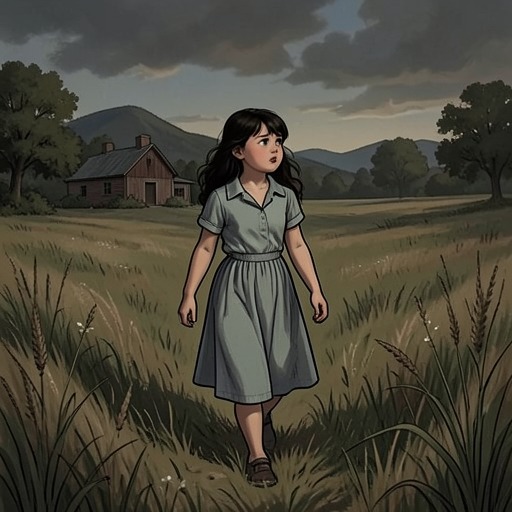
Early on a Sunday, after first Mass in Clonegal, Dan drives away rather than taking his daughter home. Their destination is deep in Wexford, toward the coast from which Mary’s people came. The choice makes Clonegal a threshold between the girl’s familiar life and an unfamiliar stay; her journey begins not with a declared farewell, but with the deviation from the route she expects.
As the car moves onward, the girl watches the sky and trees through the rear window. Her thoughts turn to what the Kinsellas’ home and its occupants might be like, imagining both welcome and work. These are expectations formed during the drive away from Clonegal, before she knows what the new household will actually offer.
Roads and family memory
The outward drive passes through Shillelagh, where Dan lost the family’s red Shorthorn in a game of forty-five, and then past the mart in Carnew. The man who won the heifer sold her shortly afterward. These place names give the journey a history before the girl reaches its destination: the road carries not only her away from home but also the family’s account of an earlier loss.
On the return journey, the car travels up through Gorey and back along the narrow roads through Carnew and Shillelagh. The girl recognizes the familiar story in the landscape and tells Kinsella that Shillelagh was where Dan lost the red heifer playing cards. Kinsella asks whether that is a fact. The exchange brings the old family anecdote into the present journey, linking the places on the road to the girl’s changing experience of leaving and returning.
Narrative significance
Clonegal’s importance is established through its position in the journey rather than through a detailed description of the village itself. It is named at the opening, at the point where Dan’s decision redirects the girl from going home toward Wexford. The later passage through Carnew and Shillelagh makes the roads feel familiar for another reason: they are already threaded with family stories.
The journeys therefore give the place names a double function. They locate the girl’s movement across the countryside and preserve remembered events that she can recognize and recount. On the way out, the road opens onto an unknown household; on the way back, it gives her an occasion to share a piece of her family’s past.