Mary’s pregnancy
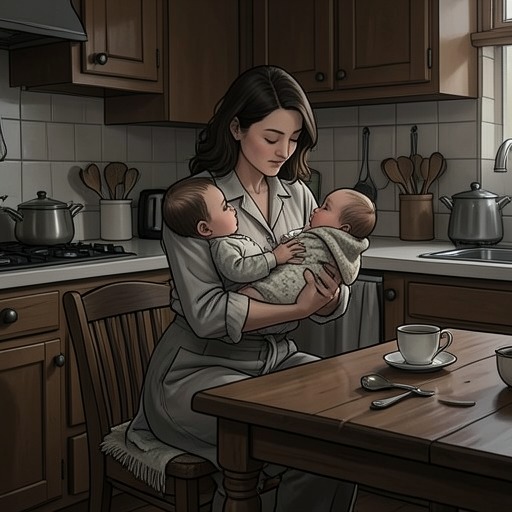
FosterMary’s pregnancy shapes the Unnamed girl’s summer away from home before the baby is ever born. It is first present in the girl’s recollection of her mother preparing her hair tightly for departure, with Mary’s pregnant body close behind her. Later, Mary is nearing her time, and a letter announces the arrival of a son weighing nine pounds, two ounces. The pregnancy therefore marks both the circumstances of the girl’s separation from home and the family change that helps bring that separation to an end.
Background and the Girl’s Departure
The girl remembers Mary’s pregnancy as part of the intimate, practical preparations for her stay with John Kinsella and Edna Kinsella. Mary braids her hair, packs clean trousers in the suitcase, and sends a letter with her. The girl wonders what Mary may have written, but its contents are not disclosed. Instead, a brief exchange between Mary and Dan suggests that the duration of the stay has not been firmly settled: Dan asks how long the Kinsellas should keep the girl, and Mary leaves the length of time to them. The pregnancy is thus present at the start not through an explanation of Mary’s condition, but through the arrangements made around it and the uncertainty of when the girl will return.
At the Kinsellas’ table, Dan explains that Mary is close to giving birth. He also describes the difficulty of feeding a large family, connecting the coming baby to the household’s existing demands. His account makes the girl’s placement sound, in part, like relief from another practical burden. John Kinsella answers that the girl will not be expected to work for her keep: her only help will be to assist Edna around the house. Edna confirms that the girl is welcome. The contrast matters: Dan emphasizes the cost of another child, while the Kinsellas offer hospitality without turning the girl into farm labour.
Pregnancy, Illness, and Household Strain
During her stay, the girl gives Edna a small piece of information about Mary’s health. Mary used to be sick in the mornings but no longer is. The girl offers this as a straightforward answer when Edna asks whether her mother is all right; the exchange establishes a change in Mary’s pregnancy without explaining its medical meaning or suggesting that the earlier sickness has caused a crisis. The child’s knowledge is partial and domestic, formed from what she has observed at home rather than from an adult account of the pregnancy.
The girl also explains that Mary has not been able to pay the man who is meant to bring in the hay, and that she has only just paid him for the previous year’s work. Edna responds with concern and asks whether Mary would be offended if she sent her some money. This conversation places the pregnancy alongside the family’s financial pressures: Mary is approaching childbirth while household work and expenses remain difficult to manage. The evidence does not establish that the pregnancy causes the unpaid bill, but it shows that the coming birth is unfolding within a home already short of money and labour.
The Kinsellas’ offer to keep the girl is one practical response to that strained setting. Their welcome gives her a place to stay while Mary is pregnant, and Edna’s offer of money extends their concern beyond the girl herself. The girl’s account does not say whether the money is sent or accepted. What it does show is that Mary’s circumstances become a subject of care between the two households, even while the girl remains too young to know all the details or speak for her mother.
Birth and the Letter
After a week of rain, a letter arrives. Before it comes, the girl has noticed ordinary signs that school is approaching: lice shampoo and fine-toothed combs in a chemist’s shop, copybooks and pens in a gift shop, and lunchboxes, satchels, and hurling sticks displayed outside a hardware shop. Those preparations give the letter a context beyond the pregnancy. The girl’s stay is temporary, and the return to school is drawing near, though she has not yet been told exactly when she will leave.
Edna reads the letter, sets it down, then reads it again. She tells the girl that Mary has had a new son, weighing nine pounds, two ounces. The girl responds briefly, and John Kinsella cautions her not to be dismissive. The measured weight makes the news concrete, but the exchange does not become a sustained discussion of the birth. The girl’s attention shifts quickly to the other information in the letter: school starts on Monday, and Mary wants her to remain with the Kinsellas through the weekend so she can get the girl ready. The letter therefore reports both a family arrival and a timetable for the girl’s return.
The news that Mary has given birth changes the girl’s place in the family without displacing her. The baby is her new brother, while the letter still concerns her school clothes and her return home. Mary’s request that the Kinsellas keep her through the weekend also shows that the arrangements between the households continue after the birth: the girl does not have to leave at once, and the Kinsellas remain responsible for her until the planned handover.
Return and Narrative Significance
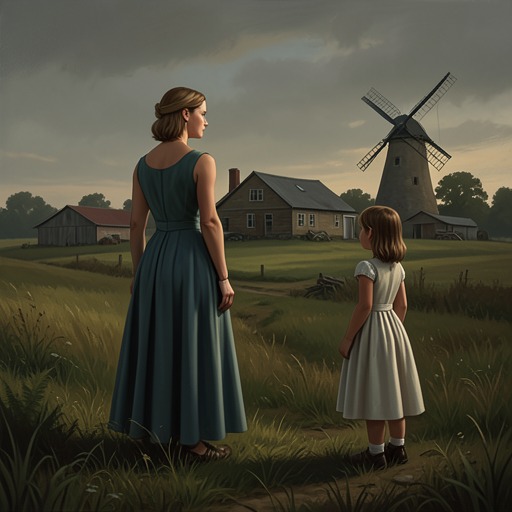
When John Kinsella and Edna Kinsella bring the girl home, John praises her to Mary and encourages her to do well in her books. His words place the girl’s schooling beside the new baby as part of her return to family life. He and Edna say she is welcome to come again, making clear that the summer stay has created a continuing connection rather than ending with the birth. The girl watches them depart before Mary asks what happened during the summer; the pregnancy is not the subject of that conversation, but the newborn and the return home now form the immediate family context.
Mary’s pregnancy gives the narrative a quiet structure of departure, absence, and return. At first, it is registered through the girl’s memory of her mother and the uncertainty around how long she will be away. During the summer, the girl learns that Mary’s morning sickness has passed and that money is scarce. Finally, a letter converts the anticipated birth into a fact and joins it to the approaching school term. The pregnancy is not explained from Mary’s perspective; it reaches the reader through remembered bodily closeness, fragments of household conversation, and the written news of a son. Its significance lies in this limited but consequential view: while the girl is being cared for elsewhere, Mary’s family changes, and the letter brings the two timelines together.