Beg at Cisler's
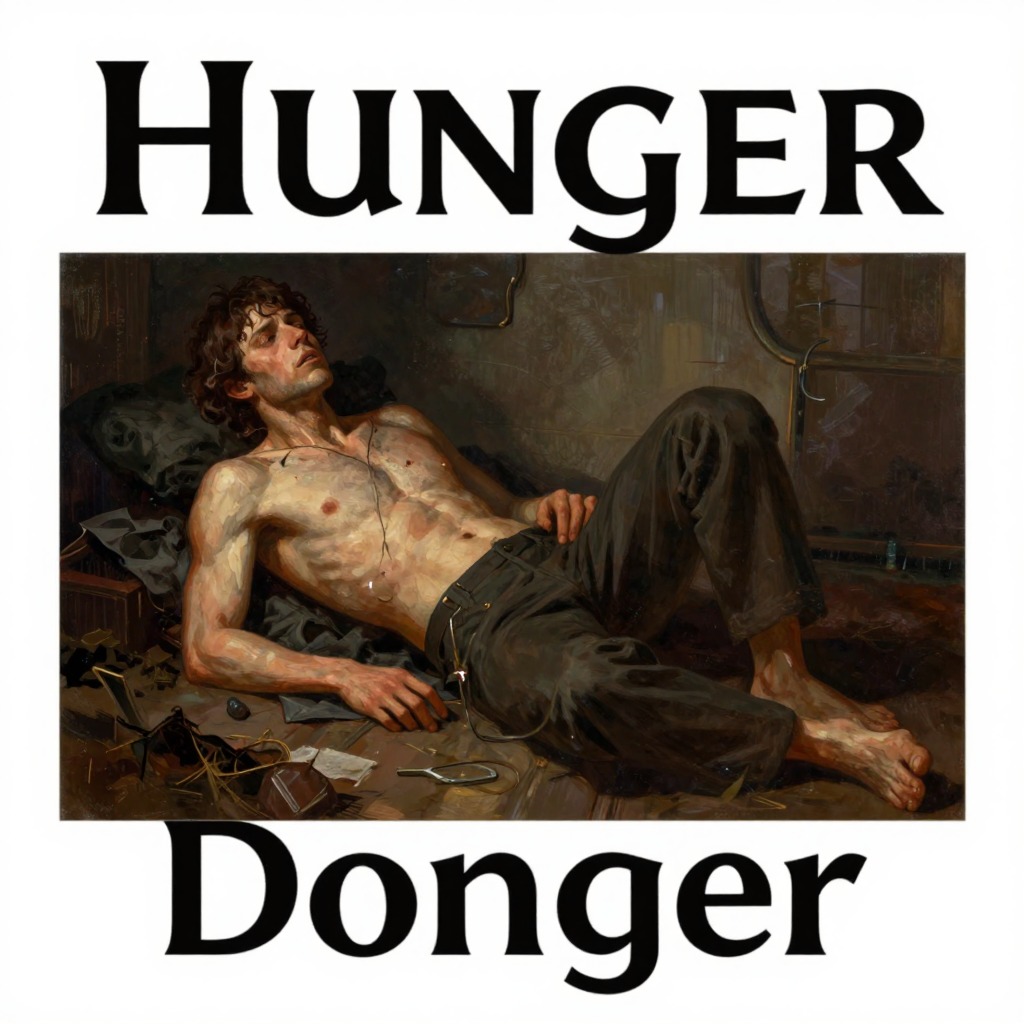
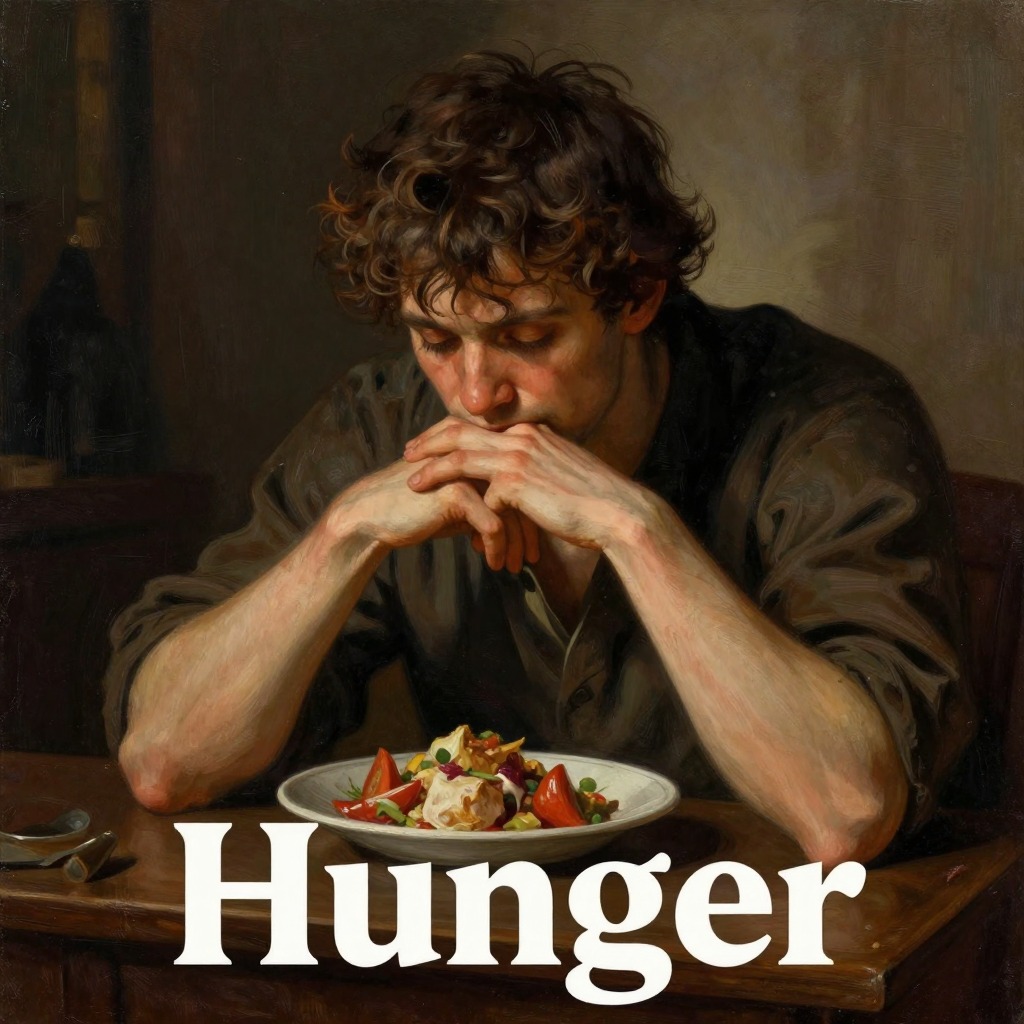
HungerBeg at Cisler's is a pivotal moment of self-abasement in the narrator's spiral of hunger, occurring during the second part of the novel when he has been without food for nearly three days. Having exhausted all other avenues, he recalls Cisler, a music-seller whose shop he had frequented in better times when he could afford to buy music. The memory of that former prosperity makes the act of begging all the more degrading, and the narrator approaches the shop with a mixture of desperate hope and foreknowledge of failure.
The Approach and the Request
Driven by a sudden, almost involuntary impulse, the narrator sets out for Cisler's establishment, which is located far from his usual haunts. He enters the shop and asks to see the proprietor, who is handsome and well-dressed in the latest style, seated at his desk running through accounts. The narrator stammers out his errand, explaining that he is compelled by need and promises to repay the loan as soon as he is paid for a newspaper article. He frames his request as a great benefit that Cisler would confer upon him, but even as he speaks, Cisler turns back to his desk and resumes his work, refusing to look at him.
The Refusal and Its Aftermath
When the narrator finishes speaking, Cisler glances sideways at him, shakes his handsome head, and utters a single word: "No." There is no explanation, no further word—only a flat, dismissive refusal. The narrator's knees tremble fearfully, and he has to support himself against the polished barrier. He makes one more attempt, but Cisler cuts him off, adding, "and let me tell you, at the same time, I've had about enough of this." The narrator tears himself away, sick with hunger and boiling with shame. The encounter reduces him to the level of a dog begging for a bone, and the refusal leaves him feeling that he has sunk to the lowest form of begging, bespattering his soul with shamelessness. This humiliation, coming after a day of fruitless efforts, marks a turning point: he realizes that he has become a thing loathsome to himself and that his degradation has reached its nadir.