Dorrance Marstellar
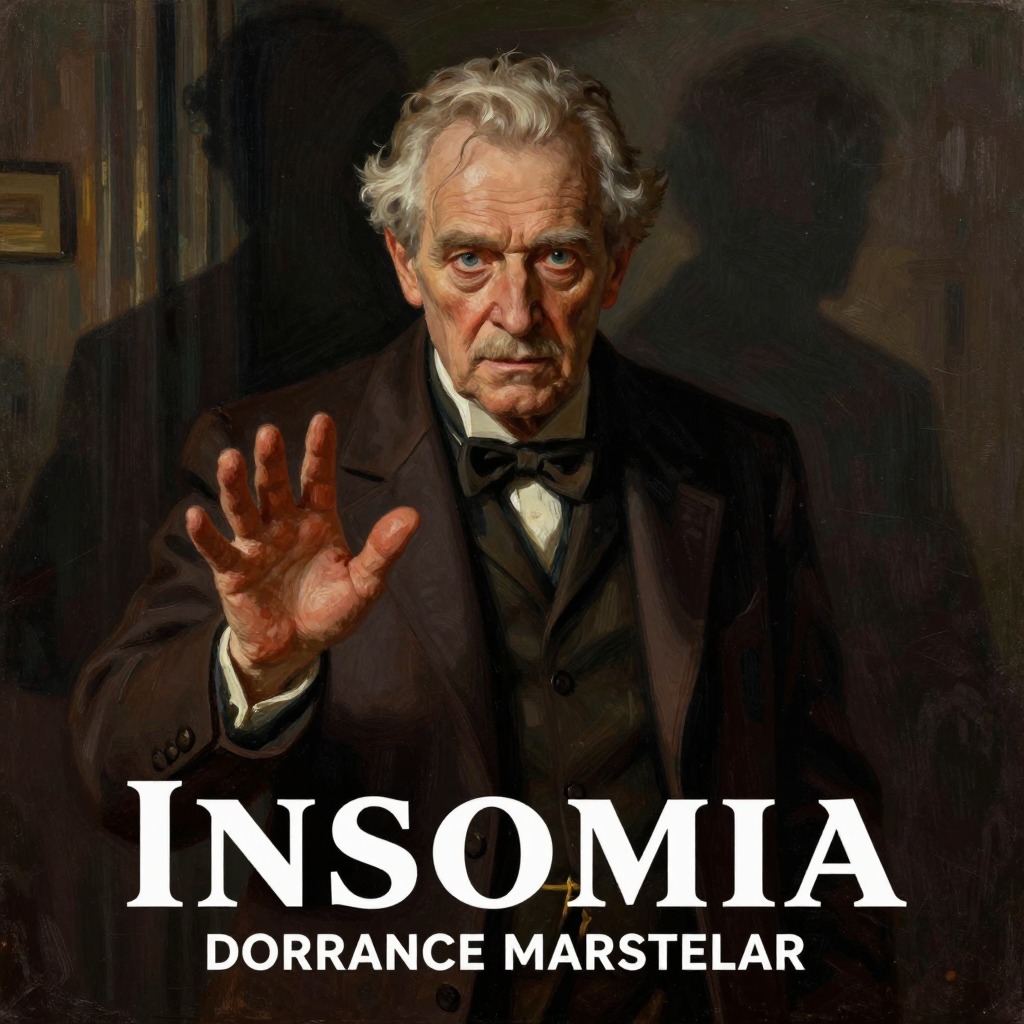
InsomniaDorrance Marstellar, known to the Harris Avenue Old Crocks as "Old Dor," is a ninety-something-year-old man who seems to be a harmless, slightly senile fixture of the community. He is almost always seen carrying a book of poetry, which he bends anxiously back and forth, and he often stands watching planes at the airport with a dreamy, slack-jawed expression. To most, he appears brainless, a man whose upper storey is empty. Yet beneath this facade lies a being of immense, otherworldly power, a conduit for forces that shape the very fabric of reality in Derry. He is a messenger, a prophet, and a guardian of the Purpose, moving through the world with a serene, knowing smile that belies his profound understanding of events beyond the perception of ordinary people.
Identity and Mysterious Nature
Dorrance is introduced as the oldest of the Harris Avenue Old Crocks, a man whose age is unmistakable and a little scary, with faded blue eyes and translucent skin. He is often dismissed by others, like Faye Chapin, who believes his lack of intelligence is why he has lived so long. However, Ralph Roberts senses something more, seeing in Dorrance's sweet smile not emptiness but a kind of ethereal, knowing quality, like a small-town Merlin. His aura, when Ralph finally perceives it, is unlike any other—a splendid envelope of light strained through a rainbow, dazzling in its complexity and beauty. This reveals him to be something far more than human, a being whose true nature is hidden from the Short-Time world. He speaks of not "messing in" with "long-time business," a phrase that hints at his role as a passive observer and occasional agent of vast, cosmic forces.
Role as a Guide and Agent of the Purpose
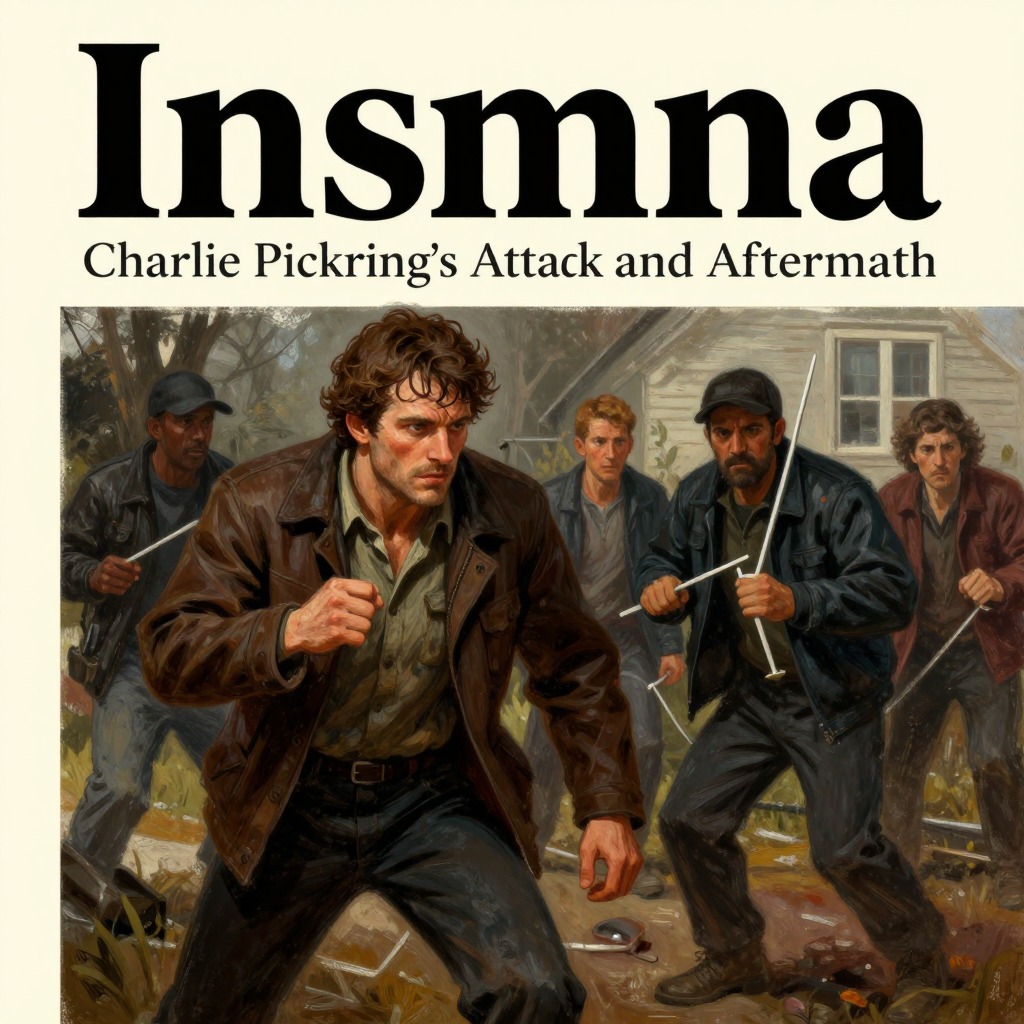
Dorrance acts as a cryptic guide for Ralph and Lois, delivering crucial information and items at pivotal moments. He appears at Ralph's porch to deliver a message to "cancel the appointment with the pin-sticker man," referring to the acupuncturist James Roy Hong, a warning that proves prescient given Charlie Pickering's knife attack. More significantly, he breaks into Ralph's apartment to retrieve the can of Bodyguard spray and places it in Ralph's jacket pocket, an act that saves Ralph's life during the attack. He leaves a calling card—a scrap of paper with a line from a Stephen Dobyns poem: "Each thing I do I rush through so I can do something else." This act demonstrates his ability to foresee future events and intervene in the physical world to steer the course of the Purpose. He later appears at the burning High Ridge shelter, leading Ralph and Lois to Joe Wyzer's waiting car, and he is present at the picnic area near the airport, watching planes and offering cryptic encouragement. He tells them they are bound together by the Purpose, a concept he calls "ka-tet," and that their task is to stop the impending disaster at the Civic Center.
Connection to Higher Forces and the Purpose
Dorrance's knowledge and power are not his own; he is a messenger, a conduit for forces far greater than himself. He admits he hardly ever answers questions, as the world is full of too many levels and possibilities. When Ralph and Lois press him for answers, he deflects, speaking in riddles and quoting poetry. He reveals that Clotho and Lachesis, the little bald doctors, are almost Short-Timers themselves, capable of making bad decisions, but that they also serve the Purpose and ka-tet. He explains that the side-trip to High Ridge, which seemed like a mistake, was actually necessary, as the Purpose sent them there for the right reasons. His final act is to deliver Ralph and Lois to Joe Wyzer, telling them they must go to the Civic Center. He then declares he is through with Long-Time business and plans to go home and read Walt Whitman, suggesting his role in this particular drama is complete. His parting words, "You did a great thing. The Long-Timers are very pleased," confirm his awareness of the cosmic significance of their actions and his connection to the higher echelons of existence.
Thematic Significance
Dorrance Marstellar embodies the theme of hidden depths and the presence of the extraordinary within the ordinary. He is a figure who exists on the threshold between the mundane world of Derry and the vast, unseen realms of the Purpose and the Random. His character challenges the reader's perception of reality, suggesting that wisdom and power can be found in the most unassuming of forms. He represents the idea that the universe is governed by a complex, often inscrutable order, and that even the most seemingly insignificant individuals can be agents of cosmic forces. His love of poetry, particularly the work of Stephen Dobyns, underscores the novel's central theme that life is a rush from one thing to the next, a pursuit of something just out of reach, and that meaning is found not in the destination but in the journey itself. He is a living reminder that the world is full of levels, and that the true nature of reality is far stranger and more beautiful than most can imagine.