Atropos
InsomniaAtropos is the third of the three little bald doctors, a rogue agent of the Random who exists in stark opposition to his counterparts, Clotho and Lachesis. While Clotho and Lachesis serve the Purpose, cutting the life-cords of the dying with love and respect as physicians of last resort, Atropos is an agent of chaos, a malevolent and insane creature who kills for pleasure and collects souvenirs from his victims. He is the primary antagonist who manipulates Ed Deepneau and sets in motion the events that lead to the deaths of Bill McGovern and the dog Rosalie, and ultimately forces Ralph Roberts into a fatal sacrifice to save a child's life.
Identity and Nature
Atropos is a short, bald creature, no more than four feet tall, who wears a dirty white smock and carries a rusty scalpel. Unlike the clean, dignified Clotho and Lachesis, Atropos is filthy and insane, his appearance suggesting a long period of neglect and malevolence. He is an agent of the Random, meaning his actions are not guided by any overarching purpose but by whim and a desire to cause suffering. He is described as a "joker in the deck," a chaotic element that disrupts the natural order. He is also a shape-shifter, able to take on the form of others, such as Ralph's mother, to manipulate and terrorize his victims. His true form is a monstrous catfish-like creature, the "Queenfish," which he uses to confront Ralph in the Court of the Crimson King.
Methods and Souvenirs
Atropos's primary method of killing is to cut the balloon-string, or life-cord, that rises from every living being. This act is a mortal, murderous one, severing the connection between the soul and the body. Unlike Clotho and Lachesis, who perform this act with solemnity, Atropos does it for sport, often taking a souvenir from each victim. His collection includes a vast underground hoard of items: McGovern's Panama hat, Rosalie's bandanna, Joe Wyzer's pocket comb, Lois's diamond earrings, and countless other objects from people he has killed or marked for death. This hoard is a profane church where he takes his own version of Communion, feeding on the grief and life-force of the objects. He also uses a jump-rope, a child's toy, as a prop, further emphasizing his twisted, childish malevolence.
Role in the Plot
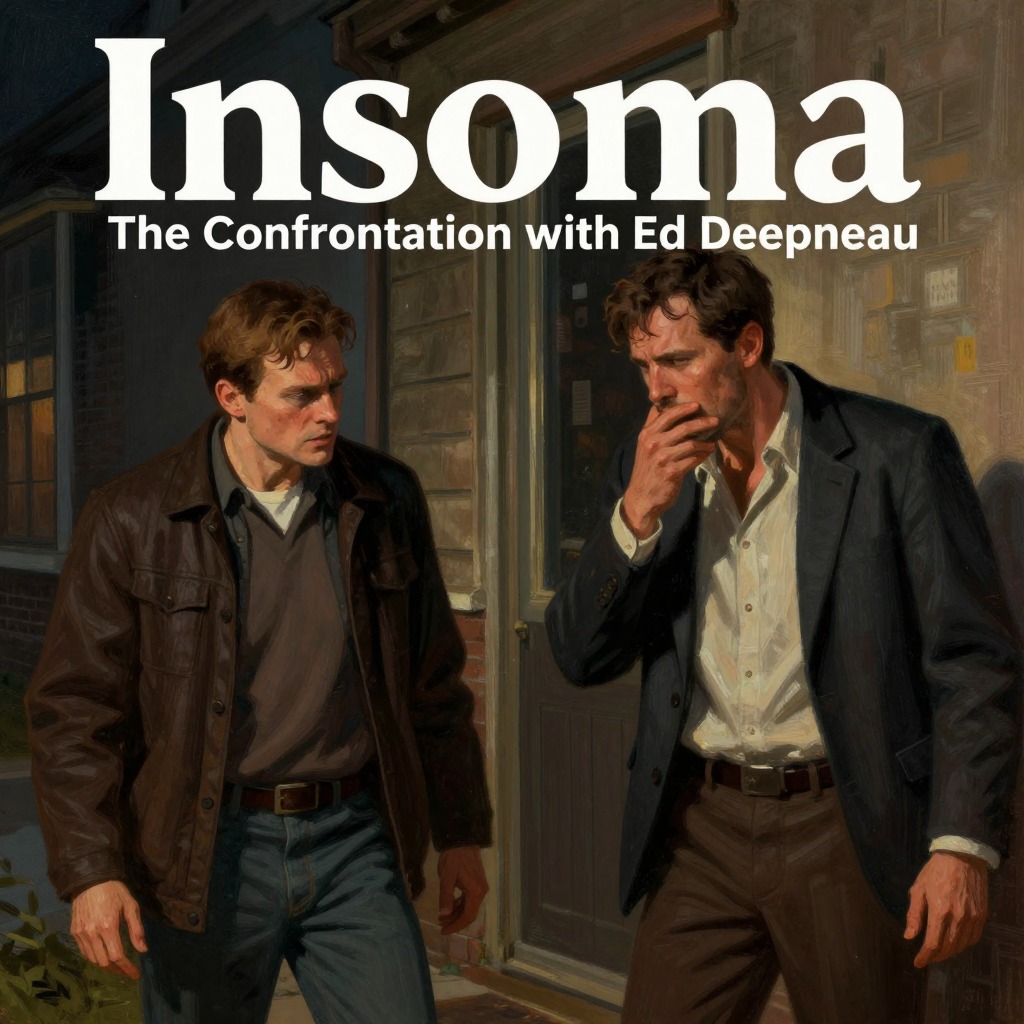
Atropos is the catalyst for the novel's central conflict. He discovers Ed Deepneau, an "undesignated" man who belongs to neither the Random nor the Purpose, and cuts his life-cord, setting Ed on a path of madness and violence. Atropos then manipulates Ed, feeding his delusions about the Crimson King and the Centurions, and ultimately directing him to crash a plane into the Civic Center during Susan Day's speech. Atropos's goal is to kill a specific little boy, Patrick Danville, whose life is crucial to the balance of existence. He also directly kills Bill McGovern, Ralph's friend, as a punishment for Ralph's interference, and attempts to kill the dog Rosalie, succeeding in severing her life-cord. He is a constant, lurking threat, appearing to Ralph and Lois at key moments to taunt them and demonstrate his power.
Confrontation and Defeat
Ralph and Lois confront Atropos in his underground den beneath the old oak tree. Ralph, using Lois's earring as a weapon, physically subdues Atropos, cutting him and forcing him to make a promise to stay away from them and Ed. However, Atropos is not truly defeated. He later reveals to Ralph that he has a contingency plan: if Ralph continues to interfere, he will kill Natalie Deepneau, a child Ralph loves. This forces Ralph into a final bargain with Clotho and Lachesis, trading his own life for Natalie's. In the end, Atropos is present at the moment of Ralph's death, dancing with rage and joy as Ralph is struck by a car while saving Natalie. His final act is to be thwarted, but he remains a free, chaotic force, a reminder that the Random can never be fully controlled.
Thematic Significance
Atropos embodies the terrifying and arbitrary nature of random death. He is the antithesis of love, purpose, and sacrifice. His existence highlights the central theme of the novel: the struggle between order and chaos, purpose and randomness. He is a force that cannot be reasoned with or defeated through conventional means; only a selfless act of sacrifice can temporarily counter his influence. His character serves as a dark mirror to Ralph, showing what a being without love or purpose can become. He is the ultimate expression of the "joker in the deck," a reminder that even in a universe governed by purpose, chaos and malevolence are ever-present.