I am who I choose to be
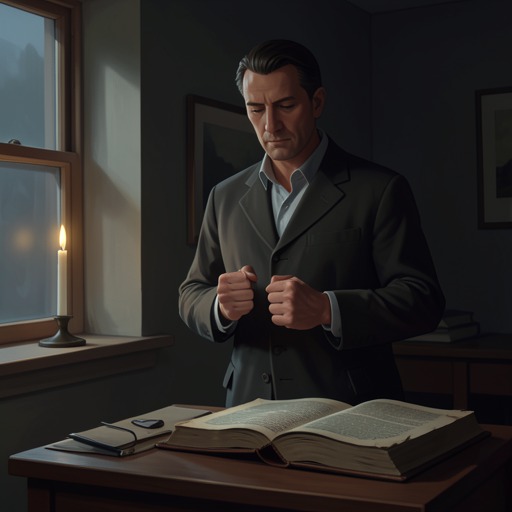
MemoryI am who I choose to be names a moment of self-recognition for Miles Vorkosigan: identity is not merely something imposed by circumstance, but something he can choose, with consequences he must accept. Its force lies in the movement from stillness to decision, and from decision to action.
Choice and consequence
The declaration appears alongside Miles’s recognition that he has always been what he chose, though not always what he pleased. That distinction gives the statement its weight: choosing a self is not the same as controlling every outcome or getting everything one wants. His mother’s teaching, recalled in the same passage, binds action to consequence and makes the choice of a desired result inseparable from taking the action that can produce it.
A moment of stillness
Before reaching the declaration, Miles experiences an unusual quiet that he first mistakes for desolation. He comes to understand it instead as balanced stillness, without movement in any direction. In that pause, he considers whether this inner space is newly formed or merely something he had never found before. The words that follow arise not as a victory over circumstance, but as clarity about who may choose within it.
The choice becomes a demand
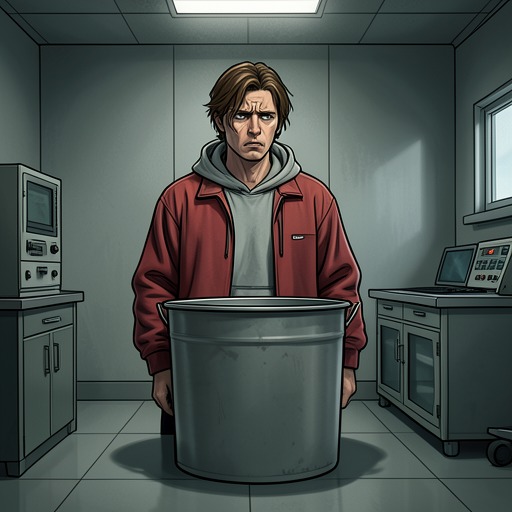
The passage also places this recognition beside the shrinking figure of Lucas Haroche and Miles’s awareness that his future will be short unless he acts. Together, those details make self-definition more than an inward reassurance: Miles sees both an adversary whose scale has changed in his perception and a limited future that requires a response. The related formulation, I elect to be . . . myself, sharpens the declaration into an act of commitment. It does not promise an easy or unconstrained life; it identifies the self Miles elects to inhabit and the responsibility that comes with that choice.