New Hope native birds
Mickey7New Hope native birds are a corvid-like avian species whose contested status as sentient beings or edible animals became the stated cause of New Hope’s civil war. Their significance lies not in any recorded physical encounter with the colonists, but in the political choice their existence forced: whether native life merited recognition and protection or could be treated as a resource.
Identity and Evidence
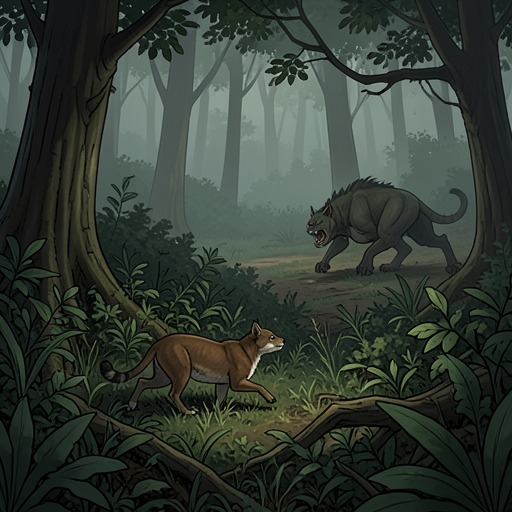
The species is described as corvid-like and native to New Hope. The account supplies no further description of the birds’ appearance, behavior, or habitat, and does not settle whether they were in fact sentient. Instead, their significance emerges through the disagreement over that question: if sentient, they deserved protection and respect; if not, they could be eaten.
Role in the New Hope Conflict
The question of the birds’ sentience was the stated casus belli in the civil war, a detail omitted from the version of New Hope’s history encountered in school. The dispute was framed in starkly practical terms, opposing recognition of the species as deserving protection to treating it as food. The evidence identifies this as the war’s stated cause, but does not specify which groups took each position or what arguments they used beyond that central disagreement.
Consequences and Significance
The war broke out about twenty-five years after New Hope’s initial beachhead was established. Fought between the remaining original colonists and the first generation born on New Hope, it was short and brutal, and it wrecked much of the infrastructure the population still needed to survive on the semi-hostile planet. A group of younger-cohort refugees escaped aboard the original colony ship and eventually reached Midgard. The birds’ contested status thus appears in the history of a conflict whose consequences reached far beyond the immediate argument, although the account does not establish that the dispute over the birds alone explains the colony’s collapse.
The episode also complicates the way colonial history classifies native life. The birds enter the record through a human political dispute, but the competing labels—beings entitled to respect or food—carry radically different consequences for them. Their unresolved sentience is not a minor gap in the account: it is precisely the uncertainty around which the colonists’ conflict turned.