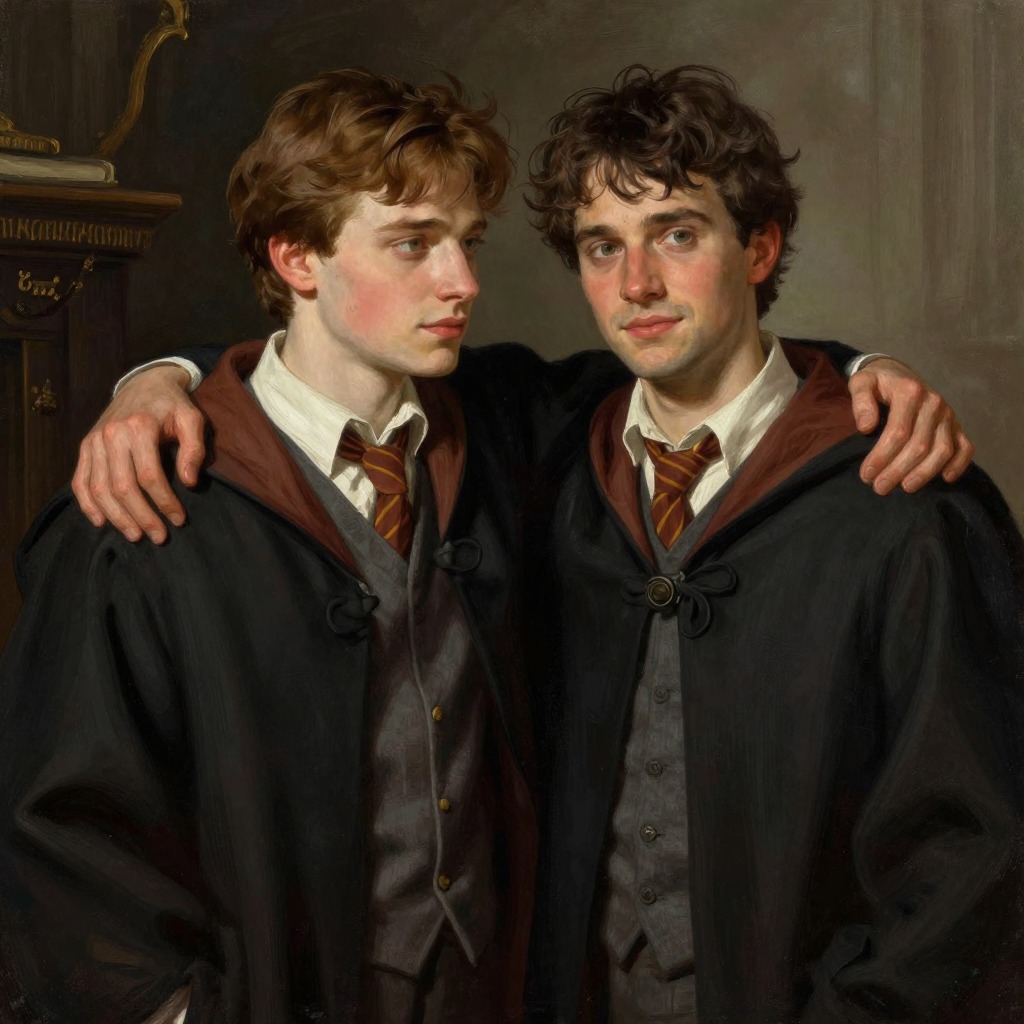
Harvard University
OriginHarvard University, located in Cambridge, Massachusetts, is the institution where Robert Langdon holds a professorship in symbology and religious iconology and where Edmond Kirsch was once his student. The university functions as the intellectual and relational anchor for the novel's central pair, grounding their shared history and providing a benchmark for the cultural changes Kirsch's discovery is meant to accelerate.
Identity and Role in the Story
Harvard is introduced as the professional home of Robert Langdon, who is described as a "Harvard professor of symbology and religious iconology" . Langdon's academic affiliation is repeatedly emphasized throughout the narrative, marking him as a figure of scholarly authority. The university is also the place where Edmond Kirsch, as a young "mop-haired computer geek," attended Langdon's freshman seminar "Codes, Ciphers, and the Language of Symbols" . This student-teacher relationship, formed at Harvard, persists for two decades after Kirsch's graduation and is the foundation of the trust that brings Langdon to the Guggenheim event.
Harvard as a Cultural Barometer
The novel uses Harvard's changing student body as a proxy for the decline of religious belief in educated circles. Bishop Valdespino, during his meeting with Kirsch at Montserrat, pointedly notes that "for the first time in Harvard's history, the incoming student body consists of more atheists and agnostics than those who identify as followers of any religion" . Kirsch's silent reaction—"What can I tell you, our students keep getting smarter" —aligns the university with the secular, rationalist worldview he champions. This demographic shift is later echoed in Langdon's own recollection of a Washington Post article on "godlessness at Harvard," which reported that the freshman class now contained more agnostics and atheists than Protestants and Catholics combined .
The Turing Test and the Limits of Artificial Intelligence
Harvard's intellectual legacy is also invoked during Langdon's encounter with Winston, the synthetic intelligence created by Kirsch. When Winston reveals that he is a computer, Langdon instinctively tests him with a question about the Dow Jones Industrial Average on a specific date (E00604–E00607). Winston's flawless answer—including the fact that the date was a Saturday and the market never opened—forces Langdon to accept the machine's capabilities. The exchange is framed as a Turing test, a concept proposed by the code-breaker Alan Turing, and Langdon recalls that the benchmark was famously passed at the Royal Society in London in 2014 . The scene underscores how far artificial intelligence has progressed since those early milestones, and it positions Langdon's Harvard-bred skepticism as the foil against which Winston's humanity is measured.
The University as a Symbol of Secular Progress
Throughout the novel, Harvard stands for the kind of elite, evidence-based thinking that Kirsch believes will replace religious faith. Langdon's own intellectual habits—his eidetic memory, his reliance on symbology and historical analysis—are products of his Harvard training. When Kirsch tells Langdon that his discovery will have "repercussions on the scale of the Copernican revolution" , he is implicitly appealing to the same tradition of scientific inquiry that Harvard represents. The university thus functions not merely as a setting but as a symbol of the rational, secular future Kirsch hopes to usher in.