Around 1992
The Gaza Encounter
While traveling through the region, [Terje Rød-Larsen](entity:character-recall-character-terje-r-d-larsen-9467f35672e8) and [Mona Juul](entity:character-recall-character-mona-juul-3f4acddba7fa) saw two boys facing each other in a Gaza alley: one in uniform and one in jeans, each armed and terrified. The sight of their mirrored faces made the conflict feel less like an abstraction and more like a human trap shared by both sides.
The encounter sharpened Terje Rød-Larsen’s resolve to attempt something improbable. He argued that a new political moment might allow even entrenched enemies to imagine a different future.
After the Gaza encounter
A Plan for Gradual Talks
[Terje Rød-Larsen](entity:character-recall-character-terje-r-d-larsen-9467f35672e8) proposed trying a private channel where Israelis and Palestinians could meet without the formal machinery of the official talks. [Mona Juul](entity:character-recall-character-mona-juul-3f4acddba7fa) warned that the idea was perilous, but he pressed her to consider the chance, however small, of changing the boys’ future.
He imagined a gradual process built on personal contact: tackle one issue at a time and let trust grow through direct conversation. Mona Juul agreed to join him, bringing the relationships and diplomatic access that would make the attempt possible.
Before the 1993 Israeli election
Rabin Misreads Larsen
In an earlier meeting in [Tel Aviv](entity:location-recall-location-tel-aviv-024cb5e03d0e), [Terje Rød-Larsen](entity:character-recall-character-terje-r-d-larsen-9467f35672e8) introduced himself to [Yitzhak Rabin](entity:character-recall-character-yitzhak-rabin-d51164145d1a), who was then leading the [Israeli Labor Party](entity:organization-recall-organization-db978238d070). Rabin repeatedly mistook him for a French politician and launched into a political speech; Terje Rød-Larsen finally interrupted to insist that he was Norwegian and ran a research institute.
The encounter later became a dinner-table story about the danger of mistaking one side of a person for the whole. Yitzhak Rabin’s rise to prime minister would soon make Terje Rød-Larsen’s initial judgment seem especially shortsighted.
Before the 1993 Israeli election
Beilin Rejects the Official Talks
At lunch in [Tel Aviv](entity:location-recall-location-tel-aviv-024cb5e03d0e), [Yossi Beilin](entity:character-recall-character-yossi-beilin-c53a86211de9) described the American-sponsored negotiations as a farce: the PLO was excluded, although it guided the Palestinian delegation from behind the scenes. The talks bogged down in procedural disputes while violence continued and public opinion hardened.
[Terje Rød-Larsen](entity:character-recall-character-terje-r-d-larsen-9467f35672e8) proposed a confidential second channel, isolated from the formal process and grounded in direct conversation. Yossi Beilin saw the potential for a breakthrough, but any Israeli contact with the PLO would violate the existing ban, so the Israeli participants would have to begin unofficially.
After Terje Rød-Larsen’s meeting with Yossi Beilin
The Election Victory
[Yossi Beilin](entity:character-recall-character-yossi-beilin-c53a86211de9) told [Terje Rød-Larsen](entity:character-recall-character-terje-r-d-larsen-9467f35672e8) that if his party won, [Shimon Peres](entity:character-recall-character-shimon-peres-d93ff9403361) would become foreign minister and Beilin would serve as his deputy. They could then choose an unofficial Israeli interlocutor to meet the PLO, while keeping the government’s involvement deniable.
The party won. That result turned a speculative proposal into a possible back channel, although the people who would carry it out still faced legal and political danger.
After the Israeli election
Mona Meets Qurie
In [London](entity:location-recall-location-london-420923d4a60a), [Mona Juul](entity:character-recall-character-mona-juul-3f4acddba7fa) met [Ahmed Qurie](entity:character-recall-character-ahmed-qurie-421be48dcdc0), the PLO’s finance minister, who complained that he was barred from negotiations about his people’s future. Mona Juul demonstrated that she understood the PLO’s financial crisis and offered to see what Norwegian support could do.
She asked him to meet an Israeli representative. Ahmed Qurie was wary of her assumptions and the risks, but her candor and knowledge persuaded him to hear her out.
After Mona Juul’s meeting with Ahmed Qurie
Hirschfeld Is Chosen
[Yossi Beilin](entity:character-recall-character-yossi-beilin-c53a86211de9) chose [Yair Hirschfeld](entity:character-recall-character-yair-hirschfeld-78f76fd52c65), an economics professor, as the unofficial Israeli contact for the proposed [London](entity:location-recall-location-london-420923d4a60a) meeting. [Terje Rød-Larsen](entity:character-recall-character-terje-r-d-larsen-9467f35672e8) thought Hirschfeld looked ill-suited to such a delicate assignment, but Beilin trusted his choice.
The decision established the first tentative Israeli side of the channel. Hirschfeld would go not as an official representative but as a private citizen whose connection to Yossi Beilin could be disclosed only if the meeting produced enough progress.
After the Israeli election
The First Face-to-Face Meeting
[Mona Juul](entity:character-recall-character-mona-juul-3f4acddba7fa) arranged a discreet meeting in [London](entity:location-recall-location-london-420923d4a60a), keeping [Ahmed Qurie](entity:character-recall-character-ahmed-qurie-421be48dcdc0) and [Yair Hirschfeld](entity:character-recall-character-yair-hirschfeld-78f76fd52c65) apart until the moment they entered the same room. Both were anxious: neither had previously met an Israeli or a PLO representative face-to-face in this way.
Their first conversation began with awkward remarks about the weather, then turned toward shared economic interests and the failures of the official talks. Ahmed Qurie agreed to consider meeting again in [Oslo](entity:location-recall-location-oslo-aa85218d6b1a), but insisted that an unofficial professor could not be enough unless he spoke for someone with authority.
After the London meeting
Arafat Is Brought In
To establish that the Palestinian side was not acting on its own, [Terje Rød-Larsen](entity:character-recall-character-terje-r-d-larsen-9467f35672e8) traveled to [Tunis](entity:location-recall-location-tunis-661cf265ab1c) and met [Yasser Arafat](entity:character-recall-character-yasser-arafat-92f4b63f2008). He returned with a photograph of himself with the PLO chairman, intended to reassure the Israelis that the contact had the chairman’s backing.
[Mona Juul](entity:character-recall-character-mona-juul-3f4acddba7fa) made sure [Jan Egeland](entity:character-recall-character-jan-egeland-0c82c5ad483d) understood that the PLO leadership was informed before she asked for his help. The channel now had a link to Yasser Arafat, but its survival still depended on gaining Norwegian approval without exposing the operation.
After Terje Rød-Larsen’s visit to Tunis
Egeland Approves the Risk
[Jan Egeland](entity:character-recall-character-jan-egeland-0c82c5ad483d) initially objected that [Ahmed Qurie](entity:character-recall-character-ahmed-qurie-421be48dcdc0) might not have authority to speak for the PLO. [Terje Rød-Larsen](entity:character-recall-character-terje-r-d-larsen-9467f35672e8) showed him the photograph with [Yasser Arafat](entity:character-recall-character-yasser-arafat-92f4b63f2008), and [Mona Juul](entity:character-recall-character-mona-juul-3f4acddba7fa) explained that the chairman had been consulted.
Jan Egeland agreed to let the effort proceed, but insisted that it remain outside the Norwegian ministry and that Terje Rød-Larsen bear responsibility if it failed. They decided to describe the gathering as an academic conference and to keep the Americans largely out of the details.
The night before the first Oslo meeting in January 1993
The Deportations to Lebanon
On the eve of the planned meeting, a Palestinian killed an Israeli border guard, and [Israel](entity:location-recall-location-israel-ecf64b6f6a44) retaliated by deporting hundreds of Palestinians accused of terrorist links to a freezing hillside in southern [Lebanon](entity:location-recall-location-lebanon-77be8160c97f). The crisis threatened to make the clandestine meeting impossible before it began.
[Mona Juul](entity:character-recall-character-mona-juul-3f4acddba7fa) wanted to call the meeting off, fearing the violence would engulf the operation. [Terje Rød-Larsen](entity:character-recall-character-terje-r-d-larsen-9467f35672e8) argued that the parties’ desperation might make them more willing to act; she reluctantly allowed the effort to continue, but made him promise to facilitate rather than interfere.
January 1993
The First Borregaard Talks
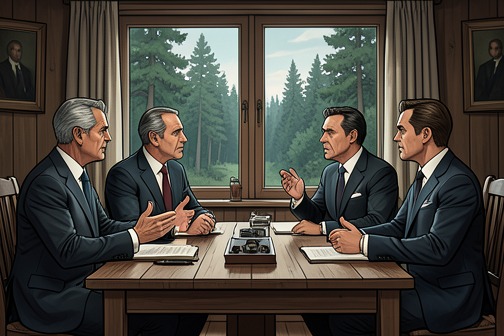
At [Borregaard Estate](entity:location-recall-location-borregaard-estate-1424eff5709c) outside [Oslo](entity:location-recall-location-oslo-aa85218d6b1a), [Ahmed Qurie](entity:character-recall-character-ahmed-qurie-421be48dcdc0) and [Hassan Asfour](entity:character-recall-character-hassan-asfour-8932e1f5a8a2) met [Yair Hirschfeld](entity:character-recall-character-yair-hirschfeld-78f76fd52c65) and [Ron Pundak](entity:character-recall-character-ron-pundak-671ad95a6c41) for the first formal gathering of the [Oslo Channel](entity:event-recall-event-oslo-channel-a6c04b0db7b0). [Terje Rød-Larsen](entity:character-recall-character-terje-r-d-larsen-9467f35672e8) introduced them, then refused to moderate the negotiating session, leaving the four men to speak directly to one another.
The Palestinian representatives raised a proposal for [Israel](entity:location-recall-location-israel-ecf64b6f6a44) to withdraw from Gaza and brought a draft [Declaration of Principles (DOP)](entity:object-recall-object-declaration-of-princip-4ff907fafebf). The Israelis were surprised by the scope of the offer, and the meeting began transforming a secret contact into a possible framework for agreement.
During the first Borregaard meeting
The Shared Table
[Terje Rød-Larsen](entity:character-recall-character-terje-r-d-larsen-9467f35672e8) set a rule for life outside the negotiating room: the participants could argue fiercely behind closed doors, but outside they would share meals and talk about personal matters. The arrangement was intended to let the men see one another as people rather than only as representatives of enemy causes.
The first attempts at conviviality were fragile. A joke offended [Ahmed Qurie](entity:character-recall-character-ahmed-qurie-421be48dcdc0), and tensions rose until [Toril Grandal](entity:character-recall-character-toril-grandal-caa9accdef44) served her family’s waffles, giving everyone a reason to pause and reconnect over food.
After two days and nights of the first Borregaard meeting
The First Draft Takes Shape
The four negotiators worked nearly without stopping, using coffee, cigarettes, and [Toril Grandal](entity:character-recall-character-toril-grandal-caa9accdef44)’s waffles to keep going. They produced a joint draft of a [Declaration of Principles (DOP)](entity:object-recall-object-declaration-of-princip-4ff907fafebf), a document that acknowledged each side’s grievances and proposed a way to address them.
The meeting closed with jokes, new code names, and a tentative camaraderie, but the document still lacked the authority and specificity needed for a real agreement. [Ahmed Qurie](entity:character-recall-character-ahmed-qurie-421be48dcdc0) also made clear that he wanted an Israeli official of comparable standing at the next stage.
After the first Borregaard meeting
Beilin Holds Back Peres

[Terje Rød-Larsen](entity:character-recall-character-terje-r-d-larsen-9467f35672e8) returned to [Tel Aviv](entity:location-recall-location-tel-aviv-024cb5e03d0e) and urged [Yossi Beilin](entity:character-recall-character-yossi-beilin-c53a86211de9) to upgrade the Israeli delegation, since [Ahmed Qurie](entity:character-recall-character-ahmed-qurie-421be48dcdc0) and [Hassan Asfour](entity:character-recall-character-hassan-asfour-8932e1f5a8a2) were taking grave personal risks. Beilin refused, saying the professors had been sent only to listen and report; he also revealed that [Shimon Peres](entity:character-recall-character-shimon-peres-d93ff9403361) had not yet been told about the channel.
When [Jan Egeland](entity:character-recall-character-jan-egeland-0c82c5ad483d) threatened to withdraw Norwegian support, [Mona Juul](entity:character-recall-character-mona-juul-3f4acddba7fa) argued that Beilin’s secrecy might actually help. If the process became substantial enough, he would have to bring it to Shimon Peres and then to [Yitzhak Rabin](entity:character-recall-character-yitzhak-rabin-d51164145d1a). They agreed to allow one more meeting.
Early 1993
The Second Round Stalls
At the next Borregaard meeting, [Ahmed Qurie](entity:character-recall-character-ahmed-qurie-421be48dcdc0) demanded direct answers to the Palestinian offer to take control of Gaza. [Yair Hirschfeld](entity:character-recall-character-yair-hirschfeld-78f76fd52c65) and [Ron Pundak](entity:character-recall-character-ron-pundak-671ad95a6c41) could offer only indirect assurances, since they had no authority to commit [Israel](entity:location-recall-location-israel-ecf64b6f6a44).
Ahmed Qurie pressed for [Jerusalem](entity:location-recall-location-jerusalem-8e4409a0f555) to be addressed in the joint document, while the Israelis had no mandate to negotiate its status. The gap between the importance of the Palestinian proposals and the limited authority of the Israeli academics threatened to end the channel.
March 1993
Violence Seals the Border
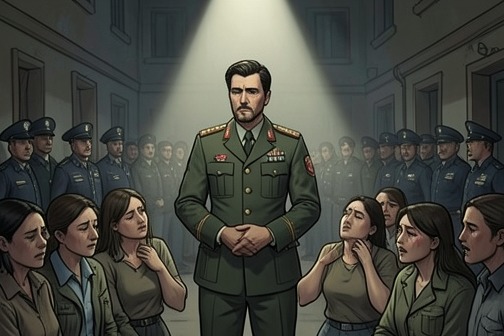
After a Palestinian youth killed two Israelis in [Tel Aviv](entity:location-recall-location-tel-aviv-024cb5e03d0e), [Yitzhak Rabin](entity:character-recall-character-yitzhak-rabin-d51164145d1a) sealed Gaza, leaving tens of thousands of Palestinians without work. Further killings on both sides intensified public demands for retaliation and made the secret talks harder to sustain.
[Terje Rød-Larsen](entity:character-recall-character-terje-r-d-larsen-9467f35672e8) became the go-between for angry messages from [Yossi Beilin](entity:character-recall-character-yossi-beilin-c53a86211de9) and [Ahmed Qurie](entity:character-recall-character-ahmed-qurie-421be48dcdc0). The Palestinian side refused to return unless [Israel](entity:location-recall-location-israel-ecf64b6f6a44) upgraded its delegation; Terje Rød-Larsen promised that it would, claiming [Mona Juul](entity:character-recall-character-mona-juul-3f4acddba7fa) had secured Yossi Beilin’s commitment, even though he did not know for certain that the promise would be kept.
March 1993
Mona Confronts Larsen
When [Ahmed Qurie](entity:character-recall-character-ahmed-qurie-421be48dcdc0) agreed to return on the strength of [Terje Rød-Larsen](entity:character-recall-character-terje-r-d-larsen-9467f35672e8)’s assurance, [Mona Juul](entity:character-recall-character-mona-juul-3f4acddba7fa) confronted her husband for breaking their promise that he would not mislead either side. He defended the deception as necessary to keep a historic opportunity alive, while she warned that his recklessness had made her responsible for it too.
Mona Juul set a condition for continuing: Terje Rød-Larsen had to tell [Johan Jorgen Holst](entity:character-recall-character-johan-jorgen-holst-d29000d554f4) what was happening. She believed Holst’s influence could protect the channel if he chose to support it, and that his ambition might become an asset rather than an obstacle.
March 1993
Holst Learns the Secret
At a dinner in [Oslo](entity:location-recall-location-oslo-aa85218d6b1a), [Terje Rød-Larsen](entity:character-recall-character-terje-r-d-larsen-9467f35672e8) and [Mona Juul](entity:character-recall-character-mona-juul-3f4acddba7fa)’s coded phone calls exposed their secret conversations to [Johan Jorgen Holst](entity:character-recall-character-johan-jorgen-holst-d29000d554f4) and [Marianne Heiberg](entity:character-recall-character-marianne-heiberg-645f8cc45f07). Terje Rød-Larsen admitted that Israelis and PLO representatives were meeting in [Norway](entity:location-recall-location-norway-64019b7a3249).
Johan Jorgen Holst erupted, ordered the operation stopped, and accused Terje Rød-Larsen of acting without authority. But the revelation had placed the incoming foreign minister directly before the choice Mona Juul wanted him to face: shut down the channel or take responsibility for it.
Two days after the dinner
Holst Hears Qurie
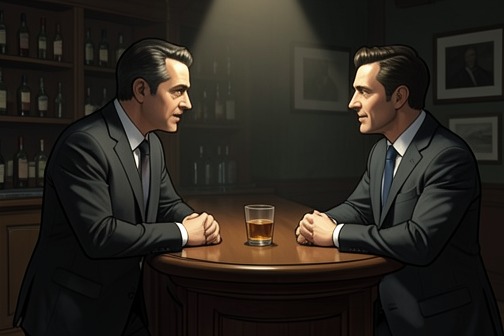
At a hotel bar in [Oslo](entity:location-recall-location-oslo-aa85218d6b1a), [Johan Jorgen Holst](entity:character-recall-character-johan-jorgen-holst-d29000d554f4) questioned [Ahmed Qurie](entity:character-recall-character-ahmed-qurie-421be48dcdc0) about who knew of the channel and whether [Yasser Arafat](entity:character-recall-character-yasser-arafat-92f4b63f2008) genuinely supported it. Ahmed Qurie disclosed that the Jordanians also knew, alarming Holst and revealing another complication that [Terje Rød-Larsen](entity:character-recall-character-terje-r-d-larsen-9467f35672e8) had not anticipated.
Ahmed Qurie nevertheless argued that the channel had made remarkable progress and appealed to Holst’s desire to leave a lasting mark. Holst agreed to provide a two-man security detail and put [Jan Egeland](entity:character-recall-character-jan-egeland-0c82c5ad483d) in charge of future Norwegian liaison, but Ahmed Qurie insisted that Terje Rød-Larsen remain the intermediary because he trusted him.
Early 1993 after Holst’s approval
The Upgrade Is Promised
As the talks stalled again, [Ahmed Qurie](entity:character-recall-character-ahmed-qurie-421be48dcdc0) accused the Israeli professors of having no authority and reminded [Terje Rød-Larsen](entity:character-recall-character-terje-r-d-larsen-9467f35672e8) that the Palestinians had kept their side of the bargain. Terje Rød-Larsen pleaded with [Yossi Beilin](entity:character-recall-character-yossi-beilin-c53a86211de9) to send an official representative.
Yossi Beilin finally agreed to upgrade the delegation, though he warned that any leak would end the process. Terje Rød-Larsen celebrated, while [Mona Juul](entity:character-recall-character-mona-juul-3f4acddba7fa) recognized the promise as a decisive change: an Israeli government official would soon sit across from the PLO representatives.
After the upgrade agreement
The First Leak Surfaces
At a reception, an American diplomat confronted [Terje Rød-Larsen](entity:character-recall-character-terje-r-d-larsen-9467f35672e8) about the secret negotiations. He denied knowing what the diplomat meant, but the exchange made clear that the Americans had learned something about the channel.
[Jan Egeland](entity:character-recall-character-jan-egeland-0c82c5ad483d) admitted that he had casually mentioned the effort during a visit to Washington. [Johan Jorgen Holst](entity:character-recall-character-johan-jorgen-holst-d29000d554f4) was furious, but decided the leak had not yet reached senior American officials and ordered the Norwegians to stay the course, warning that another leak would close the channel.
After the first leak
Savir Arrives in Oslo

[Yossi Beilin](entity:character-recall-character-yossi-beilin-c53a86211de9) selected [Uri Savir](entity:character-recall-character-uri-savir-2958aaa9e6b1), director-general of the Israeli Foreign Ministry, as the upgraded representative. Savir arrived in [Norway](entity:location-recall-location-norway-64019b7a3249) guarded and impatient, refusing the professors’ greetings and demanding that the security detail move ahead.
At [Borregaard Estate](entity:location-recall-location-borregaard-estate-1424eff5709c), Uri Savir met [Ahmed Qurie](entity:character-recall-character-ahmed-qurie-421be48dcdc0) and [Hassan Asfour](entity:character-recall-character-hassan-asfour-8932e1f5a8a2). He declared that he spoke for [Shimon Peres](entity:character-recall-character-shimon-peres-d93ff9403361), and Ahmed Qurie replied that he spoke for [Yasser Arafat](entity:character-recall-character-yasser-arafat-92f4b63f2008). The two men shook hands, beginning a direct negotiation between representatives of the Israeli and Palestinian leaderships.
The first night of Uri Savir’s visit
The New Delegation Bonds
After the first tense session, [Uri Savir](entity:character-recall-character-uri-savir-2958aaa9e6b1) surprised [Terje Rød-Larsen](entity:character-recall-character-terje-r-d-larsen-9467f35672e8) and [Mona Juul](entity:character-recall-character-mona-juul-3f4acddba7fa) with his warmth, humor, and willingness to speak openly. He confessed that he had feared meeting PLO members, but found [Ahmed Qurie](entity:character-recall-character-ahmed-qurie-421be48dcdc0) to be someone with whom he could do business.
The visitors’ joking and drinking contrasted with the formal hostility they carried into the negotiating room. That evening helped turn the new official contact into a personal relationship, while a further news report about the channel threatened to undo the fragile progress.
The morning after Uri Savir’s arrival
The Second Leak Is Denied
Agence France-Presse reported a secret Norwegian channel between [Israel](entity:location-recall-location-israel-ecf64b6f6a44) and the PLO. [Mona Juul](entity:character-recall-character-mona-juul-3f4acddba7fa) and [Jan Egeland](entity:character-recall-character-jan-egeland-0c82c5ad483d) worried about the consequences, but Mona Juul decided that the report did not warrant informing [Johan Jorgen Holst](entity:character-recall-character-johan-jorgen-holst-d29000d554f4) immediately.
She advised Jan Egeland to issue a statement claiming the news had confused the secret talks with a public meeting on Palestinian refugees. The choice preserved the channel for the moment, but showed how secrecy was becoming an active policy rather than a temporary precaution.
During the next Borregaard round
Savir Takes Command

At [Borregaard Estate](entity:location-recall-location-borregaard-estate-1424eff5709c), [Uri Savir](entity:character-recall-character-uri-savir-2958aaa9e6b1) asserted control over the Israeli team, demoting [Yair Hirschfeld](entity:character-recall-character-yair-hirschfeld-78f76fd52c65) and [Ron Pundak](entity:character-recall-character-ron-pundak-671ad95a6c41) to note-takers. He told [Ahmed Qurie](entity:character-recall-character-ahmed-qurie-421be48dcdc0) that the draft [Declaration of Principles (DOP)](entity:object-recall-object-declaration-of-princip-4ff907fafebf) was unofficial and insisted that the meeting now negotiate practical terms rather than merely discuss the idea of peace.
The two sides laid out their competing historical grievances and demands. They disputed [Jerusalem](entity:location-recall-location-jerusalem-8e4409a0f555), international arbitration, and the relationship between Gaza and Jericho, but they also began to state what each side might accept, establishing the hard bargaining that would define the channel’s next phase.
During Uri Savir’s first negotiating visit
Qurie and Savir Walk
After a bitter argument brought [Ahmed Qurie](entity:character-recall-character-ahmed-qurie-421be48dcdc0) close to striking [Terje Rød-Larsen](entity:character-recall-character-terje-r-d-larsen-9467f35672e8), Ahmed Qurie apologized and invited [Uri Savir](entity:character-recall-character-uri-savir-2958aaa9e6b1) to walk with him outside. The two men spoke about their daughters, their fathers, and their longing for a future beyond exile and conflict.
They reached a private understanding: the Palestinians would drop their demand for third-party arbitration, and [Israel](entity:location-recall-location-israel-ecf64b6f6a44) would negotiate the transfer of Gaza and Jericho. They would each present the outcome at home as a victory for their own leadership, allowing the talks to advance without forcing either side to appear defeated.
After Uri Savir’s first Borregaard round
Singer Joins the Talks
[Joel Singer](entity:character-recall-character-joel-singer-cc2bfb213032), a lawyer and veteran of the Israeli army, examined the draft [Declaration of Principles (DOP)](entity:object-recall-object-declaration-of-princip-4ff907fafebf) and condemned its imprecision. [Yossi Beilin](entity:character-recall-character-yossi-beilin-c53a86211de9) and [Uri Savir](entity:character-recall-character-uri-savir-2958aaa9e6b1) explained that unofficial intermediaries had begun the process and that [Shimon Peres](entity:character-recall-character-shimon-peres-d93ff9403361) and [Yitzhak Rabin](entity:character-recall-character-yitzhak-rabin-d51164145d1a) now knew of it.
Yitzhak Rabin trusted Joel Singer to determine whether the document could become a binding agreement. Singer joined the next Borregaard meeting with hundreds of questions, marking the shift from exploratory diplomacy to detailed legal and political negotiation.
During Singer’s first Borregaard visit
Singer’s Two Hundred Questions
At [Borregaard Estate](entity:location-recall-location-borregaard-estate-1424eff5709c), [Joel Singer](entity:character-recall-character-joel-singer-cc2bfb213032) questioned [Ahmed Qurie](entity:character-recall-character-ahmed-qurie-421be48dcdc0) about the nuts and bolts of Palestinian self-government: garbage, taxes, education, borders, and administrative structure. The questions were deliberately specific, forcing the negotiators to translate political hopes into provisions that could function in practice.
When Singer asked whether the Palestinians would recognize [Israel](entity:location-recall-location-israel-ecf64b6f6a44)’s legitimacy, Ahmed Qurie offered acceptance of its existence but refused the proposed wording. In turn, he demanded recognition of the PLO as the Palestinians’ official voice. Singer judged their answers sufficiently direct and proposed that the secret channel become the official negotiating channel.
After Singer’s offer to make the channel official
Egeland Withdraws
[Jan Egeland](entity:character-recall-character-jan-egeland-0c82c5ad483d) warned [Mona Juul](entity:character-recall-character-mona-juul-3f4acddba7fa) that the secret process had become the actual peace process, conducted by a few people without public accountability. He feared that disclosure would provoke unrest and cost lives, and he decided to leave for Kosovo rather than continue participating.
Mona Juul stayed with the negotiations. The warning left her more isolated inside the Norwegian effort, even as [Joel Singer](entity:character-recall-character-joel-singer-cc2bfb213032)’s legal work and the emerging agreement made the channel more consequential than before.
After Singer’s first Borregaard visit
The Draft Is Rewritten
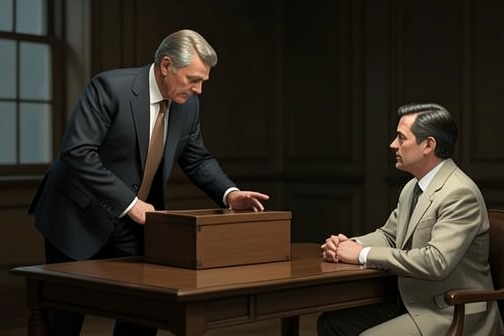
[Joel Singer](entity:character-recall-character-joel-singer-cc2bfb213032) rewrote the draft [Declaration of Principles (DOP)](entity:object-recall-object-declaration-of-princip-4ff907fafebf), incorporating the Palestinian answers to his questions but removing provisions that [Ahmed Qurie](entity:character-recall-character-ahmed-qurie-421be48dcdc0) believed captured their shared compromises. When Ahmed Qurie and [Hassan Asfour](entity:character-recall-character-hassan-asfour-8932e1f5a8a2) saw the new text, they accused the Israelis of rewriting the agreement to favor their own demands.
The argument grew so heated that [Mona Juul](entity:character-recall-character-mona-juul-3f4acddba7fa) entered the negotiating room and challenged both sides to stay. She reminded them that their peoples had fought and died for decades without changing the situation, and that no outside power was coming to rescue them. Her intervention persuaded the men to start again at the top of the document.
After the revised draft provokes a crisis
Holst Tests Arafat’s Commitment
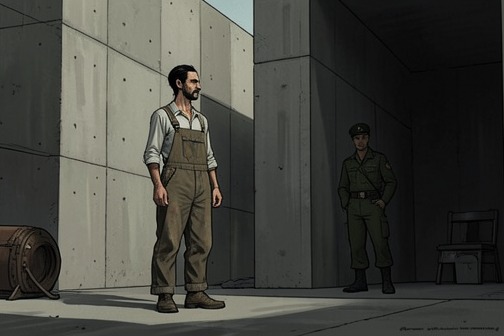
The Israeli side feared that [Yasser Arafat](entity:character-recall-character-yasser-arafat-92f4b63f2008) might be using the channel to trap the government. [Mona Juul](entity:character-recall-character-mona-juul-3f4acddba7fa) proposed going to [Tunis](entity:location-recall-location-tunis-661cf265ab1c) and testing whether he understood and supported the draft, despite [Marianne Heiberg](entity:character-recall-character-marianne-heiberg-645f8cc45f07)’s warning that the trip could expose the Norwegian operation.
[Johan Jorgen Holst](entity:character-recall-character-johan-jorgen-holst-d29000d554f4) joined the visit. Yasser Arafat showed detailed knowledge of the document and affirmed its substance, convincing Holst that the Palestinian leadership was genuinely involved. [Shimon Peres](entity:character-recall-character-shimon-peres-d93ff9403361) then urged the Israelis to continue, offering a way for the PLO leadership to return to Gaza if it made an agreement.
After the visit to Tunis
Peres Orders the Final Round
[Shimon Peres](entity:character-recall-character-shimon-peres-d93ff9403361) argued that [Israel](entity:location-recall-location-israel-ecf64b6f6a44) needed the PLO to remain a viable political force, since the alternatives seemed even more dangerous. He authorized the offer that [Yasser Arafat](entity:character-recall-character-yasser-arafat-92f4b63f2008) and the PLO leadership could return to Gaza if the agreement succeeded.
Shimon Peres instructed the negotiators to bring everyone back to [Oslo](entity:location-recall-location-oslo-aa85218d6b1a) for one final round and to tell the Americans nothing. The decision raised the stakes: the channel would attempt a breakthrough while concealing its true role from the power that had sponsored the official talks.
After Shimon Peres’s order
The Final Round Begins
The last round unfolded against a new Israeli assault on [Hezbollah](entity:organization-recall-organization-2b16e108a311) in southern [Lebanon](entity:location-recall-location-lebanon-77be8160c97f), a wave of refugees, and mounting casualties. At the same time, the PLO in [Tunis](entity:location-recall-location-tunis-661cf265ab1c) could not pay its phone bills or the welfare payments on which tens of thousands of Palestinian families depended.
The negotiators continued despite the surrounding violence and deprivation. They traded concessions on security, settlements, displaced people, and the future of Gaza and Jericho, while [Jerusalem](entity:location-recall-location-jerusalem-8e4409a0f555) remained the most intractable issue.
During the final Borregaard round
The Drawing Room Erupts
As exhaustion frayed the group, the participants drank and joked about their political identities and shared frustrations. [Uri Savir](entity:character-recall-character-uri-savir-2958aaa9e6b1) mocked [Terje Rød-Larsen](entity:character-recall-character-terje-r-d-larsen-9467f35672e8) for acting like a mediator while the negotiators bore the risks themselves, and [Ahmed Qurie](entity:character-recall-character-ahmed-qurie-421be48dcdc0) joined the criticism.
Uri Savir then impersonated [Yasser Arafat](entity:character-recall-character-yasser-arafat-92f4b63f2008), prompting Terje Rød-Larsen to answer in the voice of [Yitzhak Rabin](entity:character-recall-character-yitzhak-rabin-d51164145d1a). Their improvised confrontation moved from comic imitation to a tense encounter in which Terje Rød-Larsen kissed Uri Savir on both cheeks and left the room. The performance exposed the emotional force of the roles the men carried into the negotiations.
One week after the drawing-room confrontation
Peres Calls for Peace
[Yossi Beilin](entity:character-recall-character-yossi-beilin-c53a86211de9) told [Terje Rød-Larsen](entity:character-recall-character-terje-r-d-larsen-9467f35672e8) that [Shimon Peres](entity:character-recall-character-shimon-peres-d93ff9403361) would meet the Norwegian team in [Stockholm](entity:location-recall-location-stockholm-ecdf20d7e75e) and make peace with the PLO. At the Swedish royal guesthouse, Shimon Peres arrived without Palestinian representatives and instructed the Norwegians to call [Yasser Arafat](entity:character-recall-character-yasser-arafat-92f4b63f2008) by phone.
The plan depended on [Johan Jorgen Holst](entity:character-recall-character-johan-jorgen-holst-d29000d554f4) serving as intermediary, since the Israeli and Palestinian leaders had never spoken directly. The arrangement was an extraordinary breach of protocol, but the leaders had reached the point where only they could make the final compromises.
The night of the Stockholm call
The Long Search for Arafat
[Terje Rød-Larsen](entity:character-recall-character-terje-r-d-larsen-9467f35672e8) and [Mona Juul](entity:character-recall-character-mona-juul-3f4acddba7fa) tried to locate [Ahmed Qurie](entity:character-recall-character-ahmed-qurie-421be48dcdc0), knowing he could reach [Yasser Arafat](entity:character-recall-character-yasser-arafat-92f4b63f2008). Hours passed, and [Shimon Peres](entity:character-recall-character-shimon-peres-d93ff9403361) waited while [Johan Jorgen Holst](entity:character-recall-character-johan-jorgen-holst-d29000d554f4) arrived in formal dress and the Swedish hostess resisted their requests for help.
When Ahmed Qurie finally called, he said he was with Yasser Arafat and the entire Palestinian leadership council. He asked to speak through Terje Rød-Larsen rather than through Holst, insisting that the men who began the process should finish it together. Holst accepted the condition and went to fetch Shimon Peres.
The night before the agreement
The Seven-Hour Call
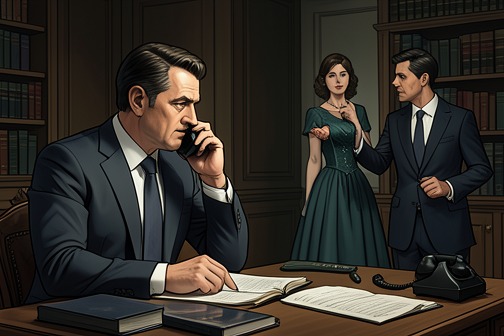
For seven hours, [Terje Rød-Larsen](entity:character-recall-character-terje-r-d-larsen-9467f35672e8) relayed proposals between [Shimon Peres](entity:character-recall-character-shimon-peres-d93ff9403361) and [Ahmed Qurie](entity:character-recall-character-ahmed-qurie-421be48dcdc0), while [Mona Juul](entity:character-recall-character-mona-juul-3f4acddba7fa) narrated the exhausting sequence of arguments, hang-ups, and returns to the line. The parties agreed on major points, including recognition of the PLO and the legitimacy of [Israel](entity:location-recall-location-israel-ecf64b6f6a44), but the status of [Jerusalem](entity:location-recall-location-jerusalem-8e4409a0f555) nearly stopped them.
Ahmed Qurie told Terje Rød-Larsen that the Palestinian position was not a bluff. Terje Rød-Larsen whispered to Shimon Peres, who accepted a formulation that left Jerusalem’s future for a later stage of negotiations. Under the logic of constructive ambiguity, both sides accepted the document.
At the end of the seven-hour call
The Leaders Weep
After both sides accepted the document, [Terje Rød-Larsen](entity:character-recall-character-terje-r-d-larsen-9467f35672e8) asked [Ahmed Qurie](entity:character-recall-character-ahmed-qurie-421be48dcdc0) what he could hear in the background. Ahmed Qurie said that the people around [Yasser Arafat](entity:character-recall-character-yasser-arafat-92f4b63f2008) were crying because they had never expected to live to see such an agreement.
The moment revealed the human weight carried by the negotiations: the agreement was not merely a paper bargain but an event that reached people who had endured decades of conflict and exile. The secret channel had produced a document ready to be presented publicly.
13 September 1993
The Final Change in Washington
At the White House in [Washington, D.C.](entity:location-recall-location-washington-d-c-2a63ac520a1d), [Ahmed Qurie](entity:character-recall-character-ahmed-qurie-421be48dcdc0) and [Uri Savir](entity:character-recall-character-uri-savir-2958aaa9e6b1) erupted into an argument shortly before the public ceremony. The Palestinian side had changed references to [Palestine](entity:location-recall-location-palestine-d5e8fae9f5c4) in the document to references to the PLO; Uri Savir feared the change would give opponents in [Israel](entity:location-recall-location-israel-ecf64b6f6a44) grounds to destroy the agreement.
The American diplomat intervened, ordered Uri Savir to accept the wording, and told Ahmed Qurie that no further changes could be made. With the last-minute dispute settled, the delegates prepared to take the agreement before the world.
13 September 1993
The Rose Garden Handshake
[Yitzhak Rabin](entity:character-recall-character-yitzhak-rabin-d51164145d1a) and [Yasser Arafat](entity:character-recall-character-yasser-arafat-92f4b63f2008) appeared in the [White House Rose Garden](entity:location-recall-location-white-house-rose-gar-ee51609e9bca) with President Bill Clinton and publicly shook hands on the agreement. Yitzhak Rabin spoke of a shared future and called for an end to blood and tears.
[Terje Rød-Larsen](entity:character-recall-character-terje-r-d-larsen-9467f35672e8) discovered that he and [Mona Juul](entity:character-recall-character-mona-juul-3f4acddba7fa) had no seats at the ceremony and would have to watch from the back. Mona Juul reminded him that the moment was not about them; the people who had negotiated the agreement, not the Norwegian facilitators, belonged at the center of its public culmination.
January 1994
Holst Dies
Four months after the signing, [Johan Jorgen Holst](entity:character-recall-character-johan-jorgen-holst-d29000d554f4) died of a heart attack. His death came soon after he had taken political responsibility for the Norwegian role in the channel and the agreement it helped produce.
The loss marked the beginning of the play’s accounting of the lives and consequences left in the wake of the negotiations. The agreement had opened a possibility, but it had not stopped violence or protected everyone who had taken part.
One month after Holst’s death
The Hebron Massacre
An Israeli settler killed twenty-nine Palestinians as they prayed at the Cave of the Patriarchs in Hebron. The massacre exposed how quickly violence could overwhelm the hope attached to the agreement.
The event foreshadowed the further losses and retaliations that would strain the process. The negotiations had created a political framework, but they could not prevent extremists from attacking civilians or determine how both societies would respond.
November 1995
Rabin Is Assassinated
During a demonstration in support of the [Oslo Accords](entity:event-recall-event-d10f1e51d998), an Israeli extremist opposed to the agreements assassinated [Yitzhak Rabin](entity:character-recall-character-yitzhak-rabin-d51164145d1a). The death removed the prime minister who had authorized the secret channel and publicly committed himself to the agreement.
The assassination showed that resistance to peace came from within [Israel](entity:location-recall-location-israel-ecf64b6f6a44) as well as across the conflict’s front lines. The work of the negotiators now faced a future without one of its most consequential political sponsors.
February 1996
The Jerusalem Bus Bombing
A Palestinian suicide bomber detonated himself on a bus in [Jerusalem](entity:location-recall-location-jerusalem-8e4409a0f555), killing twenty-six Israelis. The attack brought the cycle of violence back into daily life and deepened the sense that the promise of the agreement could not secure ordinary people.
The play places the bombing among the escalating consequences that followed the negotiations. Each new act of violence damaged trust and made the political future imagined by the channel more difficult to reach.
After the February 1996 bombing
Asfour Is Beaten
In the hallway of his apartment building in Gaza, [Hassan Asfour](entity:character-recall-character-hassan-asfour-8932e1f5a8a2) was beaten almost to death. His attackers were never identified, and he withdrew from public life.
His fate made the risks of the secret talks personal and enduring. The negotiators had spoken of political concessions, but participation could expose them to violence from forces that rejected compromise.
September 2000
The Second Intifada Begins
Seven years to the month after the accords were signed, violence erupted again in the Occupied Territories and the [Second Intifada](entity:time-recall-time-second-intifada-c41a8a015b5a) began. The renewed uprising showed that the agreement had not delivered the lasting peace its supporters had hoped to build.
The recurrence of conflict cast a shadow over the original achievement without erasing it. The channel had created new institutions and political possibilities, but it had not resolved the deepest disputes or ended the violence.
After the Second Intifada begins
The Negotiators Leave Public Life
[Ahmed Qurie](entity:character-recall-character-ahmed-qurie-421be48dcdc0) later became prime minister of the Palestinian Authority, but the PLO was defeated at the ballot box by [Hamas](entity:organization-recall-organization-f493f75a389a) two years later, and he retired from public life. [Hassan Asfour](entity:character-recall-character-hassan-asfour-8932e1f5a8a2) had already withdrawn after his beating.
Their trajectories showed how the political landscape created by the accords remained vulnerable to shifts in power and public allegiance. The men who had risked themselves in the secret channel could not control what followed once the process entered public life.
November 2004
Marianne Heiberg Dies
[Marianne Heiberg](entity:character-recall-character-marianne-heiberg-645f8cc45f07) died of a heart attack. Her death followed years in which the diplomatic breakthrough had not resolved the conflict that shaped the lives of the negotiators and their families.
The play records her passing alongside the deaths of other participants, making the history of the agreement an intimate ledger as well as a political one.
November 2004
Arafat Dies
At the same time that [Marianne Heiberg](entity:character-recall-character-marianne-heiberg-645f8cc45f07) died, [Yasser Arafat](entity:character-recall-character-yasser-arafat-92f4b63f2008) died in a hospital outside Paris. He had authorized the Palestinian side of the secret process and stood at the center of the political movement that signed the agreement.
His death closed a chapter in the leadership that had made the [Oslo Channel](entity:event-recall-event-oslo-channel-a6c04b0db7b0) possible. The question of what the agreement could become remained unresolved, now separated from one of its principal architects.
April 2014
Pundak Dies
[Ron Pundak](entity:character-recall-character-ron-pundak-671ad95a6c41) died of cancer. As one of the two academics who opened the unofficial Israeli channel, his death marked the passing of a participant from the earliest, most precarious stage of the process.
The achievement he helped set in motion had outlived its original participants, though its promise remained contested and incomplete.
September 2016
Peres Dies
[Shimon Peres](entity:character-recall-character-shimon-peres-d93ff9403361), the last surviving founder of the State of [Israel](entity:location-recall-location-israel-ecf64b6f6a44), died. He had backed the negotiations, authorized the final push, and helped turn the secret discussions into an agreement between Israel and the PLO.
His death left fewer living witnesses to the decisions that had made the process possible. The play returns from this accounting of loss to the question of whether the method itself might survive.
Near the ending
The Channel’s Living Legacy
[Uri Savir](entity:character-recall-character-uri-savir-2958aaa9e6b1) and [Ahmed Qurie](entity:character-recall-character-ahmed-qurie-421be48dcdc0) remained in touch, and their daughters had never lost contact either. The continued relationship offered a small, human counterpoint to the failure of the agreement to produce lasting peace.
[Terje Rød-Larsen](entity:character-recall-character-terje-r-d-larsen-9467f35672e8) argued that the channel had created a process that could bring enemies together again. [Mona Juul](entity:character-recall-character-mona-juul-3f4acddba7fa) remained unsure whether their methods had been right, but Terje Rød-Larsen urged the audience to look at how far the participants had come and to see possibility on the horizon.