Captain Wentworth's letter to Anne
Captain Wentworth's letter to Anne Elliot is the single most powerful document in Persuasion, a torrent of suppressed feeling that shatters the polite estrangement between the two former lovers and forces a final reckoning. Written in a white heat of emotion at the White Hart inn, the letter is both a confession of unwavering constancy and a desperate plea for a second chance. It arrives at the precise moment when Anne has all but abandoned hope, and its contents instantly reverse the novel's trajectory from quiet resignation to triumphant reunion.
Composition and Circumstances
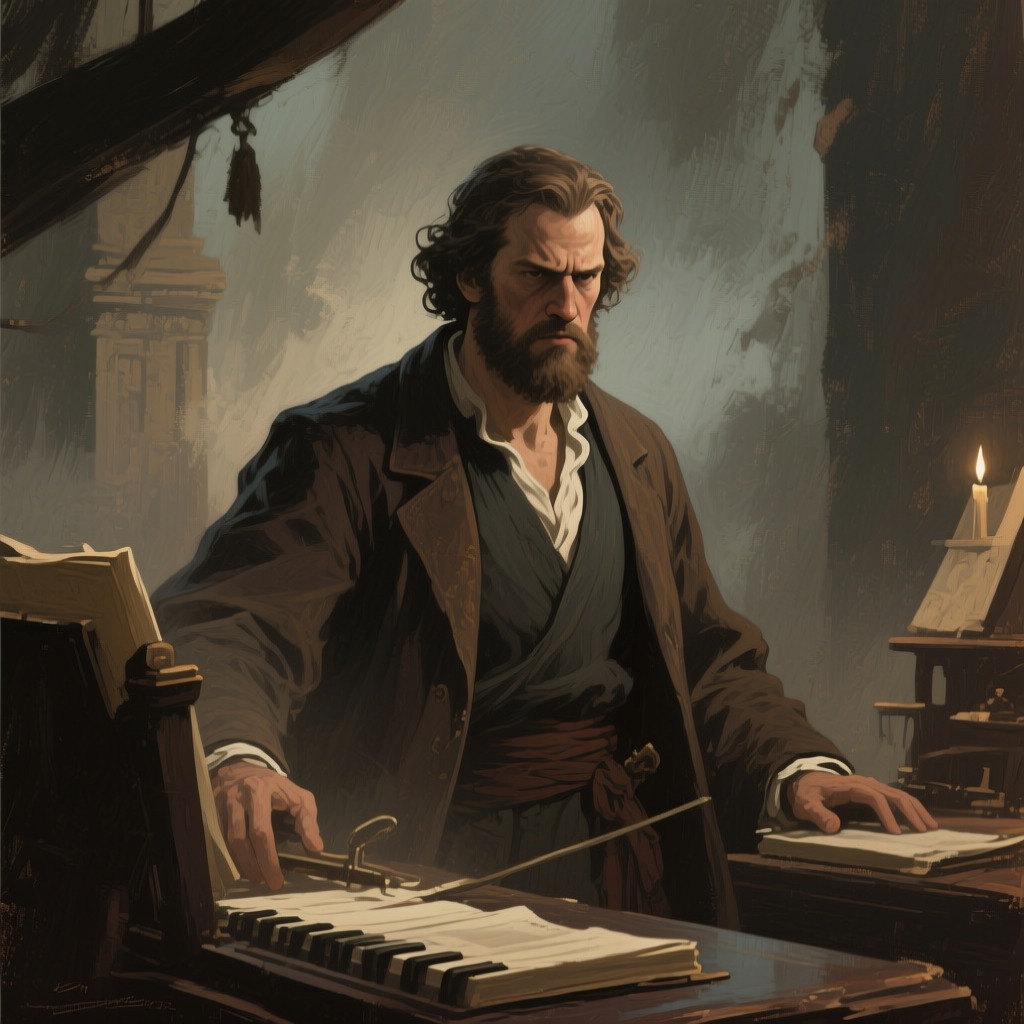
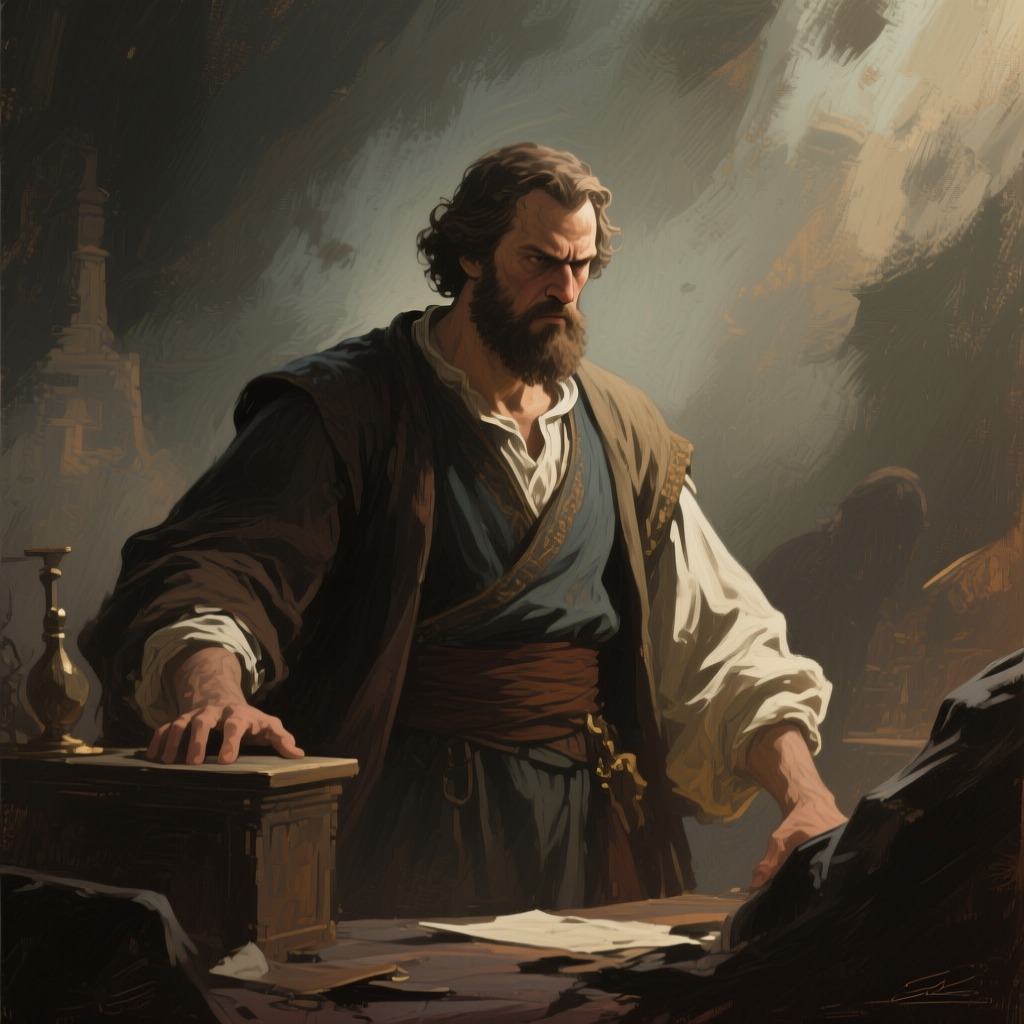
The letter is composed under extraordinary pressure, in a room crowded with other people. Captain Wentworth, having overheard Anne's conversation with Captain Harville on the relative constancy of men and women, is overwhelmed by the conviction that she still loves him. Seizing a sheet of paper from a separate table, he pretends to be writing a letter for Captain Harville concerning a miniature of Captain Benwick, but in reality he is pouring out his own heart to Anne. The act is impulsive and risky: he writes with his back to the company, nearly turning his back to them all, and finishes the letter in great haste, sealing it with rapidity. When he leaves the room, he deliberately forgets his gloves, returns, and places the letter before Anne with eyes of glowing entreaty fixed on her for a time before hastily collecting his gloves and departing again. The entire transaction is the work of an instant, yet it constitutes the most consequential moment in the novel.
Content and Emotional Force
The letter is a masterpiece of compressed emotion. It opens with a cry of unbearable tension: "I can listen no longer in silence. I must speak to you by such means as are within my reach. You pierce my soul. I am half agony, half hope." Wentworth directly addresses the very argument Anne had just been making with Captain Harville, asserting his own constancy: "Dare not say that man forgets sooner than woman, that his love has an earlier death. I have loved none but you." He confesses his past faults—"Unjust I may have been, weak and resentful I have been, but never inconstant"—and reveals that his presence in Bath has been solely for her sake: "You alone have brought me to Bath. For you alone, I think and plan." The letter closes with a declaration of intent and a plea for a sign: "I must go, uncertain of my fate; but I shall return hither, or follow your party, as soon as possible. A word, a look, will be enough to decide whether I enter your father's house this evening or never." The signature is simply "F. W."
Immediate Aftermath and Significance
The effect on Anne is instantaneous and overwhelming. She reads the letter in a state of "overpowering happiness," her heart too full for speech. The revolution that one instant has made in her is almost beyond expression. She is forced to plead indisposition and leave the room, unable to comprehend a word spoken around her. The letter transforms her from a passive observer of her own fate into an active participant; it gives her the certainty she has lacked for eight years and empowers her to respond. When she and Wentworth meet shortly afterward on Union Street, the letter serves as the foundation for their reconciliation, allowing them to exchange those feelings and promises which had once before seemed to secure everything. The letter thus functions as the novel's grand gesture, the decisive act that overcomes pride, resentment, and circumstance, and restores the love that had been lost.