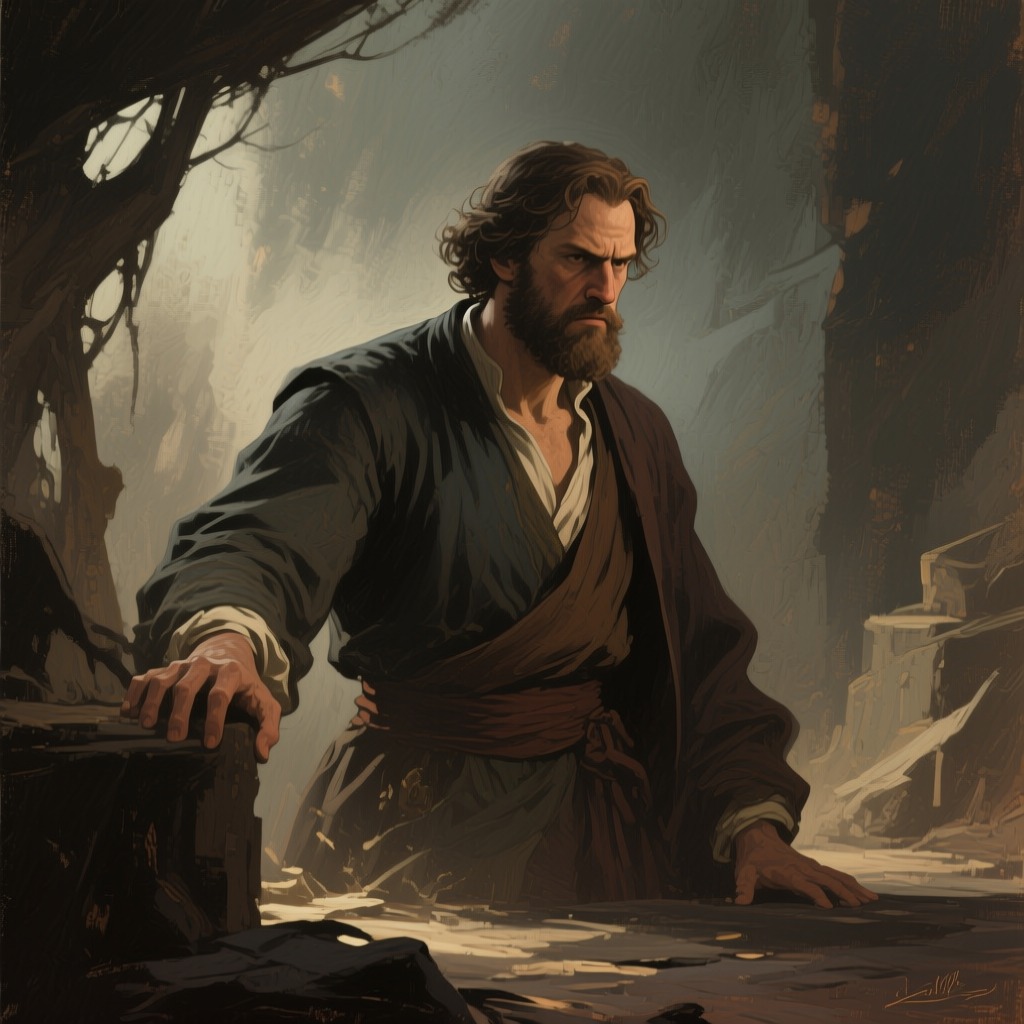
Louisa Musgrove's fall from the Cobb
Louisa Musgrove's fall from the Cobb at Lyme is the novel's central crisis, a moment of physical catastrophe that precipitates a complete reconfiguration of the romantic landscape, freeing Captain Wentworth from a perceived obligation and ultimately enabling his reconciliation with Anne Elliot. The event, occurring on a November day during a party from Uppercross, transforms a holiday excursion into a scene of horror, tests the character of every person present, and sets in motion a chain of consequences that undoes the apparent attachment between Louisa and Captain Wentworth while revealing Anne's quiet competence and depth of feeling.
The Scene of the Accident
The party from Uppercross—Charles and Mary Musgrove, Henrietta and Louisa Musgrove, Anne Elliot, and Captain Wentworth—had spent the day exploring Lyme with Captain and Mrs Harville and Captain Benwick. As they prepared to take their leave, a general wish to walk along the Cobb once more delayed their departure. The wind was too strong for the ladies on the high part of the new Cobb, and they agreed to descend the steep flight of steps to the lower level. All were content to pass quietly and carefully down, except Louisa. She insisted on being jumped down the steps by Captain Wentworth, a practice he had indulged on their walks, where he had often jumped her from stiles. The sensation was delightful to her. Though the hardness of the pavement made him less willing on this occasion, he complied. She was safely down, but instantly, to show her enjoyment, ran back up the steps to be jumped down again. He advised against it, warning that the jar was too great, but she smiled and declared, "I am determined I will." He put out his hands, but she was too precipitate by half a second. She fell on the pavement of the Lower Cobb and was taken up lifeless. There was no wound, no blood, no visible bruise, but her eyes were closed, she did not breathe, and her face was like death.
Immediate Aftermath and Responses
The horror of the moment seized everyone. Captain Wentworth, who had caught her up, knelt with her in his arms, his face as pallid as her own, in an agony of silence. Mary screamed, "She is dead! she is dead!" and clung to her husband, immobilizing him with her own terror. Henrietta, sinking under the conviction, lost her senses and would have fallen but for Captain Benwick and Anne, who caught and supported her between them. Captain Wentworth, in a tone of despair, cried out, "Is there no one to help me?" as if all his own strength were gone. Anne, maintaining her composure, directed Captain Benwick to go to him, to rub Louisa's hands and temples, and provided salts. Captain Benwick obeyed, and Charles, disengaging himself from his wife, joined them. They raised Louisa and supported her more firmly, but all efforts seemed in vain. Captain Wentworth, staggering against the wall, exclaimed in bitterest agony, "Oh God! her father and mother!" It was Anne who said, "A surgeon!" The word roused him, and he was about to dart away when Anne suggested that Captain Benwick, who knew where a surgeon was to be found, would be better. In rapid moments, Captain Benwick resigned the lifeless figure to Charles and ran for the town with utmost rapidity. Anne, attending to Henrietta with all the strength and zeal instinct supplied, also tried to comfort the others, to quiet Mary, to animate Charles, and to assuage Captain Wentworth's feelings. Both Charles and Captain Wentworth looked to her for directions. When Charles asked, "Anne, Anne, what is to be done next?" and Captain Wentworth's eyes turned towards her, she answered, "Had not she better be carried to the inn? Yes, I am sure: carry her gently to the inn." Captain Wentworth, comparatively collected, repeated, "Yes, yes, to the inn," and declared he would carry her himself. The Harvilles, alerted by Captain Benwick's frantic flight, met them and insisted Louisa be taken to their house. There, the surgeon arrived almost before it seemed possible. He examined her and, though the head had received a severe contusion, he was not hopeless; he spoke cheerfully. The ecstasy of the reprieve was profound. Captain Wentworth's "Thank God!" was uttered with a tone and look Anne was sure she could never forget.
Consequences and Reshuffling of Attachments
The accident had immediate practical consequences and far-reaching romantic ones. Louisa could not be moved, and it was decided that she must remain at the Harvilles' house. Captain Wentworth, in a moment that deeply moved Anne, declared that if one person stayed to assist Mrs Harville, it need be only one, and that "no one so proper, so capable as Anne." Though Mary's jealous claims forced Anne to return to Uppercross instead, the event had already begun to alter the course of everyone's feelings. Captain Wentworth, burdened by guilt and the sense that his excessive intimacy with Louisa had created an obligation, left Lyme for his brother's in Shropshire, believing himself bound in honour to her if she wished it. He remained there, lamenting his own blindness and pride, until the astonishing news reached him that Louisa was to marry Captain Benwick. This intelligence, which Anne received with "senseless joy," freed him entirely. The fall, which had seemed to seal his attachment to Louisa, had instead, through the weeks of nursing and proximity, fostered a new attachment between Louisa and the grieving Captain Benwick. Captain Wentworth, now unshackled, immediately set out for Bath, determined to put himself in the way of happiness with Anne. The accident at Lyme, a moment of heedless determination punished by a terrible fall, thus became the catalyst for the novel's final, joyful resolution, proving that the firmness of character Captain Wentworth had so admired in Louisa could, when carried to excess, lead to disaster, while the quiet, principled firmness of Anne Elliot was the quality that would ultimately secure his lasting love.