Mãe Gothel
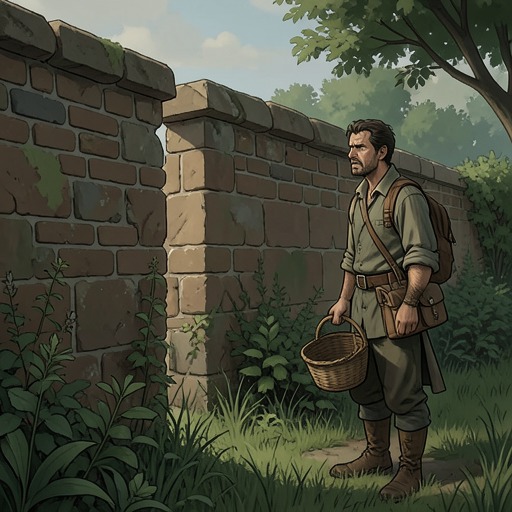
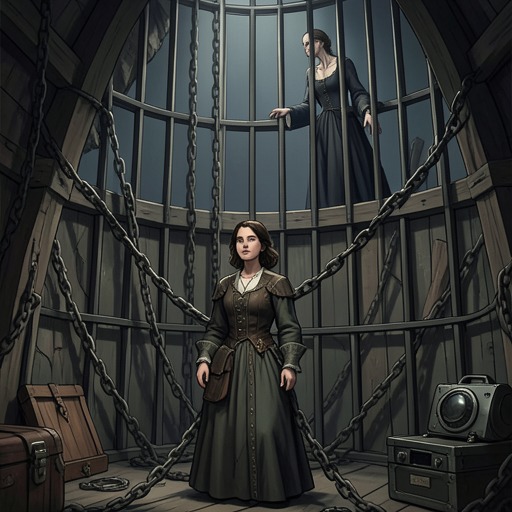
RapunzelMãe Gothel is the sorceress whose bargain over a child becomes the central instrument of confinement and separation in Rapunzel. She first presents herself as a prospective caregiver, promising that the child will lack nothing; later, she removes Rapunzel from the world, controls access to her tower, and violently breaks the young woman’s emerging bond with the prince. The same long hair that makes the tower accessible becomes, in Mãe Gothel’s hands, a tool of deception.## Bargain and Taking Rapunzel’s father enters Mãe Gothel’s garden to take the rapunzel his pregnant wife craves. When she catches him there, his plea explains that his wife believes she will die without it. Mãe Gothel relents, but makes the food conditional: when the wife gives birth, the father must hand the child over to her. She promises to care for the child as a mother and provide everything necessary. Terrified, he agrees. When the time comes, Mãe Gothel arrives punctually, names the baby Rapunzel, and takes her away. The bargain is made by the father under fear, while the child whose life it determines has no part in it; Mãe Gothel’s promise of care and the father’s coerced surrender establish the unequal terms that shape Rapunzel’s upbringing.## The Tower and Its Means of Entry When Rapunzel turns twelve, Mãe Gothel takes her into the forest and locks her in a tower without stairs or a door. Its only opening is a tiny window high above the ground. To enter, Mãe Gothel stands at the foot of the tower and calls for Rapunzel to let down her braids. Rapunzel’s long, fine hair, compared to spun gold, is tied around the window latch and lowered to the ground; Mãe Gothel climbs up it. The arrangement makes Rapunzel both prisoner and the means by which her keeper crosses the tower’s otherwise impassable boundary. Mãe Gothel’s visits also provide the only stated routine of access to the enclosed girl, while Rapunzel remains alone there and sings to herself. The tower’s isolation is therefore practical as well as emotional: no ordinary entrance exists, and the one route in depends on Rapunzel’s own body.## Discovery and Exposure Years later, a king’s son hears Rapunzel singing while riding through the forest. Her voice moves him, and he returns daily to listen, though at first he cannot find a way into the tower. Hidden behind a tree, he watches Mãe Gothel arrive and learns the call-and-response by which she gains entry. When the prince later repeats the call, Rapunzel’s braids fall and he climbs through the window. Rapunzel is frightened at first because she has never seen a man, but the prince speaks gently and tells her how deeply her singing affected him. Her fear gives way; when he asks her to marry him, she accepts and proposes an escape plan involving a skein of silk for each visit, which she will braid into a ladder. They agree that he will come at night, since Mãe Gothel is present during the day. Mãe Gothel remains unaware until Rapunzel, comparing the difficulty of hauling her up with the prince’s quick ascent, inadvertently reveals the secret. The question exposes both the clandestine visits and the difference between the prince’s access and Mãe Gothel’s accustomed place in the tower. Mãe Gothel cries that Rapunzel has betrayed her and that she had believed the girl isolated from the rest of the world.## Cutting the Hair and Deceiving the Prince In her fury, Mãe Gothel seizes Rapunzel’s beautiful hair, winds the braids around her left hand, and cuts them with scissors in her right. The severed hair ends Rapunzel’s capacity to lower the familiar means of access; Mãe Gothel then takes her to a desert, where Rapunzel must live miserably. On the same day, Mãe Gothel ties the cut braids to the tower’s window latch. When the prince arrives and calls, she lets the hair fall as before. He climbs up expecting Rapunzel, but finds Mãe Gothel waiting with an angry, poisonous look. She tells him that the girl is gone forever and threatens that the cat that took her will scratch his eyes as well. The counterfeit entrance turns the prince’s familiar method into a trap: Mãe Gothel uses the very sign of Rapunzel’s presence to bring him within reach of the news that she has been taken. Her threat anticipates what follows, but it is the prince’s leap from the tower, not an attack by Mãe Gothel, that leaves him blind.## Consequences and Narrative Role The prince survives his desperate jump, but brambles where he falls scratch his eyes. Blind and unable to see, he wanders through the forest for years, finding only roots and berries to eat and mourning the loss of his wife. Eventually he reaches the desert where Rapunzel is struggling to survive with the twins she has borne, a boy and a girl. Her familiar singing leads him toward her; Rapunzel recognizes him, embraces him, and weeps. Two of her tears fall into his eyes, and his sight is suddenly restored. The couple return to his kingdom and live happily for many years. Mãe Gothel does not appear in this reunion or in the ending, and the story gives no account of her fate. Her decisive role lies instead in setting the separations in motion and making them concrete: the father’s promise transfers Rapunzel to her, the tower isolates her, the cut braids carry out her punishment, and the false signal brings the prince to the brink of disaster. The story’s reversals rework those mechanisms: Rapunzel’s voice, which first draws the prince to the tower, guides him to her again, while her tears undo the blindness that followed their forced separation. The tale is identified as “Rapunzel” by J. and W. Grimm in the seventh edition of Kinder- und Hausmärchen, published in Berlin in 1857, with the first edition dated 1812; Mãe Gothel’s sequence of taking, confinement, and expulsion belongs to that tightly linked progression of bargain, access, discovery, and loss.