the cottage
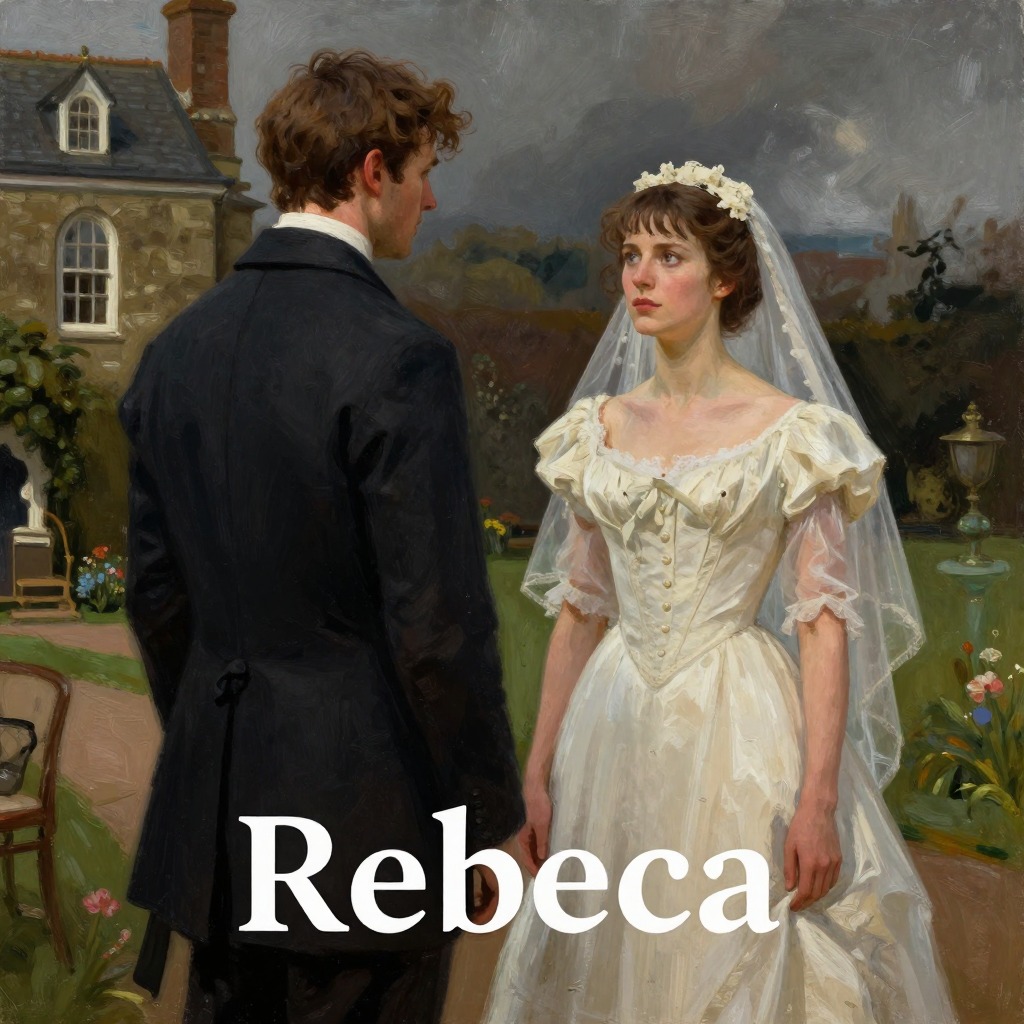
RebeccaThe cottage on the beach at Manderley is a small, low stone building at the edge of the woods, half cottage and half boat-house, built of the same stone as the breakwater that shelters the cove. Originally a boat-house, Rebecca de Winter converted it into a furnished retreat, adding a desk, table, chairs, a bed-sofa, a dresser with cups and plates, bookshelves, and models of ships on the top shelves. The cottage has a garden that was once cultivated but is now long overgrown and choked with nettles, and its windows are boarded up. The door creaks on its hinges, and the interior is damp, dark, and oppressive, with a queer musty smell; cobwebs spin threads upon the ships' models, the fabric of the sofa-bed has been nibbled by mice or rats, and the china on the dresser is blue-spotted with damp. A rusted grate holds no fire, and water drips into it from the roof. The cottage is not inhabited, and the door has no business to be open; Maxim de Winter is angry when he learns the narrator entered it, and he never goes near the place because of his memories.
Rebecca's Private Retreat
Rebecca used the cottage for moonlight picnics and for private meetings, often spending the night there when she sailed alone. She would come back any time of the night and sleep at the cottage. The boat was moored at a buoy in the tiny harbour opposite the cottage, and she would climb down an iron ladder from the breakwater to a dinghy. The cottage was furnished with her own possessions, and she kept the gear for the boat there. The narrator, exploring the cove, finds the cottage door unlocked and goes inside, discovering the furnished room and the boat-store beyond, where she finds a ball of twine to tie up Jasper. The poor, mentally disabled man Ben, who potters about on the shore, tells the narrator that "she" — Rebecca — does not go in there now, and that she is gone in the sea and will not come back. Ben also reveals that he once looked in on Rebecca in the cottage and she threatened to have him put in the asylum if he ever looked at her through the windows again.
The Scene of the Murder
The cottage is the site of Rebecca's murder. Maxim de Winter confesses that he went down to the cottage on the night she died, found her alone lying on the divan with an ashtray full of cigarette stubs, and after a confrontation in which she told him she was pregnant with a child that could not be his, he shot her through the heart. He describes the blood on the floor, how he had to get water from the cove to clean it, and how the window kept banging backwards and forwards while he knelt there with a dishcloth and a bucket. He then carried her body out to the boat, took it out into the bay, opened the seacocks, and drove a spike through the bottom planks, sinking the boat with her body inside. The cottage, with its damp, musty atmosphere and the rain pattering on the roof, becomes the permanent emblem of that violent act, a place the narrator cannot forget and which Maxim cannot bear to approach.
Narrative Significance
The cottage functions as a Gothic space of concealed truth and repressed memory. Its neglected, decaying state mirrors the hidden crime at the heart of the de Winter marriage. The narrator's innocent entry into the cottage, seeking string for the dog, unwittingly opens a door onto the past and triggers Maxim's first angry outburst about the place. The cottage is also the link between Rebecca's secret life — her affair with Jack Favell, her solitary sailing, her threat to Ben — and the violent end of that life. When the narrator later returns to the cove and finds Ben there, his cryptic remarks about "the other one" and "she's gone in the sea" deepen the sense of a hidden horror. The cottage remains, after the truth is revealed, a silent witness to the murder, its boarded windows and rotting furniture the only physical remnants of the night Maxim killed Rebecca.