Banfield’s Pilgrimage Tourism Boom
ShrineBanfield’s Pilgrimage Tourism Boom is the rapid transformation of a quiet, economically stagnant village into a destination for pilgrims, tourists, and a worldwide media audience. The crowds bring trade and renewed activity, but the boom also turns the church, the healing claims, and the surrounding landscape into objects of promotion and commercial planning.
From stagnation to opportunity
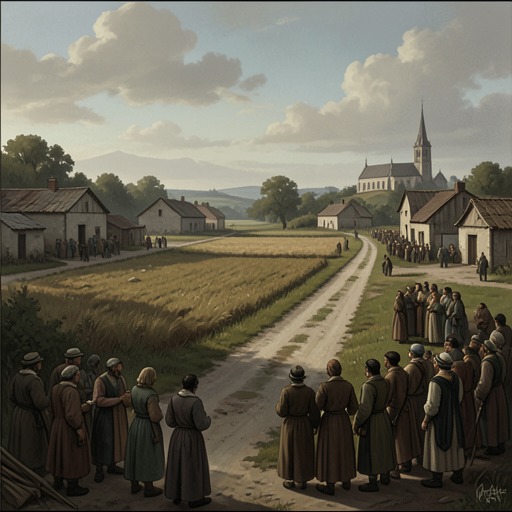
Before the reported miracles drew visitors, Banfield offered little to encourage investment. In summer, guests at Southworth’s hotel mainly used the village as a base for trips around the Sussex countryside or to Brighton and other south-coast resorts, bringing limited benefit to local businesses. Southworth and Tucker believed that other local businessmen were likewise seeking a worthwhile investment, while undeveloped land could allow the village to spread and become a town. Fenn recognized that growth could enrich Southworth and his associates as well as the community.
The prospect of the Banfield Miracle gave those ambitions a focus. Southworth presented the reported events at St. Joseph’s Church as both potentially divine and an opportunity for the village’s rebirth. He argued that renewed faith might be part of the significance of the events, even as he acknowledged the prospect of financial benefit. He and Tucker wanted Fenn to write further about the miracle, since his earlier reporting had already generated considerable interest.
Crowds gather around the church
The first signs of the new attraction appeared before visitors reached the church grounds. On the Sunday Alice was expected to return, traffic through the High Street was unusually heavy for a cold, wet morning, and people were moving toward the church. The gate and path filled with a mixed crowd of believers, curious visitors, and people hoping for another miracle. Fenn, arriving with Sue and Ben, had brought a camera and recorder in case something happened; amid the gathering, he saw visitors with serious illnesses and disabilities accompanied by family members. Their presence made the crowd’s expectation more than spectacle: for some, the visit carried the hope of a cure.
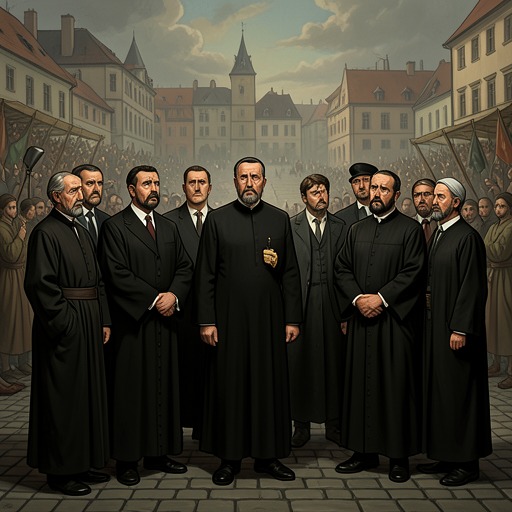
The pilgrimage acquired a more organized and public form as attendance grew. Before a later outdoor Mass, people began filling the benches in the Pilgrimage field beside St Joseph’s Church well before the service was due to begin. Places nearer the altar drew visitors who wanted to see Alice or be close to what they regarded as her holiness. Stewards, ushers, and assisting priests managed the expanding congregation, while wheelchairs struggled across churned earth and obstructed the aisles. During another large service, Monsignor Delgard faced thousands, including sick and disabled people whose anticipation sharpened the emotional stakes of the gathering. The assembled crowd became part of the event itself: a shared atmosphere of expectation surrounding the child, the altar, and the church.
Healing claims and public attention
After the Sunday on which five people were reported cured and Alice was said by many to have levitated, the village’s attention widened into a media phenomenon. Southworth regarded the cures as genuine because the patients’ prior illnesses were confirmed by their doctors and hospital records. Most of the reported conditions had disappeared; the man whose cataracts had cleared still lacked perfect vision, though his sight was improving, and the boy with a disabling leg condition still had difficulty walking unaided while his wasted muscles recovered. The distinction between substantial improvement and complete recovery remained visible even amid the excitement.
Press, television, and magazines arrived, and the story became international news. Banfield’s residents, initially bewildered by the attention, began to thrive on the activity, though some preferred the privacy of the former village. Parish council members who had previously been inactive now listened to plans for expansion. Southworth expected the publicity to draw pilgrims, tourists, and thrill-seekers in large numbers, whether or not the Catholic Church formally recognized the site as a shrine. Bishop Caines was receptive to cooperation with the council, subject to the Church’s concerns about exploitation and dignity. The boom therefore depended not only on the reported healings but also on publicity, local administration, and negotiations over who would manage the influx.
Commerce around the sacred site
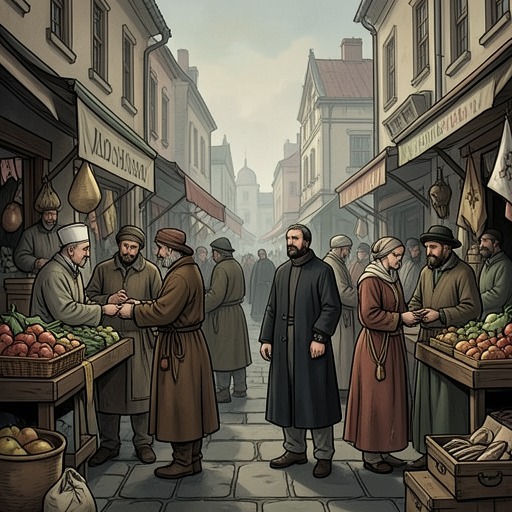
The growth was visible in the trade that accumulated around the crowds. Stalls offered small statues and religious trinkets, posters depicted the Virgin and the Pope, and devotional objects began to incorporate Alice’s image. Among the merchandise were containers presented as holding holy soil from the field, a small plastic shrine with an Alice photograph in place of an earlier holy picture, a lit grotto, and a doll resembling Alice that recited part of a prayer. These makeshift goods translated the pilgrimage’s claims into souvenirs for visitors, placing devotional imagery beside the ordinary business of selling food and attractions.
Southworth’s private plans extended well beyond the stalls. Within less than two months, local shops and pubs were busier, restaurants were full, and his hotel had been overbooked since the miracles began. He planned a joint venture with Banfield’s travel agent, St. Joseph’s Tours, to buy buses for tours around Britain and to build connections with foreign travel companies. He also intended to construct a more modern hotel. Meanwhile, properties he had acquired secretly under a company name could be rented at substantially higher prices as demand rose. The boom’s benefits were therefore unevenly situated: broader trade revived the village, while Southworth’s concealed property holdings and planned businesses positioned him to profit particularly well.
A pilgrimage shaped by competing purposes
As the gatherings grew, the field was increasingly presented as a sacred destination. During a later candlelight procession, a broadcast described thousands of people arriving from Banfield and farther away, including participants who had not previously held strong religious beliefs. The event joined a public religious ritual to an audience beyond the village, with cameras and broadcast commentary framing the procession and the field as a place of pilgrimage.
The boom holds together purposes that do not fully coincide. For people seeking healing or renewed faith, the crowds offered a setting of shared hope; for local organizers, they promised investment, visitors, and development. The same attention that made Banfield seem newly alive also encouraged the packaging of religious signs as attractions and goods. Its pilgrimage economy thus arose from the conjunction of reported cures, collective expectation, media amplification, and commercial ambition, rather than from any single authority’s declaration that the village had become a shrine.