Autumn 1968
Hackett’s First Visit
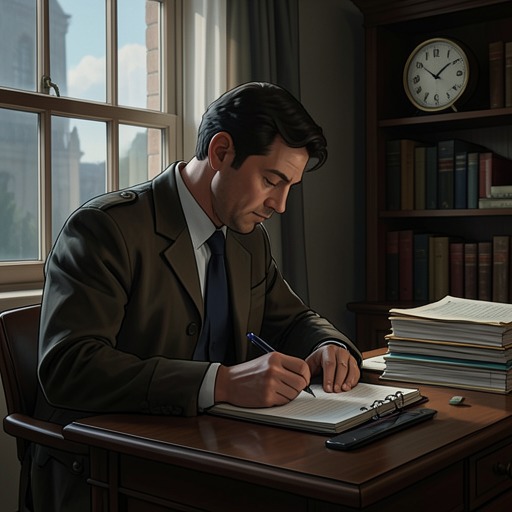
[Pat Hackett](entity:character-recall-character-pat-hackett-74ad59c5611c) recalls meeting [Andy Warhol](entity:character-recall-character-andy-warhol-90627dad43a3) three months after [Valerie Solanas](entity:character-recall-character-valerie-solanas-e1e8915c6e75) shot him. [The Factory](entity:location-recall-location-the-factory-8d8a32956f5f) had moved to [Union Square](entity:location-recall-location-union-square-819d06c8c88d), where Warhol resumed work while recovering from wounds that still bled through his shirt; he considered himself a man returned from the dead.
Hackett began as a part-time typist, transcribing recorded conversations and learning the cluttered, improvised world around him. The introduction establishes their long working friendship and the daily phone calls that would eventually become the source of the diary.
1968–1974
The Factory’s New Household
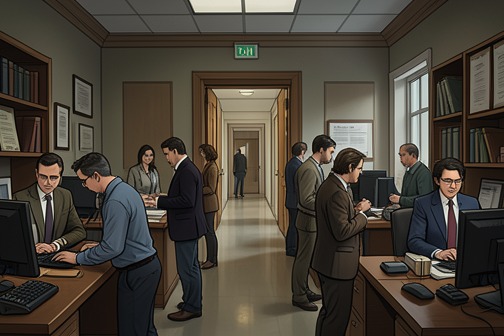
As the Factory shifted from underground filmmaking toward larger commercial films, its circle changed. [Paul Morrissey](entity:character-recall-character-paul-morrissey-1606aa72630d), [Jed Johnson](entity:character-recall-character-jed-johnson-c1bcaa11efde), [Fred Hughes](entity:character-recall-character-fred-hughes-4e6dc253cc24), [Vincent Fremont](entity:character-recall-character-vincent-fremont-aaf84168ce0f), [Ronnie Cutrone](entity:character-recall-character-ronnie-cutrone-67050a419189), and others took on roles in an increasingly organized operation, while old figures such as [Billy Name](entity:character-recall-character-billy-name-e8038cbe36ac) withdrew from its daily life.
The introduction describes Warhol’s evolving business and social worlds: Fred managed his art career, [Interview](entity:organization-recall-organization-interview-b17f42389e35) developed into a major outlet for new faces, and commissioned portraits became an important source of income. The account frames the office as a family-like workplace whose boundaries Warhol himself maintained.
Fall 1976
The Diary Begins
After [Pat Hackett](entity:character-recall-character-pat-hackett-74ad59c5611c) told Warhol she no longer wanted to work in the office, they agreed that he would provide his own daily account of activities and expenses. Their weekday phone calls, ostensibly designed to satisfy tax auditors, gradually became a diary in which he examined his social life, work, anxieties, and passing impressions.
Hackett explains that she condensed some 20,000 pages for publication, cutting days and names while trying to preserve Warhol’s voice. She also describes his fears of poverty and illness, his changing personality, and the diary’s loose, associative way of recording events.
November 24–28, 1976
Thanksgiving at the Wyeths’
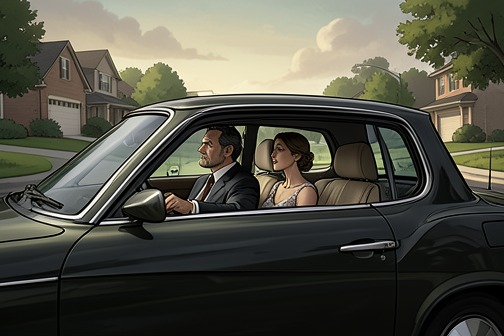
After returning from a trip through [Seattle](entity:location-recall-location-7af5814b411d), [Los Angeles](entity:location-recall-location-a4be76fb5f5a), and [Vancouver](entity:location-recall-location-05399ccbb6cd), Warhol drove with [Jed Johnson](entity:character-recall-character-jed-johnson-c1bcaa11efde) and friends to [Jamie Wyeth](entity:character-recall-character-jamie-wyeth-1349f3cacd43) and Phyllis Wyeth’s home in [Chadds Ford](entity:location-recall-location-7d3019345da2). The visit stretched across several days of long dinners, carriage rides, museum visits, and a benefit performance, giving Warhol a rare extended stay outside New York’s social circuit.
On the drive home, Warhol and [Catherine Guinness](entity:character-recall-character-catherine-guinness-2ea39fec331e) met [Jodie Foster](entity:character-recall-character-jodie-foster-b9f307521ca8) at the Pierre, bought her toys, and interviewed her. The diary’s small encounters and expenses sit alongside celebrity gossip, establishing the blend of mundane recordkeeping and social observation that defines the book.
January 11–12, 1977
The Hammer and Sickle Opening
Warhol’s Hammer and Sickle exhibition opened at [Leo Castelli](entity:character-recall-character-leo-castelli-7191e5694421)’s gallery, drawing artists, collectors, and fashion figures. He was pleased by the crowded opening but disappointed that [Elizabeth Taylor](entity:character-recall-character-elizabeth-taylor-f99d33df851c) did not attend, even though [Halston](entity:character-recall-character-halston-f00015e52439) brought a small painting she had made for him.
At a separate dinner that night, Warhol reflected on older social circles and the people who praised his work. The contrast between the art opening and the established society gathering highlights his continual movement between commercial art, celebrity, and elite patronage.
January 15–20, 1977
The Kuwait Exhibition
Warhol traveled to [Kuwait](entity:location-recall-location-09a6db169d18) with [Fred Hughes](entity:character-recall-character-fred-hughes-4e6dc253cc24) and [Jed Johnson](entity:character-recall-character-jed-johnson-c1bcaa11efde) for an exhibition, finding the trip disorienting and its official cultural events tedious. He toured the souk, museums, artists’ studios, and formal receptions, while recording the repeated questions and rituals that made the days seem interchangeable.
A lively dinner at Nadja’s home became the trip’s best social event, with guests dancing and giving gifts. After a dispute over whether he should continue to Germany, Warhol left for [Rome](entity:location-recall-location-rome-3ec0a741c1f4), where Fred apologized for calling him a fading star.
January 29–30, 1977
Nashville’s Pop Reception
Warhol and [Jamie Wyeth](entity:character-recall-character-jamie-wyeth-1349f3cacd43) arrived in [Nashville](entity:location-recall-location-8754c4db82d5) to exhibit portraits together. Cheerleaders greeted them with Warhol-Wyeth chants, and at the opening Warhol accidentally became the center of a receiving line while looking for popcorn, signing autographs for an hour and a half.
The trip underlined the gap between the celebrity audiences who recognized Warhol and the critics who understood his art. A local social climber maneuvered to appear in the press beside him, while the exhibition and publicity remained part of his increasingly busy portrait business.
February 3–7, 1977
The Denver Opening
Warhol traveled to [Denver](entity:location-recall-location-0fb3748a48a3) for an exhibition and public appearances, where his nephew Father Paul and niece Eva joined him. [Fred Hughes](entity:character-recall-character-fred-hughes-4e6dc253cc24) grew drunk and openly complained about the event, while Warhol signed books and posters for crowds that included local admirers and “freaks.”
The trip included a visit to the forty acres Warhol had bought near [Aspen](entity:location-recall-location-e46f835caf4c), where two women riding horses praised the country. Back in New York he learned that the television proposal he had worked on had been turned down and then copied by the network, deepening his sense that ideas and business opportunities could be taken from him.
February 16–21, 1977
The Fonz Encounter
In [Los Angeles](entity:location-recall-location-a4be76fb5f5a), Warhol met Henry Winkler at Allan Carr’s house. [Suzie Frankfurt](entity:character-recall-character-suzie-frankfurt-fb5a104eaa35) mistook Winkler for an Olympic swimmer, not recognizing him as the Fonz, while Warhol was too excited to think of anything to say.
The trip continued with gallery events, interviews, and a crowded opening in [Venice](entity:location-recall-location-519cfa9fe115). Warhol sold work for a hospital benefit, endured a press-heavy public appearance, and later attended parties where Hollywood’s social hierarchies and celebrity games left him contemptuous of the town.
March 28–29, 1977
The Academy Awards Night
In [Los Angeles](entity:location-recall-location-a4be76fb5f5a), Warhol moved through Academy Awards parties as the ceremony unfolded, watching winners and celebrity encounters with his characteristic mixtures of fascination and judgment. He noticed [John Travolta](entity:character-recall-character-john-travolta-c2c2924927b1) crying on the flight home only later learned that Travolta’s partner, Diana Hyland, had died.
On the return flight, Warhol also encountered a bomb threat connected to [Jodie Foster](entity:character-recall-character-jodie-foster-b9f307521ca8) and [Martin Scorsese](entity:character-recall-character-martin-scorsese-5b4583181f47). The threat, celebrity gossip, and the plane’s crowded first-class cabin turned an ordinary journey into a reminder of the vulnerability and theatricality surrounding fame.
June 16–20, 1977
The Neck Biopsy
Warhol underwent a biopsy at Sloan-Kettering for a lump in his neck, fearing that it might be cancer. He recorded the waiting, the procedure, and the uncertainty in the same anxious voice he used for cab fares and social plans.
A few days later, the doctor told him the result was benign. Warhol went to church to thank God, a rare moment when his health anxiety ended in relief rather than another unresolved fear.
July 13–14, 1977
The Power Outage
The [New York City](entity:location-recall-location-new-york-city-65df0a129d4c) blackout interrupted Warhol’s routine during a theater performance and left the city vulnerable to looting. He watched television coverage in which camera crews illuminated the very thefts they filmed, while his own power at home returned after the outage.
The blackout also made the city’s streets feel strange and exposed. Warhol’s notes move from the theatrical excitement of actors performing by candlelight to the uneasy spectacle of a city presented to viewers as a scene of disorder.
September 29–30, 1977
The Brearley Visit
Warhol visited Brearley with [Bob Colacello](entity:character-recall-character-bob-colacello-215e35f3d46c) and [Fred Hughes](entity:character-recall-character-fred-hughes-4e6dc253cc24) to see Nenna Eberstadt. The sight of schoolgirls in uniform, combined with his anxieties about a copy of [Interview](entity:organization-recall-organization-interview-b17f42389e35) left behind, made him fret about age, youth, and the vulnerability of celebrity publishing.
That same evening, he photographed the Rolling Stones and later attended parties with young men. His concerns about the magazines, his role as publisher, and the increasingly blurred boundaries between public image and private life converge in this episode.
February 11, 1978
The Fire Upstairs
Warhol woke to the smell of burning and discovered a scorched dropcloth and a hole in the floor of a room where furniture was being restored. Open turpentine cans and closed windows made the near-fire feel inexplicable, and he feared that his worst nightmare had come true.
He spent the morning cleaning the damage and angrily ordered the workers to remove their belongings. The incident intensified his superstition and anxiety about the house, especially because a flood had previously damaged the same room.
August 8, 1978
The Cats Are Drowned
After [Ronnie Cutrone](entity:character-recall-character-ronnie-cutrone-67050a419189) arrived at the office, [Gigi](entity:character-recall-character-gigi-10569d378b89) confronted him about her missing cats. [Ronnie](entity:character-recall-character-ronnie-aacebc5c1e16) said he had drowned them in a bathtub and put their bodies in the incinerator, claiming he had not fed them or himself for days.
Warhol was horrified and believed Ronnie had killed them to punish Gigi. The episode deepened the office’s instability and turned an already troubled marriage into a scene of cruelty that Warhol could scarcely face.
January 25–27, 1979
The Shadows Opening
Warhol’s [Shadows](entity:object-recall-object-shadows-1c7eeaa83f17) exhibition opened at Heiner Friedrich’s gallery. Although the show attracted thousands, most of the society guests invited by [Bob Colacello](entity:character-recall-character-bob-colacello-215e35f3d46c) failed to attend, leaving the opening to a younger, more alternative crowd.
At dinner afterward, [René Ricard](entity:character-recall-character-ren-ricard-93289328346f) called the work decorative and provoked Warhol into an angry public argument. The fight exposed the tension between Warhol’s commercial identity and the critical judgments that continued to shape how his art was received.
1979–1980
Popism’s Manuscript
Warhol and [Pat Hackett](entity:character-recall-character-pat-hackett-74ad59c5611c) worked through the manuscript of [Popism](entity:object-recall-object-popism-b920c42667a6) while dealing with editorial disputes and publishing delays. Warhol worried that the text made him seem too close to society figures, while he and Hackett tried to preserve the voice of the conversations they had recorded.
The book’s progress ran parallel to his increasing fatigue with publicity and promotion. He could be excited by a good review or an interview, then fear that too much exposure would consume his image and his time.
September 24, 1980
The Reagan Interview
Warhol and [Bob Colacello](entity:character-recall-character-bob-colacello-215e35f3d46c) interviewed [Ron Reagan Jr.](entity:character-recall-character-ron-reagan-jr-b909c28d50a2) at the office. Reagan arrived with his girlfriend and a friend, and Warhol found him shy, handsome, and unexpectedly thoughtful, while the Secret Service and the celebrity machinery around the family made the encounter feel staged.
The meeting illustrates Warhol’s ability to turn access into magazine content while remaining uncertain about the people he met. He later reflected on the Reagan family’s public image and the ways political fame could become another kind of celebrity culture.
December 20, 1978
The Christmas Party at the Dakota
Warhol attended [Jackie Kennedy Onassis](entity:character-recall-character-jackie-kennedy-onas-92ee3395d2f4)’s [Christmas](entity:time-recall-time-christmas-a573265d0167) party with [Bob Colacello](entity:character-recall-character-bob-colacello-215e35f3d46c). [Caroline Kennedy](entity:character-recall-character-caroline-kennedy-d3ebe4a6e3d6) had become a striking young woman, and the party’s elegant food and tightly managed guest list impressed Warhol, while Bob was delighted by Jackie’s attention.
The following day Jackie called Warhol to say she had invited him, not Bob, because she feared what Bob might write. The call exposed the limits of Warhol’s social access and the strain between friendship and the magazine’s appetite for gossip.
August 6–9, 1978
Warhol’s Birthday Party
Warhol’s birthday celebrations unfolded across several days. At [Halston](entity:character-recall-character-halston-f00015e52439)’s party, friends and coworkers arrived in coordinated white outfits, and [Steve Rubell](entity:character-recall-character-steve-rubell-822679e35196) dumped a garbage can filled with dollar bills on Warhol as a gift. Halston also offered him a white fur coat, then took it back to replace it.
The next day, [Ronnie Cutrone](entity:character-recall-character-ronnie-cutrone-67050a419189) said he had drowned [Gigi](entity:character-recall-character-gigi-10569d378b89)’s cats, leaving Warhol horrified. The birthday’s extravagant spectacle was abruptly followed by a brutal private crisis, revealing how the same circle could mix generosity, intoxication, and devastating cruelty.
August 28–29, 1978
The Montauk Film Set
Warhol traveled to [Montauk](entity:location-recall-location-e1ddcf37b37a) to appear in [Tom Sullivan](entity:character-recall-character-tom-sullivan-236229c71f8e)’s film Cocaine [Cowboys](entity:location-recall-location-cowboys-0ecf28b410c3). He was given lines and asked to play himself, but felt awkward trying to act naturally. The production’s noisy, improvised atmosphere was a far cry from the Factory’s earlier underground filmmaking.
The trip also brought him into contact with [Jack Palance](entity:character-recall-character-jack-palance-c2f1856dba11) and the crowded crew at the rented property. Warhol watched the rushes afterward and thought the movie had some promise despite its thin plot and uneven pace.
December 14–25, 1978
The First Studio 54 Raid
After the IRS raided [Studio 54](entity:location-recall-location-studio-54-bdbdfe45ffbe), [Steve Rubell](entity:character-recall-character-steve-rubell-822679e35196) and [Ian Schrager](entity:character-recall-character-ian-schrager-9f74dc715d3f) faced investigations and the club’s social world shifted. Warhol listened as Steve described the bust and the cash discovered in a hidden room, while [Halston](entity:character-recall-character-halston-f00015e52439) took the raid as a personal betrayal.
The group’s gatherings continued, but the authorities’ presence altered the atmosphere. Rubell’s accounts changed from one telling to another, and the club’s excesses became inseparable from its legal jeopardy.
December 31, 1978–January 1, 1979
The New Year’s Eve at Studio 54
Warhol spent [New Year](entity:time-recall-time-new-year-3081c4d3858f)’s Eve first at [Halston](entity:character-recall-character-halston-f00015e52439)’s, then at [Studio 54](entity:location-recall-location-studio-54-bdbdfe45ffbe), where silver glitter, balloons, and press coverage turned the night into an elaborate performance. [Diana Ross](entity:character-recall-character-diana-ross-62a8bcebd61f) asked for black-eyed peas, and Halston cooked soul food to mark the new year.
The crowd spent the night losing and finding one another, while Warhol remained sober and watched the celebration continue into daylight. The scene captures both the club’s spectacle and the emotional exhaustion that increasingly accompanied it.
January 25–28, 1979
The Shadows Exhibition’s Public Opening
Warhol’s [Shadows](entity:object-recall-object-shadows-1c7eeaa83f17) opened to a crowd of thousands, while many of the celebrated guests invited by [Bob Colacello](entity:character-recall-character-bob-colacello-215e35f3d46c) stayed away. Warhol found satisfaction in being able to say that the paintings had all sold, even as the opening’s social expectations collapsed.
The event was followed by an argument with [René Ricard](entity:character-recall-character-ren-ricard-93289328346f), who dismissed the paintings as decorative. Warhol’s visible anger surprised the people around him, reviving a more volatile side of his personality.
February–April 1979
The Fire at Studio 54
As [Steve Rubell](entity:character-recall-character-steve-rubell-822679e35196)’s legal problems grew, the club’s liquor license was threatened and the social circle began to splinter. Rubell served jail time and returned to a different club culture, while friends and employees watched the power around him weaken.
Warhol followed the drama through parties, phone calls, and the press, often unsure which version of events to believe. The club’s decline became a continuing background to his own work and social life.
April 2, 1980
Warhol’s First Meeting with the Pope
Warhol and [Fred Hughes](entity:character-recall-character-fred-hughes-4e6dc253cc24) drove to [Rome](entity:location-recall-location-rome-3ec0a741c1f4) believing they had a private audience with the pope. Instead, they joined a crowd of thousands, waited through speeches, and eventually shook his hand in a chaotic public reception.
Warhol was nervous among the nuns and photographers, while Fred had [Suzie Frankfurt](entity:character-recall-character-suzie-frankfurt-fb5a104eaa35)’s cross blessed. Their attempt to turn the experience into a more exclusive story afterward reveals how Warhol’s social imagination could transform an ordinary public event into a private fantasy.
February 11, 1978
The Cowan’s Christmas Fire
Warhol discovered that a dropcloth in an upstairs workroom had burned through, leaving a hole in the floor. He was shaken by the possibility that the fire could have spread to the rest of the house and blamed the workers who had left solvents nearby.
The event reinforced his fear of loss and disaster. He imagined the room as possessed and later placed blessed water around the house, treating practical danger and spiritual anxiety as intertwined.
1980
The Studio 54 Sale
After the club’s legal troubles and loss of its liquor license, [Studio 54](entity:location-recall-location-studio-54-bdbdfe45ffbe) changed hands. Warhol heard the news while traveling in [Paris](entity:location-recall-location-paris-c02b439ce220), marking the end of the club’s central place in his nightly routine.
The transition did not erase the friendships formed there, but it transformed a once-constant venue into a memory. The diary follows the afterlife of the club through its former owners, parties, and efforts to recreate its glamour elsewhere.
December 31, 1979–January 1, 1980
The New Year’s Eve at Halston’s
Warhol celebrated [New Year](entity:time-recall-time-new-year-3081c4d3858f)’s Eve at [Halston](entity:character-recall-character-halston-f00015e52439)’s and then went to [Studio 54](entity:location-recall-location-studio-54-bdbdfe45ffbe), where the room was decorated with silver glitter and balloons. The night moved between crowded parties, celebrity sightings, and the effort to keep track of friends in a shifting crowd.
Warhol was sober and found the club still lively at sunrise. The episode shows how the social rituals of the late seventies persisted even as the people and venues around them began to change.
January 20, 1981
The Inauguration and the Reagan Years
Warhol attended [Ronald Reagan](entity:character-recall-character-ronald-reagan-023ec6acf5aa)’s inauguration in Washington, amid crowds, security, and a formal ceremony. He watched the new administration take office and reflected on how political power and celebrity could overlap.
The event marks a change in the political climate that runs through the later diary. Warhol remained curious about political figures but wary of their public performances and the social networks that surrounded them.
March 30, 1981
The Shooting of Ronald Reagan
After [Ronald Reagan](entity:character-recall-character-ronald-reagan-023ec6acf5aa) was shot, Warhol followed the news and reflected on the danger surrounding public figures. The attack unsettled him because it echoed his own [1968](entity:time-recall-time-1968-0cb137bb7d27) shooting and sharpened his sense that celebrity could make people both visible and vulnerable.
The event also affected the social world around him, as friends discussed security, public appearances, and the possibility of violence. Warhol’s anxieties about his own safety became more immediate in the wake of the attack.
September 1981
The Wedding in the White House’s Shadow
Warhol followed the public life of the Reagan family while continuing to interview and photograph its younger members. He met [Ron Reagan Jr.](entity:character-recall-character-ron-reagan-jr-b909c28d50a2) and Doria, found them appealing, and used their access to deepen [Interview](entity:organization-recall-organization-interview-b17f42389e35)’s reach into political circles.
The diary’s account of the family blends affection, gossip, and calculation. Warhol saw the Reagans as both private people and useful public figures, and he hoped the connection would lead to future interviews and magazine opportunities.
February 22, 1981
The Roy Cohn Birthday Party
Warhol attended [Roy Cohn](entity:character-recall-character-roy-cohn-d314e1c26885)’s birthday party at [Studio 54](entity:location-recall-location-studio-54-bdbdfe45ffbe), where politicians, socialites, and celebrities gathered around a lavish cake and a large performance. Cohn’s political influence and his relationships with club owner [Steve Rubell](entity:character-recall-character-steve-rubell-822679e35196) made the party feel like a meeting of public power and private excess.
Warhol watched the spectacle with a mixture of amusement and unease. Cohn’s rhetoric and associations linked the club’s glamorous world to the more threatening machinery of politics and law.
March 24, 1980
The Popism Celebration
Warhol and [Bob Colacello](entity:character-recall-character-bob-colacello-215e35f3d46c) celebrated the publication of [Popism](entity:object-recall-object-popism-b920c42667a6) with a party attended by celebrities and cultural figures. The book’s reception mattered to Warhol because it turned his memories of the sixties into a public narrative and renewed attention to the Factory years.
The party also revealed his ambivalence about publicity. He welcomed the attention while worrying that too much exposure would flatten his life into gossip or a familiar media story.
December 28, 1979
The Car Accident and the New Building
Warhol visited Bob Denison’s office at 245 Park Avenue when he smelled smoke and learned the building was on fire. The elevator was still operating despite the emergency, so he and Denison took the stairs through a crowd of evacuees.
The incident sharpened Warhol’s fear of buildings, fires, and sudden catastrophe. He continued to think about his own properties and the business spaces that might shape the future of [Interview](entity:organization-recall-organization-interview-b17f42389e35).
January 1980
The Gallbladder Test
Warhol underwent repeated tests for gallstones and worried about radiation and the possibility of surgery. His doctors tried medication to dissolve the stones, but the treatment was uncertain and he remained anxious about the results.
The health concerns became part of his daily routine alongside work and social engagements. His fear of medical procedures and cancer repeatedly surfaced, even when he tried to treat the matter as just another appointment.
November 10, 1980
The Madonnas Idea
During a trip to [Paris](entity:location-recall-location-paris-c02b439ce220), Warhol discussed new subjects for his work and came upon the idea of mothers nursing babies. He found the image erotic and emotionally charged, and began thinking of it as a new artistic direction.
The idea connects his ongoing search for fresh motifs to the more intimate concerns that were emerging beneath his public persona. It also foreshadows the continuing tension between commercial images and private feeling.
January 20, 1981
The Reagan Inauguration
Warhol attended [Ronald Reagan](entity:character-recall-character-ronald-reagan-023ec6acf5aa)’s second inauguration with friends and described the crowds, security, and ceremonial atmosphere. He watched the new administration take office while noticing how the public spectacle of politics resembled the celebrity events he knew so well.
The inauguration framed the political era that followed, as Warhol continued to move among government figures, socialites, and media personalities. His diary treats political power as both a real force and a carefully staged performance.
March 24, 1986
The Michael Stewart News
Warhol watched the news about the death of Michael Stewart and reflected on the police violence and public fear surrounding the case. His diary links the event to the increasingly tense atmosphere of New York’s streets and the vulnerability of young people in the city.
The moment sits beside his daily routines of walking, handing out [Interview](entity:organization-recall-organization-interview-b17f42389e35), and photographing strangers. It exposes the distance between his protected celebrity life and the danger experienced by people outside it.
September 1981
The Pop Art Retrospective
Warhol’s art returned to institutional attention through a series of exhibitions and retrospectives, while he worried that the younger art world was moving beyond Pop. He compared his own work with new artists and wondered whether he had run out of ideas.
The tension between the durability of his images and his anxiety about becoming passé runs through the diary’s later years. He sought new forms while repeatedly returning to familiar motifs, including portraits, celebrity images, and iconic objects.
1982–1984
The Basquiat Friendship
Warhol’s relationship with [Jean-Michel Basquiat](entity:character-recall-character-jean-michel-basquia-d3a2f939b45c) developed from a shared art-world orbit into a close, productive connection. Basquiat visited the office, worked alongside Warhol, and brought new energy to the older artist’s studio, while Warhol supported his work and introduced him to collectors and galleries.
Their relationship was affectionate but unstable, marked by Basquiat’s drug use, jealousy, and need for recognition. The collaboration became a major part of Warhol’s late career and a bridge between Pop art and the emerging downtown art scene.
December 8, 1980
The John Lennon Murder
Warhol learned that [John Lennon](entity:character-recall-character-john-lennon-5faeb9a58ca5) had been shot and killed outside the Dakota, the building where Lennon lived. The news dominated the press and the city, and Warhol followed the coverage with a mixture of shock and detachment.
The murder made celebrity violence painfully immediate. Warhol recognized the danger of a life lived in public and recalled his own shooting, while the city’s vigils and media coverage turned grief into another public spectacle.
1982
The Tootsie Appearance
Warhol filmed a small appearance in Tootsie, but the book does not describe the shooting in detail. The experience belongs to his continuing effort to cross between art, film, television, and celebrity culture.
His later reflections suggest that acting felt unnatural to him, even as he became more willing to appear in commercial productions. The role is one of several moments when he became part of the entertainment machinery he had spent decades observing.
1984
The Interview Office Moves
[Interview](entity:organization-recall-organization-interview-b17f42389e35)’s staff and operations moved into a larger space at 33rd Street, while Warhol’s own working area became harder to find. He struggled to maintain a place for painting amid the magazine’s growth and the accumulating business that surrounded him.
The move intensified his concern that the office was taking over his life and that his days were becoming more administrative than artistic. His search for new buildings and rooms became part of the larger struggle to preserve space for making work.
October 30, 1985
The Rizzoli Book-Signing Attack
At a book signing at Rizzoli, a young woman pulled off Warhol’s wig and threw it over the balcony. He was shaken and humiliated but refused to stop signing, continuing under his coat hood until the line was finished.
The incident revived memories of the [1968](entity:time-recall-time-1968-0cb137bb7d27) shooting and made him feel exposed in a way that publicity usually concealed. He later described the experience as a second attack, though he tried to treat it as unreal and move on.
1984–1985
The New Building
Warhol and his staff moved into the [33rd Street building](entity:location-recall-location-33-4e11e579cc95), where The [Interview](entity:organization-recall-organization-interview-b17f42389e35) magazine expanded, and his work area became increasingly crowded. He worried he would lose his original studio and managed to free up space in the magazine's daily operations to continue painting. The building symbolizes both success and
September 18, 1986
The Death of Jon Gould
[Andy Warhol](entity:character-recall-character-andy-warhol-90627dad43a3)'s relationship with [Jon Gould](entity:character-recall-character-jon-gould-d6fd1e0840bd) became increasingly difficult, yet their emotional dependence deepened. After Jon Gould fell ill and left, Andy Warhol felt lonely and confused, yet he continued to imagine that they might have a shared creative life. Jon Gould died at the age of thirty-three after a
February 20, 1987
The Final Hospital Admission
After several weeks of pain and gallbladder problems, [Andy Warhol](entity:character-recall-character-andy-warhol-90627dad43a3) was hospitalized in New York for surgery. He had long been afraid of hospitals and surgery, but the doctors considered the surgery essential