
Hester vs Puritan Society
The Scarlet LetterTraces the evolving conflict between Hester Prynne and the rigid Puritan community, from public shaming to grudging acceptance.
increasing Bearing strength in each event
 decreasing
Bearing strength in each eventdecreasingThe Public Shaming
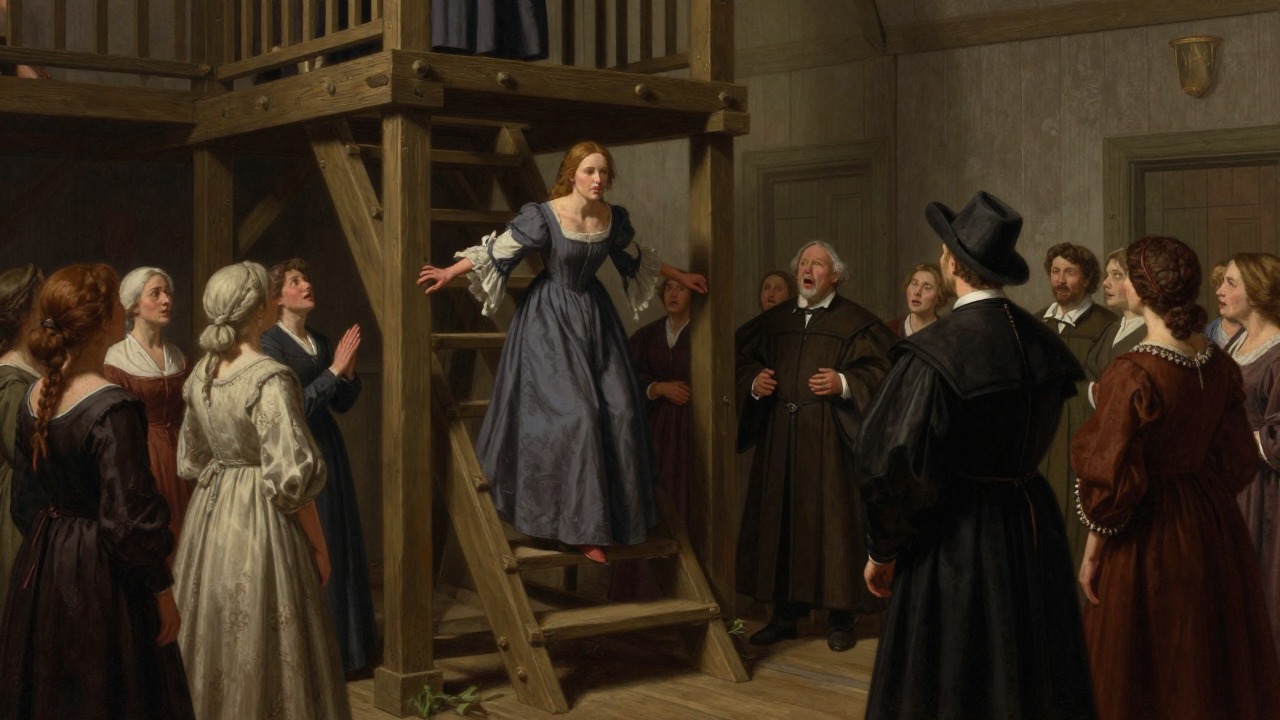
The Scaffold
The Judgment of the Crowd
Hester is led from prison to the scaffold, where she is exposed to the jeers and stares of the Puritan community. The women in the crowd call for harsher punishment, including branding and death. The magistrates have sentenced her to three hours on the scaffold and a lifetime of wearing the scarlet letter.
Hester's Defiance
Despite the humiliation, Hester holds her head high. She refuses to name her fellow sinner, protecting Dimmesdale. Her defiant spirit wins her a measure of respect from some, but the crowd remains hostile.
The Symbol of Shame
The scarlet letter is intended to be a mark of infamy, but Hester's embroidery makes it a thing of beauty. This act of defiance transforms the symbol, and the community is unsettled by her refusal to be crushed.
The Daily Torment
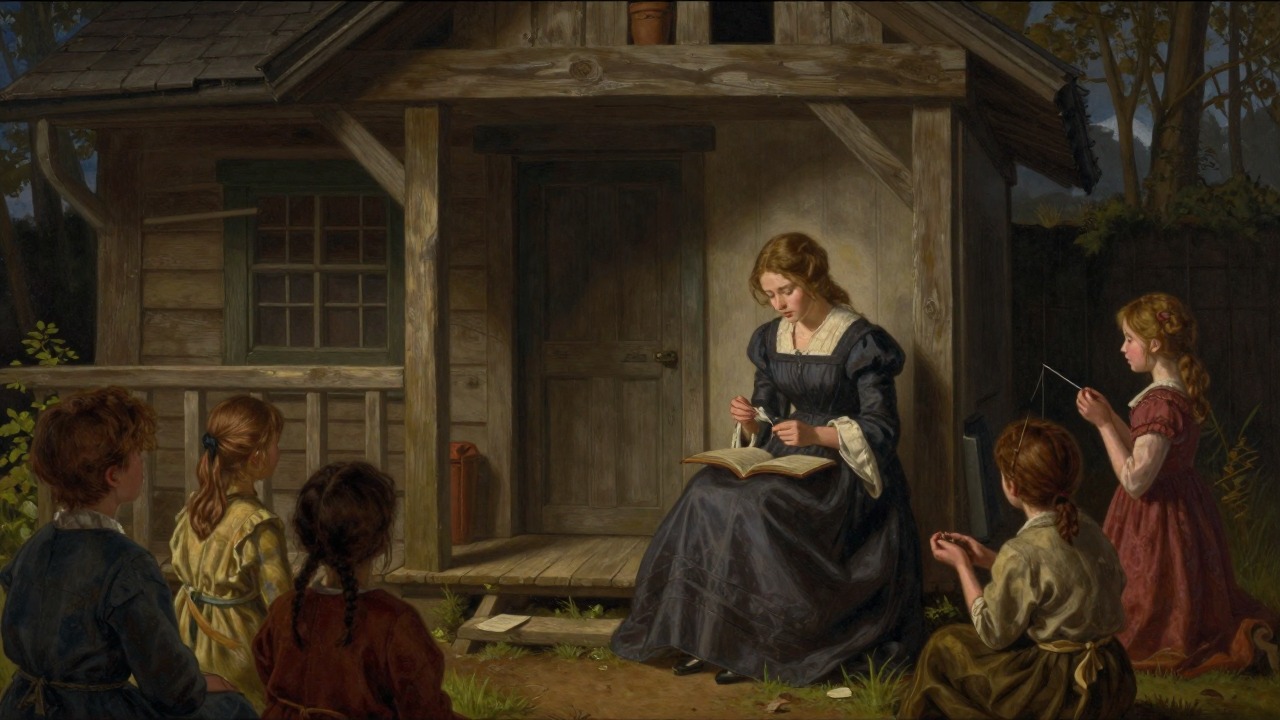
The Outcast
A Life of Isolation
Hester lives in a secluded cottage, shunned by the community. Children are taught to fear her, and adults avoid her. She is a living sermon against sin, and every encounter reminds her of her shame.
The Needle and the Scorn
Despite her skills, Hester is never fully accepted. She is allowed to sew for the community, but not for brides. The exception underscores the relentless nature of the social stigma.
The Dread of Children
Hester develops a fear of children, who torment her with cries and taunts. The constant persecution wears down her spirit, but she never retaliates. She bears the punishment with a patience that eventually earns her a grudging respect.
The Shift in Public Opinion
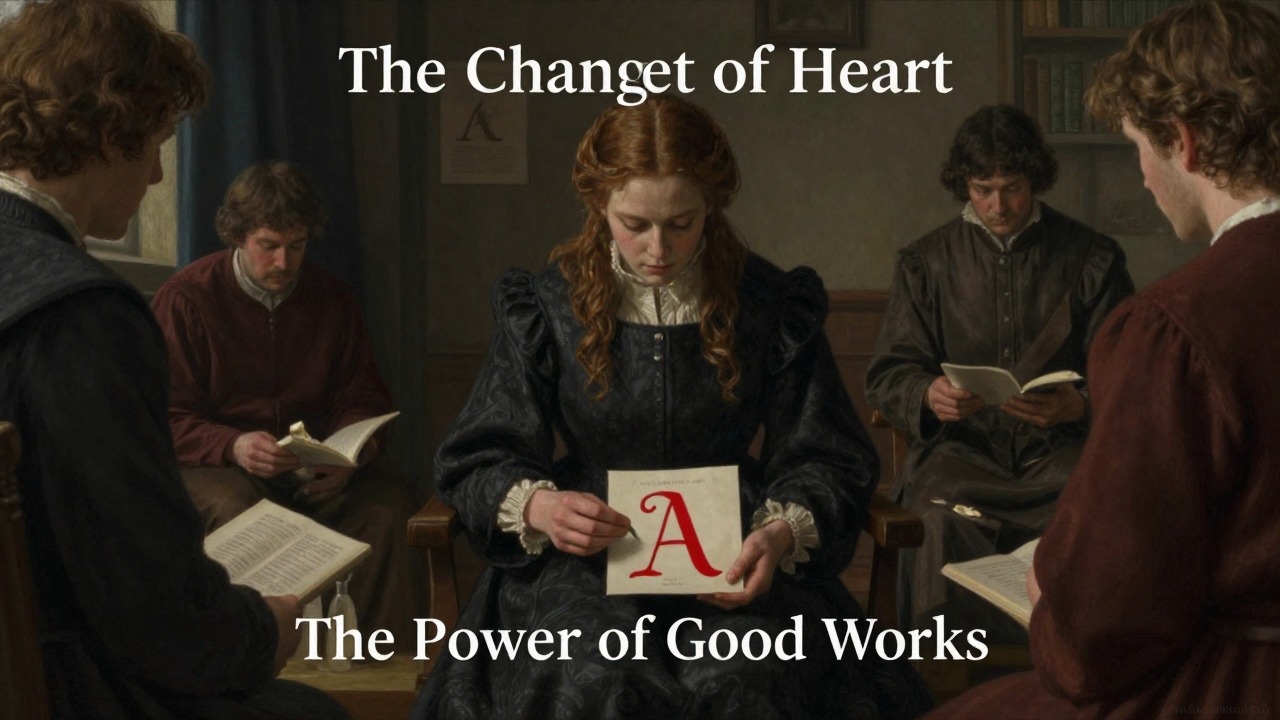
A Change of Heart
The Power of Good Works
Hester's constant charity and selfless service begin to soften the community's hostility. She tends the sick and helps the poor, and people start to see the scarlet letter as a symbol of her ability rather than her sin. Some even interpret it as meaning "Able."
The Reluctant Acceptance
While the magistrates and clergy remain suspicious, the common people show more kindness. Hester is no longer a pariah, but she is still not fully integrated. She moves through the town as a ghostly figure, respected but distant.
The Limit of Forgiveness
Despite the change, Hester is never truly forgiven. The scarlet letter remains a mark of her past. The conflict between her and society is not resolved, but it becomes less overt. She accepts her role as an outsider.
The Final Confrontation
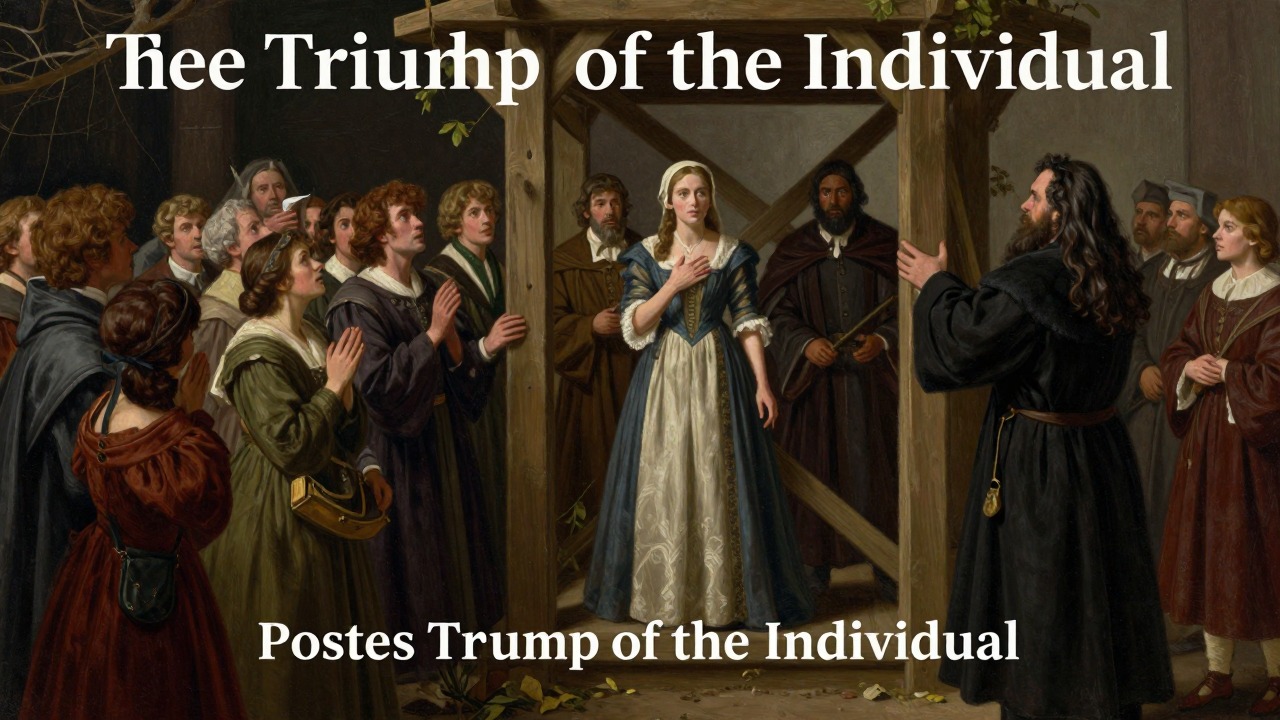
The Triumph of the Individual
The Procession and the Scaffold
On Election Day, Hester stands by the scaffold as the procession passes. She is the focus of the crowd's attention, but now it is with a mixture of curiosity and respect. When Dimmesdale confesses, Hester's own shame is validated and shared.
The End of the Conflict
With Dimmesdale's public confession, the conflict between Hester and society undergoes a transformation. The community now sees the full extent of the sin, and Hester is no longer the sole bearer of blame. The scarlet letter loses its power to shame.
The Aftermath
Hester's later years as a counselor show that she has achieved a kind of reconciliation with the community. She is sought out for advice, and her wisdom is valued. The conflict is resolved not by society's acceptance, but by Hester's own inner peace.
the first day of the story
during the first years after her release
after several years of Hester's charity
Election Day
