
The Nature of Sin and Its Consequences
The Scarlet LetterExplores the thematic treatment of sin—its public and private forms, the difference between hidden and open guilt, and the possibility of redemption.
increasing Bearing strength in each event
 decreasing
Bearing strength in each eventdecreasingThe Public Sin of Hester

The Open Shame
A Visible Mark
Hester's sin is made public through the scarlet letter. She is forced to stand on the scaffold and endure the gaze of the community. The punishment is designed to shame her, but it also allows her to begin the process of atonement.
The Contrast with Hidden Sin
Hester's sin is open, while Dimmesdale's is hidden. The novel suggests that open sin, though painful, is easier to bear because it can be acknowledged. Hidden sin, on the other hand, festers and destroys the soul.
The First Step to Redemption
Hester's public shame is the beginning of her redemption. She accepts her punishment and uses it as a catalyst for change. The scarlet letter, which is meant to be a mark of shame, becomes a symbol of her strength.
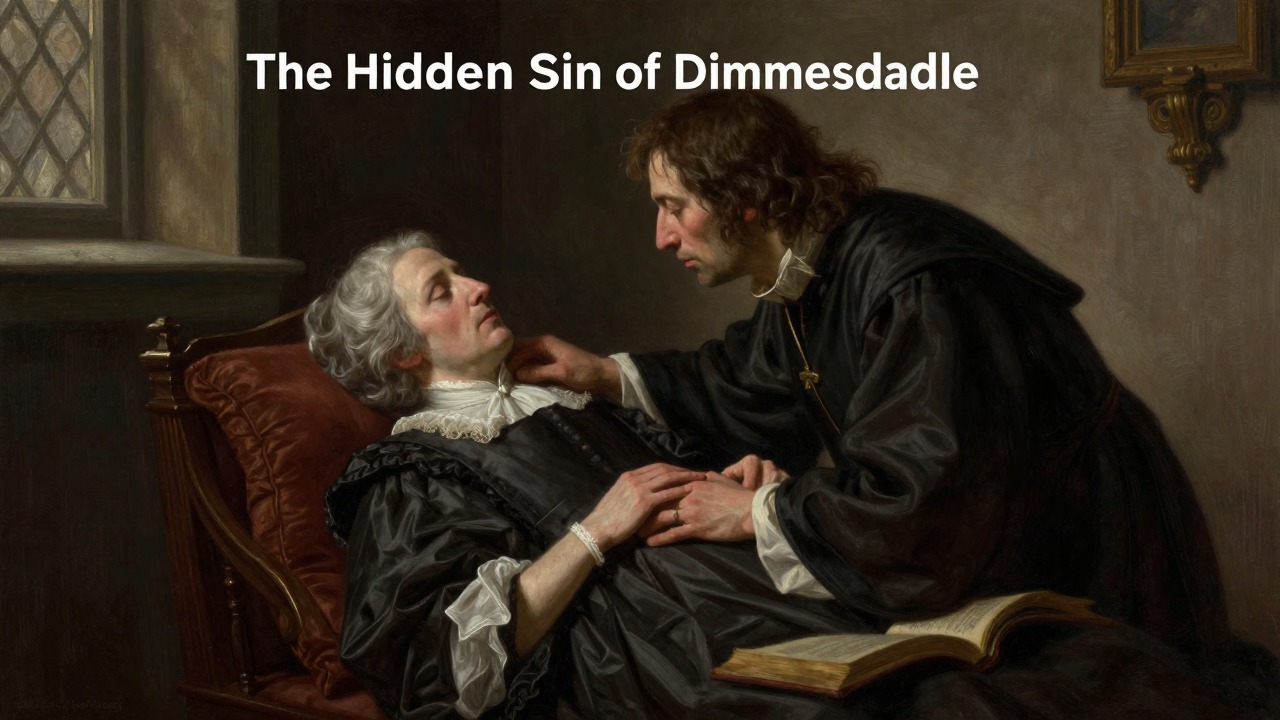
The Hidden Sin of Dimmesdale
The Secret Hypocrisy
The Double Life
Dimmesdale's sin is hidden from the world. He is revered as a saint, but he knows he is a sinner. The hypocrisy weighs on him, causing physical and spiritual decay. He cannot confess because he fears the loss of his reputation.
The Torment of Secrecy
Dimmesdale's hidden sin is more destructive than Hester's open one. It leads to self-flagellation, insomnia, and a constant state of anxiety. The novel argues that secret sin is the most damaging because it cannot be forgiven or forgotten.
The Need for Confession
Dimmesdale's ultimate confession is a triumph. By revealing his sin, he frees himself from the burden. The novel suggests that confession is necessary for redemption, and that hiding sin only leads to greater suffering.
The Sin of Revenge
The Fiend's Sin
A Greater Sin
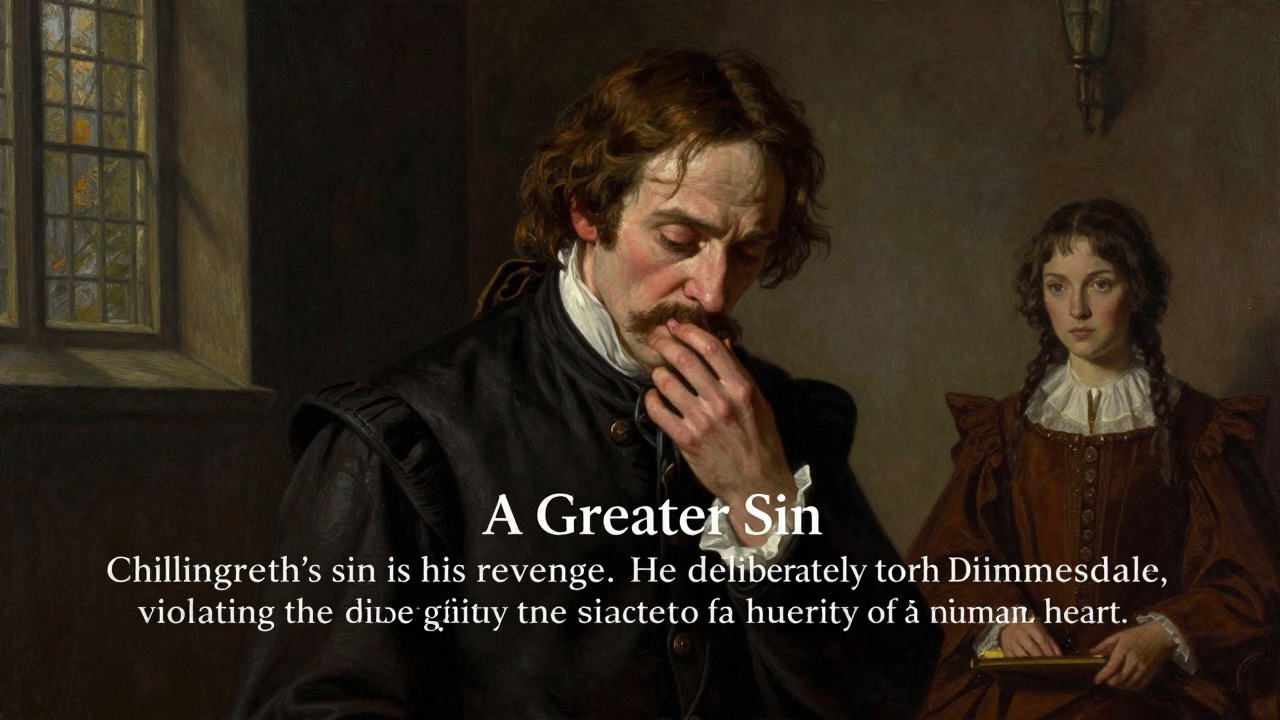
Chillingworth's sin is his revenge. He deliberately torments Dimmesdale, violating the sanctity of a human heart. The narrator suggests that this sin is worse than the adultery of Hester and Dimmesdale.
The Transformation into Evil
Chillingworth's pursuit of revenge turns him into a fiend. He loses his humanity and becomes a demonic figure. His sin is not just against Dimmesdale but against his own soul.
The Destruction of the Avenger
In the end, Chillingworth's revenge consumes him. He is left with nothing, his life meaningless. The novel shows that the sin of revenge is self-destructive, and that forgiveness is the only path to peace.
The Possibility of Redemption
The Atonement
Hester's Redemption
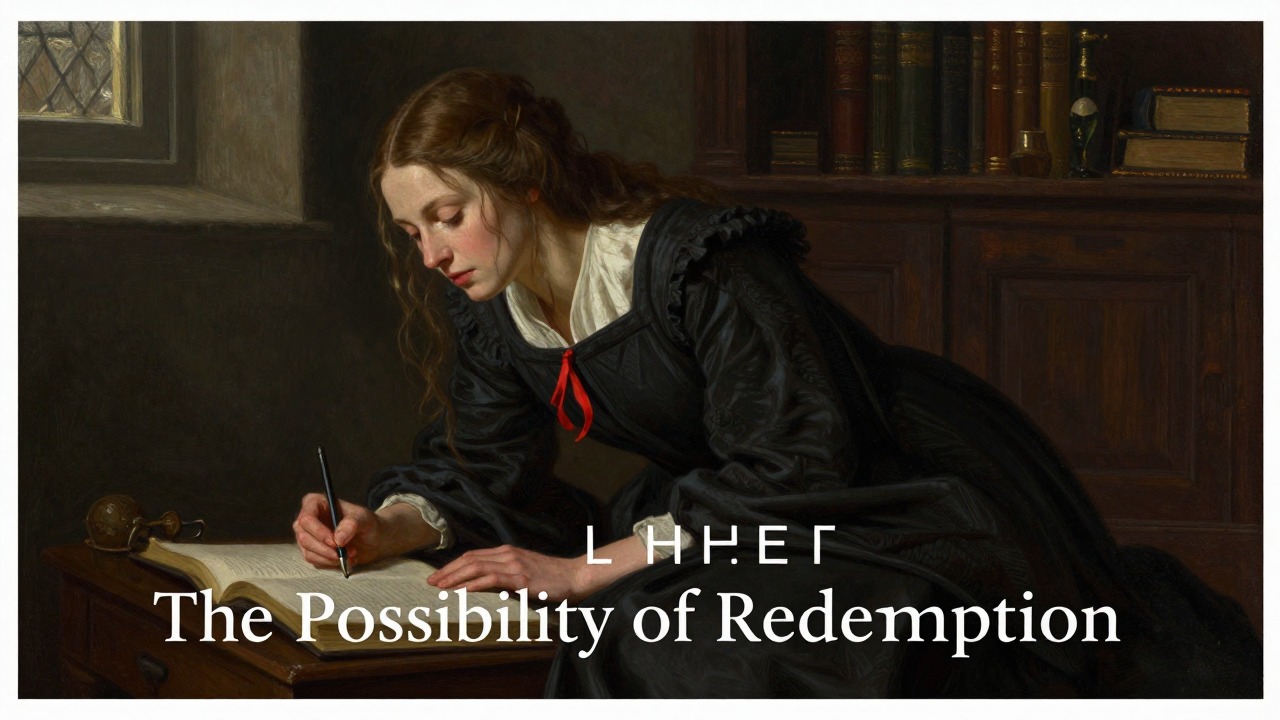
Hester achieves a form of redemption through her good works and her acceptance of her punishment. She becomes a respected figure, and the scarlet letter becomes a symbol of her wisdom. Her redemption is not a return to innocence but a transformation through suffering.
Dimmesdale's Redemption
Dimmesdale's redemption comes through his public confession. He dies, but he dies with a clear conscience. His confession is a victory over hypocrisy, and he is united with Hester in the afterlife.
The Limits of Redemption
The novel does not offer a simple message of forgiveness. Hester and Dimmesdale suffer greatly, and their sin is not erased. But the novel suggests that redemption is possible through truth, penance, and love. The scarlet letter, once a symbol of sin, becomes a symbol of the human capacity for growth.
the first day of the story
throughout the story
throughout Chillingworth's storyline
in the conclusion of the story
