
Truth and Hypocrisy in Puritan Society
The Scarlet LetterExamines the theme of truth versus hypocrisy, focusing on the contrast between public appearance and private reality in the Puritan community.
increasing Bearing strength in each event
 decreasing
Bearing strength in each eventdecreasingThe Puritan Facade
The Appearance of Holiness
A Society of Saints
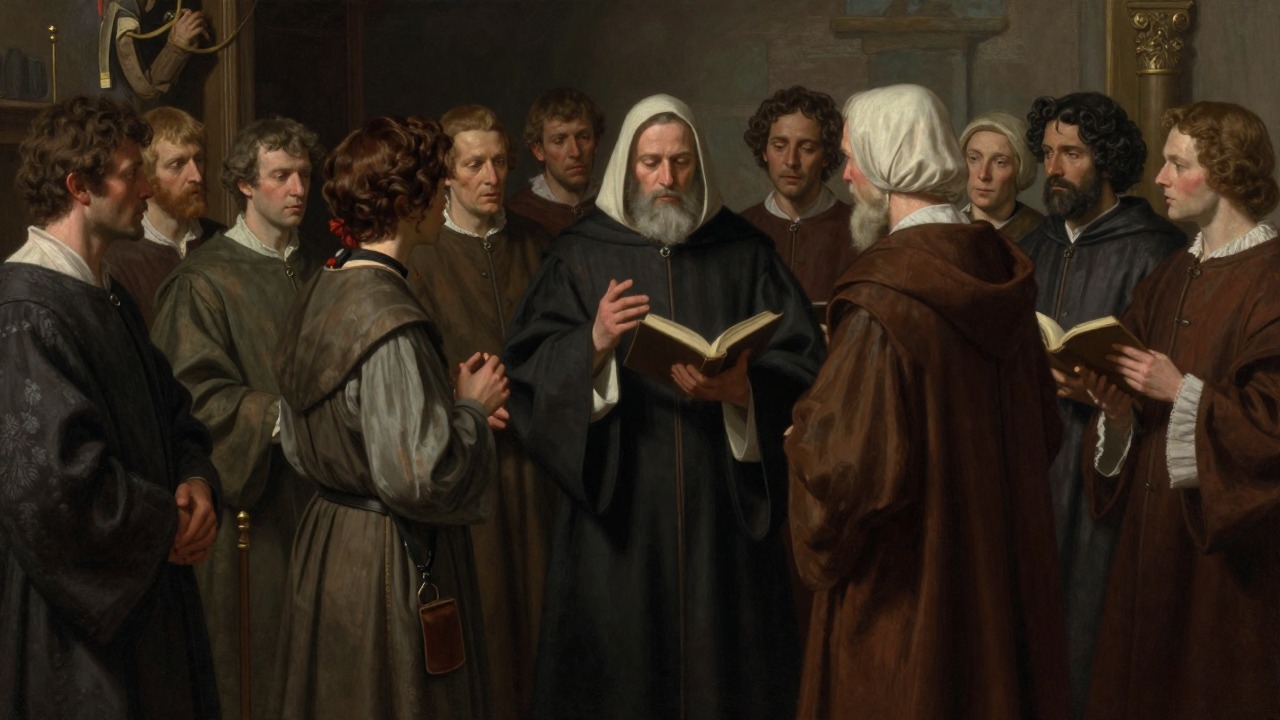
Puritan society prides itself on its piety and moral rigor. The leaders are seen as holy men, and the community judges itself based on outward conformity. However, the novel reveals that this facade hides deep hypocrisy.
The Hidden Sins
Many characters in the novel hide their true natures. Dimmesdale is a hypocrite, Chillingworth conceals his vengeful motives, and even the townspeople have their own secret sins. The scarlet letter, by making Hester's sin visible, exposes the hypocrisy of the community.
The Cost of Hypocrisy
The novel shows that hypocrisy is destructive. Dimmesdale's hidden sin nearly destroys him, and the community's judgmental attitude creates a culture of fear. The truth, though painful, is ultimately liberating.
Hester's Open Truth
The Honest Sinner
A Visible Mark
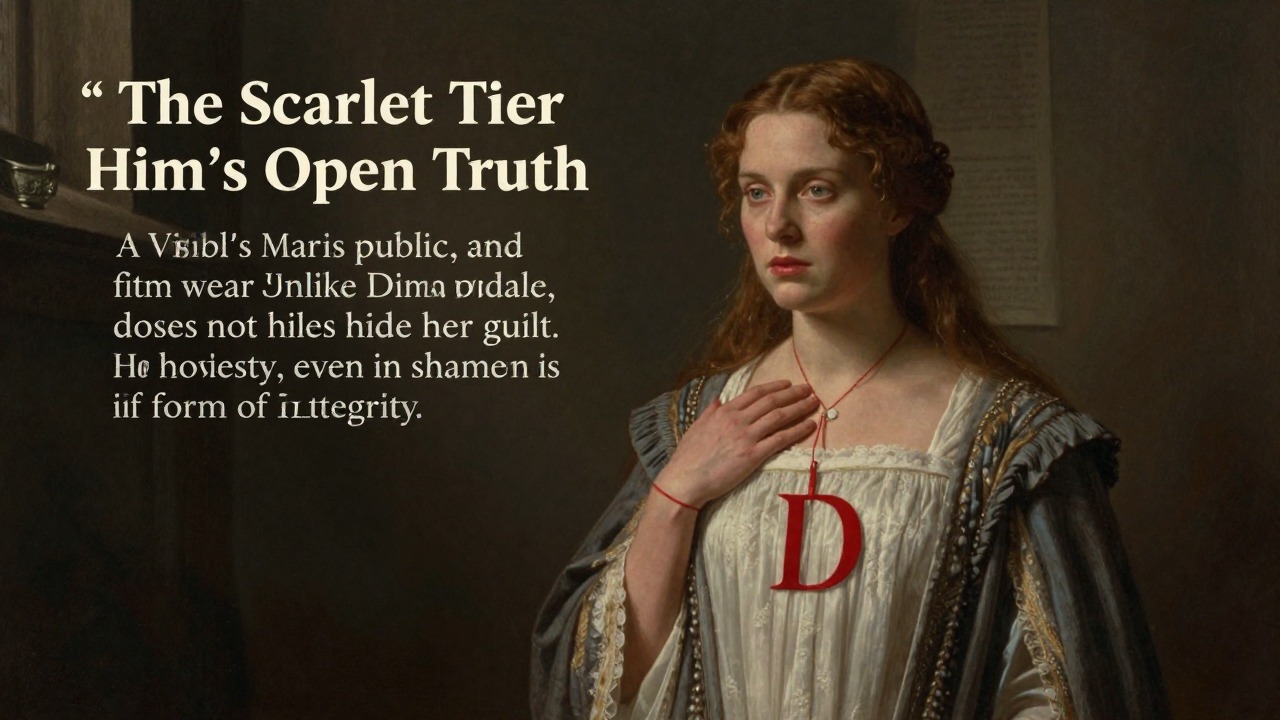
Hester's sin is public, and she wears the scarlet letter openly. Unlike Dimmesdale, she does not hide her guilt. Her honesty, even in shame, is a form of integrity.
The Power of Truth
Hester's truthfulness gives her a certain strength. She does not have to maintain a double life, and she can face the world without pretense. The novel suggests that open sin is easier to bear than hidden hypocrisy.
The Transformation of the Symbol
As Hester lives with the scarlet letter, the symbol changes. It stops being a mark of shame and becomes a sign of her honesty and her good works. The truth, even when ugly, has a redemptive power.
Dimmesdale's Hypocrisy and Confession
The Saint and the Sinner
The Dual Life
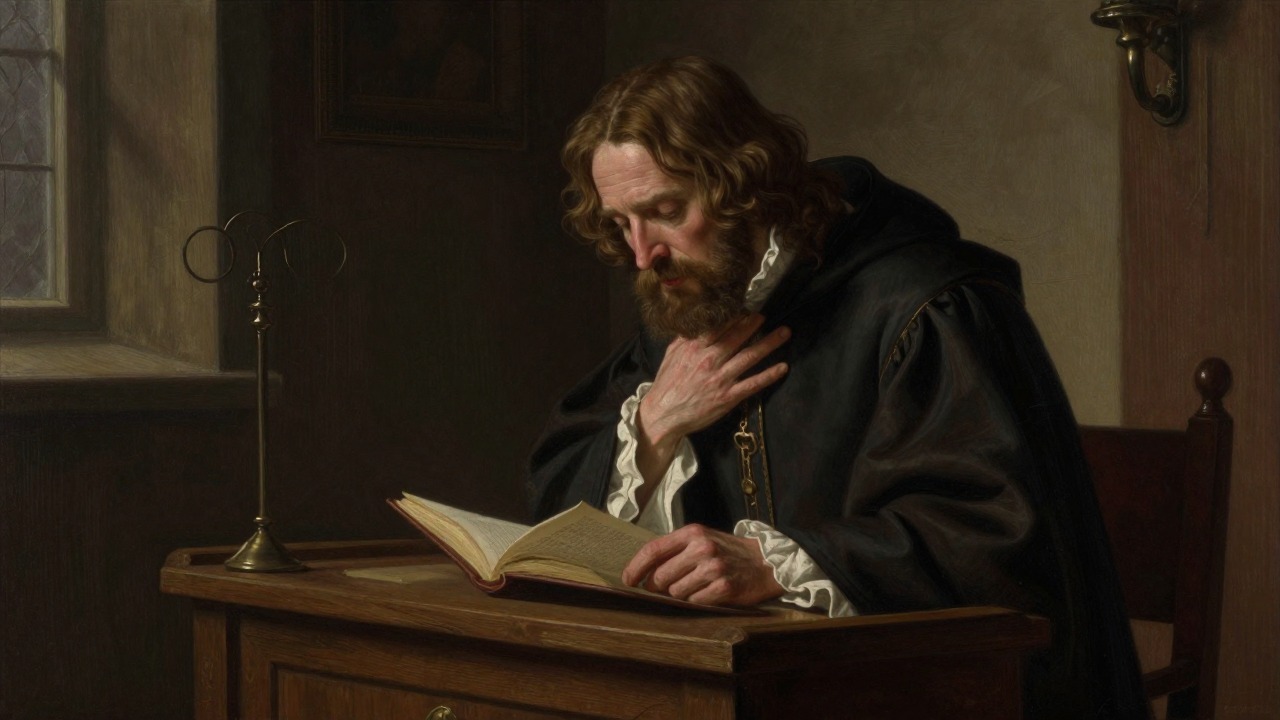
Dimmesdale is the most hypocritical character in the novel. He is revered as a saint but knows he is a sinner. His sermons are powerful because they come from a place of genuine guilt, but he cannot bring himself to confess.
The Agony of Secrecy
Dimmesdale's hypocrisy tortures him. He tries to confess indirectly, but the congregation misinterprets his words. He is trapped by his own reputation. The novel shows that maintaining a false appearance is a form of spiritual death.
The Final Truth
When Dimmesdale finally confesses, he is freed. His death is a victory for truth over hypocrisy. The novel's moral is encapsulated in the final injunction: "Be true! Be true! Be true!"
The Community's Hypocrisy
The Self-Righteous Crowd
The Judgment of Others
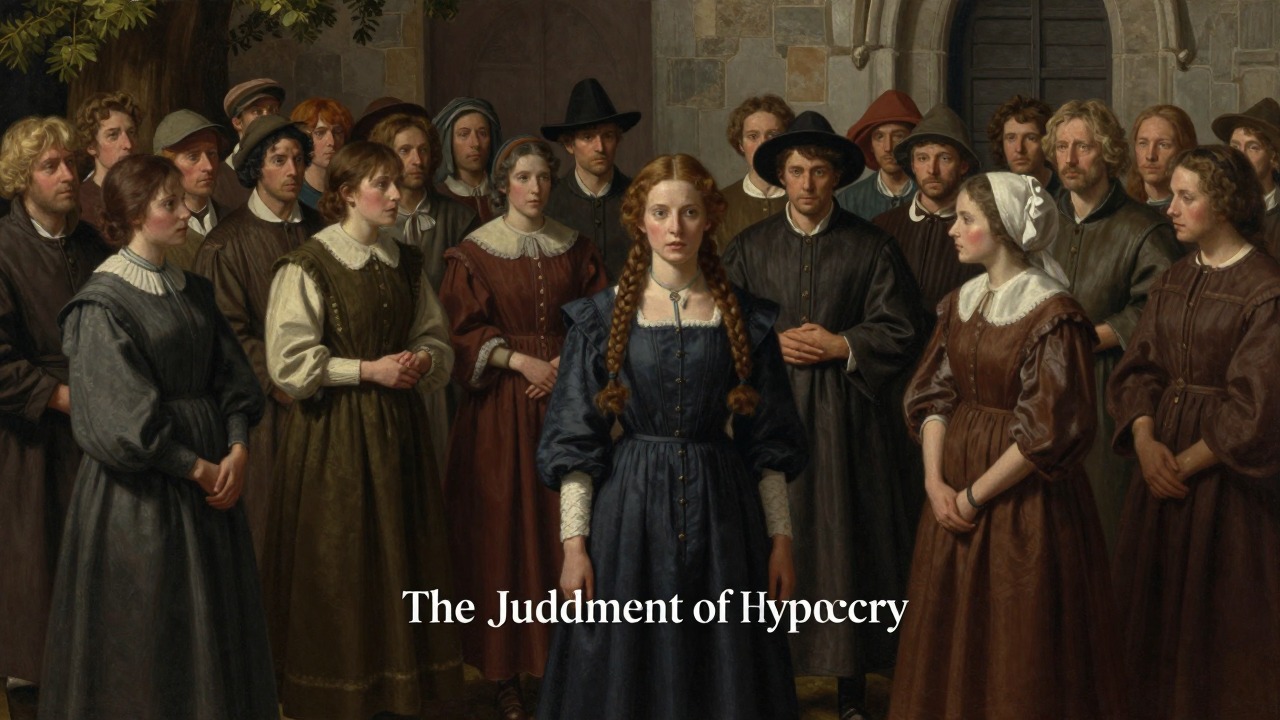
The Puritan community is quick to judge Hester, but they are not without sin themselves. The novel suggests that they are often more concerned with appearances than with true morality. They are hypocrites who hide their own faults.
The Change Over Time
As Hester proves her worth, the community's attitude softens. They begin to see the scarlet letter as a symbol of ability rather than sin. This change shows that the community's judgment was flawed and that they were capable of growth.
The Universal Flaw
The novel argues that everyone is a sinner, and that the only honest response is to acknowledge one's own faults. The community's hypocrisy is a universal human failing, and the story calls for a more compassionate and truthful approach to sin.
throughout the story
throughout Hester's life
throughout the story
throughout the story
