Becka
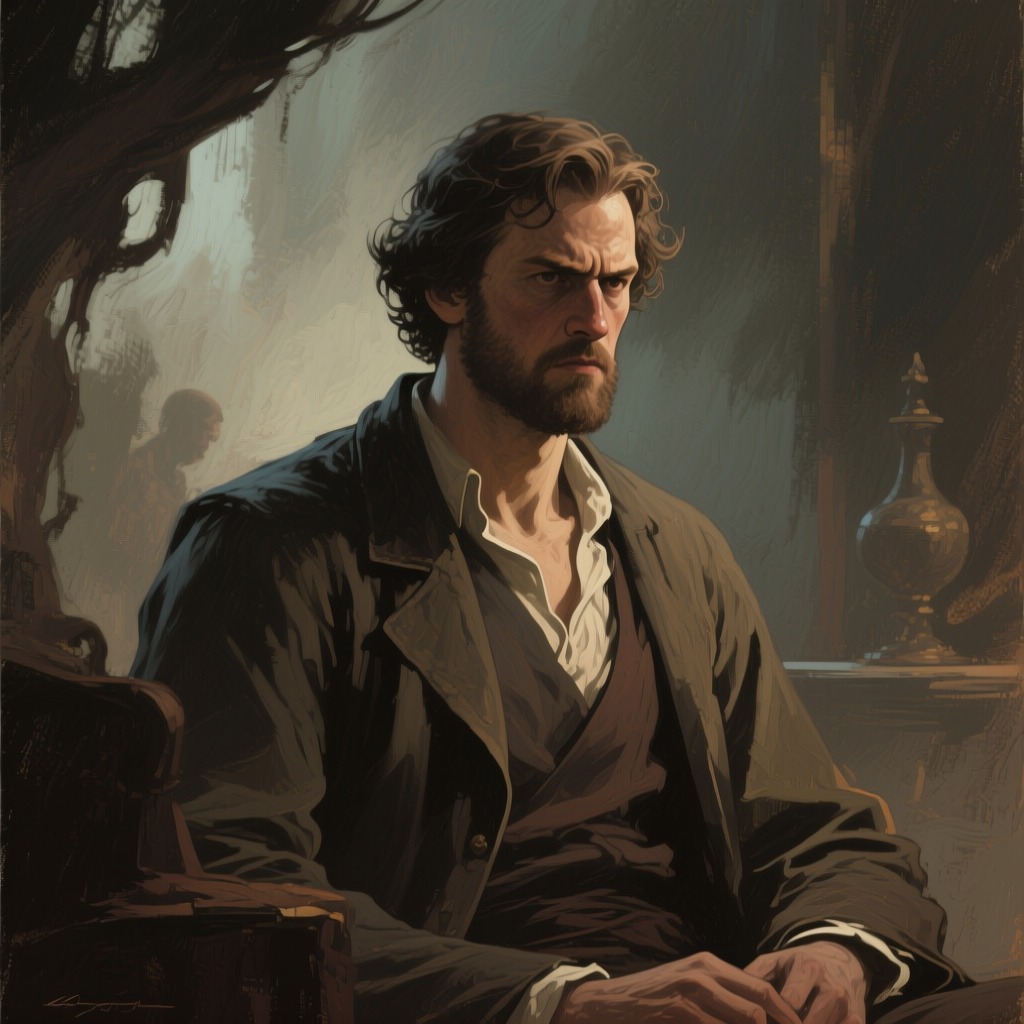
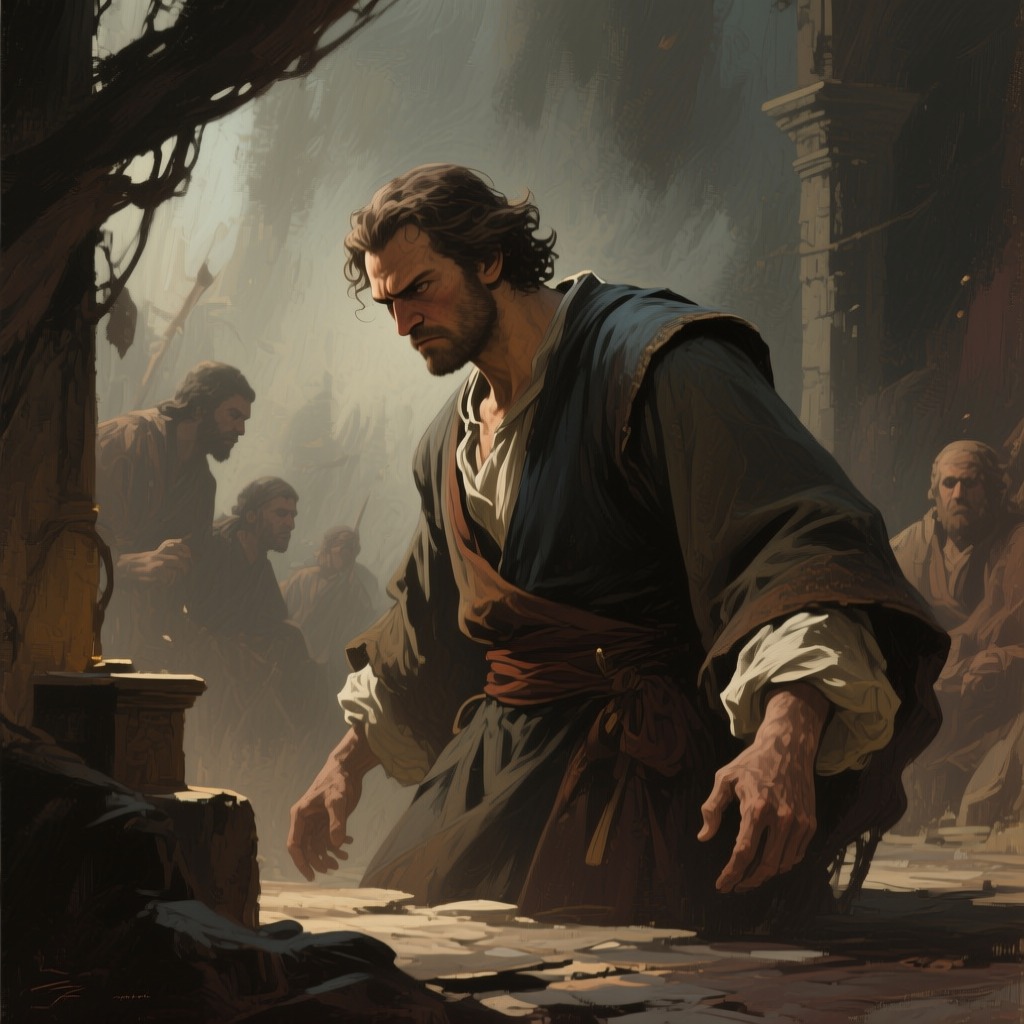
Becka is introduced as a quiet, timid girl at the Vidala School, the daughter of a dentist rather than a Commander, which places her in a lower social rank among her peers. She is described as having barely-there eyebrows and a mouse voice, and she seldom asks questions. Her most notable early trait is her extreme sensitivity: when Aunt Vidala tells the class the story of the Concubine Cut into Twelve Pieces, Becka bursts into tears, squeezing Agnes's hand hard, and murmurs, "I will never, ever get married." This reaction is the first public sign of a deep-seated horror that will define her life.
Identity and Background
Becka's father is Dr. Grove, the best dentist in Gilead, to whom all the top Commanders and their families go. Her official mother is not her biological mother; Becka later learns from a Martha that her real mother was a Handmaid, a fact her stepmother uses against her, asking why she is so afraid of sex when her "slut of a Handmaid mother" had no such fears. This revelation compounds Becka's sense of shame and isolation. She is not a Commander's daughter, and her family's lower status means she is expected to defer to the other girls at school.
Arc Through the Plot
Becka's arc is defined by her escalating desperation to avoid marriage. When she is enrolled in the Rubies Premarital Preparatory school alongside Agnes and Shunammite, she confides her terror to them. She describes the prospect of a man "crawling all over you, like, like worms" and says she hates it, using the present tense that suggests she already has experience of such violation. Her betrothal to a young Commander with pimples and a scraggly moustache pushes her over the edge. During a French-style flower-arranging class, she slashes her left wrist with the secateurs, ruining the white Shasta daisies. The cut is not fatally deep, but the ferocity of her expression—a wildness Agnes has never seen before—is deeply disturbing. After the attempt, Becka looks serene as she is taken away, saying only "Goodbye, Agnes."
Relationships and Conflict
Becka's closest relationship is with Agnes Jemima, whom she has admired since school for being nicer than the other girls. At Ardua Hall, the two become inseparable, sharing an apartment and confiding in each other. Becka tells Agnes about Dr. Grove's abuse, which began when she was four years old, and Agnes reciprocates by telling her own story of Dr. Grove's assault during a dental appointment. Becka refuses to testify against her father, fearing that he would be killed at a Particicution and that she could not live with the guilt. Instead, she decides to offer up her silent suffering as a sacrifice to God. This decision places her in a position of extreme vulnerability, but also of moral clarity: she is willing to die rather than harm another, even her abuser.
Change and Ending
Becka's final act is one of self-sacrifice. When Aunt Lydia plans the escape of Agnes and Nicole, Becka is asked to hide for at least forty-eight hours to delay discovery. She chooses to conceal herself in the rooftop water cistern, first draining the water through the bathtub in Doorway C. She removes her outer clothing, folding it neatly on the ladder, and retains only her undergarments for modesty. Her body is discovered days later, blocking the cistern outlet. The official story is that she was investigating a faulty cistern and slipped or fainted, but the implication is that she drowned herself deliberately, with stones in her pockets, as a willing sacrifice to ensure the success of the mission. Aunt Lydia, though saddened, acknowledges it as a willing sacrifice.
Thematic Significance
Becka embodies the extreme cost of Gilead's patriarchal violence. Her abuse by her father, her forced betrothal, and her ultimate suicide are all consequences of a system that treats women as property and denies them bodily autonomy. Yet her story also becomes a tool of resistance: Aunt Lydia uses the knowledge of Dr. Grove's crimes to orchestrate his destruction, framing him for the attempted rape of Aunt Elizabeth and ensuring his death at a Particicution. Becka's suffering is thus transformed into a weapon against her abuser, even though she herself cannot bear to wield it. Her final act of hiding in the cistern is a quiet, desperate assertion of control over her own fate, and her memory is honored in the post-Gilead era by a statue on the Boston Common, erected by her sisters Agnes and Nicole, with the inscription "Love is as strong as Death."