Karnstein
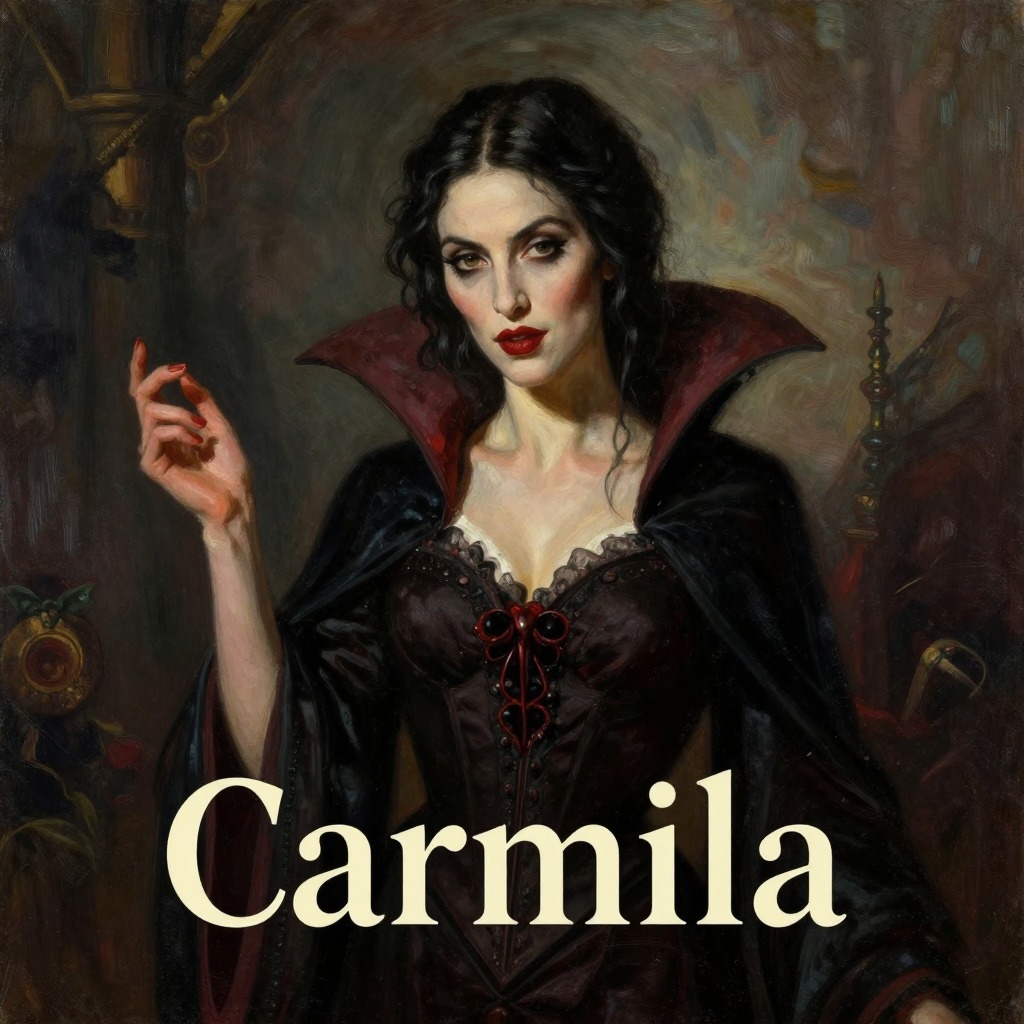
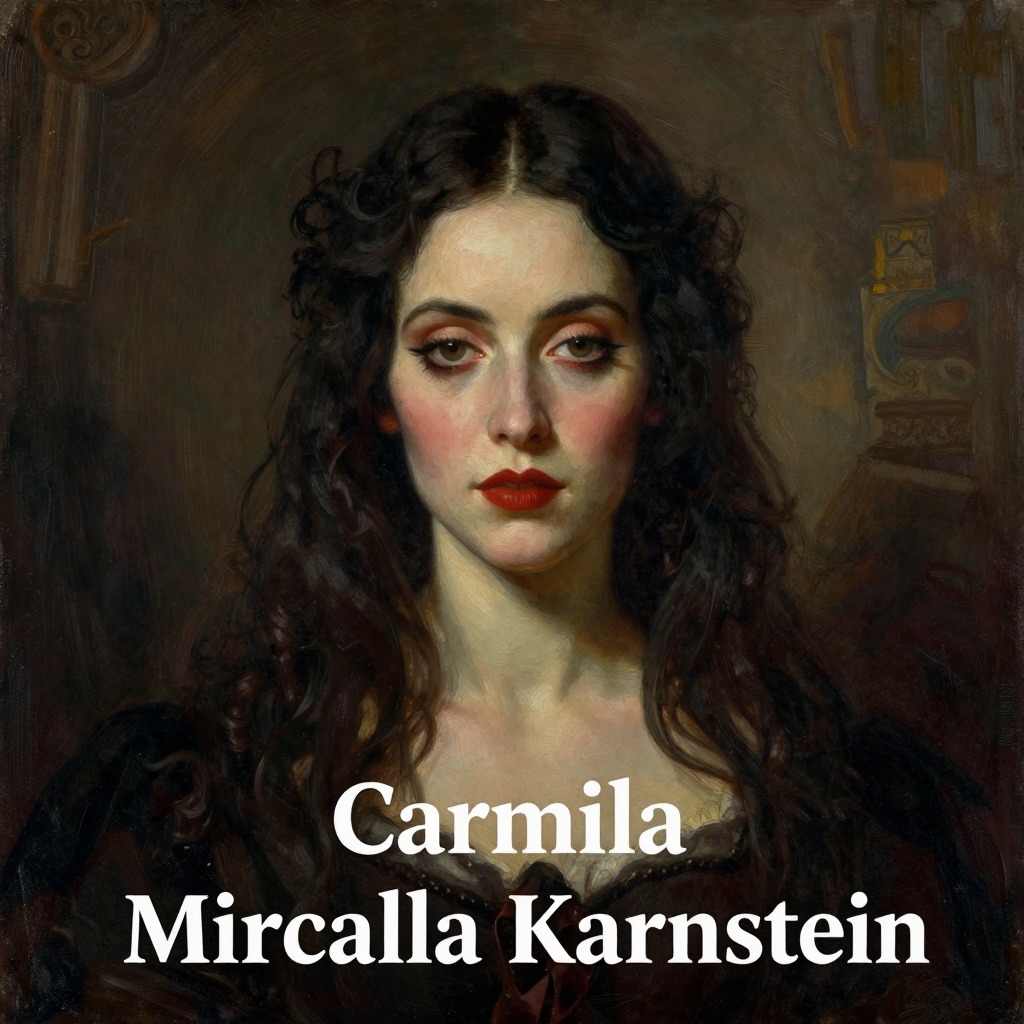
Karnstein is the ruined castle and extinct noble family at the heart of the vampire legend in Sheridan Le Fanu's Carmilla. The desolate chateau and its roofless village, located three miles from Laura's schloss, are the ancestral seat of the Karnstein family, whose last known member is the vampire Mircalla, Countess Karnstein. The site serves as the story's dark origin point: the place where the vampire's tomb is finally discovered, her body exhumed and destroyed, and the centuries-old plague ended.
Location and Setting
Karnstein lies three miles westward from Laura's schloss, in the direction of General Spielsdorf's residence. The approach passes a ruined village with a quaint little church, now roofless, in whose aisle are the moldering tombs of the proud family of Karnstein, now extinct. The chateau itself, in the thick of the forest, overlooks the silent ruins of the town. Laura describes the spot as striking and melancholy, and notes that a legend explains the cause of its desertion. The village has not shown the smoke of a chimney for more than half a century; not a roof remains. The castle is a dismantled ruin, with gigantic trees grouped around its towers and battlements, overhanging the site from a slight eminence. Inside are spacious chambers, winding stairs, and dark corridors. A Gothic chapel, partly visible through foliage, stands a little way down the steep.
The Extinct Family
The Karnstein family, once wealthy and powerful, is now extinct. Laura's mother was maternally descended from the Karnsteins, but the name and title have long ceased to exist. The family was ruined, Laura believes, in some civil wars long ago. The woodman who works the forest confirms that the village was troubled by revenants, and that several were tracked to their graves, detected by the usual tests, and extinguished by decapitation, by the stake, and by burning. The Moravian nobleman who delivered the village from its tormentor had authority from the then head of the family to remove the tomb of Mircalla, Countess Karnstein, which he did effectually, so that in a little while its site was quite forgotten.
The Vampire's Tomb and Its Discovery
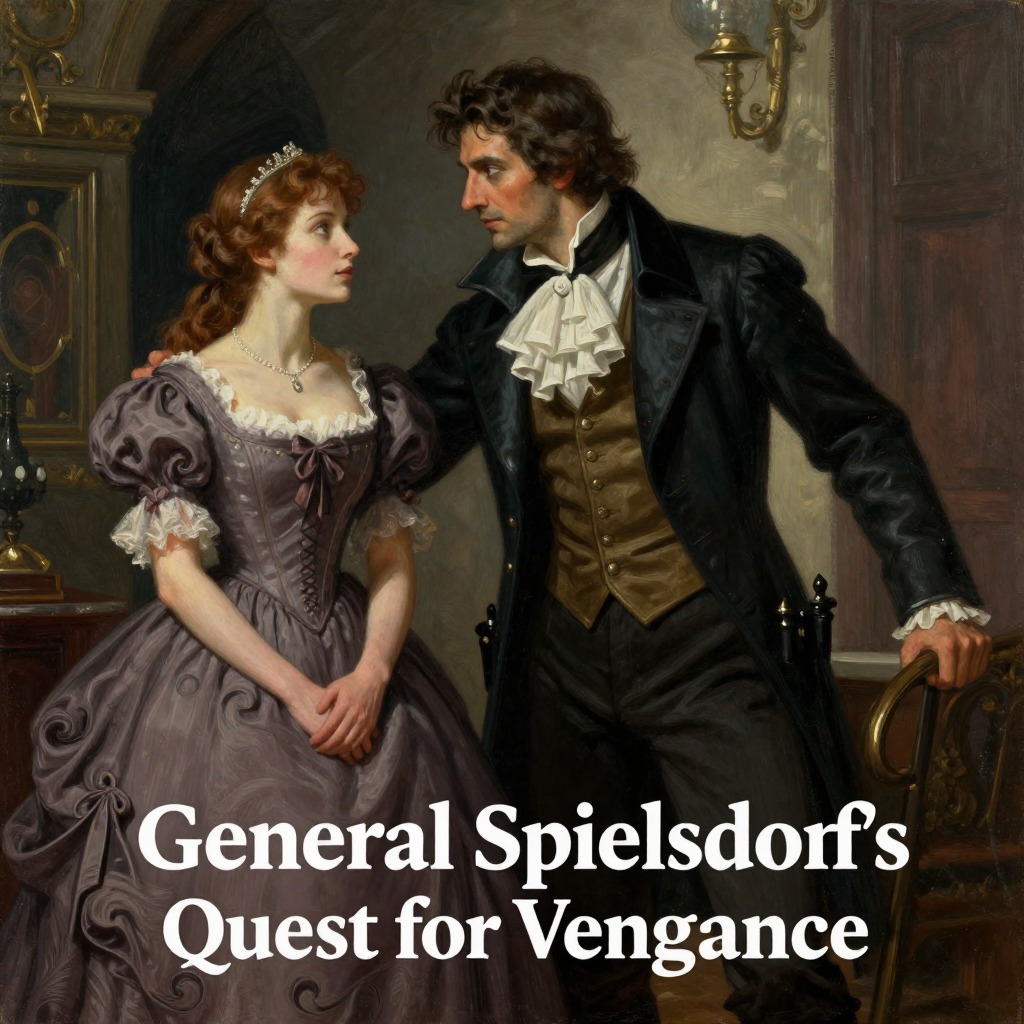
The tomb of Mircalla, Countess Karnstein, dated 1698, is the central object of the story's climax. General Spielsdorf, seeking vengeance for the death of his ward Bertha Rheinfeldt, comes to Karnstein specifically to explore the ruined chapel and find the grave. He is guided by Baron Vordenburg, a scholar of vampirism whose ancestor, a former lover of Mircalla, had hidden the tomb to protect her remains from posthumous execution. The Baron, using his ancestor's tracings and notes, leads the party to a broad marble tablet with letters carved in relief, concealed under ivy and plaster. The monument is that of Mircalla, Countess Karnstein.
The Exhumation and Execution
The formal proceedings take place the next day in the Chapel of Karnstein. The grave is opened, and General Spielsdorf and Laura's father recognize each their perfidious and beautiful guest in the face now disclosed. The features, though a hundred and fifty years had passed since her funeral, are tinted with the warmth of life; her eyes are open; no cadaverous smell exhales from the coffin. Two medical men attest that there is a faint but appreciable respiration and a corresponding action of the heart. The limbs are perfectly flexible, the flesh elastic, and the leaden coffin floats with blood, in which to a depth of seven inches the body lies immersed. In accordance with ancient practice, the body is raised, a sharp stake driven through the heart, the head struck off, and the body and head placed on a pile of wood and reduced to ashes, which are thrown upon the river. The territory has never since been plagued by the visits of a vampire.
Narrative Significance
Karnstein functions as the story's geographical and historical anchor for the supernatural threat. It is the place where the vampire's true identity is confirmed, her centuries-long existence exposed, and her destruction accomplished. The ruined castle and its forgotten tomb embody the decay of an aristocratic line whose evil persists beyond death. The site also connects the present narrative to the past through the woodman's account of the Moravian nobleman and Baron Vordenburg's revelation of his ancestor's love for Mircalla, creating a layered history of vampirism, concealment, and eventual reckoning.