Amity Leader
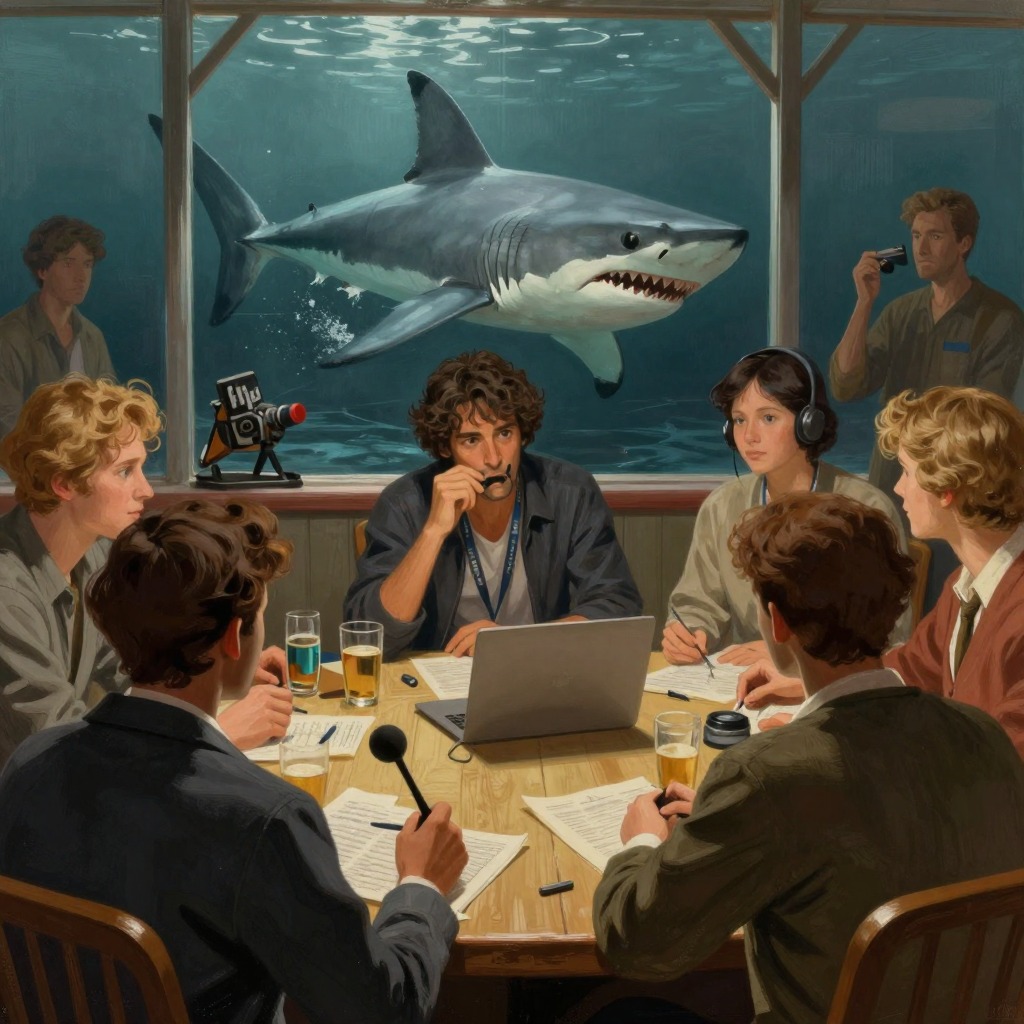
The Amity Leader is the sole newspaper serving the summer resort community of Amity, Long Island. Published weekly in the winter and daily in the summer, it is a vital institution in a town whose economic survival depends on attracting summer visitors. The paper is owned by a New York investor, Mr. Coleman, who holds fifty-five percent of the stock, and is edited by the immense, cigar-smoking Harry Meadows. The Leader's coverage is shaped by a delicate balance between reporting the news and protecting the town's economic interests, a balance that is severely tested during the summer of the shark attacks.
Role in the Amity Understanding
The Leader operates within an informal but powerful system of civic cooperation known as the "Amity understanding." This tacit agreement among the town's year-round residents and officials aims to preserve Amity's reputation as a desirable summer colony. Meadows, in consultation with Police Chief Martin Brody, routinely suppresses or downplays news that could harm the tourist trade. For instance, a series of rapes the previous summer was reported only as "molestations" because Brody and Meadows agreed that the specter of a black rapist would not help business. Similarly, when wealthy summer residents are arrested for drunk driving, Brody often books them on lesser charges, and the Leader reports only the minor offense. The paper also protects the identities of local youths involved in minor disturbances, while fully naming outsiders who cause trouble. This system of selective reporting is a cornerstone of Amity's civic life, designed to maintain the appearance of a safe and exclusive haven.
Suppression of the Shark Attack News
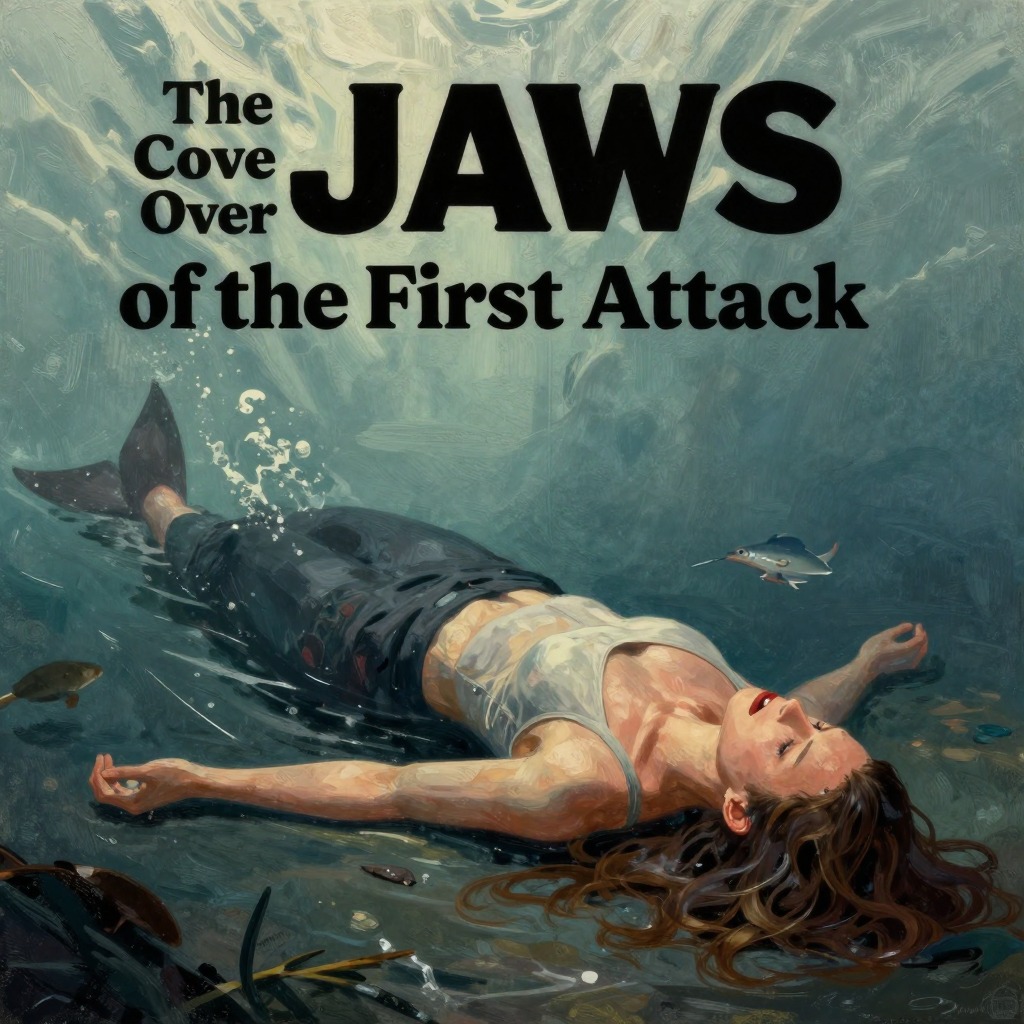
The Amity understanding is put to its most severe test after the first shark attack kills Christine Watkins. Brody wants to close the beaches and publicize the danger, but Meadows initially argues against it, citing expert opinion that the odds of another attack are "astronomical." Meadows tells Brody, "I don't think it would be in the public interest to spread this around," and warns that a story about a "monster shark" would ruin the summer rental season. However, Meadows is not acting solely on his own judgment. He has received six phone calls from advertisers and one from the paper's majority owner, Mr. Coleman, who has been pressured by his wife, a real estate broker. Coleman orders Meadows not to run the story. Meadows reluctantly complies, telling Brody, "There won't be any story about the attack in the Leader." This decision, made in the name of economic survival, directly leads to the deaths of two more people.
Coverage of the Subsequent Attacks and Shift in Stance
After the shark kills a child and an elderly man on the same day, the Leader is forced to cover the story. The banner headline reads: "TWO KILLED BY MONSTER SHARK OFF AMITY BEACH," with a subhead noting the total number of victims has risen to three. In this edition, Meadows publishes a story that implicitly criticizes the earlier decision to withhold information, quoting an unnamed selectman who says officials decided to suppress the news "in the public interest." The article also quotes Brody's earlier, reluctant justification for not closing the beaches, making him appear to have argued against his own better judgment. Brody is furious, accusing Meadows of a "pretty shitty trick." Meadows defends himself, saying he had to have someone give the official line and saw no point in "airing all the dirty laundry of private disputes." The Leader's coverage thus reflects the town's conflicted priorities, even as it begins to acknowledge the full scope of the crisis.
Editorial Support for Brody
As the crisis deepens and the town's economy collapses, the Leader's editorial stance shifts decisively. After Matt Hooper is killed, Meadows publishes a front-page editorial that offers a "Note of Sorrow" for Hooper and a "Vote of Thanks" for Brody. The editorial explicitly states that after the first attack, Brody wanted to close the beaches but was overruled by "a chorus of less prudent voices, including that of the editor of this newspaper." It acknowledges that Brody was "vilified and threatened" by men motivated by "personal greed" and praises his "extraordinary fortitude and integrity." This public apology and vindication of Brody represents a complete reversal from the paper's earlier complicity in the cover-up, and it marks the Leader's final, unambiguous alignment with public safety over private profit.