Madame Arnulfi
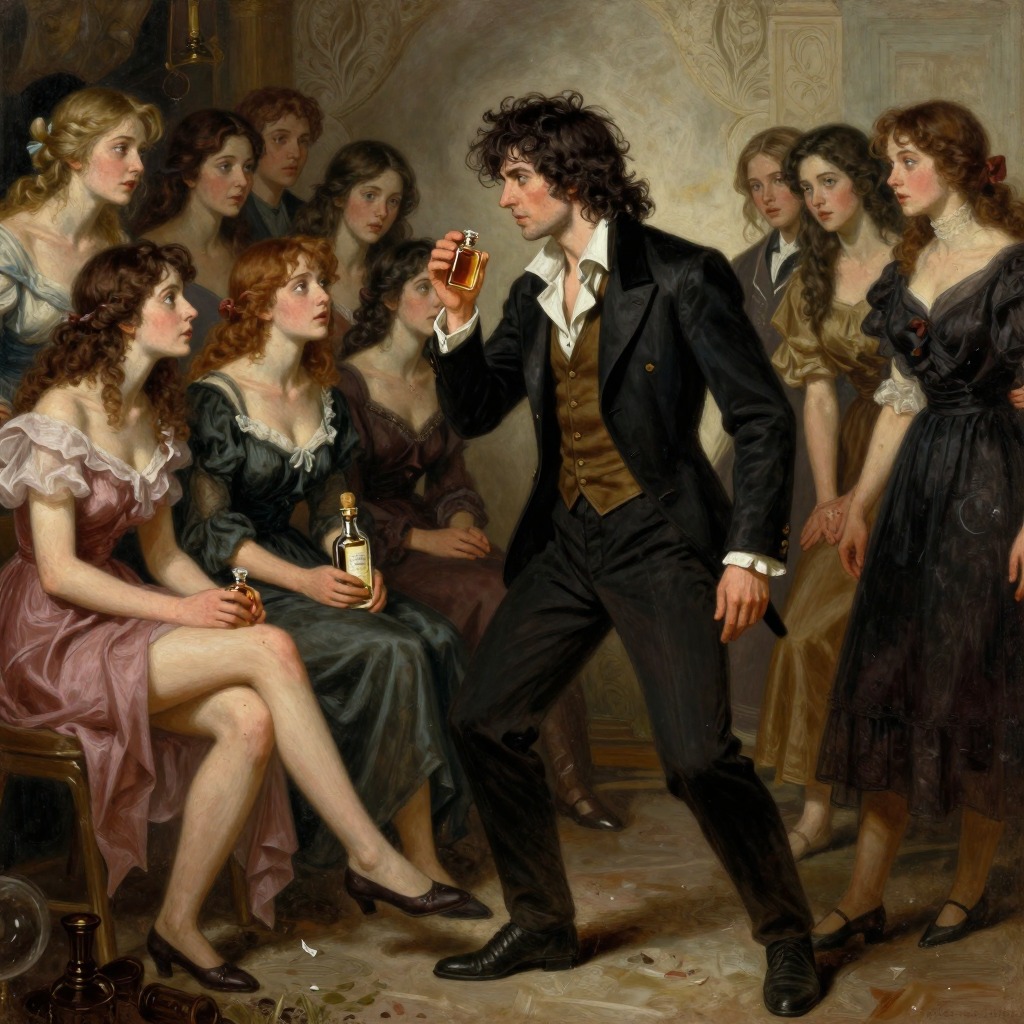
Madame Arnulfi, the widow of maître parfumeur Honoré Arnulfi, is a lively, black-haired woman of perhaps thirty who manages the family perfume workshop in Grasse with a combination of solid prosperity and sound business sense. She is the gatekeeper of the craft in which Grenouille, arriving in Grasse in 1765, must immerse himself to learn the advanced scent-extraction methods he requires.
Identity and Business Acumen
When Grenouille first approaches her workshop in the rue de la Louve, Madame Arnulfi complains at length about bad times and her precarious financial situation, yet she is clearly a woman of solid prosperity. She declares she cannot afford a second journeyman, cannot put him up in the house, and cannot provide two warm meals a day—but she does have a small cabin in an olive grove behind the Franciscan cloister, and she offers a salary of two francs a week. Grenouille, who has smelled her true financial standing, accepts these niggardly terms without protest. Her careful management extends to every aspect of production: she assays the pomades, labels them, records exact quality and quantity, caps and seals the crocks, and personally bears them to the cool depths of the cellar. When she sells, she dons her black dress and widow's veil, makes the rounds of wholesalers, lets them make offers, compares prices, sighs, and finally sells—or does not, knowing that perfumed pomades keep for a long time in cool storage and that prices may climb. She weighs whether to join with other small producers to ship to Genoa or share in a convoy to the autumn fair in Beaucaire, risky but extremely profitable enterprises.
Relationship with Druot and Grenouille
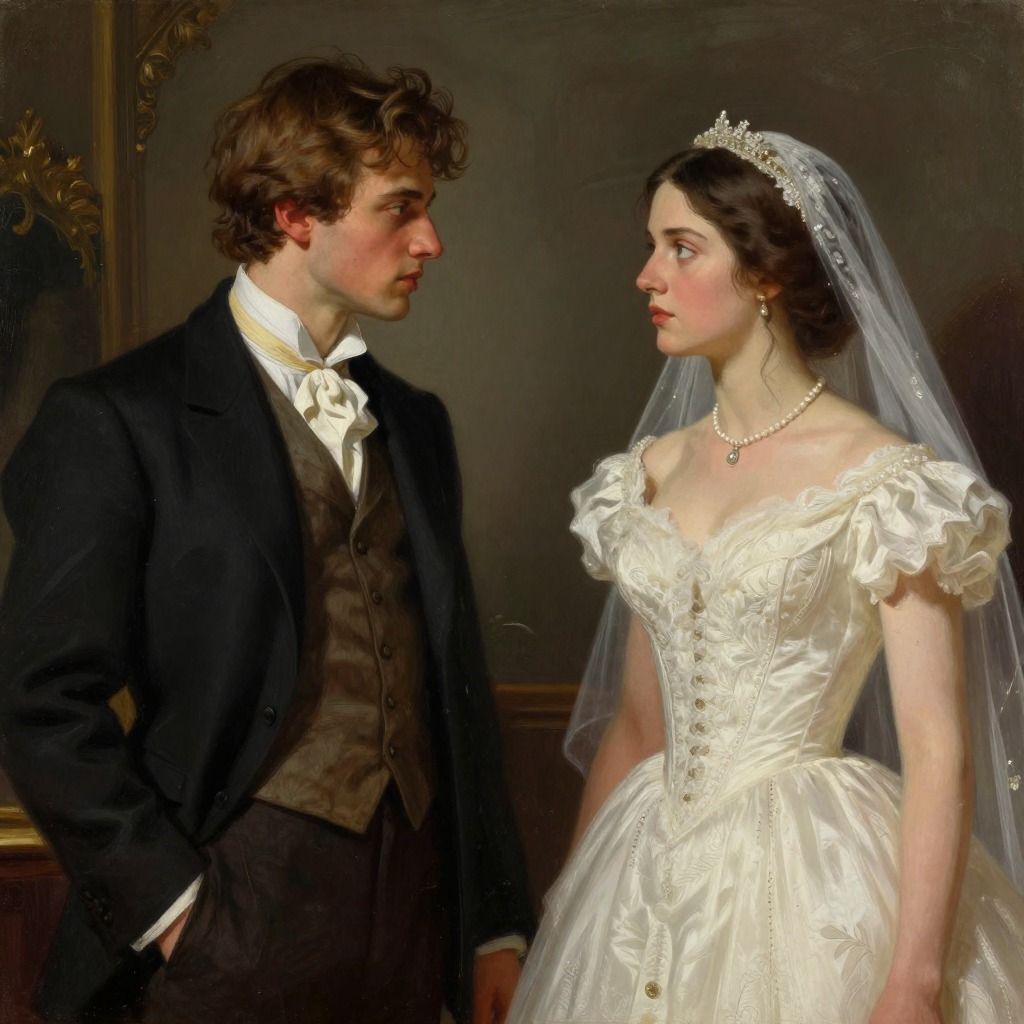
Madame Arnulfi does not make certain decisions without first consulting her first journeyman, Dominique Druot, a giant of a man whom Grenouille at once guesses regularly shares her bed. When Druot inspects Grenouille and signals his agreement with a patronizing grin, the arrangement is settled. In January, she marries Druot, promoting him to maître gantier et parfumeur, but she retains the fine old name of Arnulfi, keeps her fortune for herself, and maintains control of the finances and the keys to the cellar. Druot fulfills his sexual duties daily and refreshes himself with wine, while Grenouille takes care of most of the work for the same small salary, frugal board, and cramped quarters. Her practical division of labor—Druot for bed and tavern, Grenouille for the workshop—allows Grenouille the solitude he craves to experiment with scent extraction.
Role in the Perfume Trade
Madame Arnulfi's workshop is the site where Grenouille learns the most refined and effective method for capturing delicate scents: cold enfleurage. During jasmine and tuberose season, the blossoms are strewn on glass plates smeared with cool oil or wrapped in oil-soaked cloths, where they die slowly over three or four days, exhaling their scent into the adhering oil. The procedure is repeated ten or twenty times before the pomade has drunk its fill. Grenouille, working like a horse and self-effacing as a slave, soon surpasses Druot in the art of cold perfumery, and Madame Arnulfi's business benefits from his skill without her ever suspecting his true genius. Her workshop, with its modest street façade but hidden riches, represents the commercial heart of Grasse's perfume industry, where the transformation of flowers into precious essences is both art and commerce.
Narrative Significance
Madame Arnulfi functions as a pragmatic foil to Grenouille's obsessive artistry. Where he seeks the soul of scent for its own power, she treats perfume as a commodity to be weighed, stored, and sold at the best price. Her frugality and business sense create the conditions under which Grenouille can perfect his techniques undisturbed, and her marriage to Druot cements the social order that Grenouille will ultimately shatter. She is a figure of the established craft, unaware that the monster in her midst is using her workshop to prepare the means of his transcendence.