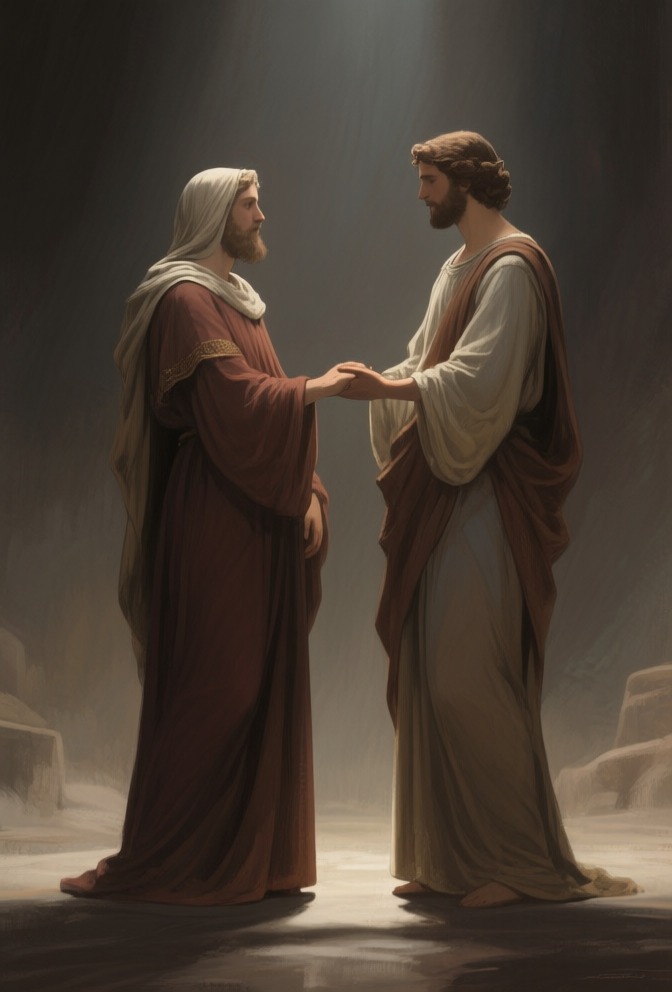
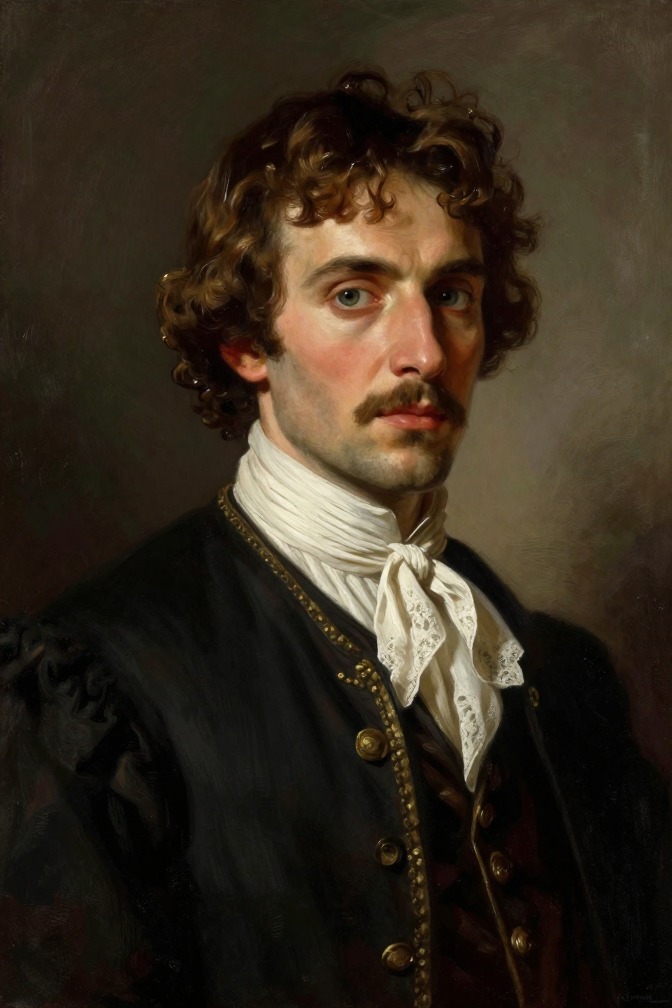
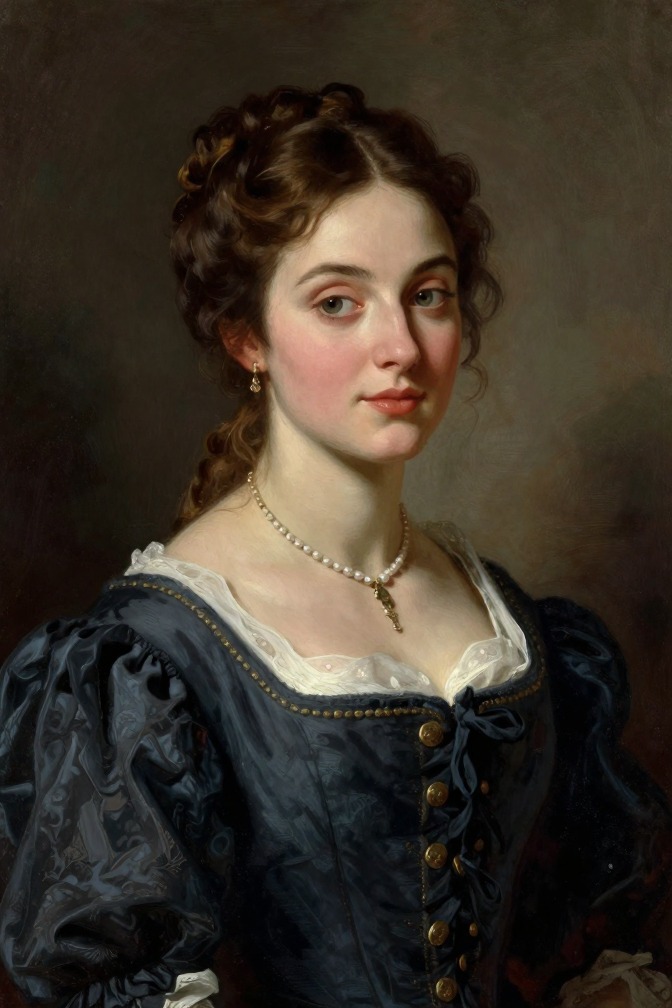
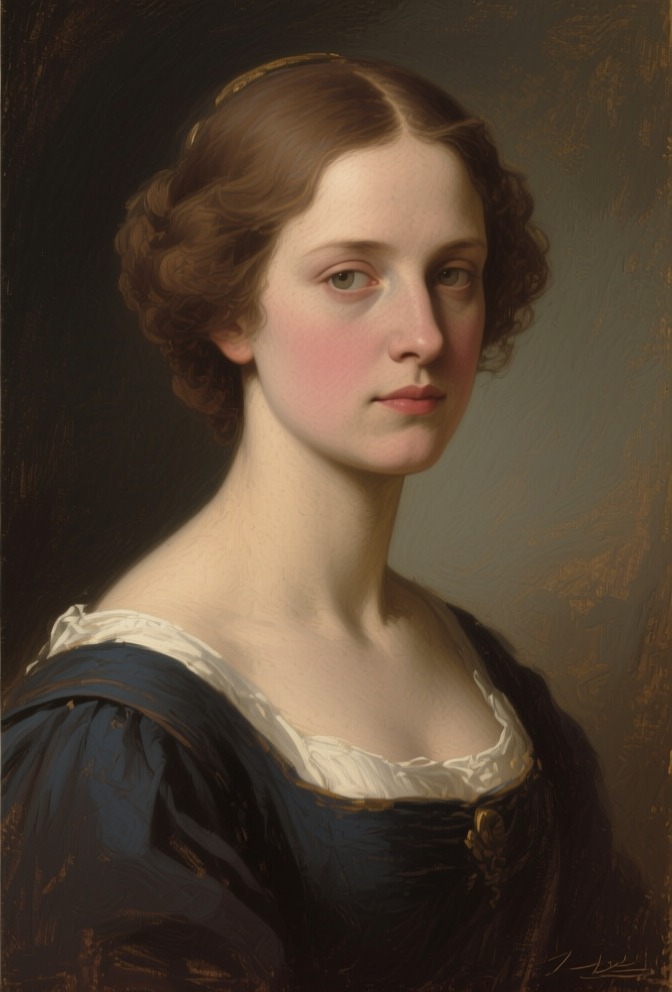
Theo Decker and Boris Pavlikovsky share a profound, transformative friendship that begins in the desolate suburbs of Las Vegas and endures through years of separation, crime, and mutual rescue. Their bond—forged in shared grief, delinquency, and a desperate need for connection—becomes the most vital relationship in Theo's life, ultimately leading to the recovery of the stolen painting and a chance at redemption.
Cocles is the one-eyed cashier of Morrel & Son, whose unwavering devotion to arithmetic and to his employer makes him the last loyal employee standing during the firm's financial collapse.
Mademoiselle Louise d'Armilly is the intimate friend, musical companion, and co-conspirator of Eugenie Danglars, a young woman of modest fortune and considerable vocal talent who serves as Eugenie's singing teacher and confidante, and who ultimately participates in Eugenie's dramatic flight from Paris to escape an unwanted marriage.
Cecilia Tallis, the elder daughter of the Tallis family, is a Cambridge graduate whose restless summer of 1935 is transformed by her reawakened love for Robbie Turner, a childhood friend and her father's protégé. Their passionate encounter in the library is shattered when Briony, Cecilia's younger sister, misinterprets the scene and later accuses Robbie of a crime he did not commit. Cecilia's unwavering loyalty to Robbie leads her to sever all ties with her family, and she dedicates herself to nursing and to waiting for him through his imprisonment and the war. Their reunion in 1940, though brief, reaffirms their bond, and Cecilia's steadfast promise—"I'll wait for you. Come back"—becomes the emotional anchor of the novel.
Eliza Reed, the elder daughter of Mrs. Reed of Gateshead Hall, is a rigid, self-disciplined, and emotionally cold figure whose life is governed by methodical routine, religious formalism, and a fierce determination to secure her own independence through financial prudence and, ultimately, withdrawal into a convent.
Hannah is the elderly, loyal housekeeper of the Rivers family at Marsh End (Moor House), who initially refuses to shelter the starving Jane Eyre out of suspicion but later becomes a devoted friend and helper.
Miss Scatcherd is a harsh and severe teacher at Lowood Institution, whose rigid discipline and frequent punishments, particularly of Helen Burns, embody the oppressive and unfeeling educational system that Jane Eyre must navigate during her formative years.
Legolas Greenleaf, son of King Thranduil of Northern Mirkwood, is the Elf of the Fellowship of the Ring, representing the Elven peoples in the Company. His unmatched archery, keen sight, and deep connection to the natural world make him a vital scout and warrior throughout the Quest, while his growing friendship with the Dwarf Gimli becomes a powerful symbol of reconciliation between ancient kindreds. He is also the first of the Company to feel the irresistible call of the Sea, a longing that ultimately leads him to sail into the West.
John Ray, Jr., the fictional editor of Humbert Humbert's manuscript, frames the entire narrative of Lolita with a foreword that establishes the book's contested status as a case history, a work of art, and a moral document, while also revealing the fates of the principal characters and thereby shaping the reader's initial ethical and interpretive stance.
Brynden Tully, known as the Blackfish, is a seasoned knight and the younger brother of Lord Hoster Tully of Riverrun. A man of fierce independence and unwavering martial honor, he served as the Knight of the Gate in the Vale before abandoning that post to fight alongside his niece Catelyn Stark and her son Robb in the War of the Five Kings, becoming a key military commander for the Stark-Tully alliance.
Khal Drogo, the warlord of the Dothraki sea, is a figure of immense physical power and cultural authority whose marriage to Daenerys Targaryen sets in motion the return of dragons and the collapse of his own world. His trajectory from invincible khal to a mindless husk, and finally to a sacrificial pyre, forms the tragic spine of Daenerys’s transformation from a frightened girl into a queen.
Irri is a Dothraki handmaid to Daenerys Targaryen, given as a gift at her wedding to Khal Drogo. She serves as a cultural and linguistic bridge, teaching Daenerys the Dothraki language and customs, and remains a constant, loyal presence through Daenerys's transformation from a frightened bride to a queen and mother of dragons.
Khal Drogo, the powerful Dothraki warlord who marries Daenerys Targaryen, is a figure of immense physical strength and cultural authority whose tragic decline and death catalyze the birth of dragons and the transformation of Daenerys from a frightened girl into a queen.
The Ardua Hall Holograph is the secret, handwritten manuscript composed by Aunt Lydia, the most powerful Aunt in Gilead, in which she confesses her past, justifies her actions, and reveals her plan to smuggle evidence out of Gilead to bring about the regime's collapse. It is the central document of the novel, providing the narrative frame for the entire story and serving as the explosive cache that Nicole carries to Canada.
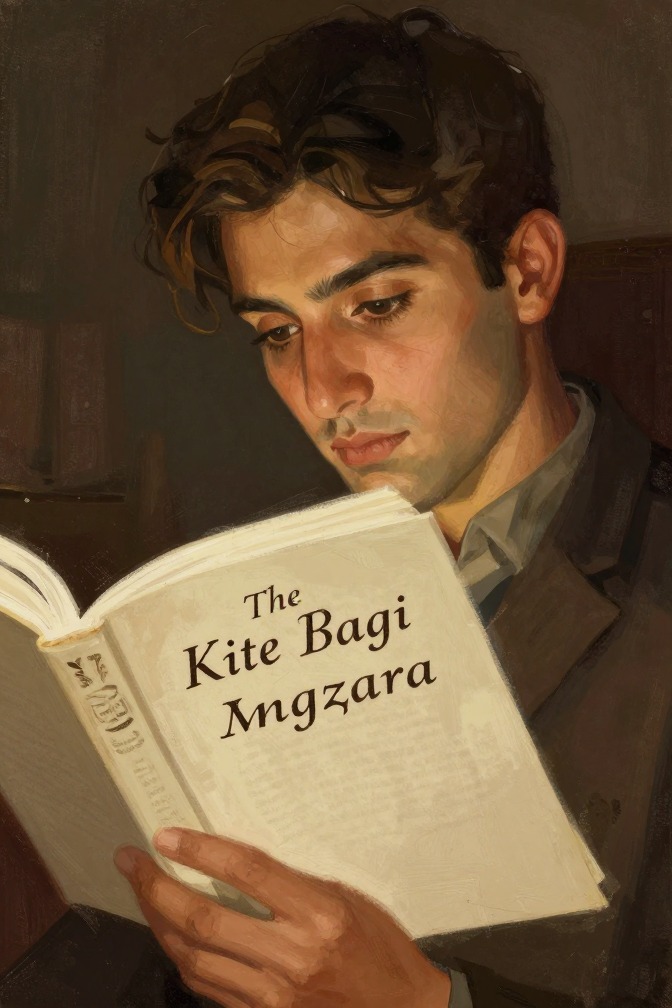
Zendagi migzara, a Dari phrase meaning "life goes on," is a recurring expression in The Kite Runner that encapsulates the Afghan attitude of endurance and acceptance in the face of relentless loss, war, and personal tragedy. It appears at key moments of transition and grief, serving as both a cultural touchstone and a thematic counterpoint to the novel's exploration of guilt, redemption, and the possibility of change.
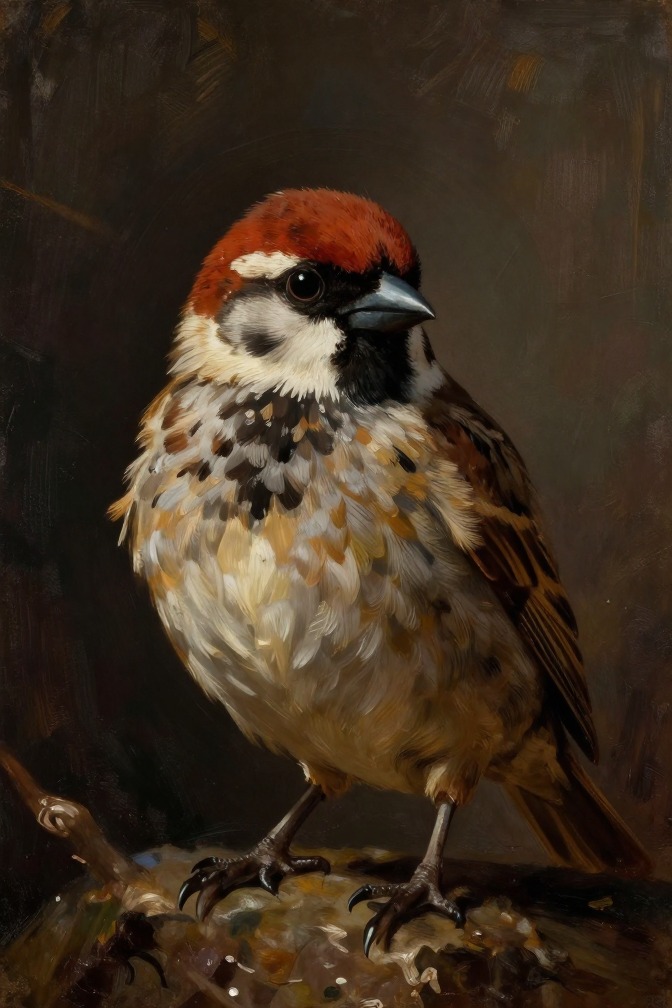
The sparrow appears in The Master and Margarita as a minor but symbolically charged creature, its sudden flight and disappearance marking moments of supernatural intrusion and comic disruption. It serves as a natural counterpoint to the demonic cat Behemoth and reinforces the novel's carnivalesque atmosphere.
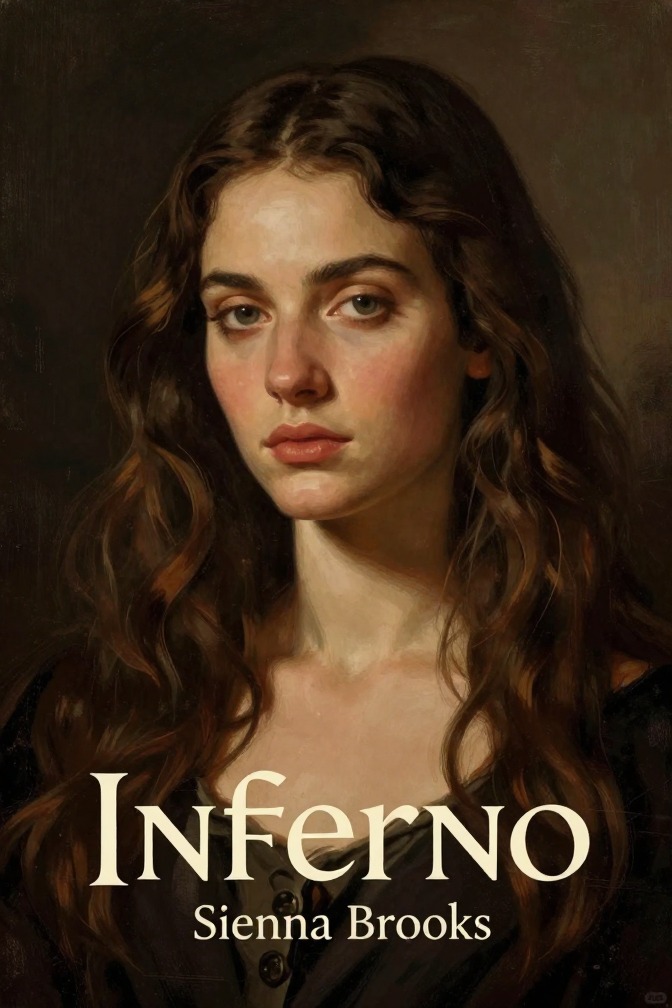
Sienna Brooks is a brilliant, traumatized young doctor who becomes Robert Langdon's ally and guide after he wakes with amnesia in a Florence hospital, only to be revealed as the former lover and disciple of the apocalyptic geneticist Bertrand Zobrist, whose sterility plague she ultimately helps the World Health Organization confront.
Cathy's knitting needle is the instrument of her failed abortion attempt, a material object that exposes her monstrous rejection of motherhood and her willingness to destroy life to preserve her own freedom, and which Dr. Tilson seizes as evidence of her crime.
Dick is a minor but deeply significant character in Oliver Twist, a frail, dying workhouse boy whose brief appearance provides Oliver with his first and only blessing before he runs away to London. His poignant farewell and subsequent death underscore the novel's themes of childhood innocence, institutional neglect, and the redemptive power of love and memory.
Oliver Twist is the orphan protagonist of Charles Dickens's novel, whose journey from a workhouse to a life of crime and ultimately to a loving home exposes the brutal inadequacies of the Poor Law and the redemptive power of kindness.
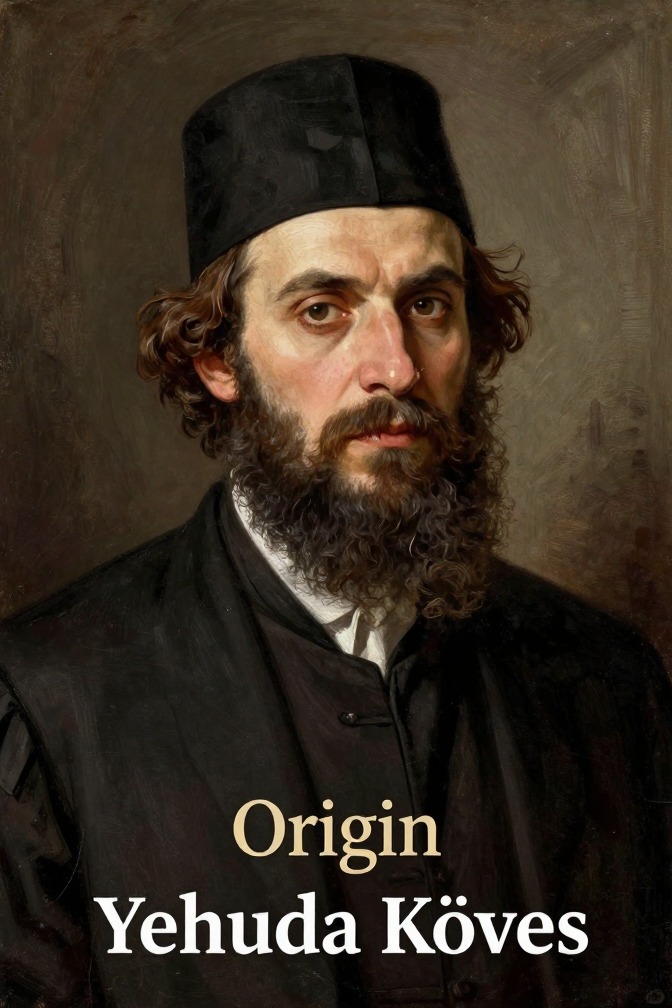
Rabbi Yehuda Köves is a prominent Jewish philosopher and Kabbalist from Budapest who, along with Bishop Antonio Valdespino and Allamah Syed al-Fadl, is one of the three religious leaders secretly shown Edmond Kirsch's scientific discovery at the Abbey of Montserrat. His subsequent fear, doubt, and desperate flight from an assassin make him a key figure in the conspiracy surrounding Kirsch's murder and the attempted suppression of his work.
Crown Hill Cemetery is the Indianapolis burial ground where Augustus Waters is interred after his death from cancer, a site that becomes the final stage for Hazel Grace Lancaster's grief and her attempt to find meaning in loss. Located on a hill overlooking Thirty-eighth Street, the cemetery holds the graves of three vice presidents and one president alongside Augustus's fresh plot, and it is here that Hazel plants a small French flag on Bastille Day, transforming a place of conventional mourning into a personal act of remembrance that echoes the novel's central themes of legacy, attention, and the refusal to let the dead be forgotten.
Boris Ignatievich, also known as Gesar, is the ancient and immensely powerful head of the Moscow Night Watch, a master strategist who has guided the Light's struggle against Darkness for centuries. He is a complex figure who orchestrates elaborate, morally ambiguous operations—such as the manipulation of Svetlana Nazarova's training and the plot to rewrite Egor's destiny—driven by a profound commitment to the Light's ultimate victory, yet also by deeply personal motives, particularly his love for the sorceress Olga.
Elena is Maxim's wife, an ordinary human woman who loves her husband but is increasingly troubled by his unexplained absences, emotional distance, and the dangerous secrets he keeps. Her role in the narrative is to serve as the domestic anchor that Maxim's solitary war against the Darkness continually strains, and her final plea to him—"I wish you'd love us, not just take care of us"—crystallizes the central conflict between his abstract crusade and the concrete human bonds he is neglecting.
Maxim is a self-appointed vigilante who kills Dark Others with a wooden dagger, believing himself to be the sole judge of Evil in Moscow. His actions, driven by an unshakable moral certainty, are exploited by the Day Watch to frame Anton Gorodetsky for murder, forcing the Night Watch into a desperate counter-maneuver. Maxim's arc culminates in a confrontation with Anton that reveals the tragic cost of fighting Darkness without understanding the Treaty, leading to his recruitment by the Inquisition as an Inquisitor.
Yulia is the youngest member of the Night Watch, a thirteen-year-old analytical sorceress of exceptional talent who serves as a valued colleague despite her age, and whose idolization of the combat magician Tiger Cub reveals the gap between her own powers and her aspirations.
Shep Huntleigh is a wealthy Texas oil millionaire and a former college suitor of Blanche DuBois, who functions in the play as a symbol of the rescue and security Blanche desperately seeks but never attains. Though he never appears on stage, his name is invoked repeatedly as Blanche fabricates a narrative of a romantic future with him, a fantasy that Stanley Kowalski ultimately shatters, exposing the depth of her delusion and isolation.
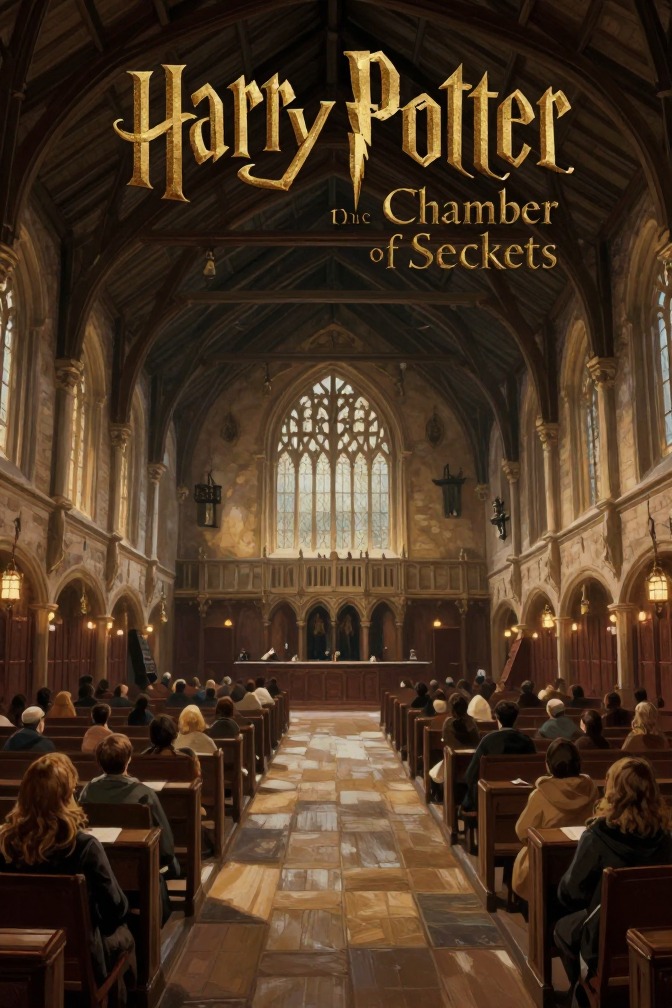
The Great Hall is the central communal and ceremonial space of Hogwarts School of Witchcraft and Wizardry, where the entire school gathers for meals, feasts, and pivotal events. It is the setting for the Sorting Ceremony, the Halloween feast that precedes the first attack, and the end-of-year celebration, making it a symbolic heart of the castle and a stage for both unity and crisis.
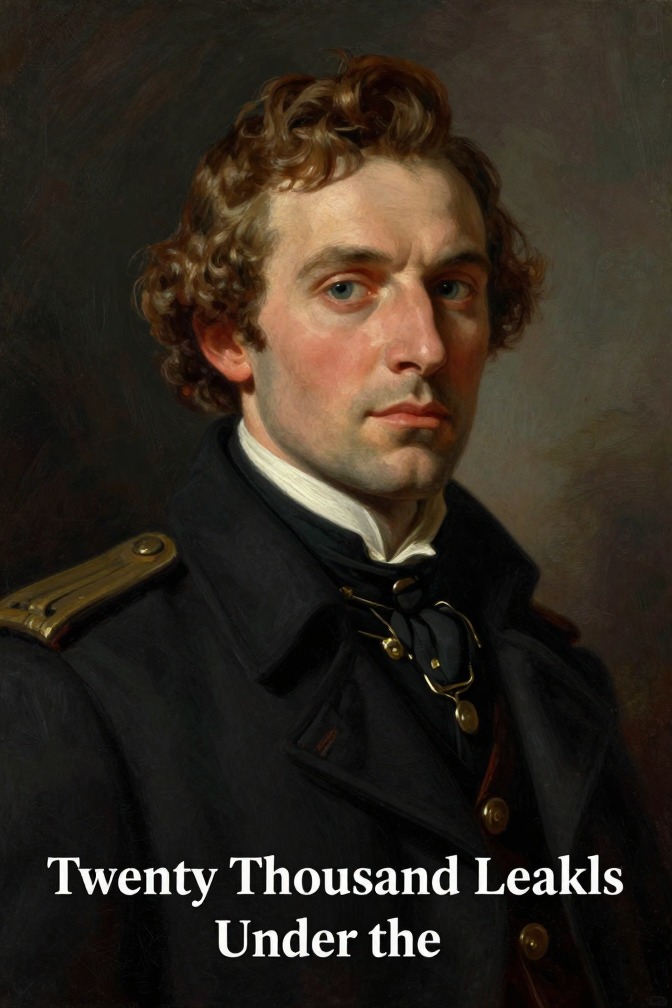
Captain Nemo is the enigmatic commander of the Nautilus, a genius engineer, scientist, and collector who has severed all ties with humanity to live beneath the sea, driven by a profound hatred for imperialist oppressors and a deep love for the ocean's freedom and wonders.
Mary Musgrove, née Elliot, is the youngest daughter of Sir Walter Elliot, a woman of petty self-importance, constant complaints, and limited understanding, whose marriage to Charles Musgrove places her in the comfortable but unremarkable society of Uppercross, where her hypochondria, social jealousy, and Elliot pride create a persistent undercurrent of domestic friction.