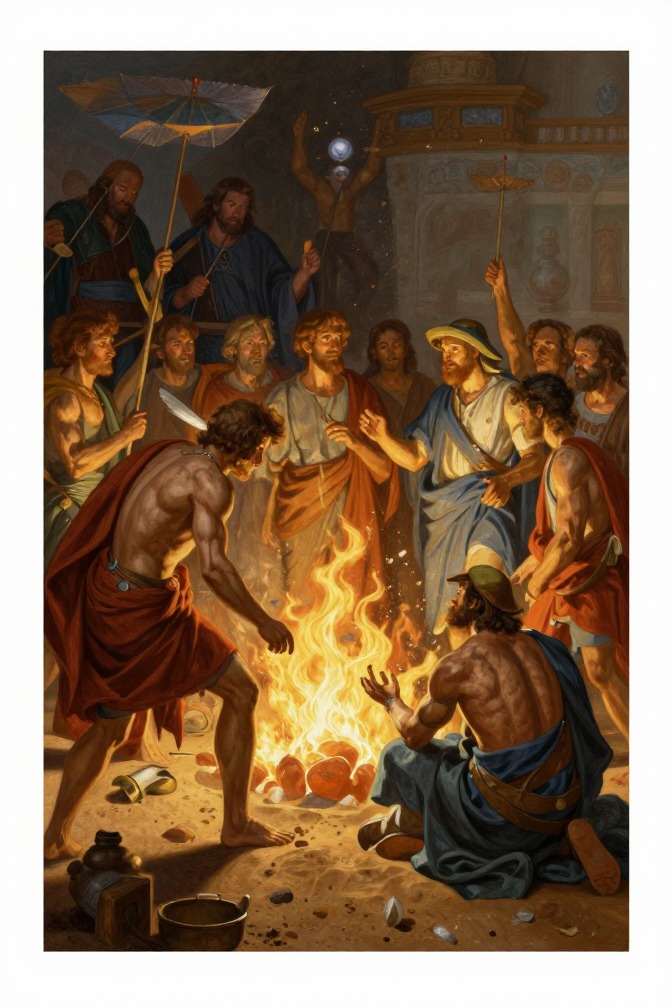
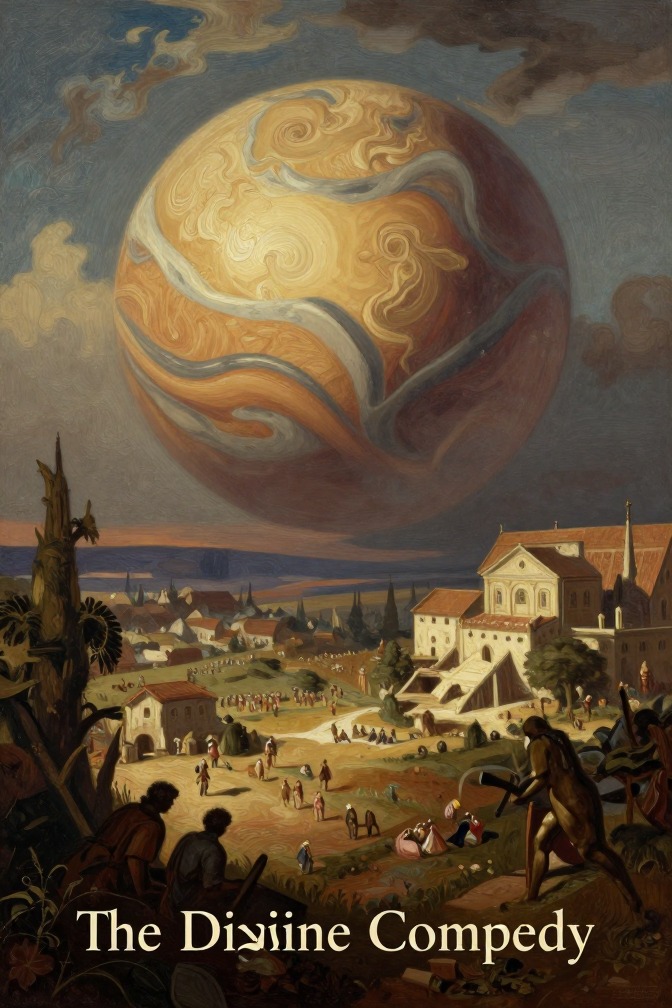
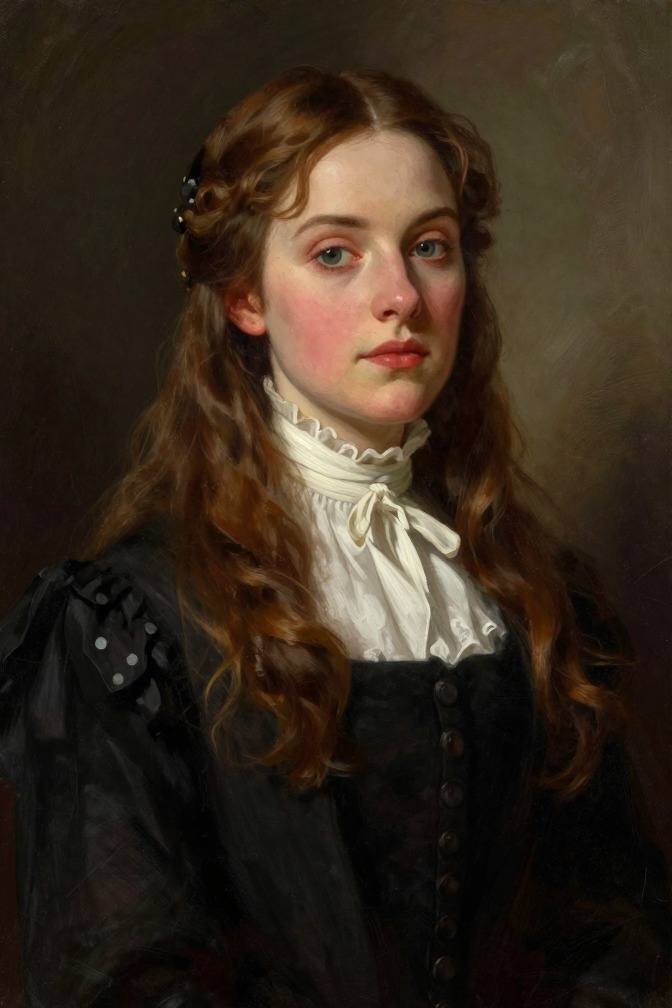
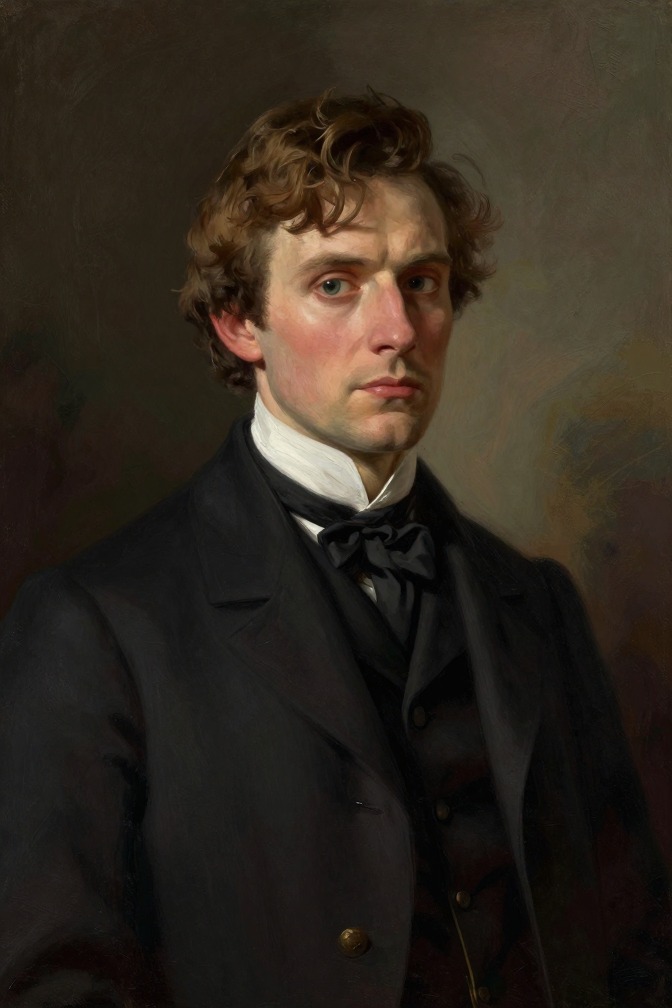
The Burning Sands and Capaneus is a pivotal event in Dante's Inferno, Canto XIV, where the poet and Virgil enter the third round of the seventh circle, a vast plain of scorching sand upon which flakes of fire eternally rain down, punishing the violent against God. Here, Dante encounters Capaneus, one of the seven kings who besieged Thebes, who lies supine and defiant, blaspheming against Jove even as the flames torment him, embodying the sin of blasphemy and the contrapasso of eternal, unyielding pride.
The Encounter with Peter Damiano and the Contemplatives is the pivotal event in Paradiso Canto XXI where Dante, guided by Beatrice, ascends to the seventh heaven of Saturn, the sphere of the contemplative souls. There he meets the fiery spirit of St. Peter Damiano, who descends a celestial ladder to speak with him, revealing the nature of divine predestination, the corruption of the modern Church, and the contrast between the apostolic poverty of the early Church and the opulence of contemporary prelates. This encounter deepens Dante's understanding of the limits of human reason before God's inscrutable will and provides a searing critique of ecclesiastical decadence.
On the Fifth Terrace of Purgatory, Dante encounters Pope Adrian V and Hugh Capet, two souls purging the sin of avarice. Their stories—Adrian's brief, disillusioned papacy and Capet's dynastic rise and the subsequent corruption of the French crown—form a powerful diptych on the spiritual and political costs of greed, while the terrace's unique penitential posture and the subsequent earthquake that signals a soul's liberation deepen the canticle's moral and structural themes.
The Ganges appears in Dante's Divine Comedy as a geographical marker of the eastern horizon, used to establish the time of day and the cosmic orientation of the pilgrim's journey, particularly at the dawn of Purgatory.
Mars, the fifth heaven of Paradise in Dante's Divine Comedy, is the sphere of martyrs and crusaders who died fighting for the true faith, where the souls of the blessed form a celestial cross and sing a hymn of resurrection.
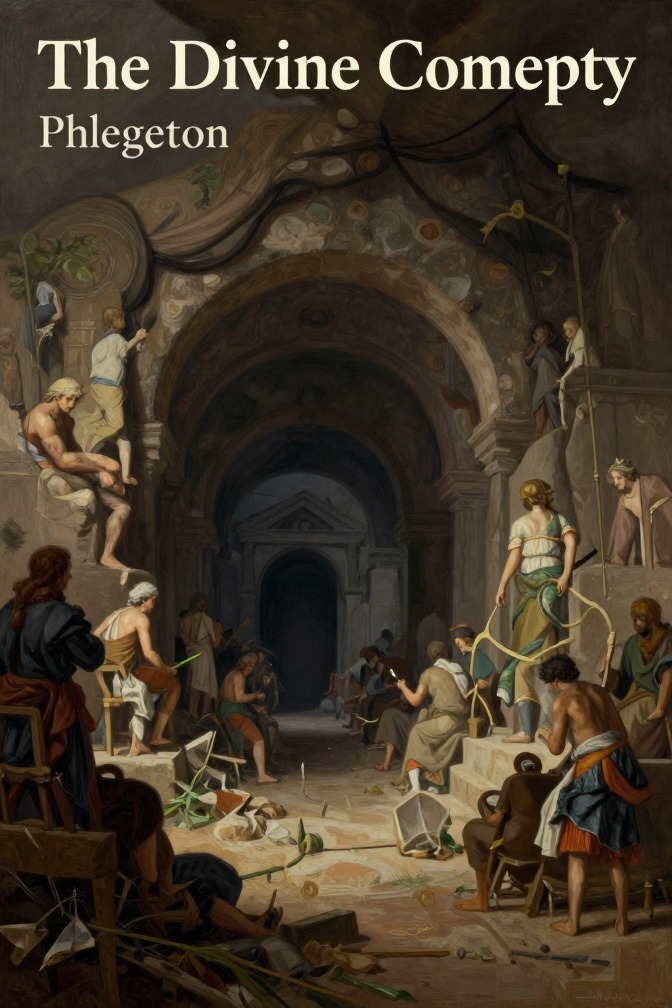
Phlegethon is the river of boiling blood in the seventh circle of Dante's Hell, where the violent against their neighbors are eternally punished, its depth varying according to the severity of their sins.
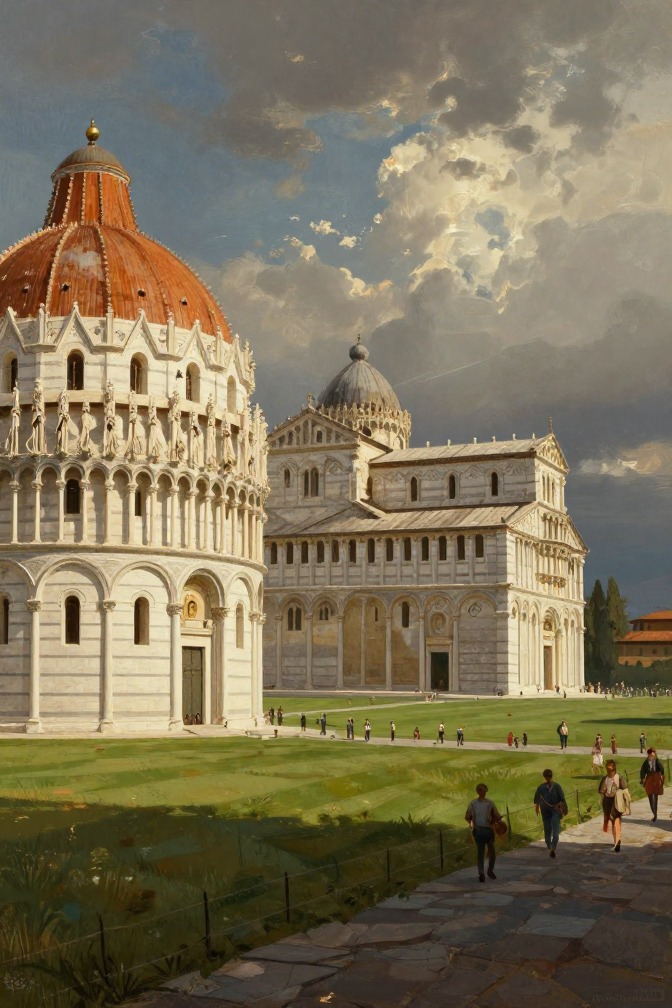
Pisa is the Tuscan city that appears in Dante's Inferno as the site of Count Ugolino's imprisonment and starvation, and is denounced by the poet as a place of profound cruelty and moral corruption.
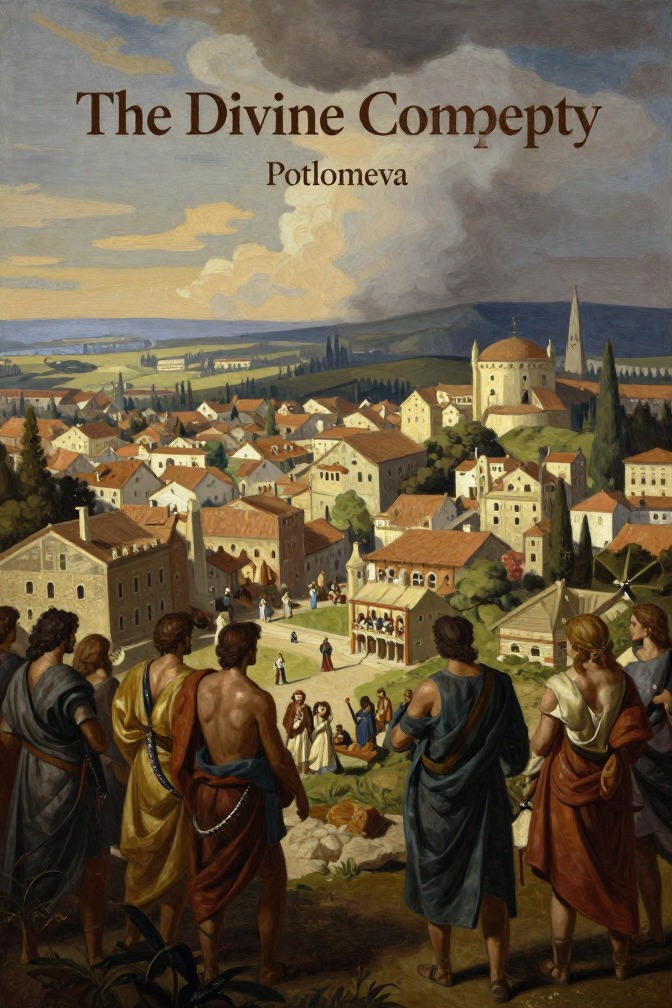
Ptolomaea is the third division of the Ninth Circle of Hell in Dante Alighieri's Inferno, reserved for traitors to their friends and guests, where souls are punished by being frozen in the ice of Cocytus with only their faces visible, and where the unique phenomenon of the soul descending to Hell before the body's death occurs.
The Sand Waste is the third and final round of the Seventh Circle of Hell, a vast, arid plain of burning sand where the Violent against God, Nature, and Art are eternally punished by a rain of fire. It is a landscape of absolute sterility and torment, where the very ground rejects all plant life and the souls suffer according to their specific form of violence.
The Church of Rome is a central institution in Dante's Divine Comedy, depicted as a sacred body corrupted by temporal ambition and avarice, whose deviation from its spiritual mission is a primary cause of the world's disorder and a frequent target of the poem's prophetic condemnation.
Piccarda Donati and Empress Constance are two blessed souls encountered by Dante in the Heaven of the Moon, the lowest sphere of Paradise, where they appear as faint reflections within a pearl. Both were nuns who were forcibly removed from their convents and compelled into marriages, yet they reside in the slowest heaven not as a punishment but because their wills, though not entirely broken, yielded to the violence done to them. Their serene acceptance of their lowly station and their explanation that "In His will is our peace" articulate a foundational principle of Dante's Paradise: that perfect beatitude consists in the complete alignment of one's own will with the divine order, and that every soul in heaven is perfectly content with its allotted degree of glory.
Damnation in Dante's Divine Comedy is the eternal state of souls who have irrevocably rejected God's grace, characterized by the complete loss of hope, the experience of contrapasso punishments tailored to each sin, and an eternal separation from the divine presence that constitutes the ultimate misery.
Lust is the sin of carnal excess, punished in the Second Circle of Hell and purged on the Seventh Terrace of Purgatory, where it is defined as the subjugation of reason to appetite and is purified through the fire of chaste love.
Paradise is the third and final realm of Dante Alighieri's afterlife, depicted as a series of nine concentric celestial spheres culminating in the Empyrean, where the blessed dwell in eternal contemplation of God. It represents the ultimate fulfillment of the soul's journey from sin to salvation, structured around the theological virtues and the vision of divine love.
Pride is the first and most severe sin purged on Mount Purgatory, punished on the First Terrace where souls bent under massive stones learn humility through the weight of their former arrogance. In Dante's moral system, pride is the root of all other sins, and its purgation is the most physically arduous, requiring the proud to crawl beneath crushing loads while contemplating carved examples of humility and pride's downfall.
Salvation is the ultimate goal of Dante Alighieri's journey through the three realms of the afterlife, the state of eternal beatitude achieved through divine grace, penitence, and the soul's final union with God. It is the organizing principle of the entire Divine Comedy, transforming a personal pilgrimage into a universal allegory of the soul's redemption.
Simony, the buying and selling of church offices and sacred things, is punished in the third bolgia of the eighth circle of Hell, where simoniac popes are thrust headfirst into stone holes and have their feet burned with flames. Dante's encounter with Pope Nicholas III and his subsequent invective against corrupt prelates constitute one of the poem's most powerful condemnations of ecclesiastical corruption, linking the sin directly to the political and spiritual decay of the Church.
Soothsaying is the sin of attempting to foresee the future through forbidden means, punished in the Fourth Bolgia of Malebolge, where the damned have their heads twisted backward on their bodies, forced to walk forever looking behind them, a contrapasso that mocks their presumption to see what God alone knows.
Usury, the practice of lending money at interest, is condemned in Dante's Inferno as a sin against nature and art, placed among the violent against God in the seventh circle of Hell, where usurers are punished on a scorching sand waste under a rain of fire, their suffering a direct consequence of their violation of divine and natural order.
Midnight is a recurring temporal marker in Dante's Divine Comedy, used to structure the journey's chronology, mark transitions between realms, and underscore the poem's themes of spiritual awakening and the passage of time.
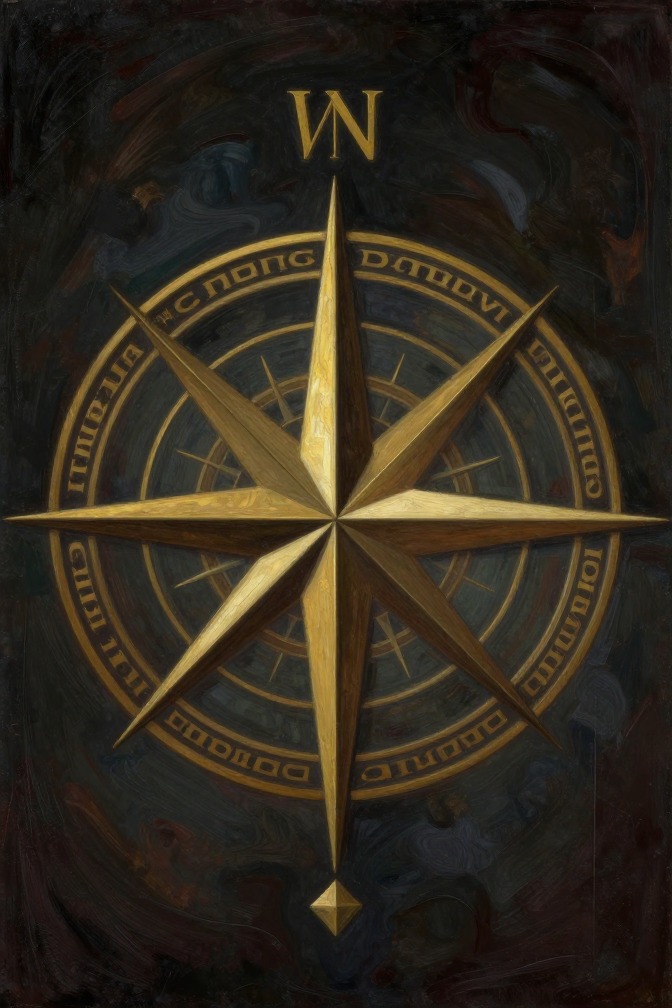
The Compass Rose is a navigational symbol that, in the context of *The Da Vinci Code*, is deeply tied to the concept of the Rose Line, the meridian that once served as the world's prime meridian and passes through the Church of Saint-Sulpice. The symbol's connection to the Rose, a key emblem of the sacred feminine and the Holy Grail, makes it a crucial piece of the novel's symbolic network, linking navigation, secrecy, and the lost goddess.
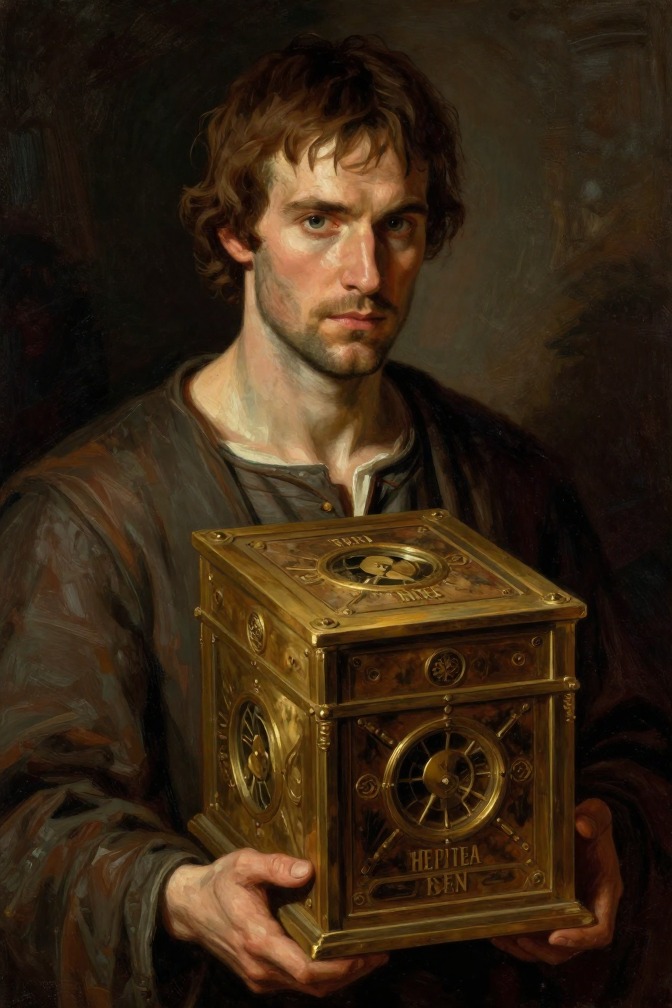
The cryptex is a portable, marble cylinder invented by Leonardo da Vinci and built by Jacques Saunière, designed to protect secret information through a combination lock mechanism that self-destructs if forced open. It serves as the Priory of Sion's keystone—an encrypted map to the Holy Grail—and drives the entire plot as Sophie Neveu and Robert Langdon race to unlock its password.
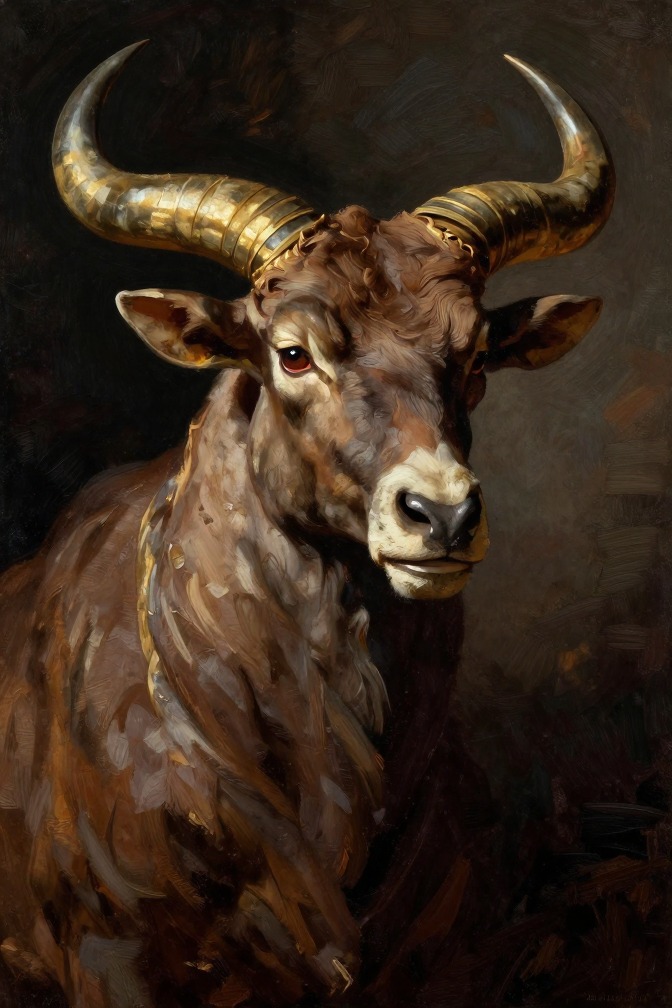
Le Taureau (the Bull) is the epithet of Captain Bezu Fache, the formidable head of the French Judicial Police (DCPJ), whose bull-like physique, aggressive demeanor, and relentless pursuit of Robert Langdon define his role as the primary antagonist in the early stages of the novel.
So dark the con of man is the message Jacques Saunière scrawled across the protective glass of the Mona Lisa in his own blood, using a black-light stylus. It is the final clue in the elaborate code he left for his granddaughter, Sophie Neveu, and it encapsulates the Priory of Sion's core belief: that the early Christian Church deliberately suppressed the sacred feminine, demonized goddess worship, and rewrote history to consolidate patriarchal power.
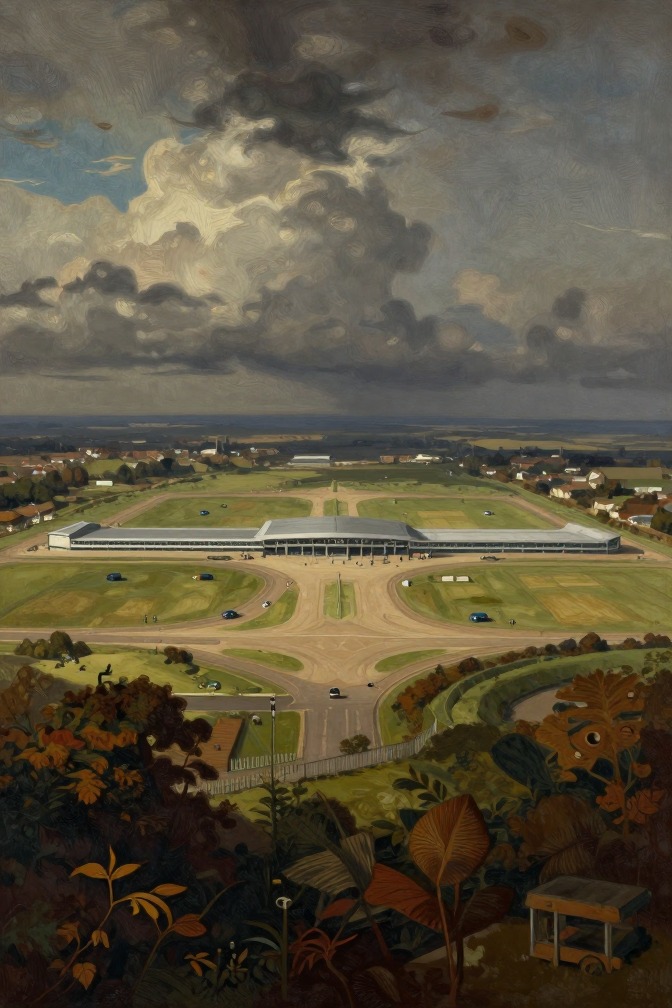
Biggin Hill Airport is the executive airfield in Kent, England, where Sir Leigh Teabing keeps his private Hawker 731 jet and where the fugitives Robert Langdon, Sophie Neveu, and Teabing land after fleeing Paris, only to face a police trap that Teabing outmaneuvers with a bold deception.
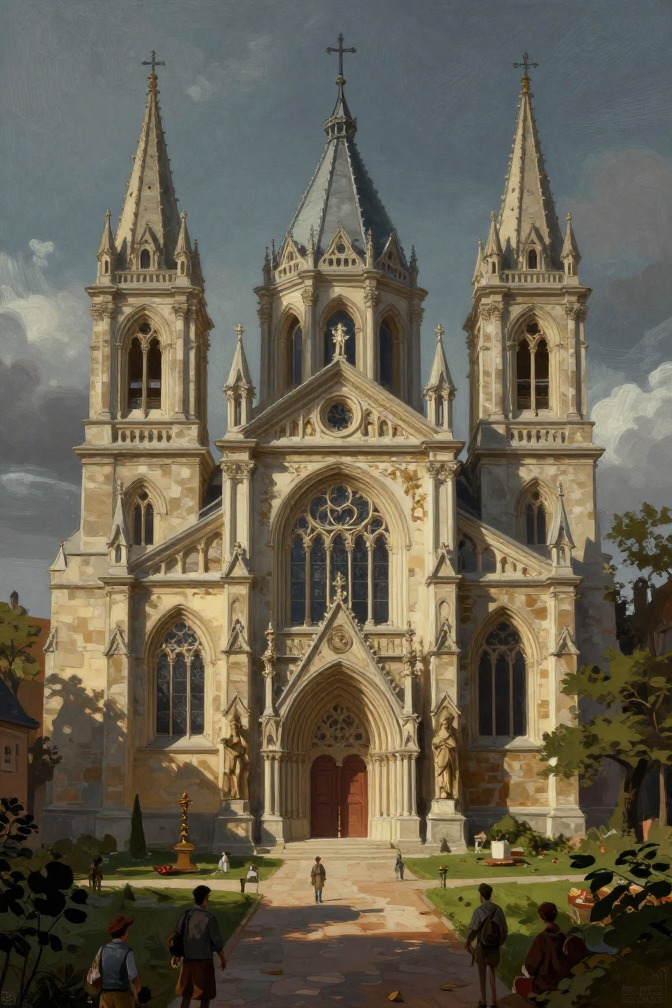
The Temple Church, located just off Fleet Street on Inner Temple Lane in London, is a round church built by the Knights Templar in the 12th century. It serves as a key location in the novel where the protagonists initially believe the keystone's poem points to a knight's tomb, only to discover the tombs are empty effigies, leading them to the true location at Westminster Abbey.
Corporal mortification is a central religious practice within Opus Dei, involving the deliberate infliction of physical pain through devices such as the cilice belt and the Discipline, as a means of penance, spiritual purification, and emulation of Christ's suffering.
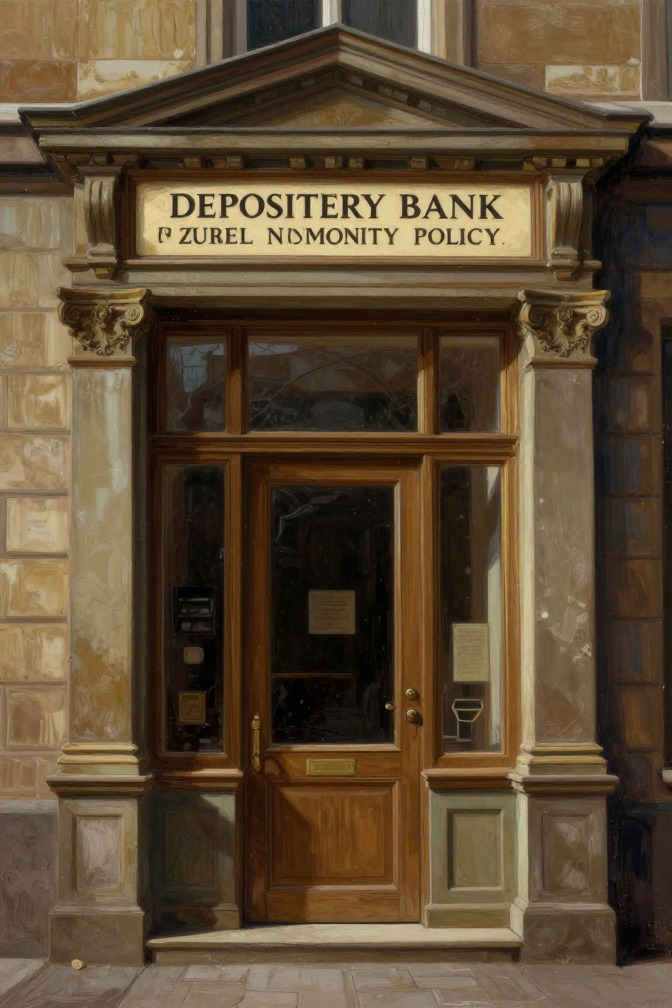
The Depository Bank of Zurich anonymity policy is a set of operational rules that guarantee total client privacy through numbered accounts, key-only access, and automated retrieval, ensuring that neither the bank staff nor law enforcement can link a safe-deposit box to its owner without the account number.
Miss Josephine Barry is a wealthy, sharp-tongued elderly relative of the Barry family who initially appears as a formidable and rigid figure but gradually reveals a dry wit and capacity for affection, becoming an unlikely kindred spirit and benefactor to Anne Shirley.
Mr. Phillips is the Avonlea schoolmaster during Anne Shirley's early years at Green Gables, a teacher whose methods and personal conduct make him a largely ineffective and often unfair authority figure in Anne's life.