The genuineness taboo is a pervasive social etiquette in post-apocalyptic San Francisco that forbids inquiring whether another person's animal is real or electric, reflecting a culture where owning a living animal is a marker of moral worth and empathy, and where the boundary between authentic life and simulation is both fragile and fiercely protected.
Susanne was the French nursery-maid in the Armstrong household whose tragic suicide after being wrongly suspected of complicity in the kidnapping of Daisy Armstrong became a central emotional and motivational force driving the conspiracy of twelve passengers to execute Ratchett on the Orient Express.
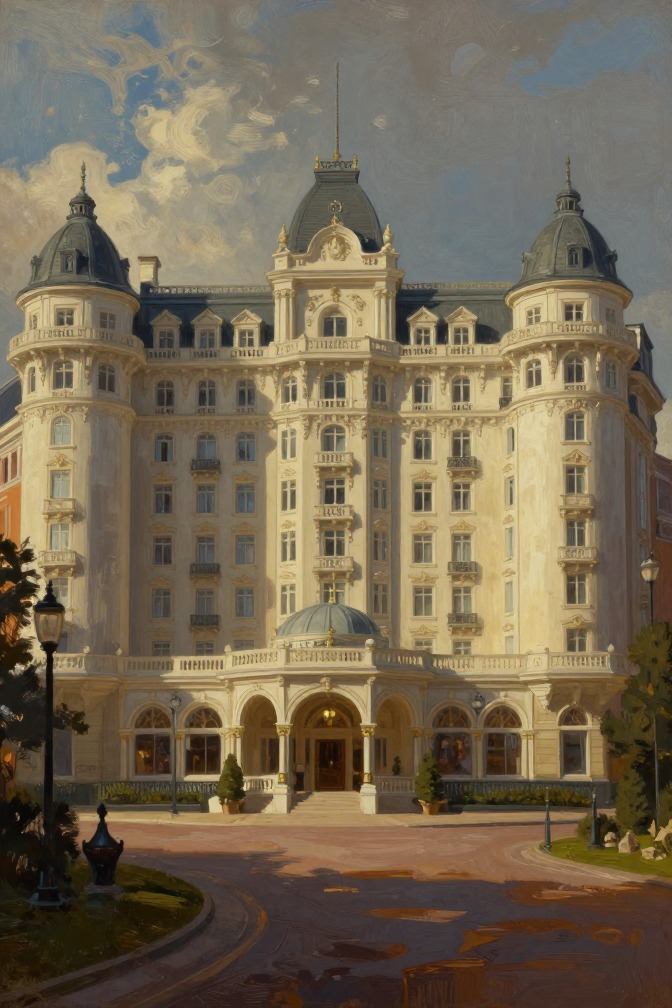
The Tokatlian Hotel in Constantinople (Stamboul) is the pivotal location where Hercule Poirot first encounters the murdered man, Samuel Edward Ratchett, and where the detective's decision to board the Simplon Orient Express sets the entire investigation in motion.
Antonio Foscarelli, the Italian-American Ford car agent who shared a second-class compartment with Ratchett's valet Masterman, was in fact the Armstrong family's former chauffeur, a connection he concealed during the initial investigation. His presence on the train was part of the elaborate conspiracy of twelve passengers—all linked to the Armstrong tragedy—who jointly executed Ratchett (Cassetti) as a self-appointed jury.
Cassetti kidnapped and murdered three-year-old Daisy Armstrong, triggering a chain of deaths that destroyed the Armstrong family and ultimately led to his own execution by a jury of twelve passengers on the Orient Express.
Colonel Arbuthnot is Colonel Armstrong's close friend from the war, a relationship that provides the personal motive for his participation in the conspiracy to execute Ratchett.
Helena Goldenberg, who travels under the married name Countess Andrenyi, is the younger sister of Sonia Armstrong and the daughter of the celebrated actress Linda Arden. Her presence on the Orient Express is not coincidental: she is one of the twelve conspirators who have organized the murder of Samuel Edward Ratchett, the man who kidnapped and killed her niece Daisy Armstrong, destroyed her sister's family, and escaped legal punishment. Her role in the plot is the most protected of all the participants, and her husband, Count Andrenyi, takes her place in the actual stabbing to shield her from direct involvement.
Mary Debenham and Colonel Arbuthnot are secretly in love, a relationship that develops during their journey from Baghdad and is concealed from the other passengers as part of their involvement in the conspiracy to murder Ratchett.
Pierre Michel, the Wagon Lit conductor on the Orient Express, was the father of Susanne, the French nursemaid who died by suicide after being wrongly suspected of complicity in the Armstrong kidnapping case, and this familial connection motivated his participation in the conspiracy to murder Samuel Edward Ratchett.
Ratchett hired Hector MacQueen as his secretary, a relationship that placed MacQueen in a position of intimate access to the murderer and made him a key figure in the conspiracy to kill Ratchett.
Susanne was the French nursery-maid of Daisy Armstrong, whose tragic death by suicide after being wrongly suspected of complicity in the kidnapping became a driving emotional and narrative force behind the conspiracy to murder Samuel Edward Ratchett.
Trial by jury is a legal principle that serves as the central organizing metaphor for the collective execution of Samuel Edward Ratchett in Agatha Christie's Murder on the Orient Express, where twelve passengers, each connected to the Armstrong tragedy, form a self-appointed jury that condemns and executes the murderer who escaped formal justice.
The investigation into the murder of Samuel Edward Ratchett on the snowbound Orient Express, conducted by Hercule Poirot at the behest of his friend M. Bouc, is the central action of the novel. It transforms a locked-room puzzle into a profound moral and legal dilemma, as Poirot systematically dismantles the passengers' carefully constructed lies to uncover a conspiracy of twelve executioners acting as a self-appointed jury.
The locked room is the central physical and narrative condition of the murder on the Orient Express: Ratchett's compartment was found with its door locked and chained from the inside, its window open but showing no footprints in the snow, and its communicating door bolted on the other side, creating an apparently impossible crime that forces Poirot to deduce how the murderer could have entered and left without leaving a trace.
Mr. Ashton is the celebrated frame-maker of South Audley Street who personally assists Dorian Gray in transporting the enchanted portrait to a locked room, becoming an unwitting participant in the concealment of Dorian's secret.
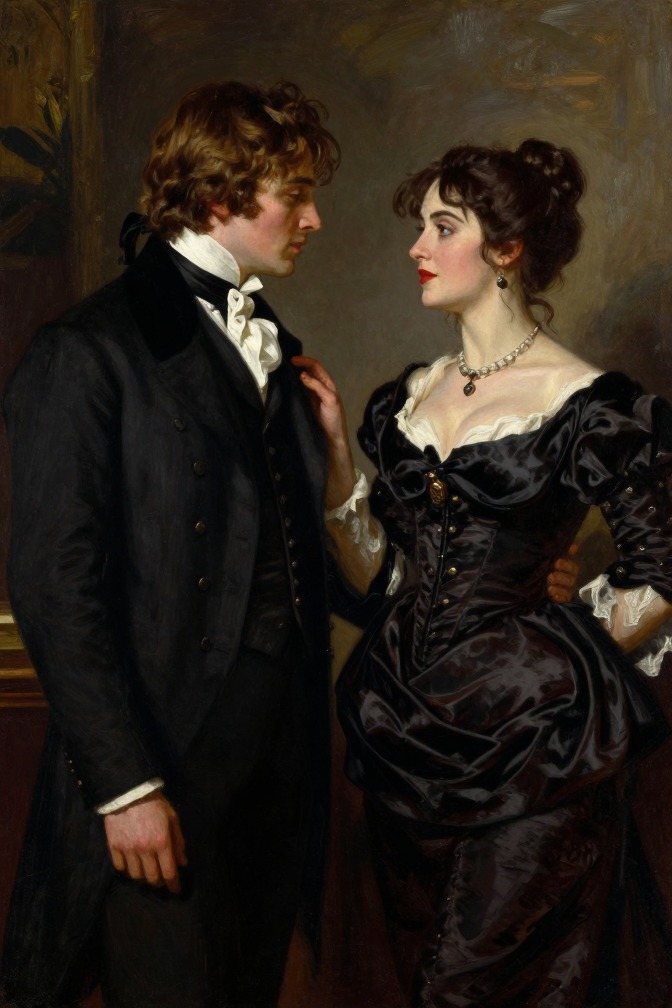
Sibyl Vane is a young actress of extraordinary beauty and talent whom Dorian Gray falls in love with, and whose rejection and subsequent suicide mark the first major moral crisis in the novel and the first visible change in the magical portrait.
Dorian Gray first encounters Sibyl Vane at a third-rate theatre in London's East End, where she is performing Juliet in a shabby production of Romeo and Juliet. Her extraordinary beauty and voice captivate him instantly, and he becomes obsessed, attending her performances night after night and eventually meeting her backstage. This meeting marks the beginning of his first romance and sets in motion a chain of events that will lead to her tragic suicide and the first visible change in his enchanted portrait.
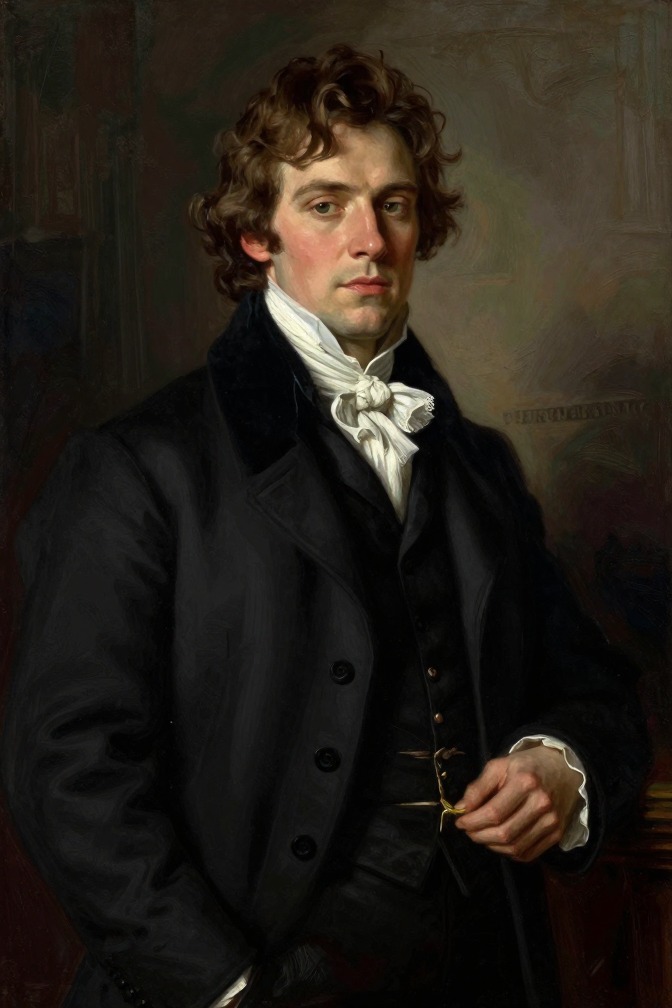
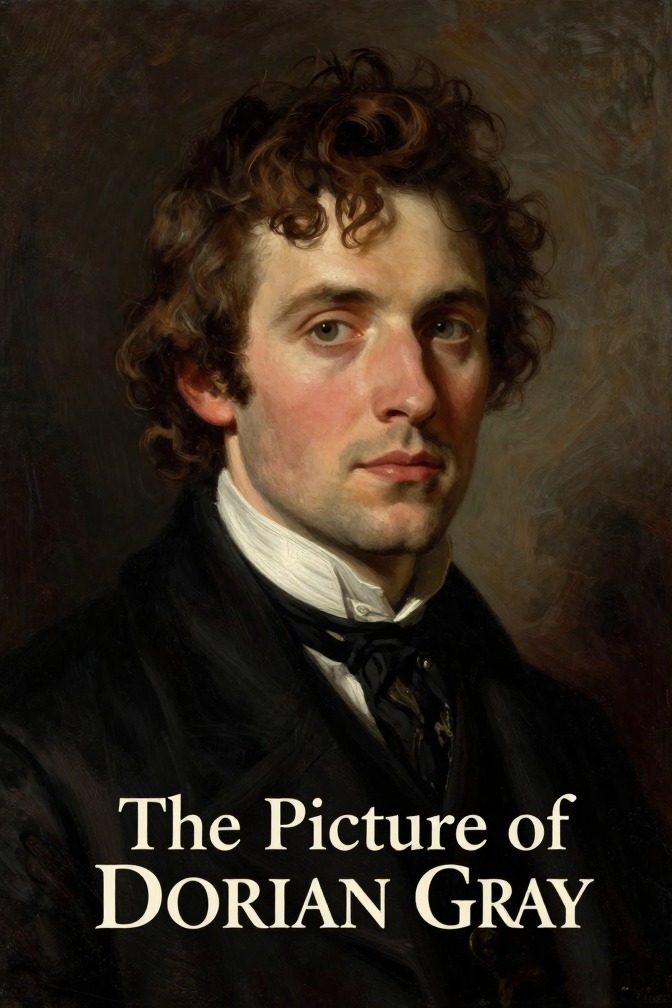
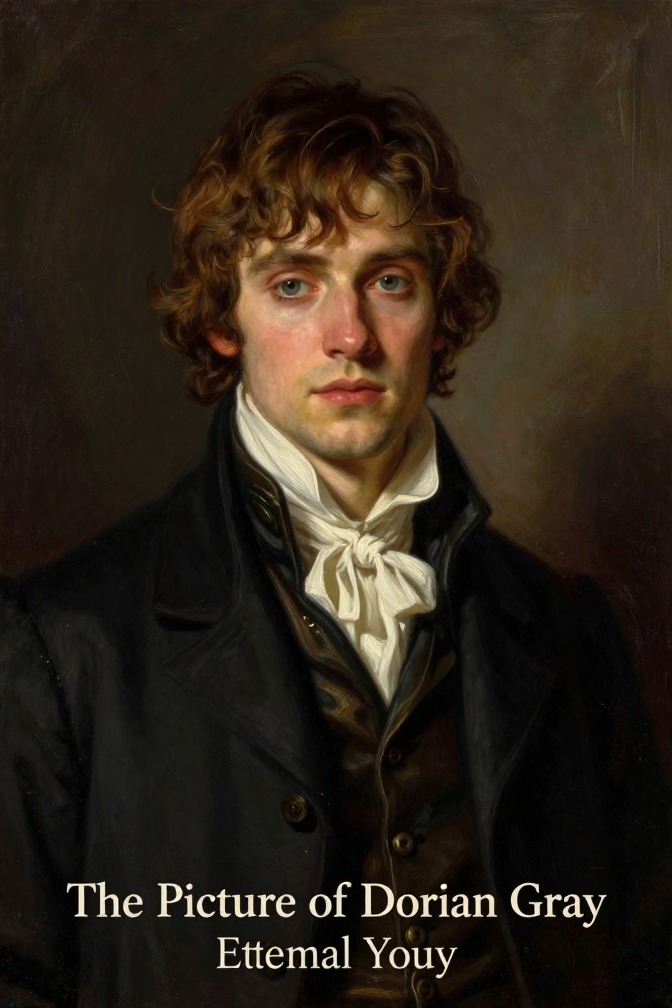
The painting of Dorian Gray's portrait by Basil Hallward is the pivotal magical event that triggers the entire plot, as Dorian's wish that the canvas age instead of himself is mysteriously granted, binding his soul to the picture and setting him on a path of hedonism, cruelty, and murder.
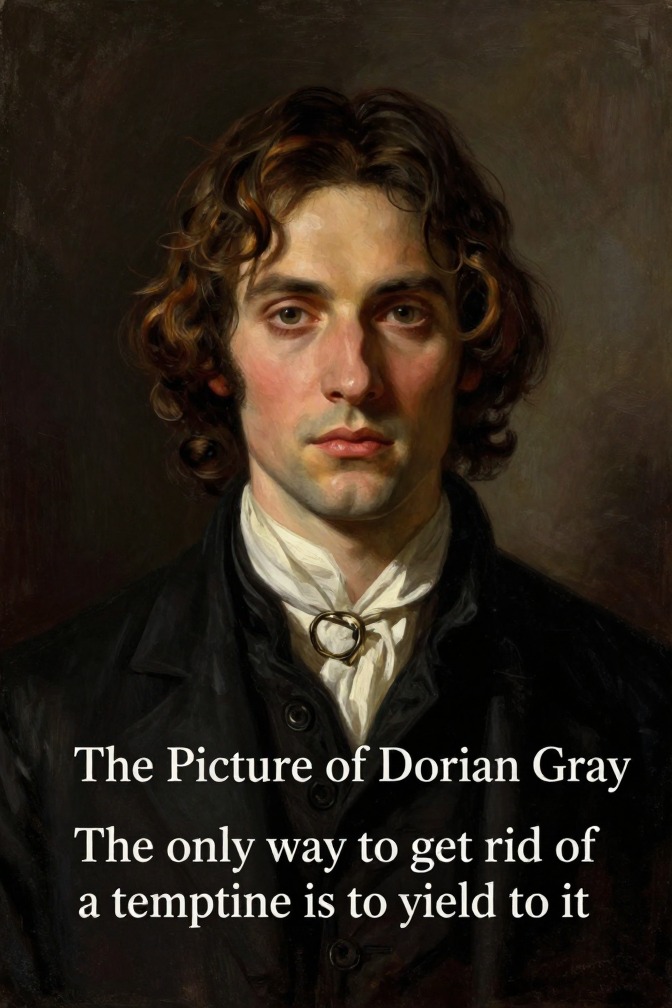
Lord Henry Wotton's aphorism that conscience is merely the trade-name of the firm, uttered in the garden of Basil Hallward's studio, encapsulates his cynical philosophy that moral scruples are a form of cowardice and that the only way to escape temptation is to yield to it. This epigram becomes a foundational doctrine for Dorian Gray, shaping his descent into a life of hedonism and crime, and stands as one of the most quoted expressions of the novel's moral inversion.
Lord Henry Wotton's aphorism that the only way to get rid of a temptation is to yield to it is a central philosophical doctrine in Oscar Wilde's The Picture of Dorian Gray, serving as the intellectual catalyst for Dorian Gray's moral descent and the novel's exploration of hedonism, influence, and the soul.
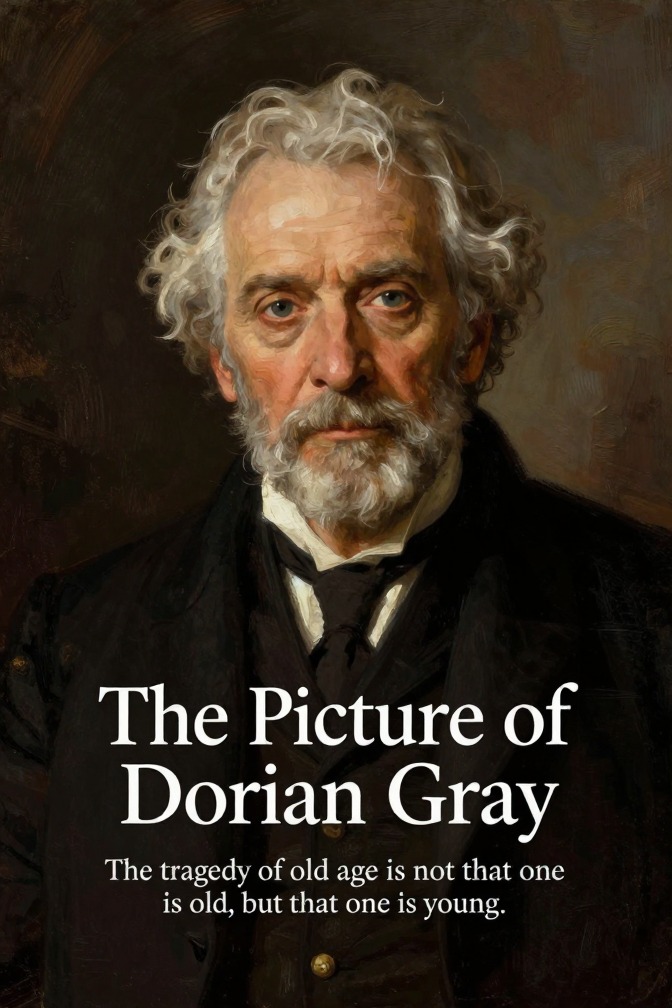
Lord Henry Wotton's aphorism that "the tragedy of old age is not that one is is old, but that one is young" encapsulates the novel's central paradox: Dorian Gray's physical youth becomes a curse precisely because it never matures, trapping him in a perpetual, morally infantile state while his soul decays.
Algiers is a North African city that serves as a retreat for Dorian Gray, where he maintains a small white-walled house and spends winters, reflecting his pattern of seeking escape from the consequences of his actions and the portrait that bears the burden of his sins.
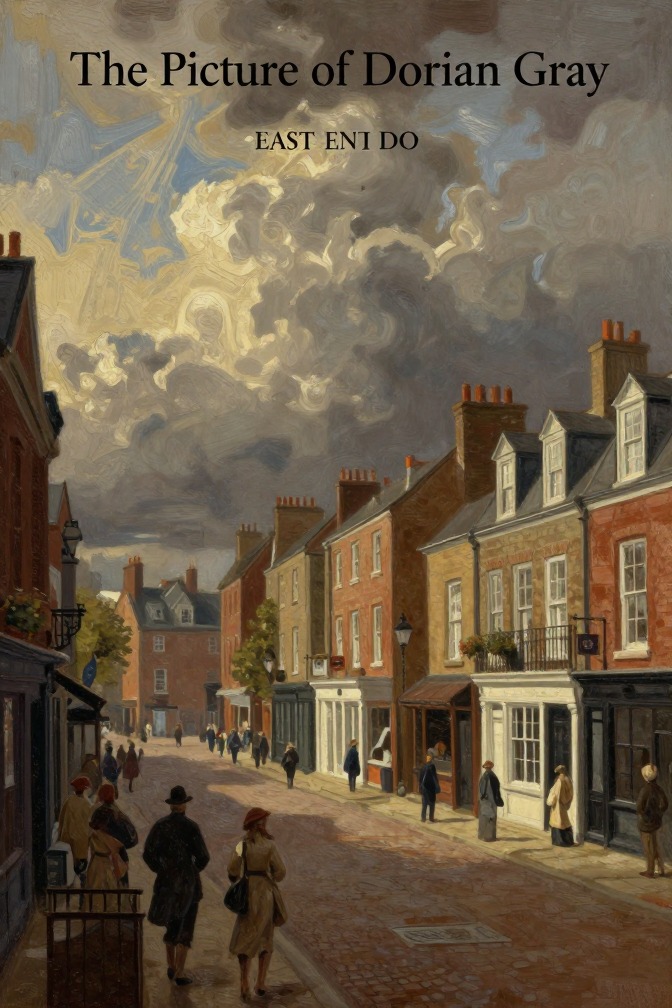
The East End of London is a recurring setting in Oscar Wilde's *The Picture of Dorian Gray*, representing a world of poverty, vice, and moral decay that stands in stark contrast to the fashionable West End society where Dorian Gray typically moves. It is the place where Dorian first encounters Sibyl Vane, where he later indulges his basest desires, and where the consequences of his corruption are most starkly visible.
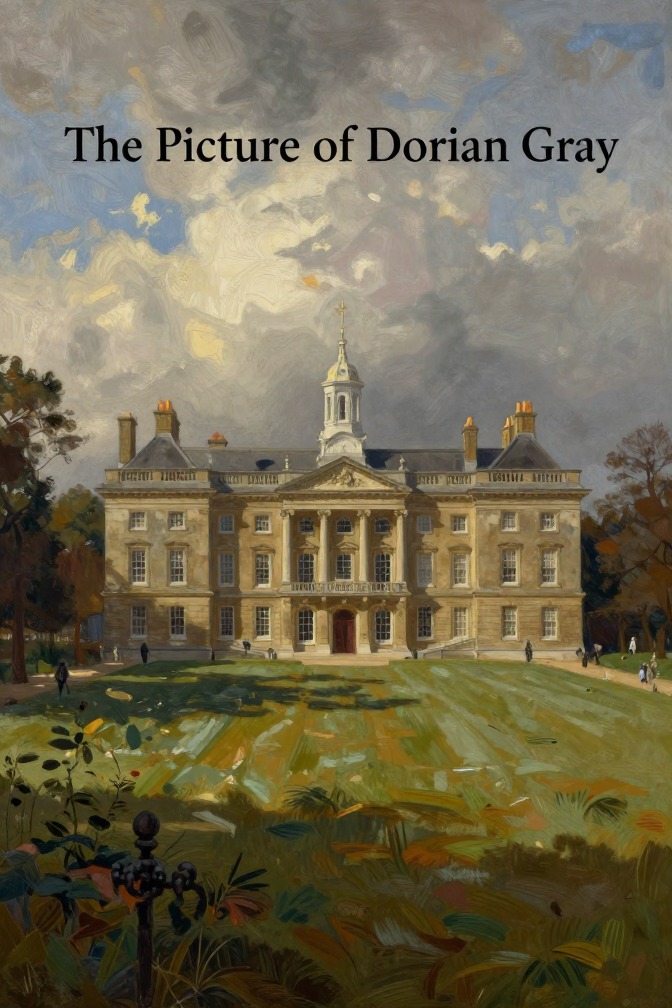
Selby Royal is Dorian Gray's country house in Nottinghamshire, a setting that contrasts with his London life and becomes a site of moral decay, social performance, and the concealment of his secret.
The Dudley (also known as the Dudley Gallery) is a London exhibition venue mentioned in Oscar Wilde's *The Picture of Dorian Gray* as the site where Dorian Gray's loaned miniatures become the subject of a scandalous conversation that reveals the extent of his social ruin.
Scotland Yard is the London metropolitan police force that investigates the disappearance of Basil Hallward and, by extension, becomes entangled in the aftermath of Dorian Gray's murder. Though the Yard never solves the case, its official narrative—that Hallward boarded a midnight train to Paris—provides the public cover that allows Dorian to escape immediate suspicion, while the French police's contradictory report that Hallward never arrived in Paris keeps the mystery alive in society gossip.
The St. James's Gazette is a London newspaper that appears in the narrative as the vehicle through which Dorian Gray learns of the official inquest verdict on Sibyl Vane's death, and its marked paragraph becomes a source of anxiety for him.
Lord Henry Wotton's principle of never approving or disapproving of anything is a cornerstone of his amoral philosophy, which he articulates directly to Basil Hallward and which profoundly shapes Dorian Gray's descent into hedonism and crime.
Dorian Gray's Eternal Youth is the central supernatural condition of the novel, a Faustian bargain in which the portrait painted by Basil Hallward ages and bears the marks of sin while Dorian himself remains physically unchanged for nearly two decades, a state that enables his unchecked descent into corruption and crime.
Jekyll's involuntary transformation in Regent's Park is the catastrophic turning point of the novella, the moment when the carefully maintained balance between his two identities collapses without warning and he finds himself permanently trapped in the body of Edward Hyde, a known murderer, with no drug at hand to reverse the change.