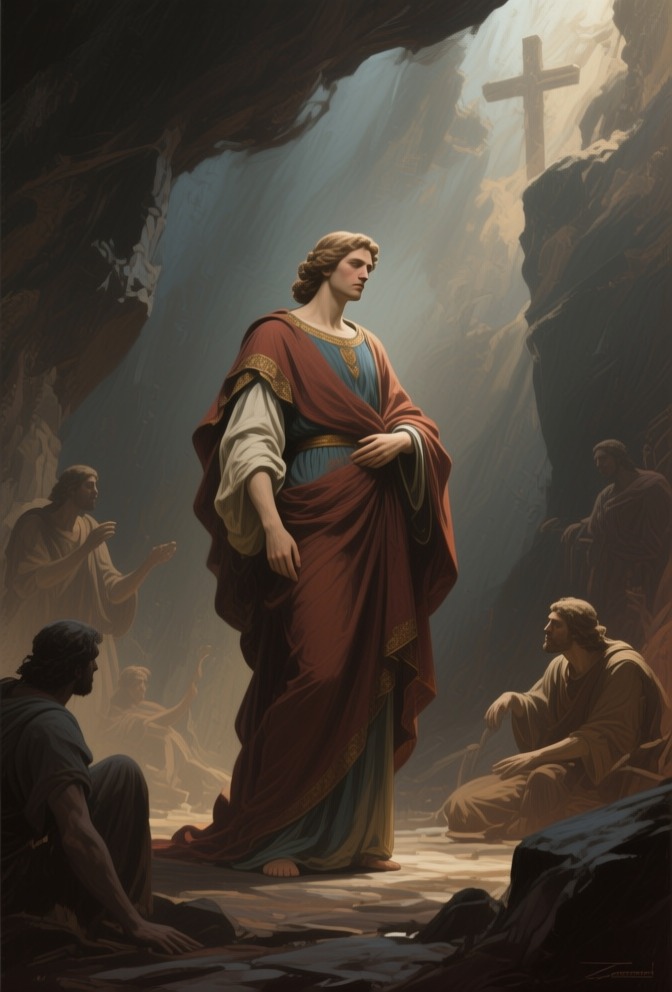
Aslan's Sacrifice is the pivotal event in which the great lion voluntarily submits to death at the Stone Table in place of the traitor Edmund Pevensie, satisfying the Deep Magic of Narnia and ultimately triggering a deeper magic that restores him to life and breaks the White Witch's power.
Mrs. Beaver is the practical, resourceful wife of Mr. Beaver who provides crucial hospitality, supplies, and strategic advice to the Pevensie children during their flight from the White Witch, embodying domestic competence and quiet courage in the struggle against tyranny.
Mrs. Macready is the Professor's stern housekeeper, whose strict rules and guided tours inadvertently drive the four Pevensie children into the wardrobe and thus into Narnia.
The Dog is a minor but symbolically significant creature in Narnia, appearing as one of the liberated statues from the White Witch's castle and later participating in the final battle as a member of Aslan's army, embodying the restoration of life and the collective triumph over evil.
The Incubus is a demonic creature in C. S. Lewis's *The Lion, the Witch and the Wardrobe*, appearing among the evil forces summoned by the White Witch for the final battle. Its presence, listed alongside other monstrous beings, underscores the depth of the Witch's dark alliance and the apocalyptic stakes of the conflict between her tyranny and Aslan's liberating power.
The Mermen and Mermaids are mythical sea-dwelling beings in Narnia who appear at the coronation of the four Pevensie children, singing in honor of the new Kings and Queens from the waters near Cair Paravel, and their music is described as stranger, sweeter, and more piercing than the revelry inside the castle.
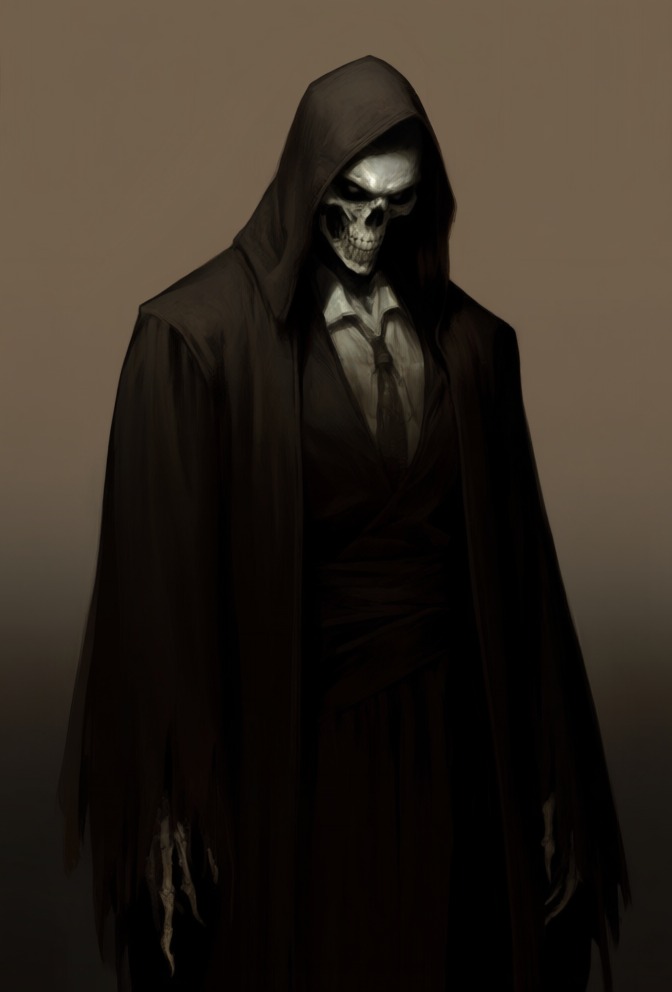
The Spectre is a malevolent supernatural entity that serves the White Witch, appearing among the ranks of her army during the final battle in Narnia and embodying the terror of her reign.
Spare Oom and War Drobe is a comical mispronunciation by Mr. Tumnus the Faun of the words 'spare room' and 'wardrobe,' which he uses to name Lucy Pevensie's mysterious homeland. The phrase marks the first moment of cross-world contact in the story and encapsulates the Faun's charming ignorance of the human world, while also serving as a playful linguistic bridge between the ordinary English house and the magical land of Narnia.
Lucy Pevensie and Mr. Tumnus the Faun form a friendship that begins in deception but transforms into genuine loyalty, marking the first human–Narnian bond and setting the moral and emotional stakes of the entire story.
On Lurlinemas Eve, Elphaba attempts to assassinate Madame Morrible in the square before the Lady's Mystique theatre, but the presence of schoolchildren from Madame Teastane's Female Seminary prevents her from carrying out the attack, and she flees in self-loathing.
Irji is the eldest son of Fiyero and Sarima, the heir apparent to the Arjiki chieftainship of Kiamo Ko. A soft, timid, and religiously inclined boy, he is overshadowed by his more aggressive younger brother Manek and largely neglected by his grieving mother. His character arc traces a retreat from the violent demands of his inheritance into a world of prayer and books, a quiet rebellion that ultimately leaves him unprepared for the political dangers that befall his family.
Nessarose, the younger sister of Elphaba, is a complex figure whose life is marked by physical disability, religious fervor, and a ruthless pursuit of power. Born without arms, she is initially defined by her frailty and her father Frex's doting affection, but she evolves into the formidable 'Wicked Witch of the East' and the political head of the secessionist Free State of Munchkinland. Her story is one of transformation from a dependent, pious child into a tyrannical ruler, whose enchanted silver shoes grant her independence but also become a symbol of her oppressive regime, ultimately leading to her death when a tornado drops a house on her.
Sarima, the Dowager Princess of the Arjikis, is the wife of Fiyero and the mistress of Kiamo Ko, whose refusal to forgive Elphaba for her husband's death becomes a central, unresolved tension in the latter half of the novel. She is a complex figure: a woman of authority and hospitality within her isolated mountain stronghold, yet also a prisoner of her own grief, her family's expectations, and the rigid social codes of her tribe. Her story is one of loss, stubbornness, and the painful limits of mercy, as she chooses to withhold the absolution Elphaba desperately seeks, thereby shaping the Witch's final years.
Sir Chuffrey is a wealthy older gentleman from the Pertha Hills in Gillikin, the husband of Glinda (formerly Galinda) of the Arduennas. He is a minor but symbolically significant character whose marriage to Glinda represents her integration into the upper echelons of Emerald City society and her distance from her radical youth. His wealth, his title, and his rumored involvement in the death of Fiyero make him a figure of both social aspiration and suspicion within the novel's political landscape.
The Kumbric Witch is the primordial figure of evil in Oz's mythology, a pre-human entity associated with the flood, the creation of Animals, and the origin of wickedness itself. She appears not as a living character but as a legend, a contested symbol whose meaning shifts across the novel's competing religious and political narratives, and whose name is invoked to explain everything from the nature of evil to the Wizard's own magical pretensions.
The expression "Bear down on the rod and foil the child" is the concluding aphorism of a Quell poem recited by Madame Morrible at a poetry soiree at Crage Hall, and it encapsulates the authoritarian ideology of the Wizard's regime, advocating for strict discipline and the suppression of individual liberty. The line recurs in the narrative as a thematic touchstone, linking the political oppression of Oz to the personal trauma of Elphaba, who internalizes its punitive logic as a form of self-loathing and a justification for her own violent actions.
Elphaba, the Wicked Witch of the West, delivers a provocative and self-aware epigram about the nature of evil during a dinner party at the home of Avaric, the Margreave of Tenmeadows, shortly after she has murdered Madame Morrible. The remark crystallizes her performance of wickedness and her ironic detachment from the moralizing conversation around her.
The Clock of the Time Dragon is a traveling mechanical theater and prophetic device that appears in the novel as a central symbol of spectacle, moral corruption, and the erosion of traditional faith in Oz. It is a towering wagon-mounted clockwork contraption featuring a green leather dragon, dozens of moving puppets, and a dwarf handler, which stages cruel, personalized satires that expose the secrets of its audience and incite violence. The Clock catalyzes the crisis that leads to Elphaba's birth under a curse, haunts the memory of her father Frex, and later resurfaces in the novel's final act as a vehicle for revelation, embodying the novel's inquiry into the nature of evil, the manipulation of truth, and the inescapable weight of the past.
The Wicked Witch of the West is the public identity and political epithet adopted by Elphaba Thropp, the green-skinned protagonist of Gregory Maguire's novel, a title she embraces as a defiant act of self-definition against a society that has already condemned her. The name becomes a weapon of the disenfranchised, a mask of power worn by a woman who has been systematically stripped of every other form of belonging—family, love, community, and forgiveness—and who ultimately uses the role to wage a lonely war against the Wizard's tyranny.
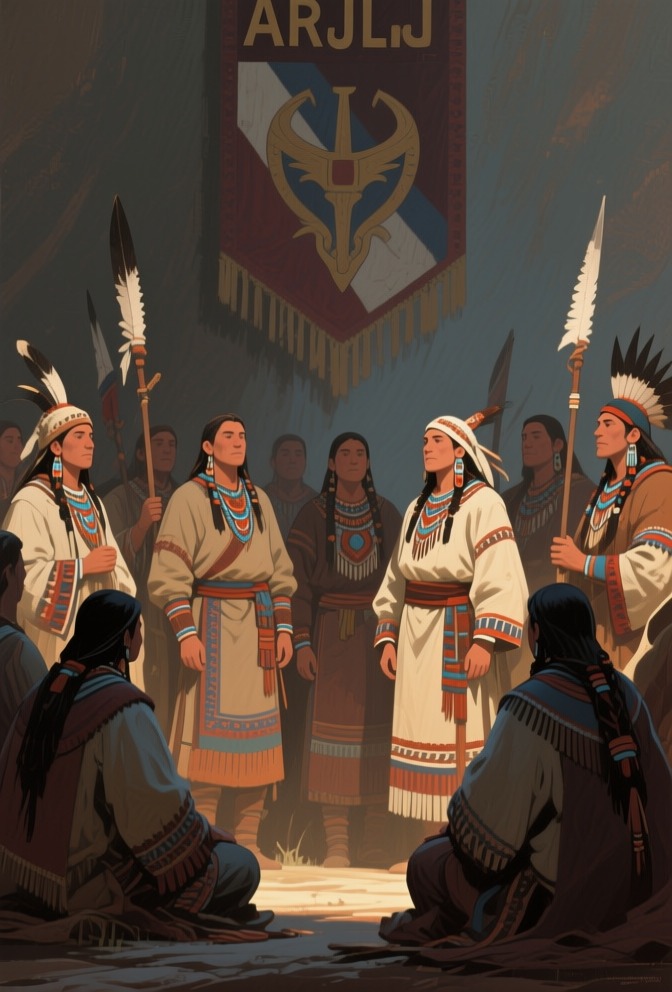
The Arjiki Tribe is a Vinkus mountain clan led by Prince Fiyero, whose territory centers on the stronghold of Kiamo Ko. The tribe's identity is defined by its nomadic pastoralism, its distinctive blue diamond facial markings, its chieftainship structure, and its fraught relationship with the Wizard of Oz's expanding imperial power.
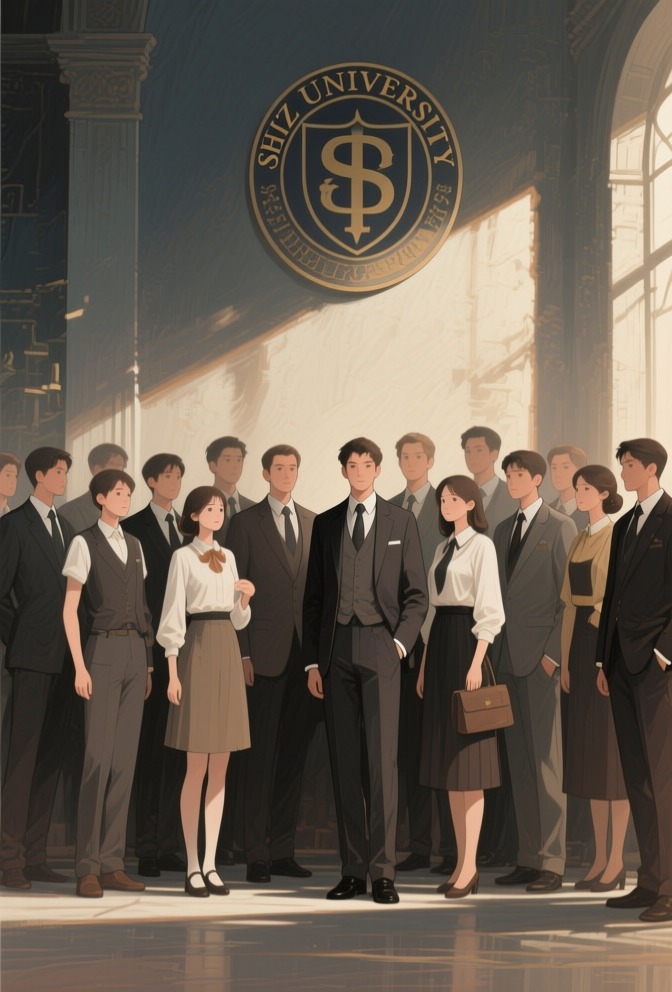
Shiz University is the premier institution of higher learning in Oz, where Elphaba, Glinda, and Nessarose receive their education and where the political and magical currents of the nation first converge in their lives.
Arianne Martell, the daughter and heir of Prince Doran Martell of Dorne, is a central figure in the Dornish political scheming of A Dance with Dragons. After her failed plot to crown Myrcella Baratheon, she is confined but eventually reconciled with her father, who reveals his long-term plans to her and tasks her with a crucial role in the coming war.
Balon Swann is a knight of the Kingsguard under King Tommen Baratheon, sent to Dorne as an envoy to escort Princess Myrcella back to King's Landing. He is a capable, wary, and honorable knight, but his mission is entangled in the political machinations of both the Lannister court and the Martells of Dorne, where he becomes a pawn in a larger game of thrones.
Bloodbeard is the savage commander of the Company of the Cat, a free company contracted to Yunkai during the siege of Meereen. A roaring giant with a ferocious appetite for slaughter, he embodies the most brutal and dishonorable aspects of the sellsword trade, making no secret of his disdain for rival commanders and his eagerness for bloodshed.
Caggo Corpsekiller is a fearsome sellsword captain of the Windblown, distinguished by his curved Valyrian steel arakh and his role as the Tattered Prince's right hand. He is a brutal, efficient killer who commands respect through violence and is instrumental in the company's most dangerous missions, including the attempted dragon theft in Meereen.
Daario Naharis is the flamboyant Tyroshi captain of the Stormcrows, a sellsword company in the service of Daenerys Targaryen. He becomes the queen's lover and a trusted commander, but his violent nature and low birth create a tension between his personal desires and her political necessities, ultimately leading to her sending him away as a hostage to secure a fragile peace.
Davos Seaworth, the Onion Knight, is a former smuggler turned King's Hand to Stannis Baratheon, whose journey in A Dance with Dragons takes him from a shipwrecked envoy to a secret mission that could determine the fate of the north.
Godric Borrell, Lord of Sweetsister, is a gruff, pragmatic island lord who rules the Sisterton coast with a wrecking lord's cunning and a smuggler's hospitality, sheltering Davos Seaworth after the storms scatter Stannis Baratheon's fleet and weighing the shifting loyalties of the War of the Five Kings with cold, self-interested calculation.
Godry Farring, called the Giantslayer, is a knight of the stormlands and a fervent queen's man in the service of Stannis Baratheon. He is defined by his arrogance, cruelty, and a hunger for glory that outstrips his actual martial accomplishments, most notably his claim to have slain a giant during the battle beneath the Wall. Throughout the campaign in the north, he serves as a vocal advocate for the red god R'hllor, a harsh critic of Jon Snow, and a persistent threat to the king's captive, Asha Greyjoy, whom he repeatedly urges to be burned as a sacrifice.
Haldon Halfmaester is a learned, sharp-tongued tutor and healer in the service of the exiled prince Aegon Targaryen, acting as a key member of the conspiracy to restore the Targaryen dynasty.