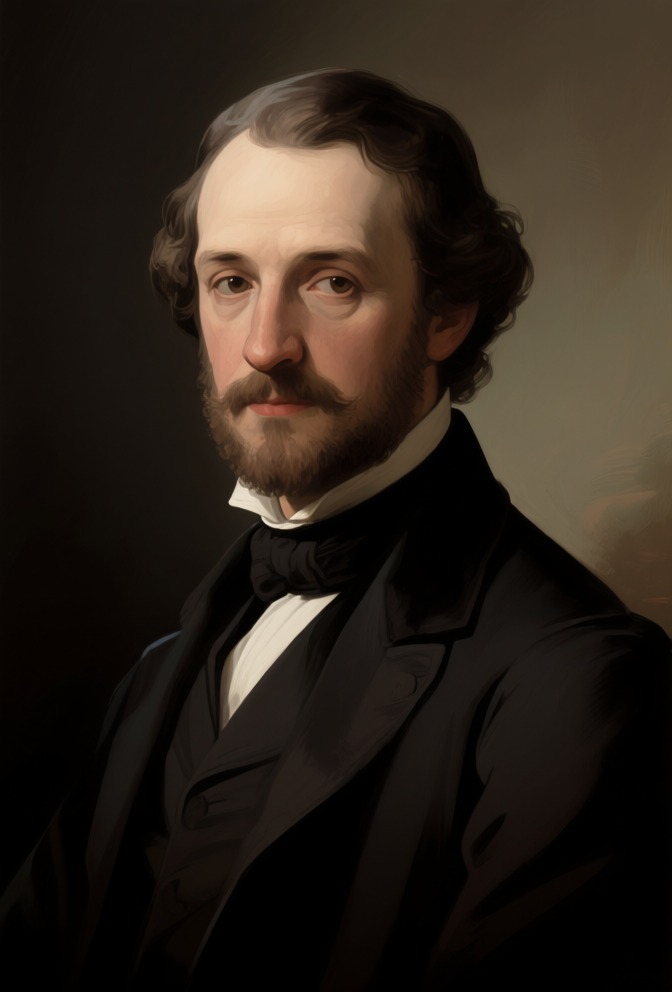
Anouk is a key figure in the Parisian Resistance network that Isabelle Rossignol joins. A stern, chain-smoking woman with a dour demeanor, she serves as a courier and contact for the group, initially testing Isabelle's resolve and later becoming a trusted colleague and friend. Her presence in the narrative underscores the constant danger and the personal sacrifices demanded by the underground war against the Nazi occupation.
Jean Georges Ruelle is a four-year-old Jewish boy whose mother, Hélène Ruelle, thrusts him into Vianne Mauriac's arms during a roundup in Carriveau, forcing Vianne to hide him under a false identity and ultimately deliver him to the convent orphanage, where he becomes one of nineteen children she saves.
Madeleine Rossignol is the deceased mother of Vianne and Isabelle Rossignol, whose death from illness when Isabelle was four and Vianne fourteen precipitates the family's collapse: their father Julien abandons his daughters to a cold caretaker, and the sisters' lifelong estrangement begins. Though she appears only in memory, Madeleine's absence shapes every major relationship in the novel—Vianne's desperate need for security, Isabelle's lifelong hunger for love, and Julien's descent into alcoholism and emotional paralysis. Her remembered words and gestures become the emotional standard against which both sisters measure their own capacity for love and sacrifice.
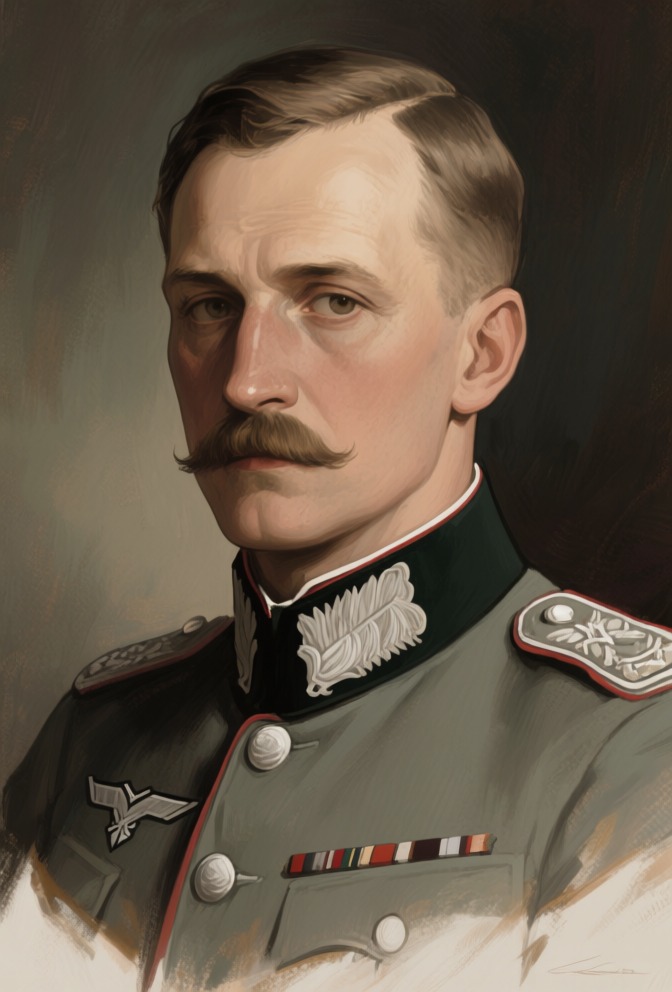
Rittmeister Schmidt is the Gestapo Kommandant in Amboise who interrogates and tortures Isabelle Rossignol after her arrest in Urrugne, and who later executes her father, Julien Rossignol, after the old man falsely confesses to being the Nightingale.
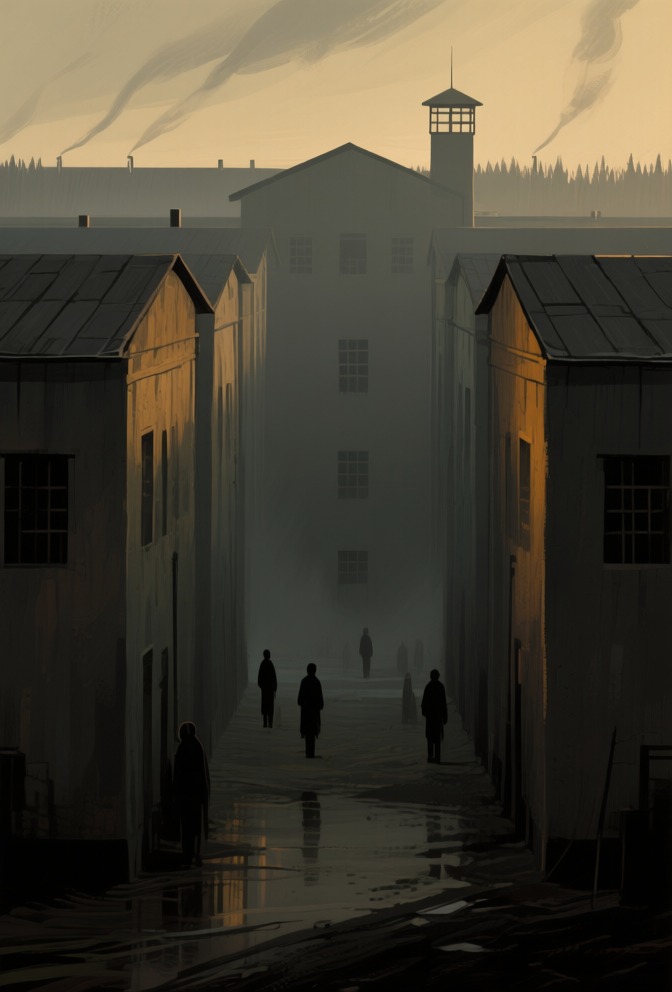
Concentration camps, particularly Ravensbrück, are the ultimate expression of Nazi brutality in the novel, serving as the site where Isabelle Rossignol is systematically dehumanized, tortured, and nearly killed for her work in the Resistance. The camps transform her from a defiant, impulsive young woman into a skeletal, fever-ridden survivor who must cling to memory and love to stay alive, and they become the final, horrific test of the resilience she has cultivated throughout the war.
The maxim 'If you're going through hell, keep going' serves as the epigraph to Chapter 32 of The Nightingale, attributed to Winston Churchill, and crystallizes the novel's central imperative: that survival and resistance demand relentless forward motion through the worst of human suffering. The phrase is not merely a piece of wartime rhetoric but a thematic anchor for both Vianne and Isabelle, whose separate ordeals—occupation, rape, torture, deportation, and the loss of everyone they love—test the limits of endurance. The novel proves the maxim not by showing characters who emerge unscathed, but by showing characters who, broken and changed, continue to place one foot in front of the other, and in doing so, discover that the act of continuing is itself a form of victory.
The town hall in Carriveau is the central administrative building that, under Nazi occupation, becomes the headquarters of the German command, the site of the occupation's first public assembly, and a place of interrogation and terror for the local population.
Spain is the neutral country across the Pyrenees that serves as the ultimate destination of the Nightingale escape route, the goal of Isabelle Rossignol's repeated mountain crossings to deliver downed Allied airmen to the British consulate in San Sebastián, and the site of her final liberation from Ravensbrück.
The Seine River flows through the heart of Paris and serves as a recurring geographical and symbolic presence in The Nightingale, marking moments of danger, escape, memory, and reflection for both Vianne and Isabelle Rossignol. It is the site where Isabelle disposes of incriminating evidence after hiding an RAF pilot, where Vianne recalls her family's lost summer home, and where, fifty years later, the elderly Vianne walks with her son before the passeurs' reunion. The river thus binds the novel's wartime and present-day narratives, embodying both the city's enduring beauty and the hidden, often violent acts of resistance that occurred along its banks.
Ravensbrück was a Nazi concentration camp for women, located in northern Germany, where Isabelle Rossignol was imprisoned after her arrest for aiding the Resistance. It became the site of her most extreme suffering and the crucible in which her will to survive was tested to its limits.
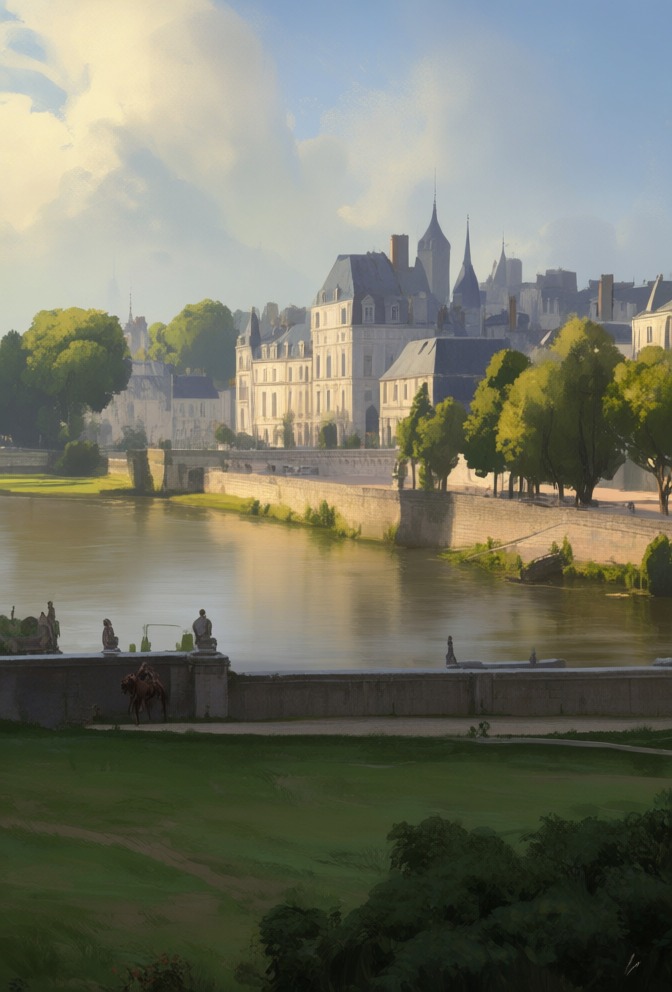
The Loire River is a major river in France that flows through the Loire Valley, the central setting of the novel. It serves as a geographic and symbolic boundary, a site of leisure and memory before the war, and a strategic obstacle during the German occupation. The river's presence marks the transition from peacetime innocence to wartime danger, and its crossing becomes a desperate act of survival.
Belgium is a neighboring country of France that is invaded and occupied by Nazi Germany during World War II, serving as a key example of the expansion of Hitler's war across Europe and a reference point for the characters' understanding of the conflict's scope and the threat to France.
Saint-Jean-de-Luz is a coastal town in the Basque Country of southwestern France that becomes the critical gateway for the Nightingale escape route, the point where Isabelle Rossignol and her Basque guides lead downed Allied airmen across the Pyrenees into Spain. Its proximity to the Spanish border, its rugged mountain hinterland, and the network of local resisters centered on Micheline Babineau's farmhouse make it the indispensable launching point for the most dangerous phase of Isabelle's wartime work.
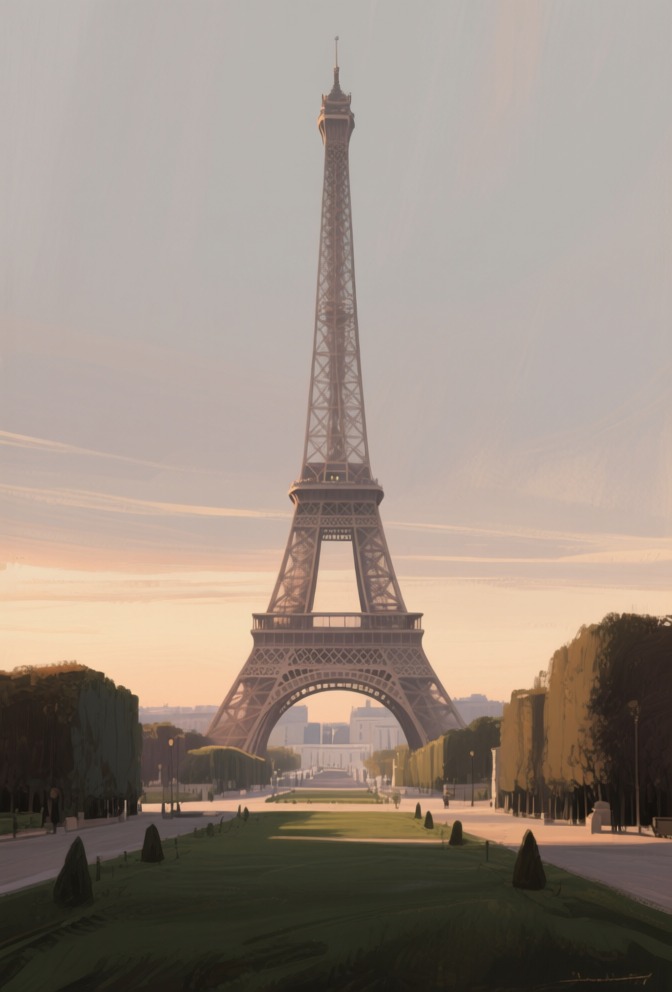
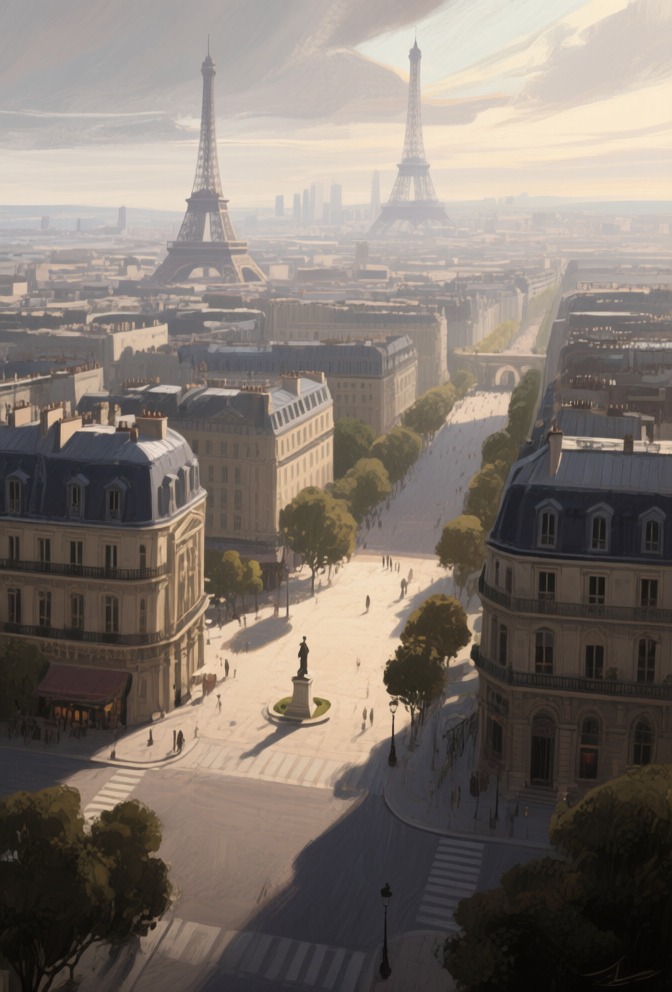
The Eiffel Tower, a global symbol of Paris and French engineering, is transformed during the Nazi occupation from a beloved monument into a central emblem of national defeat, enemy control, and the contested spirit of France. Its image is appropriated by the occupiers, its surroundings become a stage for propaganda and surveillance, and its continued presence serves as a daily, painful reminder of lost sovereignty for characters like Isabelle Rossignol, while also representing the enduring, if wounded, identity of the city itself.
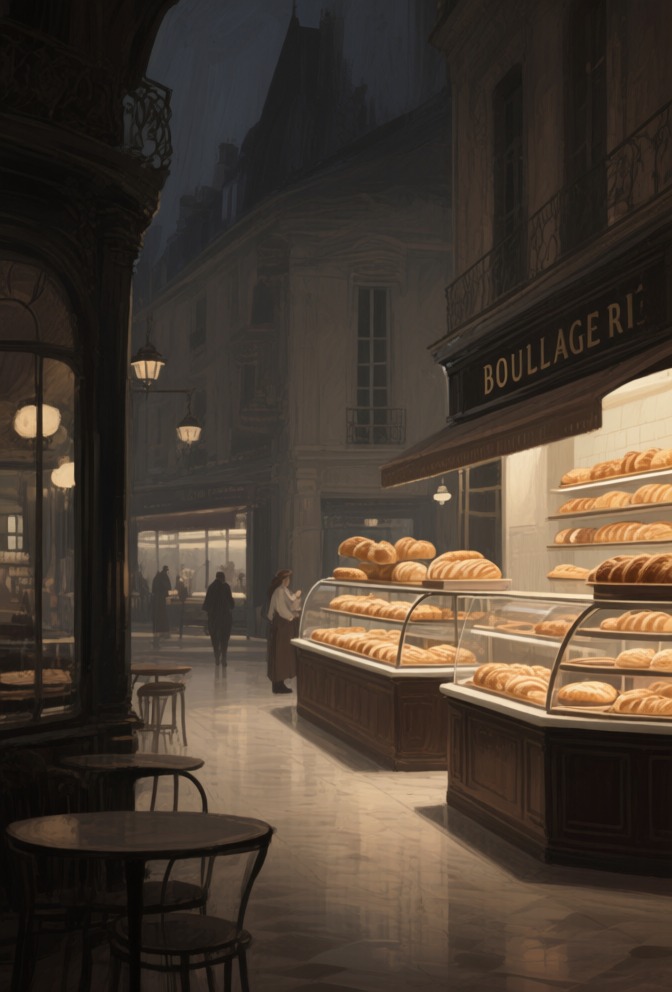
The boulangerie in Carriveau is a central site of daily life under German occupation, where the scarcity of food, the presence of German soldiers, and the moral compromises of survival are made visible. It is where Vianne Mauriac and other women queue for meager rations, where the baker's wife Yvette silently aids Vianne's deception about a hidden Jewish child, and where the community's hunger and fear are most starkly displayed.
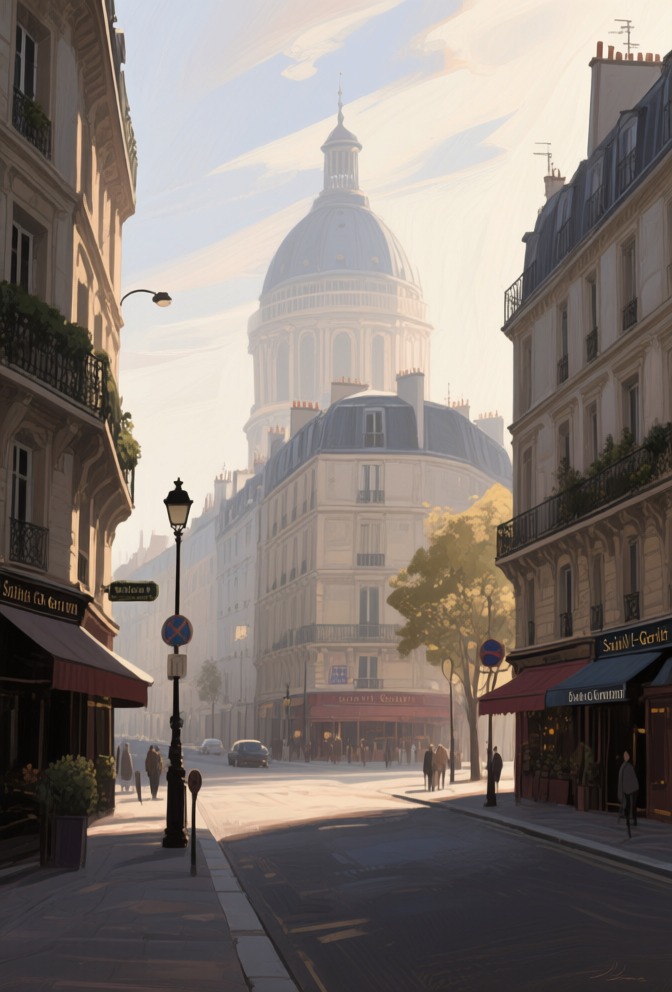
Boulevard Saint-Germain is a major Parisian thoroughfare that, during the German occupation of World War II, becomes a central stage for the intersecting lives of resistance operatives, collaborators, and ordinary Parisians. Its cafés, bookshops, and street corners serve as meeting points for the clandestine network that Isabelle Rossignol joins, while its public spaces are also sites of Nazi surveillance, propaganda, and roundups, making it a charged symbolic landscape where the daily struggle between defiance and submission plays out.
Paris, the capital of France, is a central location in the novel, depicted as a city that falls under Nazi occupation in June 1940 and is transformed into a place of fear, collaboration, and resistance. It is the home of Julien Rossignol and the base from which Isabelle Rossignol launches her work as a courier and later as the leader of the Nightingale escape route, while also serving as the site of the Vel' d'Hiv Roundup and the final reunion for the surviving characters.
The rue de Saint-Simon is a Parisian street that serves as a key operational hub for the French Resistance network in which Isabelle Rossignol operates, most notably as the location of a safe house where she meets her contacts, receives her assignments, and is formally inducted into the escape route that will become the Nightingale line.
The Oregon Coast is the present-day setting of the novel's framing narrative, where the elderly Vianne Mauriac, now living in an assisted living facility, confronts her wartime past after receiving an invitation to a reunion for the Nightingale escape route. This coastal landscape, with its flowering trees and quiet retirement community, stands in stark contrast to the war-torn France of her memories, serving as a physical and emotional distance from the trauma she has carried for fifty years. The Oregon Coast is not merely a backdrop but a symbolic space of exile, reinvention, and the painful reckoning with a hidden history.
Poland is a European country that, during World War II, was invaded and occupied by Nazi Germany, serving as a key example of the expansionist aggression that led to the war and the subsequent suffering of its people under occupation.
The Netherlands is a country invaded by Nazi Germany during World War II, serving in the novel as a key example of the broader European conquest that frames the characters' experiences of occupation, fear, and resistance.
The Pyrenees mountain range forms the central geographical and symbolic axis of the Nightingale escape route, the treacherous barrier that Isabelle Rossignol and her network of passeurs repeatedly crossed to guide downed Allied airmen from occupied France into neutral Spain. More than a physical obstacle, the Pyrenees represent the extreme cost of resistance—freezing cold, exhaustion, injury, and the constant threat of capture—and become the landscape against which Isabelle transforms from an impulsive girl into a legendary figure known as the Nightingale.
Boston is the American city where Ariel de Champlain's relatives live and where he is sent after the war to be raised by his mother's first cousin, a relocation that severs his bond with Vianne Mauriac and her family.
Place de la Bastille is a historic Parisian square that, during the German occupation of World War II, becomes a site of Nazi military presence and a symbol of the city's subjugation, while also serving as a navigational landmark for Isabelle Rossignol as she moves through the occupied city on her resistance missions.
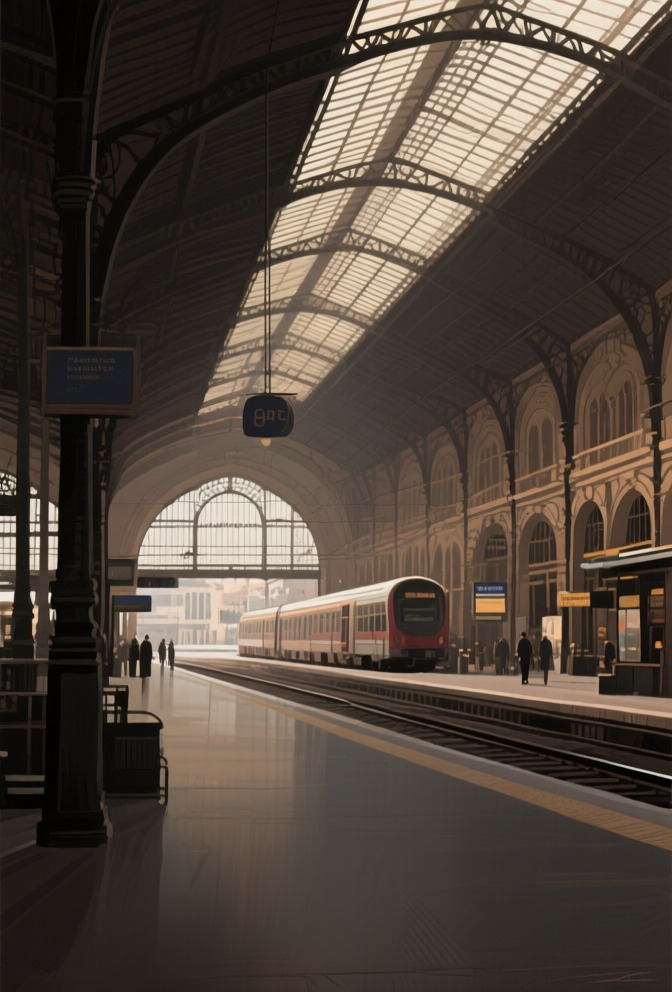
Gare de Lyon is the central Paris railway station where Isabelle Rossignol arrives and departs multiple times during the war, serving as a threshold between the occupied capital and the rest of France. It is the site of her first reunion with her father after her expulsion from finishing school, the point of departure for her exile to Carriveau, and later the arrival point for her clandestine resistance work as the Nightingale. The station embodies the paradox of a familiar space transformed by occupation: the same platforms where she once traveled as a schoolgirl become the stage for her passage into the underground, where German soldiers patrol and the ordinary rhythms of travel are overlaid with the constant threat of document checks and arrest.
Canada appears in The Nightingale as a distant, symbolic homeland for one of the downed Allied airmen whom Isabelle Rossignol guides across the Pyrenees, and as a place of refuge for the orphaned Jewish child Ari de Champlain after the war. Though never visited by the main characters, Canada represents the far-reaching network of the Allied war effort and the postwar diaspora of displaced children.
Pau is a city in southwestern France that serves as a key waypoint on the Nightingale escape route, a network of safe houses and guides used to smuggle downed Allied airmen across the Pyrenees into neutral Spain. In the novel, it is one of the locations where Isabelle Rossignol, operating under the code name the Nightingale, coordinates the movement of evaders, and where a contact named Eliane is prepared to shelter airmen if the primary plan fails.
Oradour-sur-Glane is a small village in the Limousin region of France that, in June 1944, became the site of one of the most notorious Nazi massacres on French soil, when the SS murdered 642 men, women, and children and razed the town to the ground. In the novel, the atrocity is reported as a rumor that reaches Carriveau, serving as a terrifying benchmark of Nazi brutality and a catalyst for Vianne Mauriac's deepening commitment to resistance.
Vehicle confiscation was a key Nazi occupation policy in Carriveau, announced by Sturmbannführer Weldt at the town hall meeting on the day of the German takeover. The order required all operational vehicles to be impounded immediately, enforced by the threat of execution for any act of sabotage or resistance. This rule stripped the French population of mobility and resources, deepening their dependence on the occupiers and symbolizing the loss of autonomy.
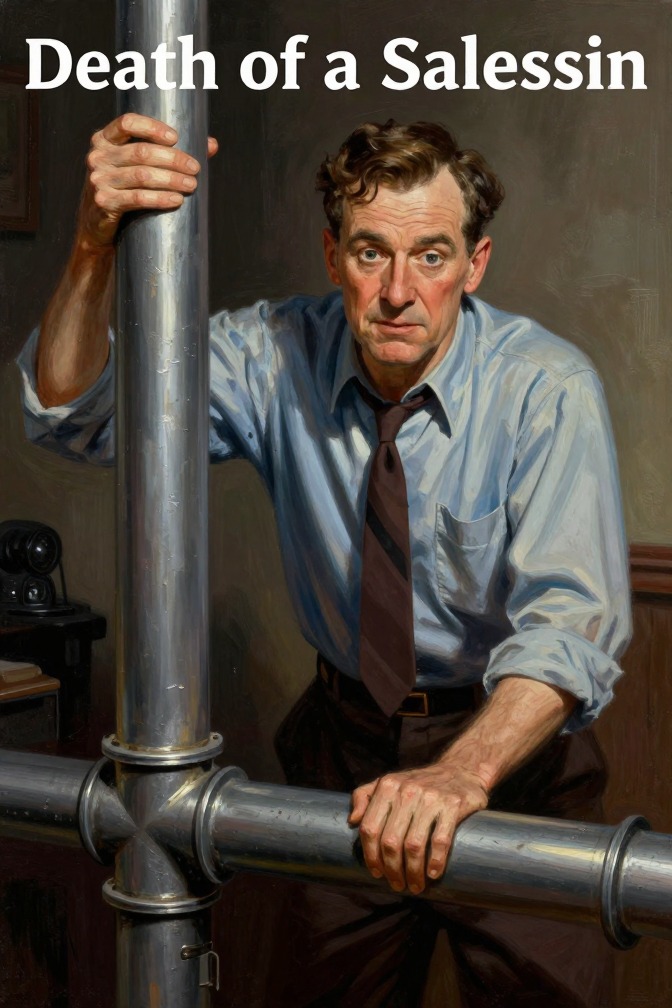
Willy Loman's suicide attempt via the gas pipe is a central, recurring action in Arthur Miller's Death of a Salesman, revealing the depth of his despair and the family's complicity in his self-destruction. Linda Loman discovers the rubber hose attached to the water heater, and her secret, daily management of this evidence—removing it when Willy is home and replacing it when he leaves—becomes a haunting ritual that underscores the play's tension between love, denial, and the unbearable weight of a failed dream.