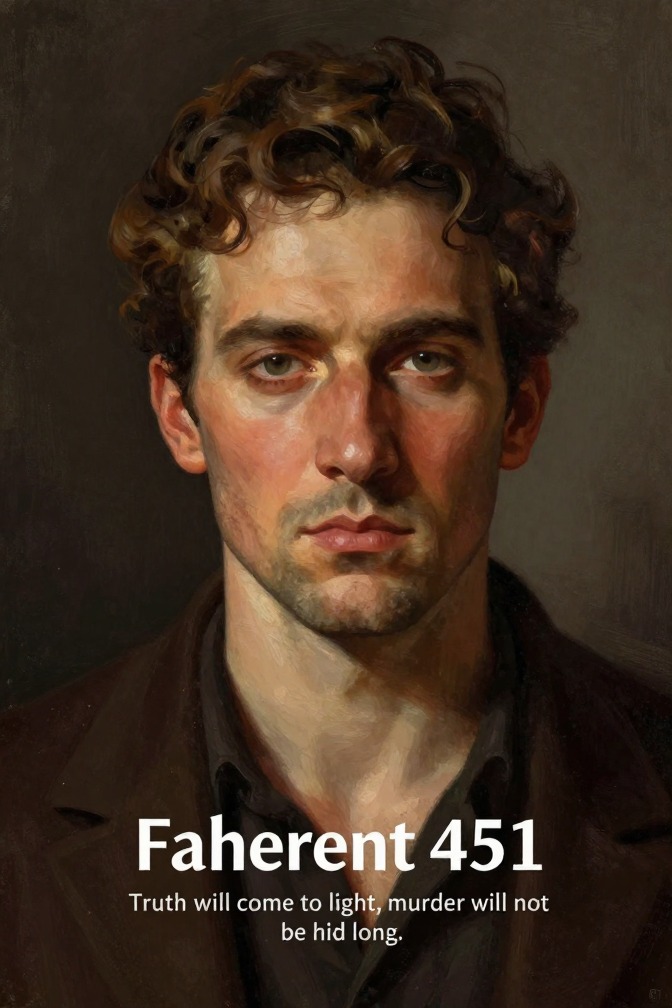
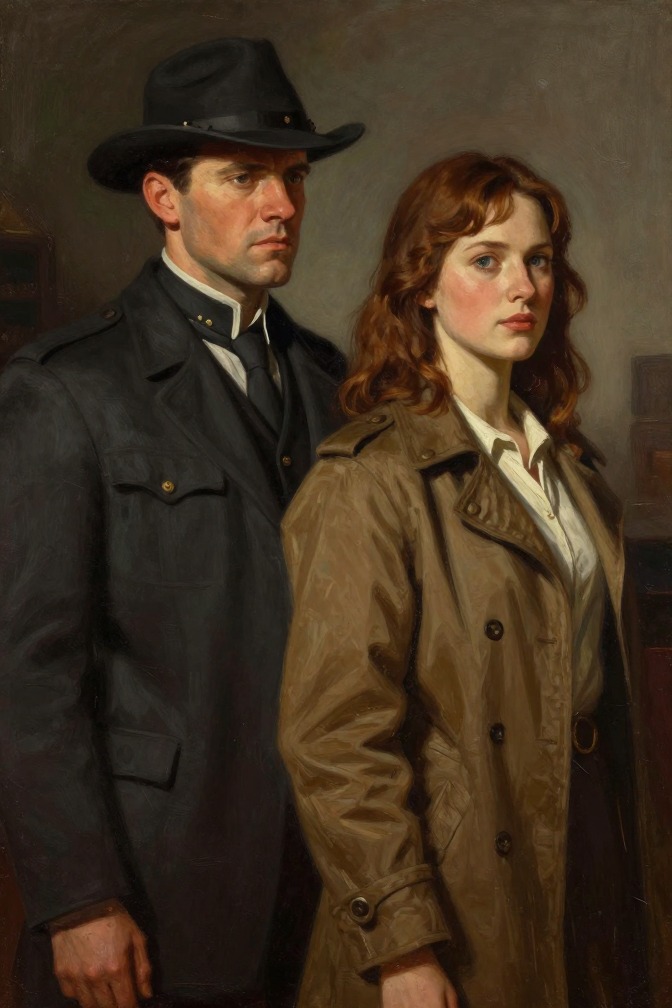
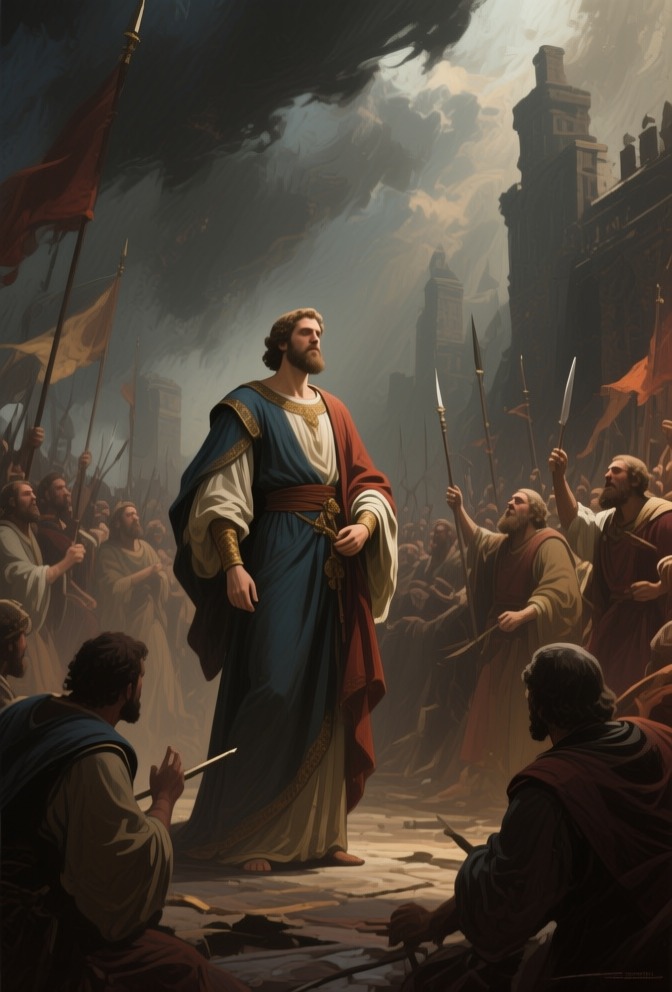
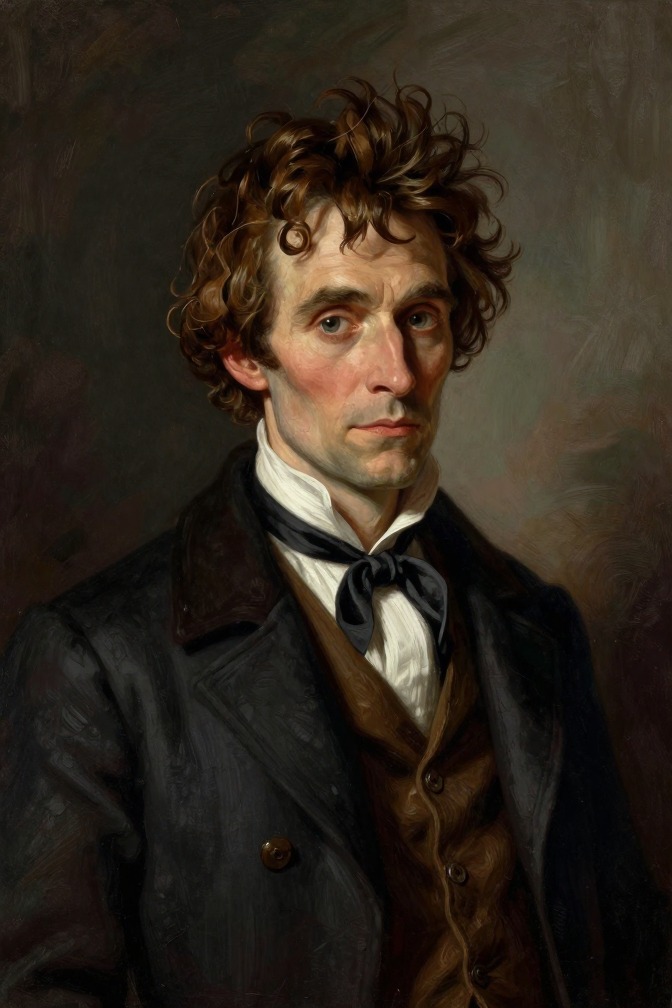
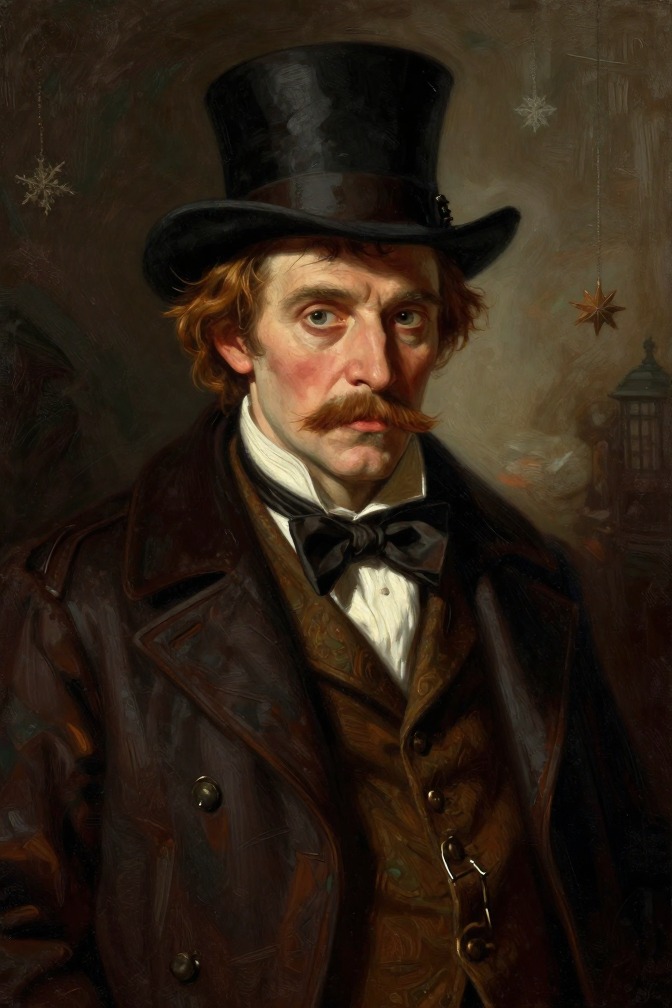
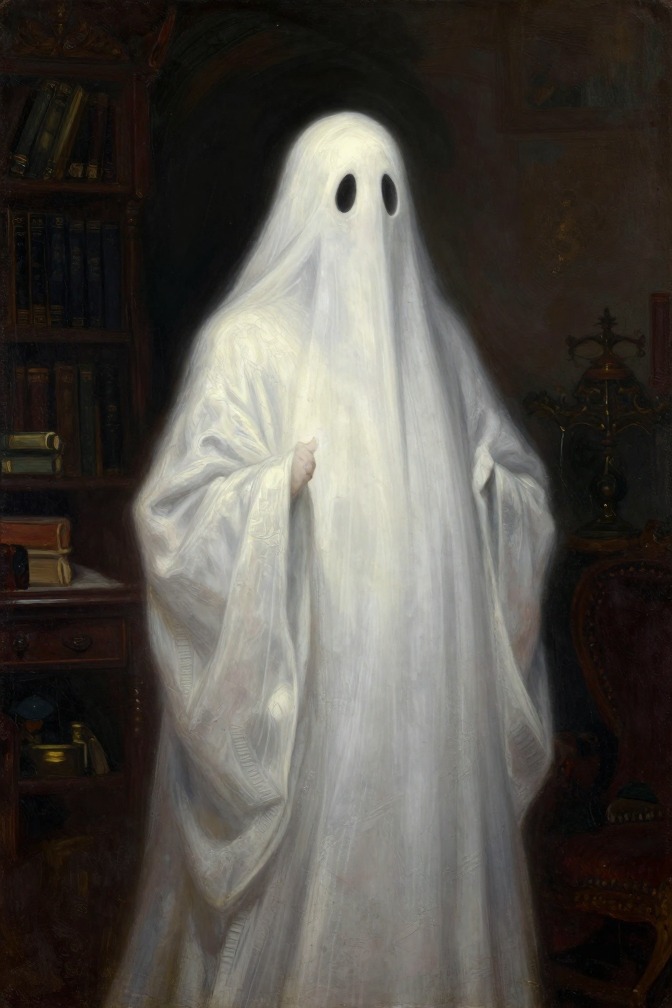
The proverb "Truth will come to light, murder will not be hid long" is a key quotation deployed by Captain Beatty in his psychological duel with Guy Montag, serving as a weapon of intellectual intimidation rather than a statement of moral conviction. Its appearance crystallizes the novel's central conflict between the oppressive regime's cynical manipulation of knowledge and the protagonist's desperate search for authentic meaning.
The Flamethrower is the primary tool of the Firemen in Fahrenheit 451, used to burn books and houses. It transforms from a symbol of professional pride and destructive pleasure into an instrument of personal rebellion and murder, marking the climax of Guy Montag's transformation.
The marriage of Guy Montag and Mildred Montag is a central relationship in Fahrenheit 451, embodying the emotional emptiness and societal dysfunction of their world. Their union is characterized by profound disconnection, a lack of genuine communication, and the absence of love or shared meaning, serving as a personal catalyst for Montag's rebellion against a repressive society.
The Book Prohibition Law is the foundational legal and social mechanism in the dystopian world of Fahrenheit 451, which criminalizes the possession and reading of books and mandates their destruction by firemen. This law is not an act of top-down censorship but the culmination of a society-wide pursuit of happiness through the elimination of intellectual complexity, enforced by a specialized fire department that burns books and, when necessary, their owners.
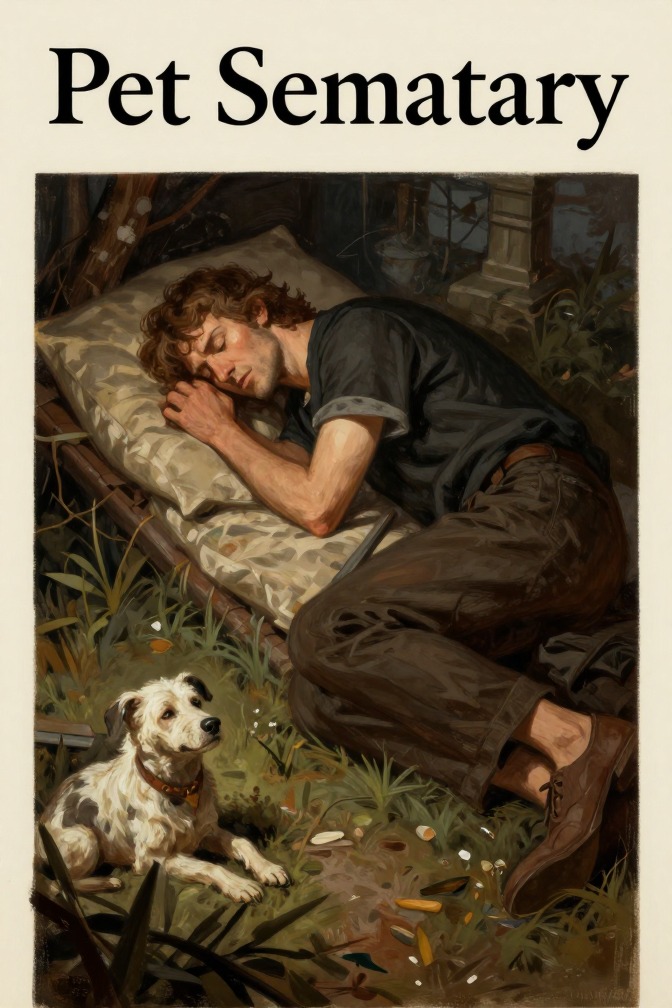
Louis Creed's sleepwalking to the Pet Sematary is the pivotal supernatural event that transforms a nightmare into an undeniable physical reality, shattering his rational worldview and binding him to the forbidden power of the Micmac burying ground.
Massachusetts appears in *Pet Sematary* as a place of origin for tourists who, according to Jud Crandall, are uniquely targeted by moose in the Maine woods, and as the home state of the fictional town of Haven, from which the driver Tremont Withers comes. The state is also the source of the author's own cultural reference point for the region's folklore and landscape.
The Crandalls' kitchen is the domestic heart of Jud and Norma Crandall's home in Ludlow, Maine, and the site of several of the novel's most pivotal and emotionally charged scenes, including Norma's heart attack, Jud's confession about the Micmac burying ground, and the final confrontation with the resurrected Gage.
Gage Creed's headstone, a simple marker bearing his name and dates, stands as the final, inadequate monument to a life cut short, a focal point for his father's grief and the site of his desperate, forbidden act of resurrection.
Ylajali is a mysterious young woman who becomes the object of the narrator's obsessive fascination and romantic longing in Knut Hamsun's *Hunger*. She first appears as a stranger on the street, and their brief, intense encounters—marked by the narrator's poverty, hunger, and delirium—transform her into a symbol of unattainable beauty, desire, and the possibility of salvation, while also exposing the depths of his degradation.
Christiania, the Norwegian capital where the novel is set, is not merely a backdrop but an active, oppressive force that shapes the protagonist's psychological and physical deterioration. The city's streets, parks, and institutions become a labyrinth of humiliation and despair, mirroring his internal chaos and relentless hunger.
Hans Pauli's Blanket is a borrowed object that becomes a central symbol of the narrator's moral struggle and physical survival in Knut Hamsun's *Hunger*. Loaned by the student Hans Pauli Pettersen, the blanket is the narrator's only source of warmth in his barren attic and later in a tinker's workshop, and its repeated near-pawning and eventual preservation mark the narrator's wavering commitment to honor amid extreme poverty.
The execution of Eduard Delacroix on the night of October 25, 1932, was a catastrophic failure caused by Percy Wetmore's deliberate sabotage of the electric chair's brine-soaked sponge, resulting in the condemned man being slowly burned alive in front of horrified witnesses.
Arthur Flanders, nicknamed "The President" or "The Pres" by the E Block guards, is a condemned prisoner on the Green Mile at Cold Mountain Penitentiary in 1932. A former regional head of Mid-South Realty Associates, he was convicted of murdering his half-senile father by pushing him out a third-story window to collect on a double-indemnity life insurance policy. His brief stay on death row is marked by his natty demeanor, his eventual commutation to life in prison, and his violent death twelve years later in the prison laundry, a fate that underscores the novel's themes of delayed but inescapable justice.
Brother Schuster is the Baptist minister who provides spiritual comfort to condemned prisoners on E Block at Cold Mountain Penitentiary, most notably officiating at the executions of Arlen Bitterbuck and Eduard Delacroix. His calm, efficient manner and willingness to accommodate the prisoners' specific religious needs—including praying in Cajun French—make him a trusted figure in the death house, though his role is ultimately that of a gentle facilitator for men about to die.
Cora Detterick, one of the nine-year-old twin daughters of Klaus and Marjorie Detterick, was raped and murdered by William Wharton in June 1932, a crime for which John Coffey was wrongfully convicted and executed.
Homer Cribus is the corrupt, incompetent, and hypocritical Sheriff of Trapingus County who oversaw the arrest and prosecution of John Coffey for the murder of the Detterick twins, embodying the systemic failures of Southern justice during the Great Depression.
Old Toot-Toot is a long-serving trusty at Cold Mountain Penitentiary who operates a snack cart covered with hand-lettered Bible verses, selling sandwiches, pops, and novelties to guards and prisoners. He serves as the traditional stand-in for condemned men during execution rehearsals, a role he performs with macabre relish, and his presence on E Block spans decades, making him a familiar, morally ambiguous fixture of prison life.
Percy Wetmore is the cruel, cowardly, and politically connected guard on E Block whose sadism and incompetence drive the worst catastrophes of the novel, including the botched execution of Eduard Delacroix and the murder of William Wharton.
Sam Hollis is a member of the posse that tracks John Coffey after the abduction and murder of the Detterick twins. He is the largest man among the searchers, and Deputy Rob McGee specifically orders him to stay close to Klaus Detterick, the girls' father, to physically restrain him if necessary. When Detterick breaks from the group and attacks Coffey, Hollis attempts to hold him back but fails, as Detterick shrugs off his grasp and launches a flying kick at Coffey's head. Hollis's role in the narrative underscores the raw, barely contained fury of the grieving father and the physical inadequacy of even the strongest ordinary men against the force of that grief.
The first appearance of the mouse on E Block, later named Mr. Jingles, occurs one summer night in 1932 when the small brown rodent walks up the Green Mile as if conducting a guard's inspection, showing no fear of the men and immediately becoming a source of wonder and dark premonition for the guards.
Percy Wetmore, driven insane by John Coffey's transfer of Melinda Moores's brain tumor into him, draws his revolver and empties all six shots into the sleeping William Wharton, killing him instantly. The shooting occurs moments after Percy is released from the restraint room, where he had been confined by Paul Edgecombe and the other guards during their secret night journey to bring John Coffey to heal the warden's wife. The event marks the final, catastrophic unraveling of Percy's mind and the violent end of Wharton's life, a death that ironically prevents any further investigation into Wharton's true guilt for the murders of the Detterick twins.
Briar Ridge is a state-run mental hospital in the novel, presented as the destination for Percy Wetmore's transfer after his role in the botched execution of Eduard Delacroix. It functions as a symbol of institutional escape for the prison staff, who hope to be rid of Percy's dangerous incompetence, and ultimately becomes the place where Percy, rendered catatonic by John Coffey's supernatural transfer of Melinda Moores's brain tumor, is confined for the rest of his life.
Bob Cratchit is the underpaid, devoted clerk of Ebenezer Scrooge and the warm-hearted father of Tiny Tim, whose family's humble Christmas celebration becomes the moral center of the story and a catalyst for Scrooge's redemption.
Ebenezer Scrooge is the miserly protagonist of Charles Dickens's *A Christmas Carol*, whose supernatural journey from cold-hearted isolation to joyful generosity defines the story's moral arc and has made him one of the most iconic figures in English literature.
The Ghost of Christmas Present is the second of the three spirits who visit Ebenezer Scrooge on Christmas Eve, a jolly giant who embodies the festive spirit of generosity, abundance, and human connection, and who reveals to Scrooge the joys and sorrows of the present Christmas, including the Cratchit family's humble celebration and the dire social ills of Ignorance and Want.
Jacob Marley is the deceased business partner of Ebenezer Scrooge, whose ghostly visitation on Christmas Eve sets in motion Scrooge's moral transformation. Marley appears bound by a heavy chain forged from his own avaricious life, warning Scrooge of a similar fate and announcing the coming of three spirits. His role is both a catalyst for the plot and a symbolic embodiment of the consequences of a life devoted solely to money.
Old Joe is a grey-haired, nearly seventy-year-old fence who operates a squalid shop in the most wretched quarter of the city, buying stolen goods from those who plunder the corpse of Ebenezer Scrooge in the vision shown by the Ghost of Christmas Yet to Come. His casual, even jocular, transaction with the laundress, the charwoman, and the undertaker's man—who strip the dead man's bed, clothing, and personal effects—embodies the complete absence of grief or respect that awaits a life lived in isolation and avarice, and his scene provides the most chilling evidence of the future Scrooge must avoid.
Fred's house is the warm, welcoming home of Scrooge's nephew and his wife, serving as the story's primary domestic counterpoint to Scrooge's cold, solitary chambers and the site of the nephew's annual Christmas party, where Scrooge's redemption is ultimately completed by his joyful, unannounced arrival.
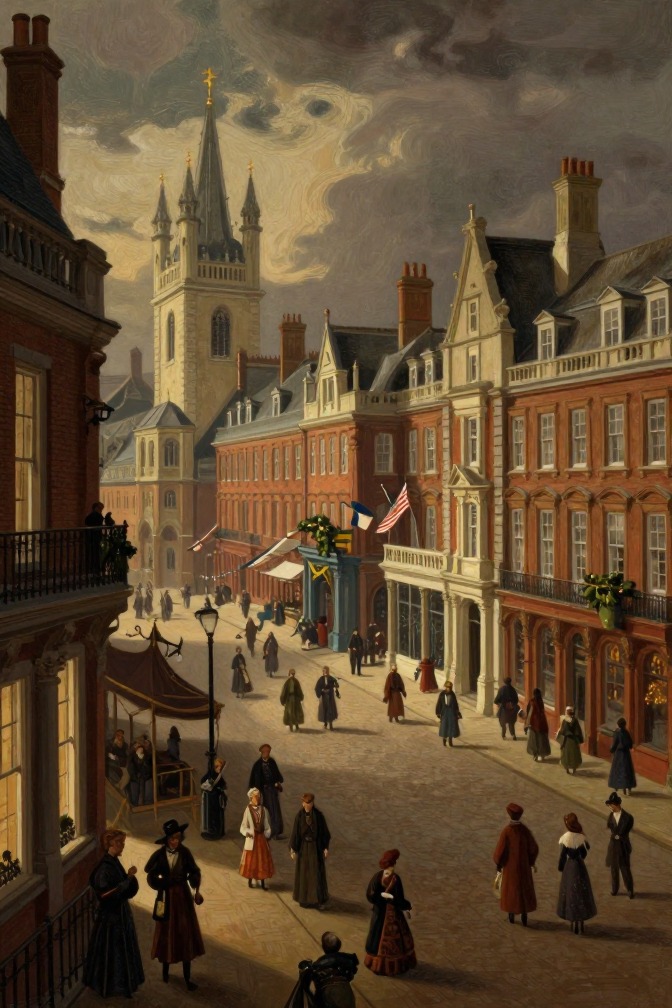
The City of London in Charles Dickens's *A Christmas Carol* is not merely a geographical setting but a moral and symbolic landscape that embodies the social divisions, economic structures, and spiritual possibilities of Victorian society. It is the stage upon which Scrooge's isolation, his encounters with the spirits, and his ultimate redemption unfold, its foggy streets, counting-houses, and domestic interiors reflecting the inner state of its inhabitants.
Admiral Croft is a retired naval officer who, with his wife Sophia, becomes the tenant of Kellynch Hall, embodying the warmth, practicality, and domestic happiness that contrast sharply with the vanity and financial mismanagement of Sir Walter Elliot.