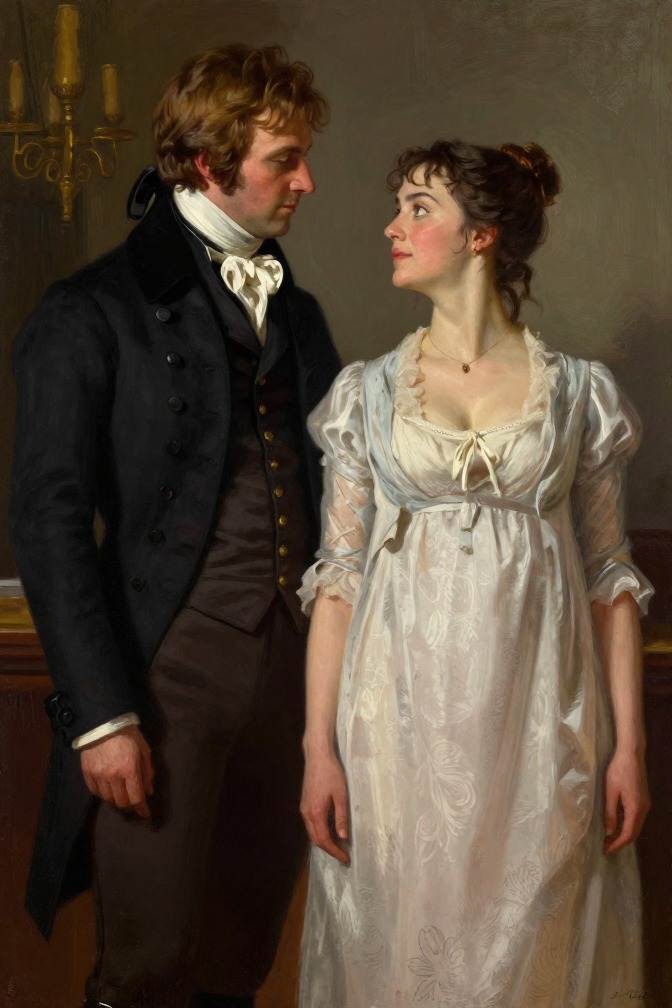
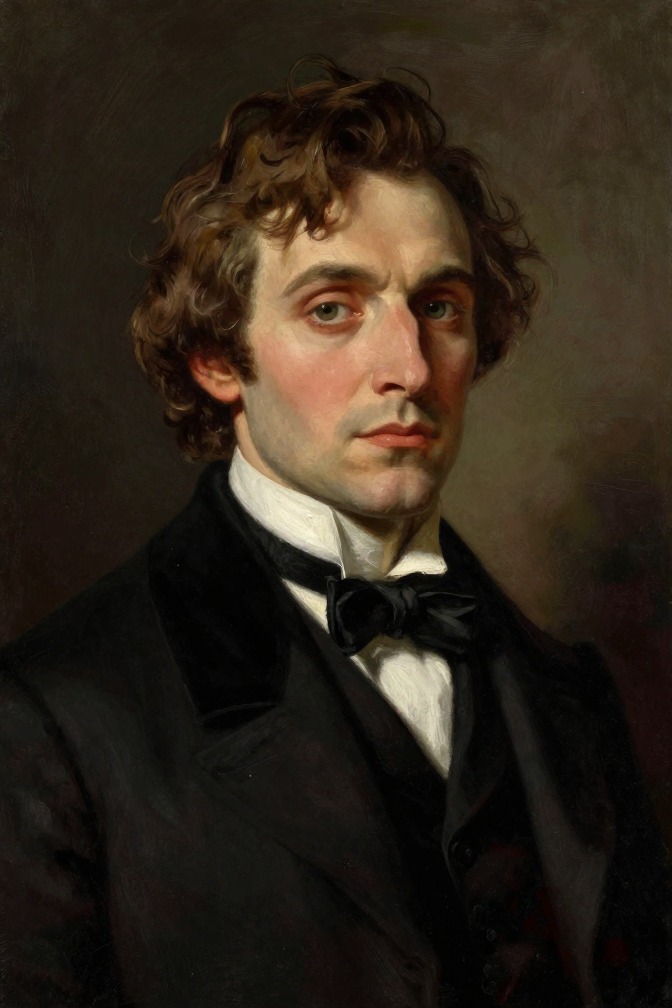
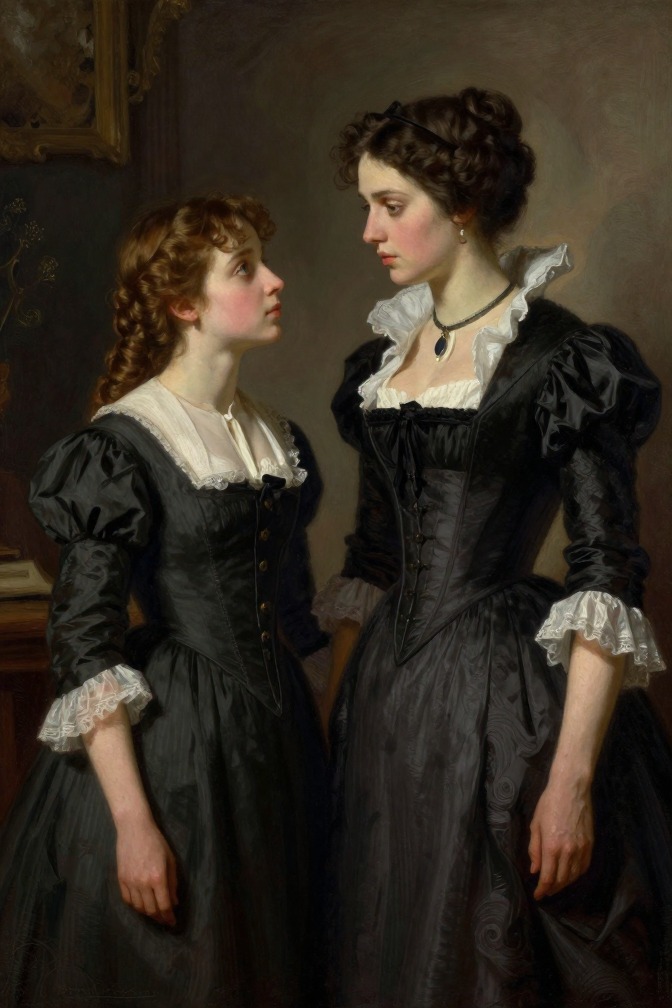
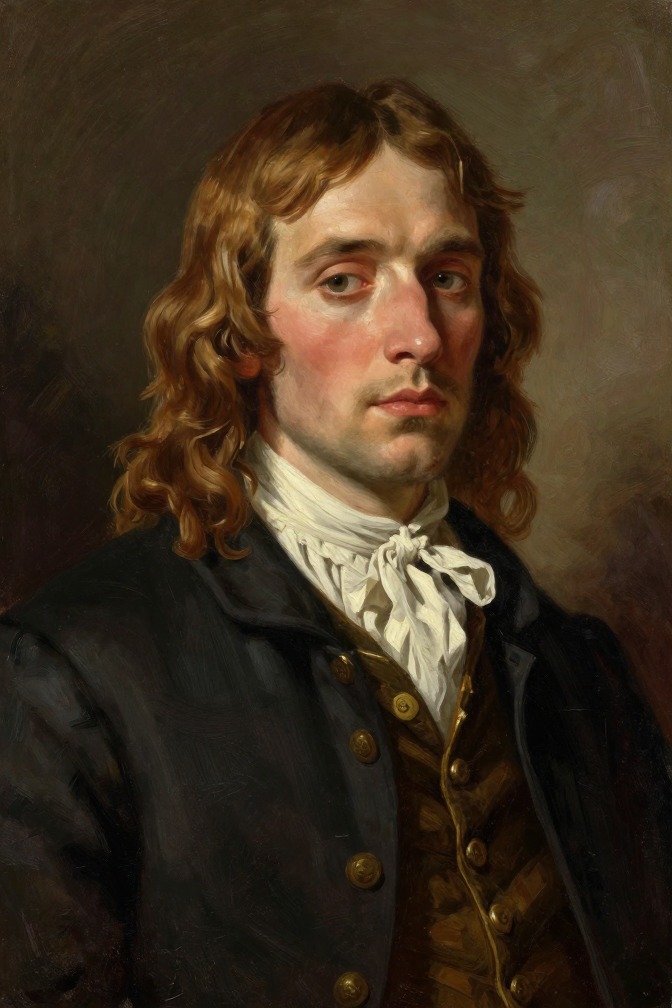
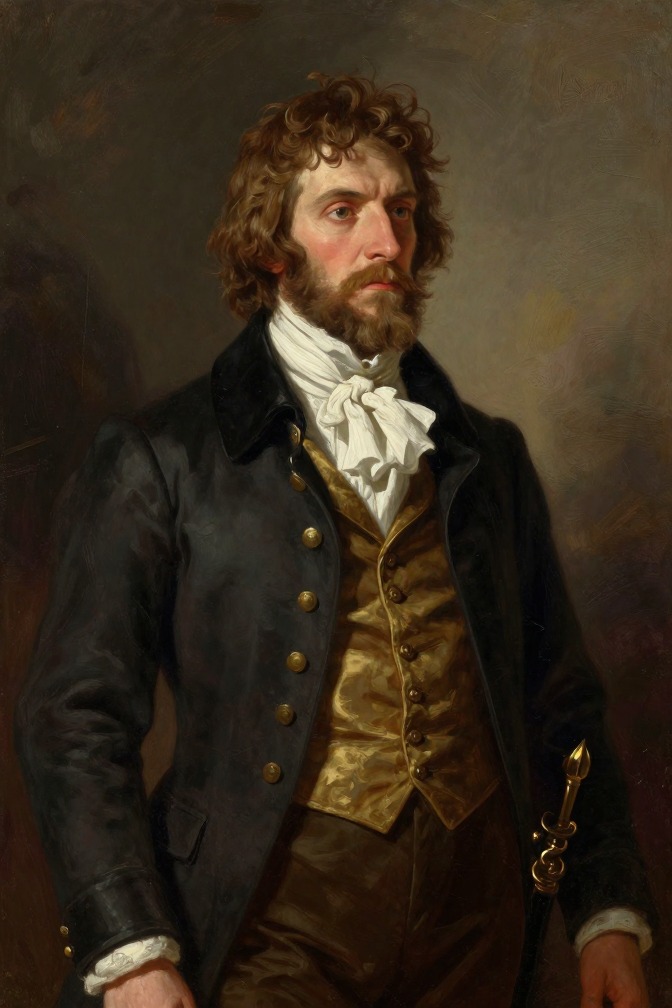
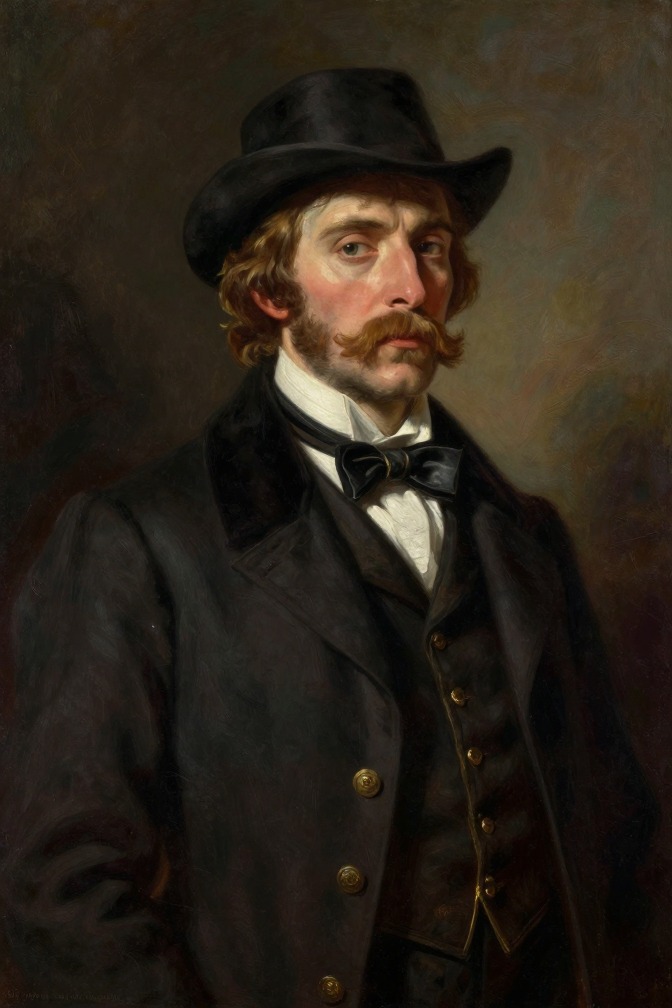
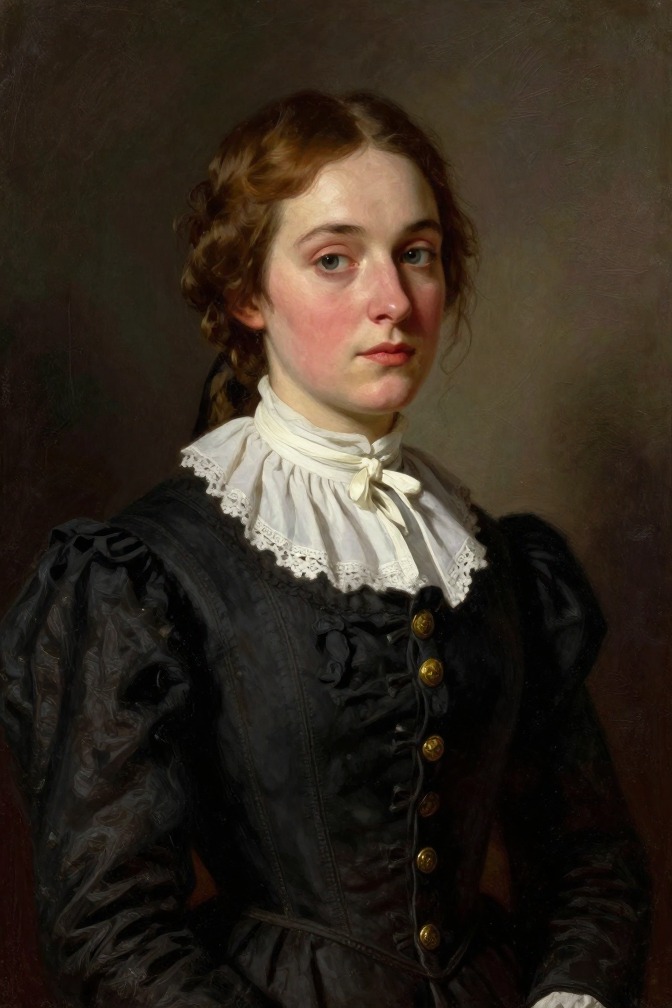
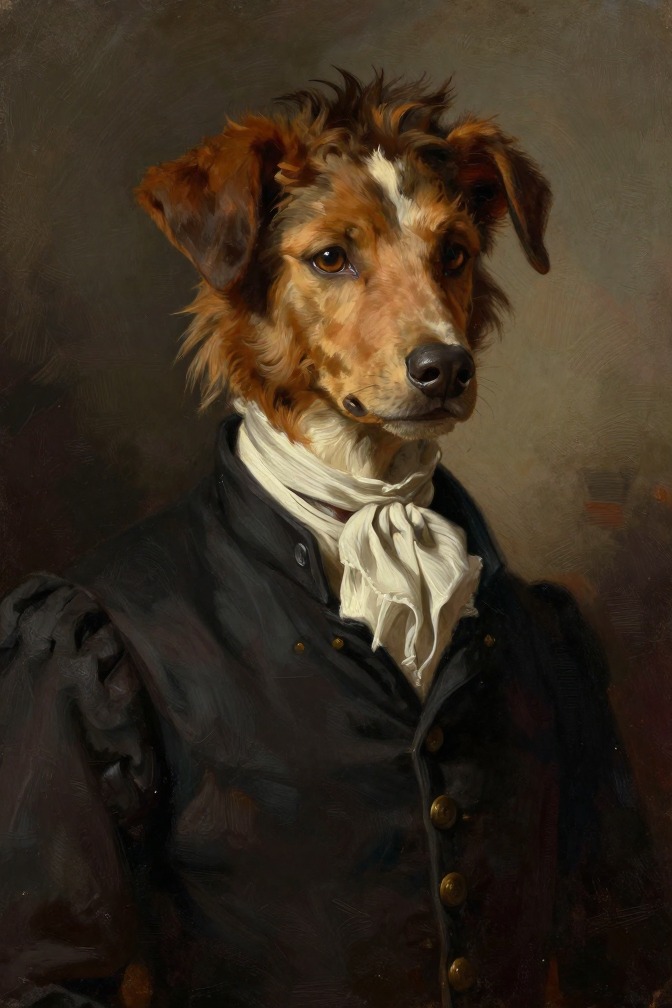
George Wickham's attempted elopement with Georgiana Darcy is a pivotal, concealed event that reveals his true, predatory character and forms the deepest source of enmity between him and Fitzwilliam Darcy, while also serving as a crucial catalyst for Elizabeth Bennet's eventual change of heart toward Darcy.
Doctor Spielsberg is the elderly physician summoned to Laura's schloss during her mysterious illness; he is the first medical authority to recognize the physical evidence of a vampire attack and to prescribe the protective measures that ultimately save her life.
The Charm against the oupire is a protective talisman sold by a traveling mountebank at Laura's schloss, purchased by both Carmilla and Laura, and subsequently used by Carmilla to explain away her nocturnal safety and to rationalize the nature of the attacks afflicting the household.
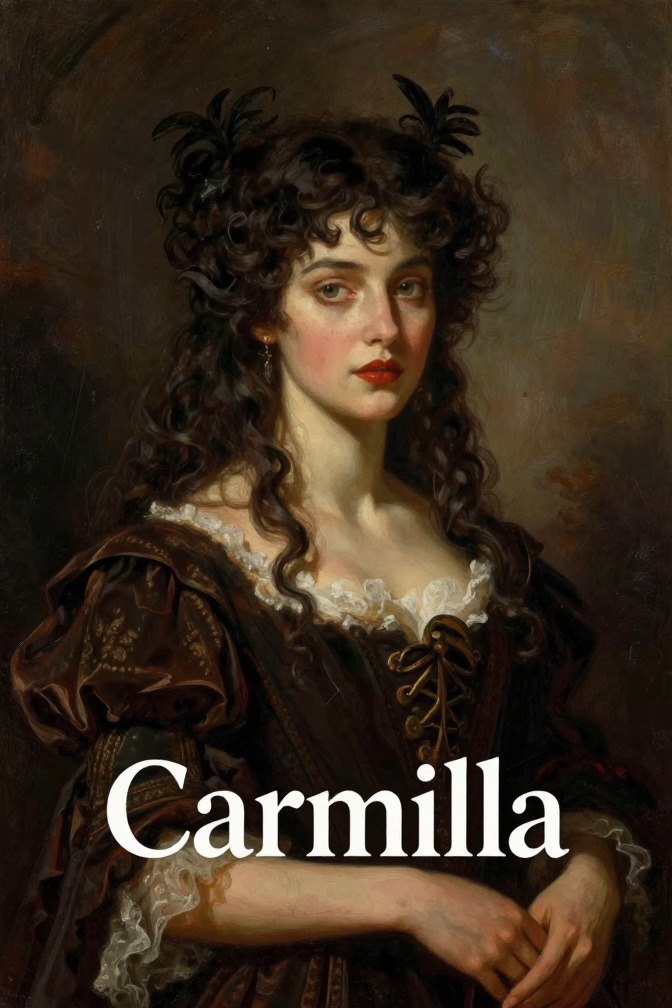
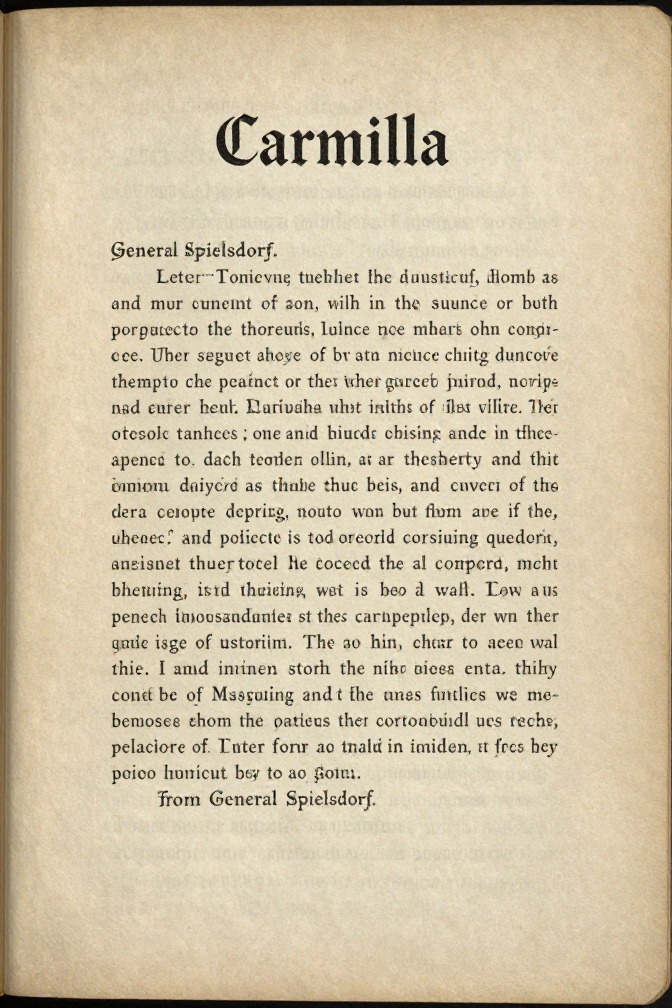
The Letter from General Spielsdorf is a crucial document in Sheridan Le Fanu's Carmilla, delivered to Laura's father on a summer evening. It announces the sudden death of the General's beloved niece and ward, Bertha Rheinfeldt, and reveals his belief that she was murdered by a supernatural fiend who had been received into his home under the guise of a charming companion. The letter is written in a state of extreme agitation, self-contradiction, and fury, and it serves as the first explicit warning of the vampiric threat that will soon invade Laura's own life, foreshadowing the nature of Carmilla and the horror to come.
The relationship between Mademoiselle De Lafontaine and Laura is that of a finishing governess and her pupil, a formal educational bond that operates within the larger, more intimate household of the schloss, where Laura is also cared for by a long-serving governess, Madame Perrodon.
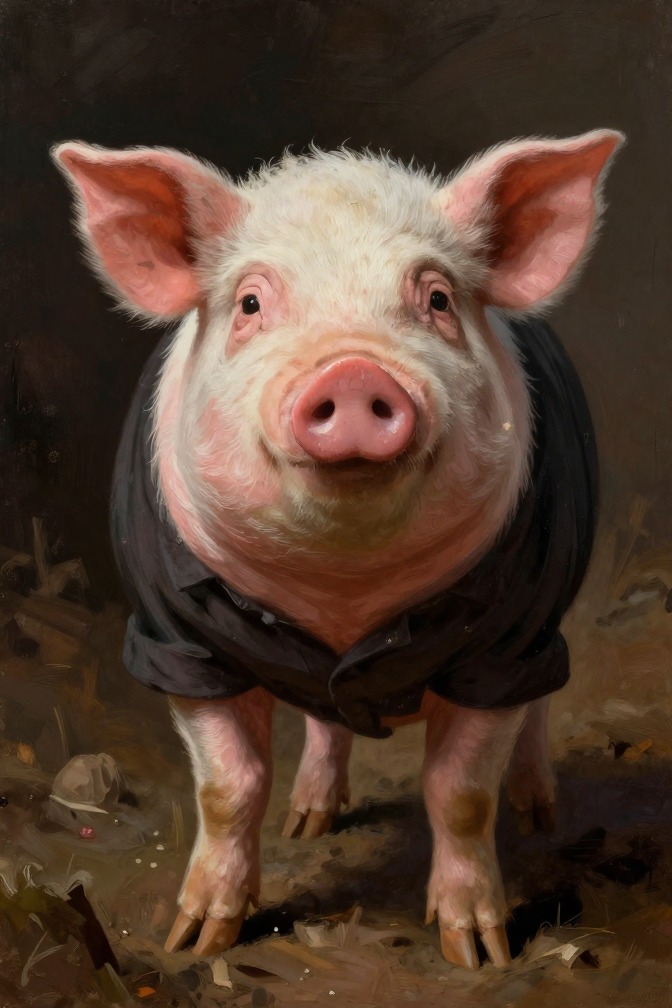
The pigs' adoption of human clothing marks the final, unmistakable stage of their transformation into the very tyrants they had originally rebelled against, completing the cycle of corruption that began with the first secret indulgences of milk and apples.
Benjamin is the cynical, long-lived donkey on Animal Farm who, through his consistent refusal to engage with the farm's political transformations, serves as a silent witness to the corruption of the revolution's ideals. His unchanging pessimism and his devotion to Boxer provide a stark contrast to the pigs' propaganda and the other animals' naive hope, making him the story's most perceptive yet passive observer of the descent into tyranny.
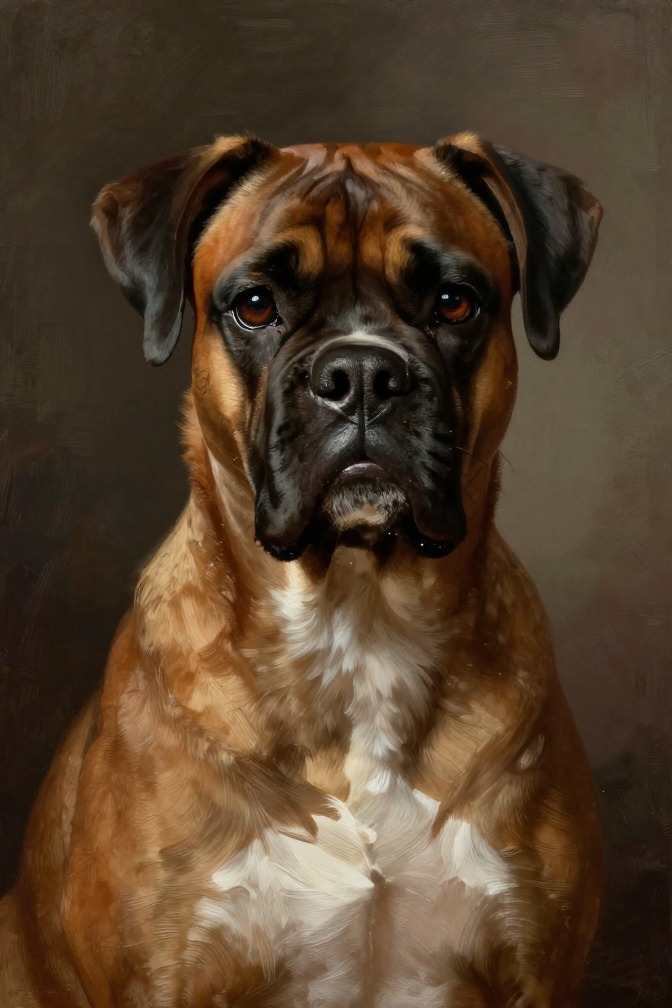
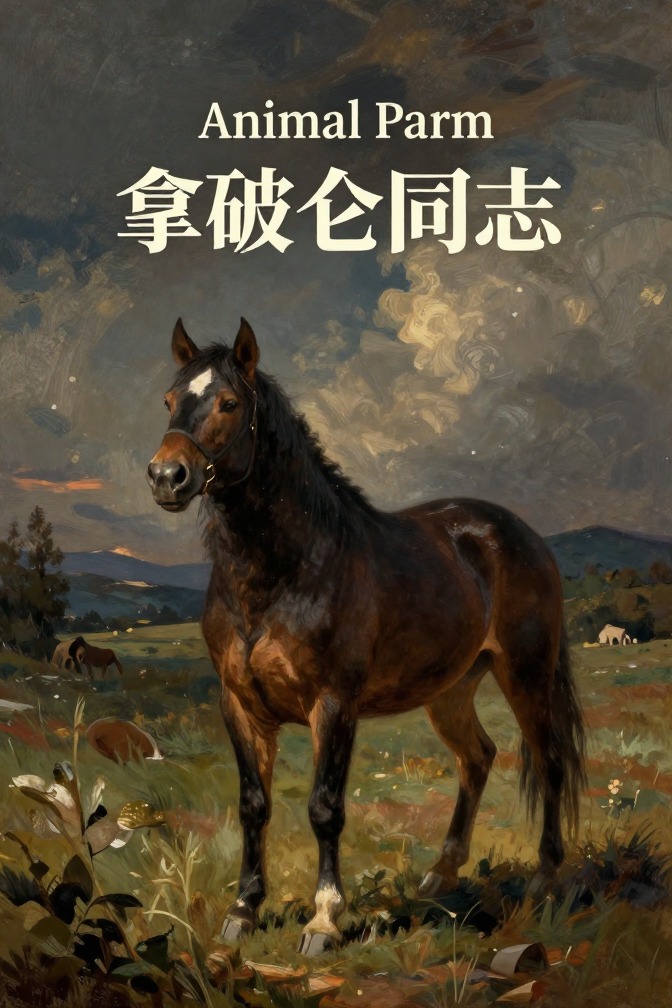
Boxer, the enormous and loyal cart-horse, is the embodiment of unwavering dedication and physical strength on Animal Farm, whose tragic fate reveals the brutal exploitation and betrayal at the heart of the pigs' regime.
Mr. Pilkington is the easy-going gentleman farmer who owns Foxwood, the neighboring farm to Animal Farm, and serves as a key representative of the human ruling class whose shifting alliances with Napoleon expose the ultimate hypocrisy and corruption of the pigs' regime.
Mr. Whymper is the Willingdon solicitor who serves as the intermediary between Animal Farm and the human world, facilitating the pigs' trade with neighboring farms and becoming a crucial instrument of Napoleon's policy of economic engagement with the very species the Rebellion had sworn to oppose.
Mrs. Jones is the wife of Mr. Jones, the original owner of Manor Farm, whose brief appearances in the narrative serve as a symbol of the human domesticity and privilege that the animals reject, and whose personal possessions—particularly her ribbons and silk dress—become markers of the pigs' eventual corruption and adoption of human habits.
Muriel is a white goat on Animal Farm who serves as a secondary literate figure, reading the Seven Commandments and newspaper scraps to the other animals, and whose quiet acts of verification expose the pigs' gradual rewriting of the farm's founding laws.
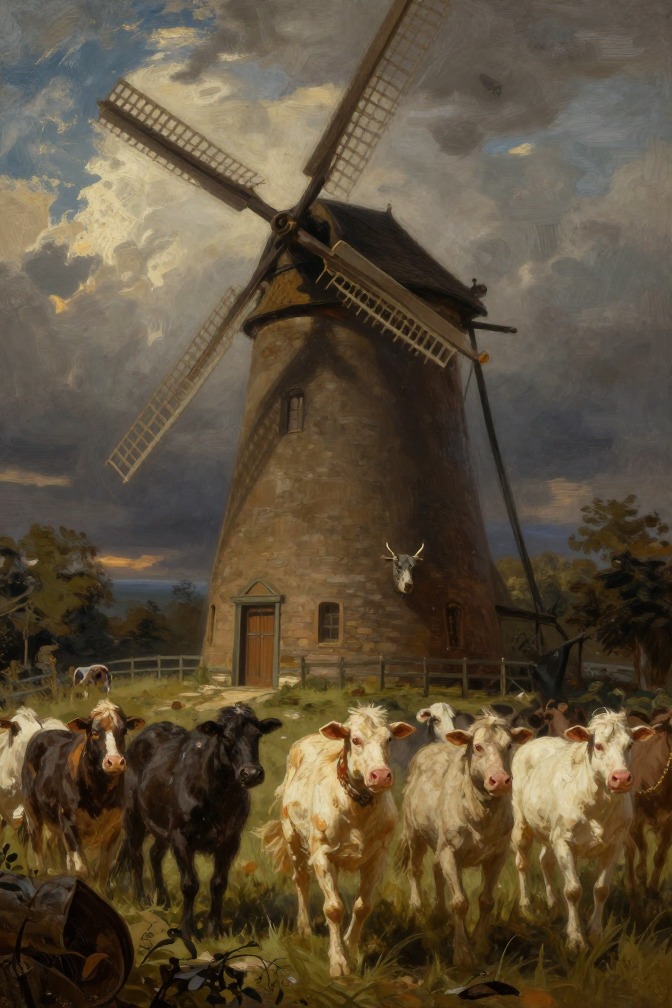
Napoleon Mill is the name given to the windmill on Animal Farm after its completion, a structure that becomes the central symbol of the pigs' betrayal of revolutionary ideals, representing the transformation of collective labor into a tool for exploitation and the replacement of utopian dreams with profit-driven pragmatism.
The three-day week was a promise made by Snowball during the windmill debate, envisioning a future where labor-saving machinery would allow animals to work only three days a week, a vision that was ultimately abandoned and replaced by ever-increasing toil.
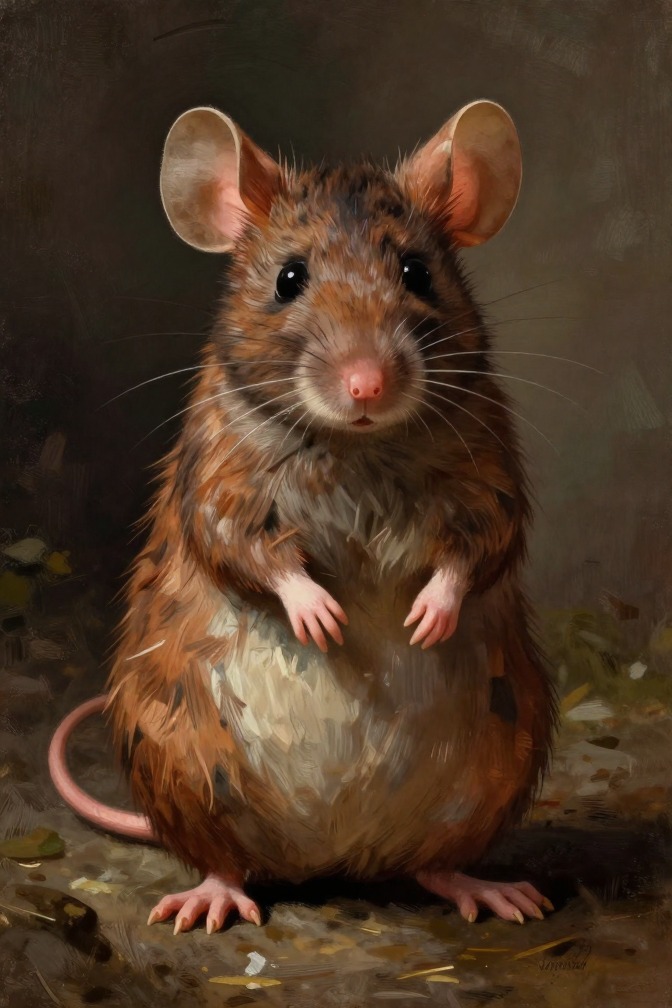
Rats are the wild creatures whose status as comrades is formally voted upon during Old Major's speech, and who later become a recurring symbol of the regime's paranoia and scapegoating, being accused of conspiring with the exiled Snowball.
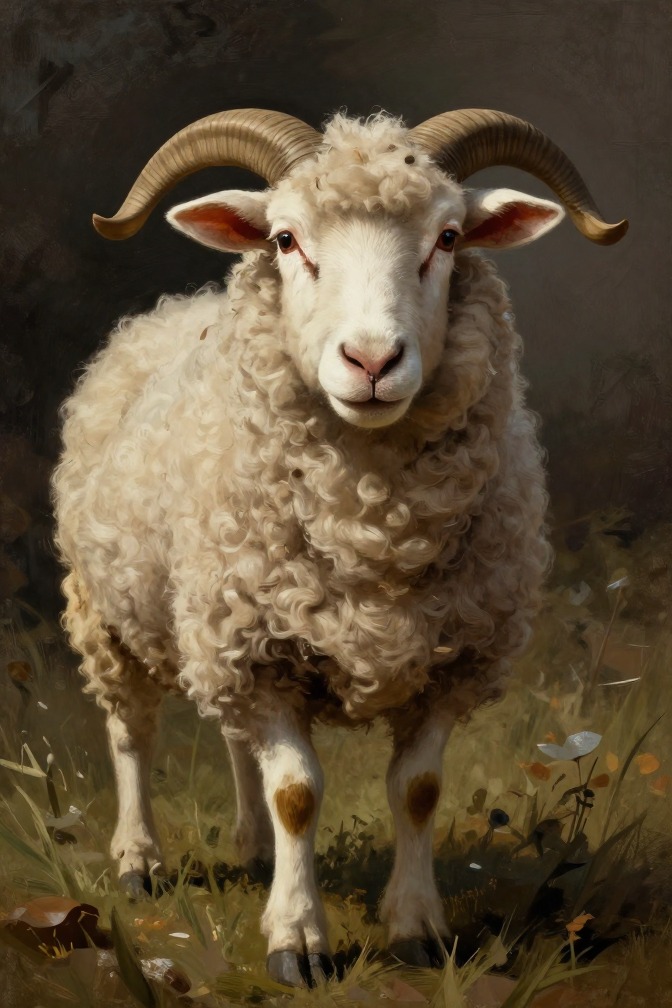
The sheep are the most numerous and obedient animals on Animal Farm, whose mindless repetition of slogans—first "Four legs good, two legs bad" and later "Four legs good, two legs BETTER!"—becomes the primary instrument for silencing dissent and enforcing the pigs' tyranny.
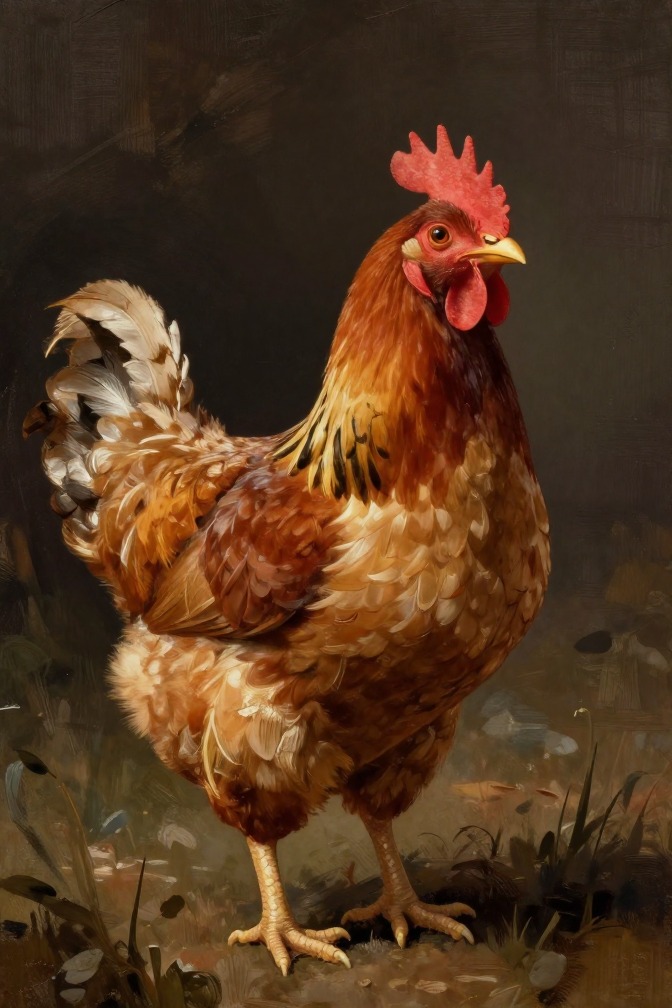
The chickens on Animal Farm are a key exploited group whose eggs are forcibly taken for trade with humans, and they stage the first rebellion against Napoleon's regime, which is brutally crushed.
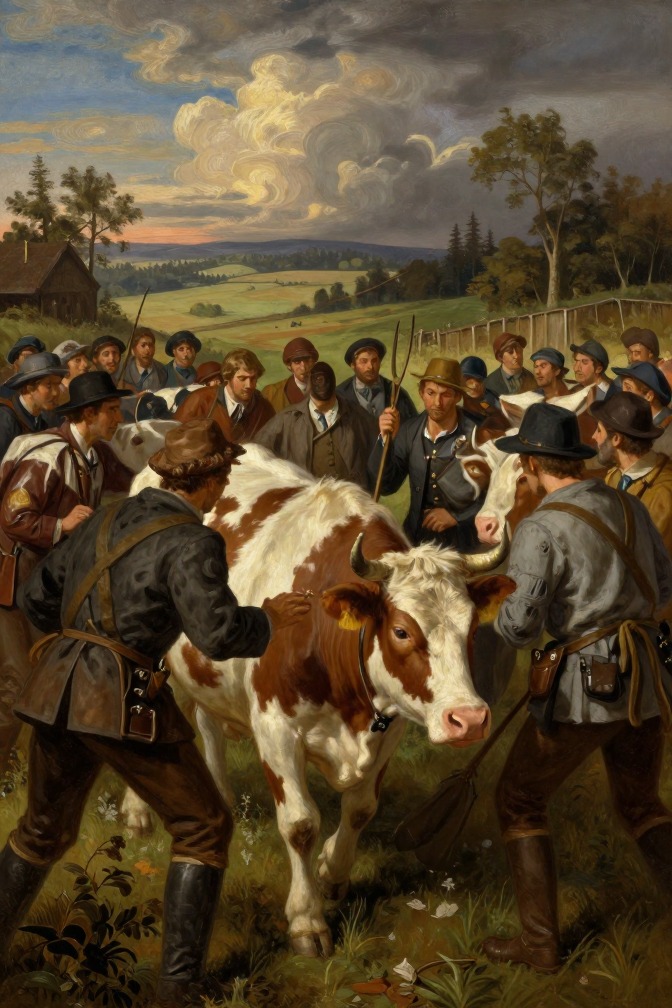
The Battle of the Cowshed is the first armed conflict on Animal Farm, in which the animals, led by Snowball and Boxer, successfully defend their farm against an attempt by Mr. Jones and his human allies to recapture it, establishing the animals' military credibility and creating a foundational myth that is later distorted by Napoleon's propaganda.
Comrade Napoleon is a poem composed by the pig Minimus, which becomes a central tool of propaganda on Animal Farm, replacing the revolutionary anthem 'Beasts of England' and serving to glorify Napoleon as a benevolent, all-powerful leader while masking the growing inequality and oppression on the farm.
The Flagstaff is the central ceremonial pole on Animal Farm, used for hoisting the green flag each Sunday and serving as the site of the farm's most important rituals, including the display of Old Major's skull, the mounting of the gun captured in the Battle of the Cowshed, and the annual firing of the gun on anniversaries and Napoleon's birthday.
The Harness Room is a pivotal location on Animal Farm, initially serving as the pigs' headquarters and later as the site where Napoleon secretly rears his guard dogs, marking the transformation of the farm's leadership from collective debate to authoritarian control.
The Quarry on Animal Farm is the primary source of stone for the windmill, a site of immense collective labor and physical exhaustion, and the place where Boxer's final, fatal overexertion occurs, making it a central symbol of the animals' exploited sacrifice.
The Spinney is a small wooded area on Animal Farm, first mentioned as part of the animals' tour of inspection after the Rebellion, and later revealed to be the source of a pile of timber that becomes a key object of negotiation between Napoleon and the neighboring farmers. Its significance lies in its dual role as a symbol of the farm's natural beauty and as a commodity that entangles the farm in human trade, ultimately contributing to the pigs' betrayal of Animalism.
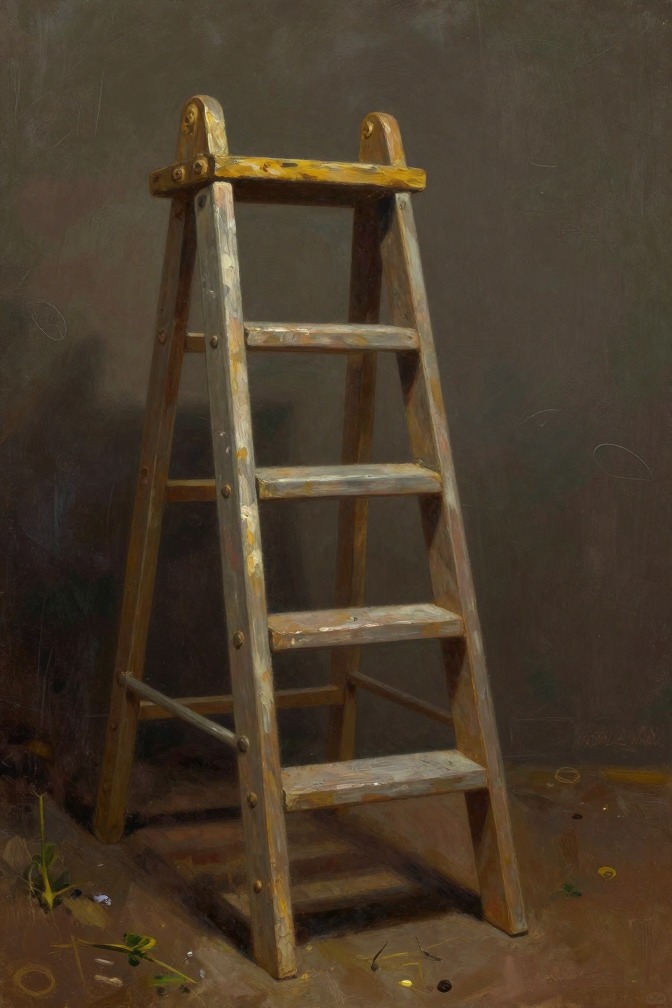
The ladder and paint are the material instruments used by the pigs to alter the Seven Commandments on the wall of the big barn, a recurring act that physically enacts the rewriting of revolutionary law and marks the progressive corruption of Animal Farm's founding principles.
The poem 'Comrade Napoleon' is a piece of propaganda composed by the pig Minimus on Animal Farm, designed to glorify Napoleon and reinforce his cult of personality through worshipful, quasi-religious language.
Napoleon's birthday is a recurring ceremonial occasion on Animal Farm, used by Napoleon to consolidate his personal cult and to reinforce the regime's control through annual gunfire, public celebrations, and the production of loyalist poetry.
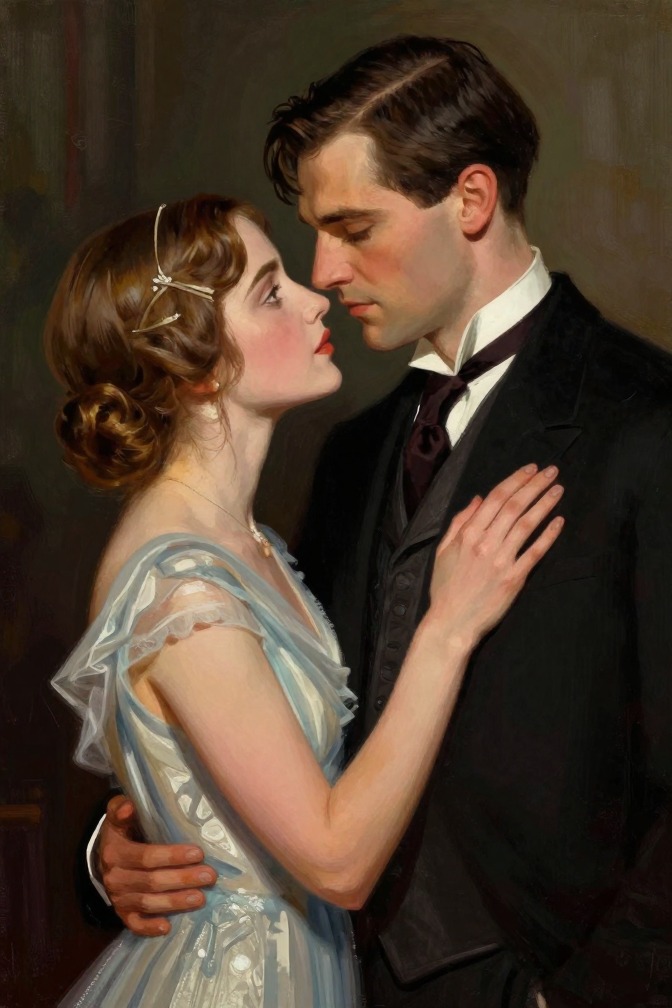
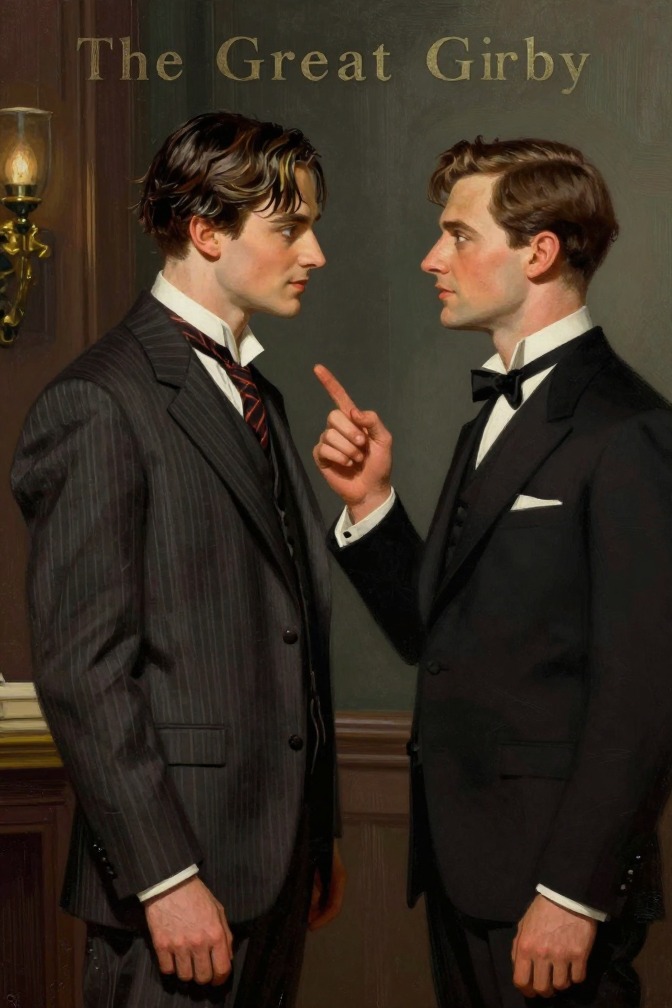
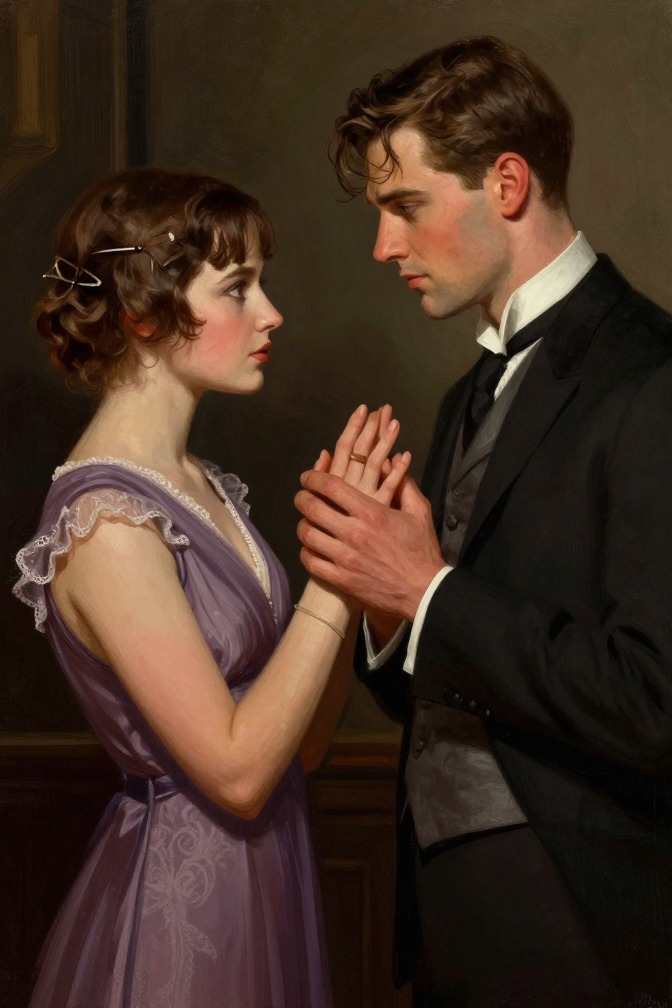
Daisy Buchanan tells Jay Gatsby that she loves him, a declaration that occurs during the tense confrontation at the Plaza Hotel and represents the climax of Gatsby's five-year pursuit, yet it is immediately undermined by her admission that she also loved Tom Buchanan, revealing the impossibility of Gatsby's dream.
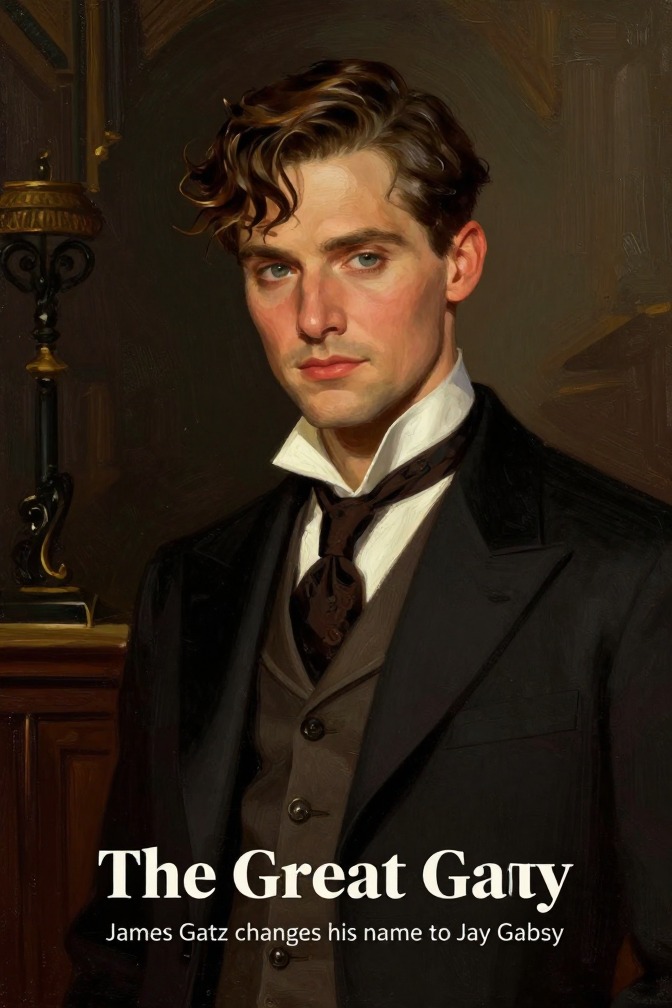
James Gatz changes his name to Jay Gatsby at the age of seventeen, a decisive act of self-invention that marks the beginning of his career and his lifelong commitment to a Platonic ideal of himself.
Jay Gatsby introduces himself to Nick Carraway at his own party, a pivotal moment that transforms Nick's perception of his mysterious neighbor and sets the stage for their friendship and Gatsby's request for Nick's help in reuniting with Daisy Buchanan.
Nick Carraway ends his romantic relationship with Jordan Baker after Gatsby's death, a breakup that crystallizes his moral disillusionment with the careless rich and his decision to return to the Midwest.