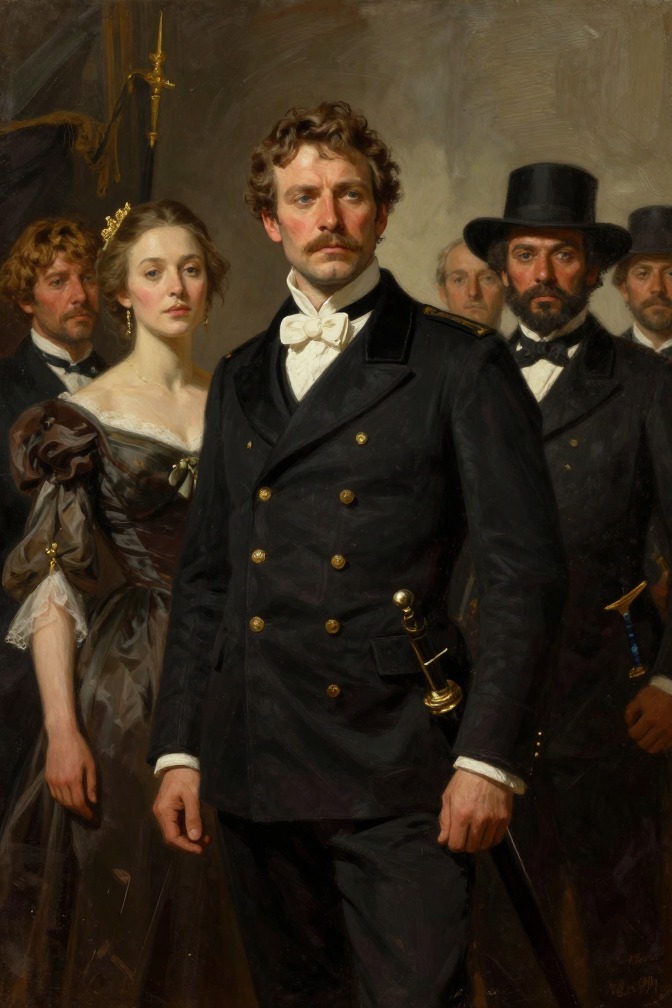
The Bonapartists are the political faction in France loyal to Napoleon Bonaparte and his imperial legacy, serving as the primary ideological enemy of the royalist establishment in the novel. Their presence drives the false accusation that lands Edmond Dantes in the Chateau d'If, and their fluctuating fortunes during the Hundred Days and the Restoration shape the careers of characters such as Villefort, Danglars, and Morrel. The novel uses the Bonapartist label as a weapon of political persecution, a test of loyalty, and a marker of the deep ideological divisions that pervade French society from 1815 through the 1830s.
The engagement between Albert de Morcerf and Eugénie Danglars is a central, yet ultimately broken, social contract in Alexandre Dumas's The Count of Monte Cristo. Arranged by their fathers, the Comte de Morcerf and Baron Danglars, the match is a calculated alliance of aristocratic name and banking fortune. However, it is undermined from the start by the personal indifference of the prospective couple, the secret enmity of the Count of Monte Cristo, and the revelation of Morcerf's treacherous past, which leads to its dramatic dissolution and contributes to the ruin of both families.
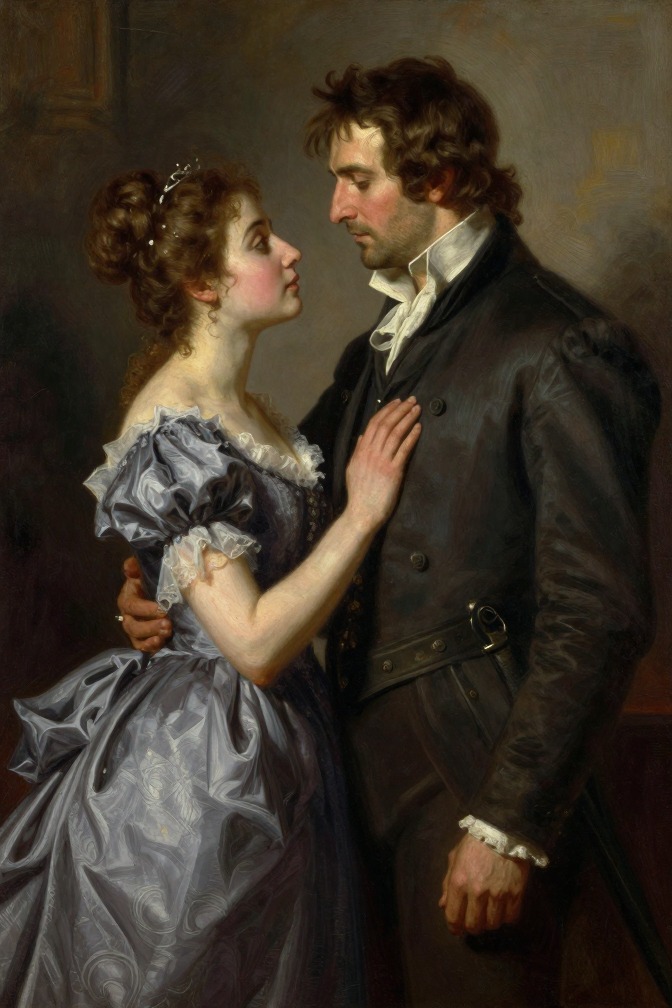
The love between Valentine de Villefort and Maximilian Morrel is a central romantic thread in the second half of The Count of Monte Cristo, defined by its clandestine meetings, the mortal threat of Valentine's arranged marriage to Franz d'Epinay, and the systematic poisoning orchestrated by her stepmother, Heloise de Villefort. Their relationship, sustained through secret correspondence and furtive encounters at the garden gate of the Villefort mansion, becomes the primary emotional counterweight to Monte Cristo's schemes of vengeance, and ultimately serves as the vehicle for the count's final act of redemption.
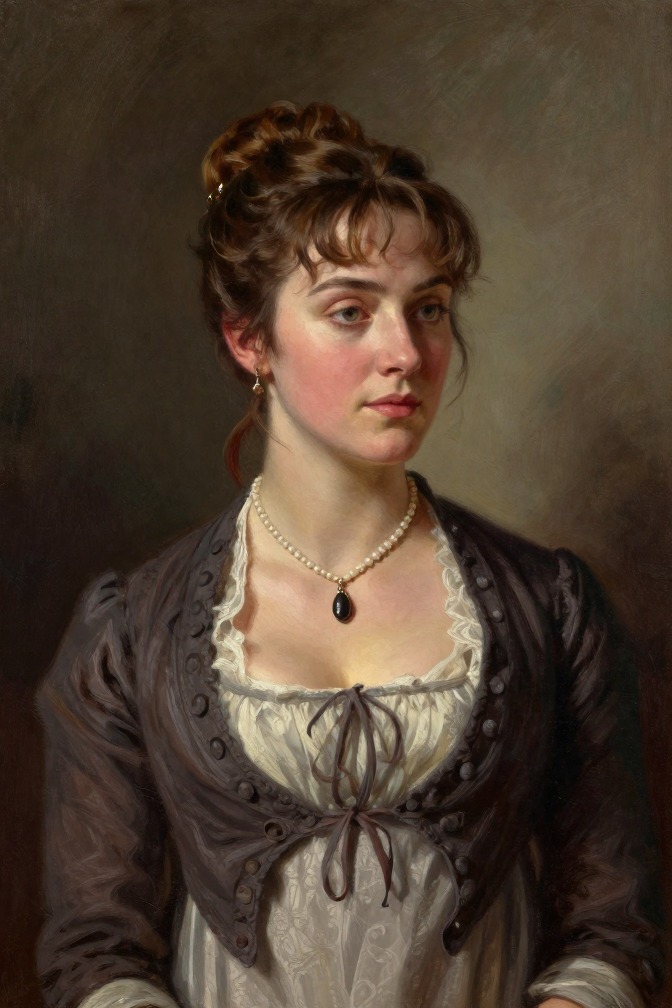
Mrs. Jenkinson is a minor companion figure in Jane Austen's Pride and Prejudice, serving as the constant attendant to the sickly Anne de Bourgh. Though she speaks little and acts mostly as a silent observer, her presence at Rosings and her interactions with the de Bourgh family illuminate the rigid social hierarchy and the constrained life of a dependent gentlewoman. Her role, while small, underscores the novel's themes of class, patronage, and the limited agency of women without fortune.
General Spielsdorf is a retired Austrian military officer and the guardian of Bertha Rheinfeldt, whose death at the hands of the vampire Carmilla transforms him from a cordial neighbor into a relentless hunter, driving the narrative's central revenge plot and the eventual destruction of the vampire.
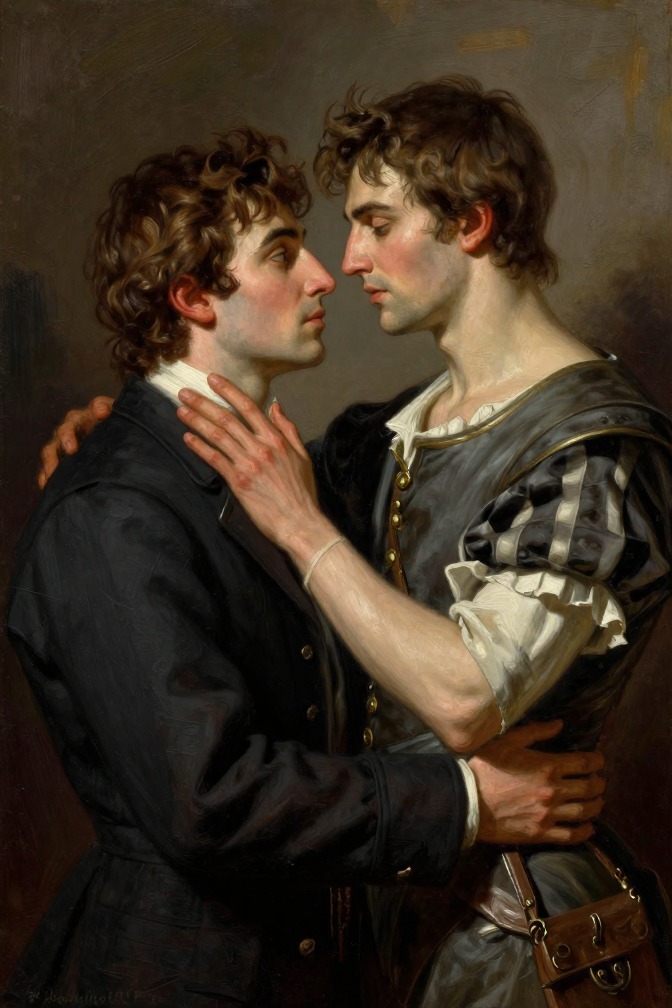
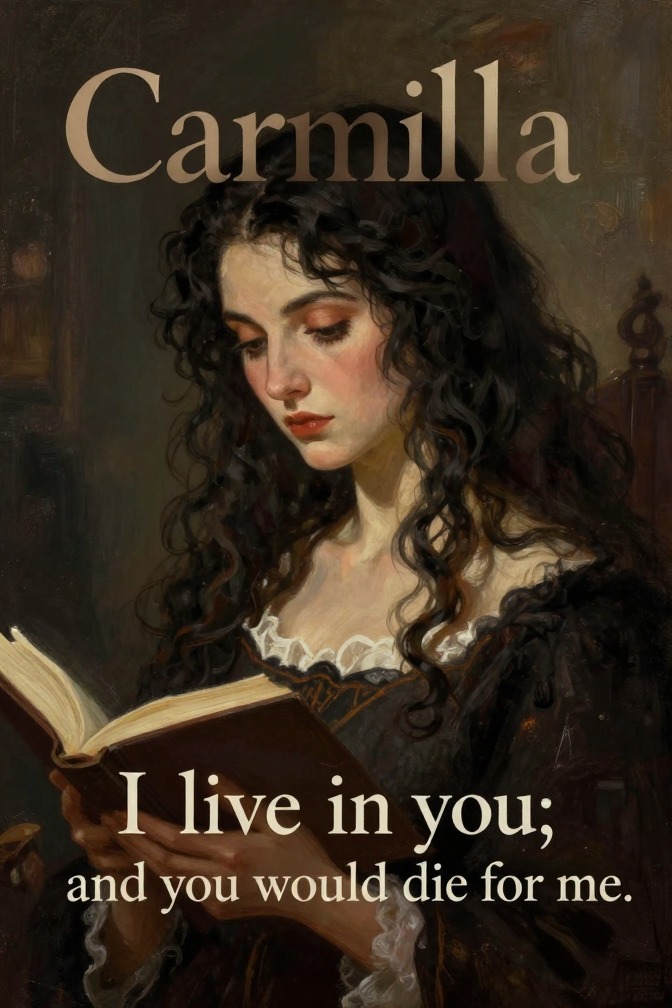
In Sheridan Le Fanu's Carmilla, the vampire Carmilla speaks the line "I live in you; and you would die for me, I love you so" to Laura during a moonlit walk, encapsulating the predatory, possessive, and erotic nature of her attachment. This utterance, delivered in a moment of intense intimacy, reveals the vampire's core strategy: to bind her victim through a declaration of love that is simultaneously a threat, a promise, and a demand for total self-surrender. The phrase functions as a key expression of the story's central dynamic, where the language of romantic devotion is weaponized to mask a lethal, parasitic consumption.
Pammy Buchanan is the young daughter of Tom and Daisy Buchanan, a minor character whose brief appearances in the novel serve to illuminate the hollow domesticity of her parents' marriage and the emotional costs of their carelessness.
Nick Carraway and Jordan Baker's romantic relationship is a summer affair that begins with casual attraction and mutual curiosity, deepens through shared confidences and physical intimacy, and ends in a quiet, disillusioned breakup that reflects the novel's broader themes of carelessness, dishonesty, and the impossibility of sustaining genuine connection across class and moral divides.
Peeta Mellark, the male tribute from District 12 in the 74th Hunger Games, is the baker's son whose quiet strength, strategic mind, and public declaration of love for Katniss Everdeen transform him from a seemingly gentle competitor into a pivotal figure whose actions—from giving her bread as a child to saving her life in the arena—ultimately force a rule change and a shared victory.
Jabez Branderham is a clergyman who appears only in Lockwood's nightmare, delivering an interminable sermon on the text 'Seventy Times Seven' in the chapel of Gimmerden Sough, and whose name and discourse become entangled with Lockwood's dream logic and the haunting atmosphere of Wuthering Heights.
Edgar Linton and Catherine Linton's father-daughter relationship is the emotional anchor of the second half of Wuthering Heights, a bond of profound, protective love that shapes Catherine's character and ultimately determines the course of her life. Edgar's devotion to his daughter is both his greatest earthly consolation after the death of his wife and the source of his deepest anxiety, as he struggles to shield her from the destructive influence of Heathcliff while facing his own mortality.
Jackson Quincey is one of the twin cousins from the north who, along with his brother Pierrot and sister Lola, arrives at the Tallis house in the summer of 1935 as a refugee from his parents' bitter divorce. His presence is a catalyst for the novel's central tragedy, and his own small, desperate acts—bed-wetting, running away, and the simple utterance of the word 'divorce'—expose the vulnerability of children caught in adult conflicts and the neglect that follows.
Sister Marjorie Drummond is the formidable ward sister at St. Thomas's Hospital who oversees Briony Tallis's nursing training, embodying the strict, impersonal discipline of the Nightingale tradition and serving as a figure of absolute authority whose approval Briony desperately seeks.
Jane visits the gypsy (Mr. Rochester in disguise) is a pivotal scene in which Mr. Rochester, disguised as a fortune-telling gypsy woman, interviews Jane privately in the library at Thornfield Hall, probing her feelings and testing her character while revealing his own growing attachment to her.
Amy Eshton is a minor character in Jane Eyre, one of the two daughters of Mr. and Mrs. Eshton, who appears during the house party at Thornfield Hall. She is depicted as a naive, child-like, and good-natured young woman, whose gentle treatment of Adele Varens and her own mild manners contrast with the haughty cruelty of Blanche Ingram and the dowagers. Her presence helps illuminate the social dynamics of the Thornfield gathering and underscores Jane Eyre's own isolation and moral discernment.
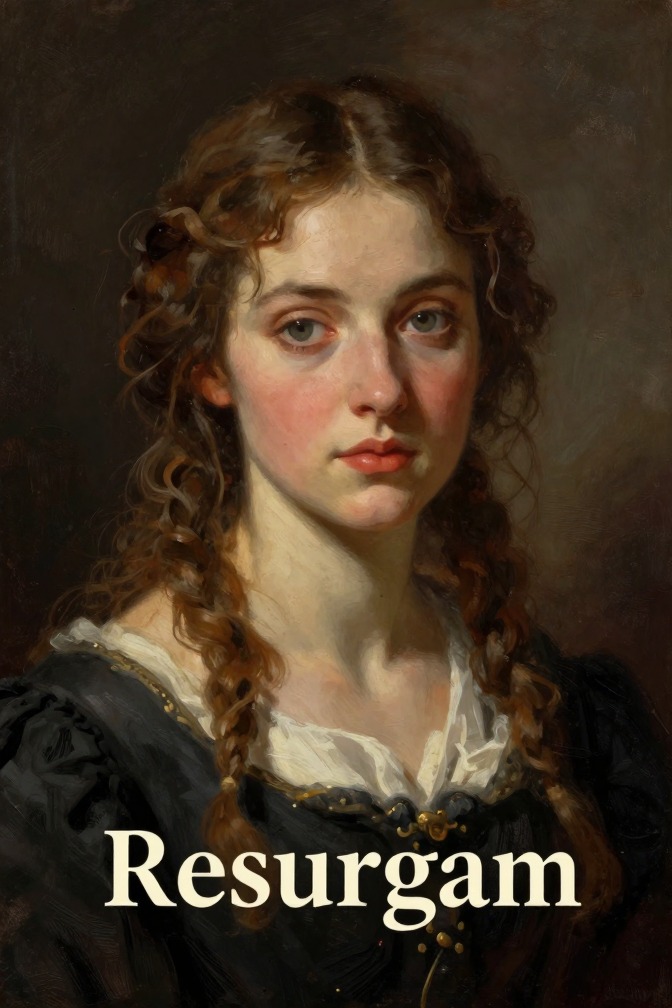
Resurgam, the Latin word meaning 'I shall rise again,' is the single word inscribed on the grey marble tablet that marks Helen Burns's grave in Brocklebridge churchyard, fifteen years after her death. It serves as the novel's most concentrated emblem of Christian hope, bodily resurrection, and the triumph of the spirit over mortality, standing in stark contrast to the physical decay and social oblivion that surround it.
Celeborn, Lord of Lothlórien and husband of Galadriel, is the wisest of the Elves remaining in Middle-earth during the War of the Ring, a giver of gifts and a stern but gracious host whose ancient memory reaches back to the Elder Days. He rules the Golden Wood alongside Galadriel, and though he initially distrusts Gimli the Dwarf, he later offers friendship and aid to the Fellowship, providing boats, counsel, and a parting feast before their journey down the Great River.
Galadriel, the Lady of Lothlórien, is one of the most powerful and ancient Elves remaining in Middle-earth during the Third Age. A wielder of Nenya, one of the Three Rings of the Elves, she is a figure of immense wisdom, foresight, and hidden power, who tests the hearts of the Fellowship, refuses the temptation of the One Ring, and ultimately chooses to diminish and pass into the West, marking the end of her age.
Gimli, son of Glóin, is a Dwarf of the Lonely Mountain who joins the Fellowship of the Ring as the representative of his people. A warrior of immense physical strength and stubborn pride, he is initially suspicious of Elves and strangers, but his journey transforms him through an unlikely and profound friendship with the Elf Legolas, and through his reverence for the Lady Galadriel. His axe proves decisive in many battles, from Moria to the Pelennor Fields, and after the War of the Ring he becomes Lord of the Glittering Caves, a testament to his deep love for the beauty of stone and craft.
Gríma Wormtongue is the treacherous counsellor of King Théoden of Rohan, a spy and servant of Saruman who uses his silver tongue to weaken the king and deliver his realm to the enemy, only to meet a wretched end at the hands of his master.
Shelob is a monstrous spider-like creature of ancient evil who dwells in the dark tunnels of Cirith Ungol, the high pass into Mordor. She is the last child of Ungoliant, a primordial entity of darkness, and serves no master but her own insatiable hunger, preying on all living things that cross her path. Her lair becomes a critical obstacle for Frodo and Sam on their quest to destroy the One Ring, and her attack on Frodo leads to his capture by Orcs, a pivotal turning point in the journey.
Tom Bombadil is a mysterious, ancient, and powerful being who dwells in the Old Forest and the Barrow-downs, a master of his domain who is utterly indifferent to the Ring's power and serves as a brief but crucial helper to the hobbits on their journey.
The Quest is the central, defining mission of The Lord of the Rings: the perilous journey to destroy the One Ring in the fires of Mount Doom. It is a burden accepted by Frodo Baggins at the Council of Elrond, a task that reshapes the fate of Middle-earth and tests the limits of courage, friendship, and endurance against the overwhelming power of Sauron.
The Ringwraiths, also called Nazgûl or Black Riders, are the nine mortal Men enslaved by the Rings of Power and transformed into Sauron's most terrible servants. They serve as the primary agents of pursuit and terror throughout the War of the Ring, their presence marking the encroaching Shadow and their destruction signaling the final defeat of the Dark Lord.
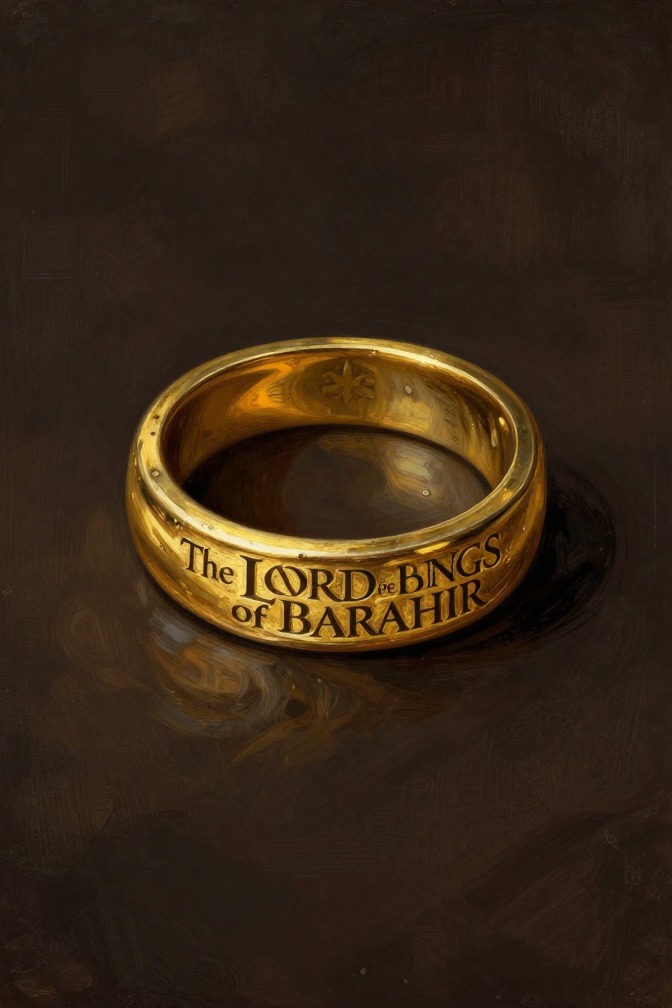
The Ring of Barahir is an ancient heirloom of the House of Isildur, a silver ring set with a green stone, given by Finrod Felagund to Barahir in the First Age. It passes through the line of the Dúnedain chieftains, is ransomed from the Lossoth after Arvedui's death, and is delivered to Aragorn by Elrond in Rivendell as a token of his lineage. Aragorn later gives it to Arwen Undómiel when they plight their troth on Cerin Amroth, making it a symbol of their enduring love and the union of the Half-elven and the Heirs of Isildur.
Nan is the one-armed enslaved woman who raised Sethe as a child and who, in a crucial remembered scene, reveals the story of Sethe's mother's past, including her mother's rejection of her children by white men and her choice to keep Sethe. This revelation shapes Sethe's understanding of her own identity and her fierce, protective love for her children.
Barbara Burke is a minor but pivotal character in Lolita, the sturdy, blond, two-years-older campmate at Camp Q who, along with the camp mistress's son Charlie Holmes, initiates Lolita into heterosexual activity during the summer of 1947, thereby shaping the sexual knowledge and experience that Lolita brings to her subsequent relationship with Humbert Humbert.
Jack Windmuller is a minor but structurally significant character in Lolita, serving as the Ramsdale lawyer who manages the Haze estate after Charlotte Haze's death and later becomes the conduit through which Humbert Humbert learns of Dolores Haze's marriage and whereabouts, thereby triggering the novel's final act.
Miss Phalen is a minor but structurally significant character in Lolita, whose repeated failures to serve as a caretaker for Dolores Haze create the narrative conditions that allow Humbert Humbert to gain and maintain access to his stepdaughter. She appears as a series of absences and incapacities—a broken hip, a death, a legacy of grim supervision—that function as ironic counterpoints to Humbert's predatory designs.
Valeria is Humbert Humbert's first wife, a woman he marries in Paris in the mid-1930s primarily because she gives an imitation of a little girl, a performance that appeals to his pedophilic desires. The marriage is a sham from the start, and Valeria eventually leaves Humbert for a White Russian taxi driver named Maximovich, an event that exposes the fragility of Humbert's control and foreshadows his later, far more catastrophic relationships.