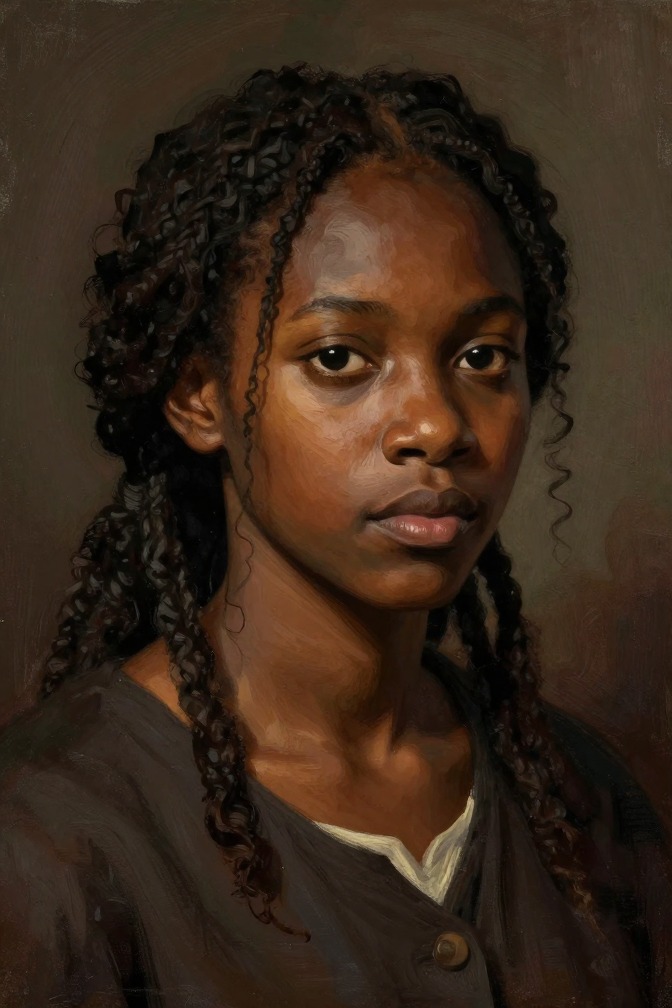
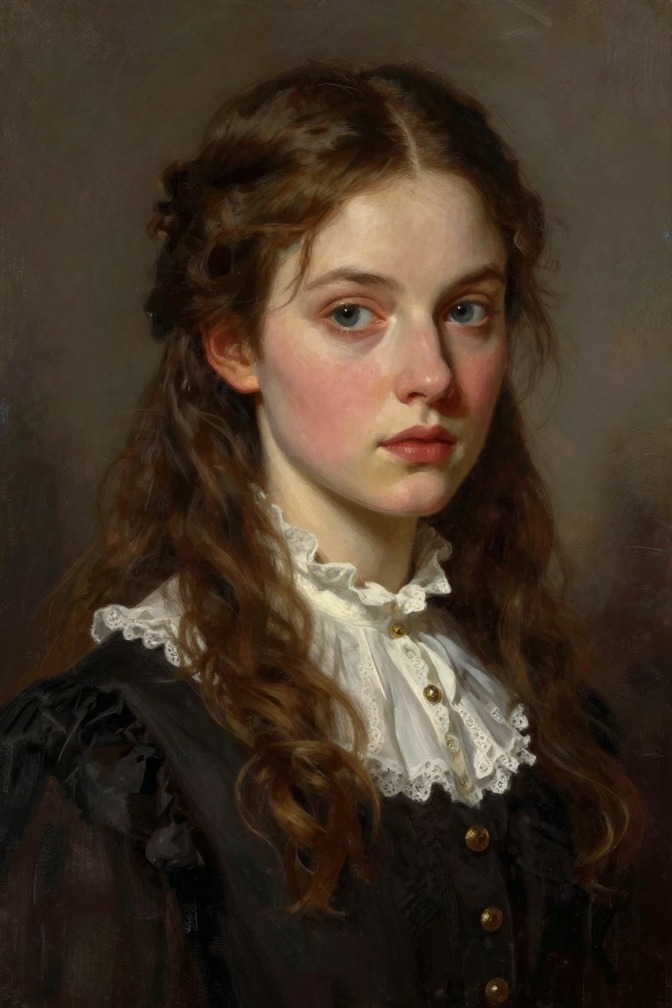
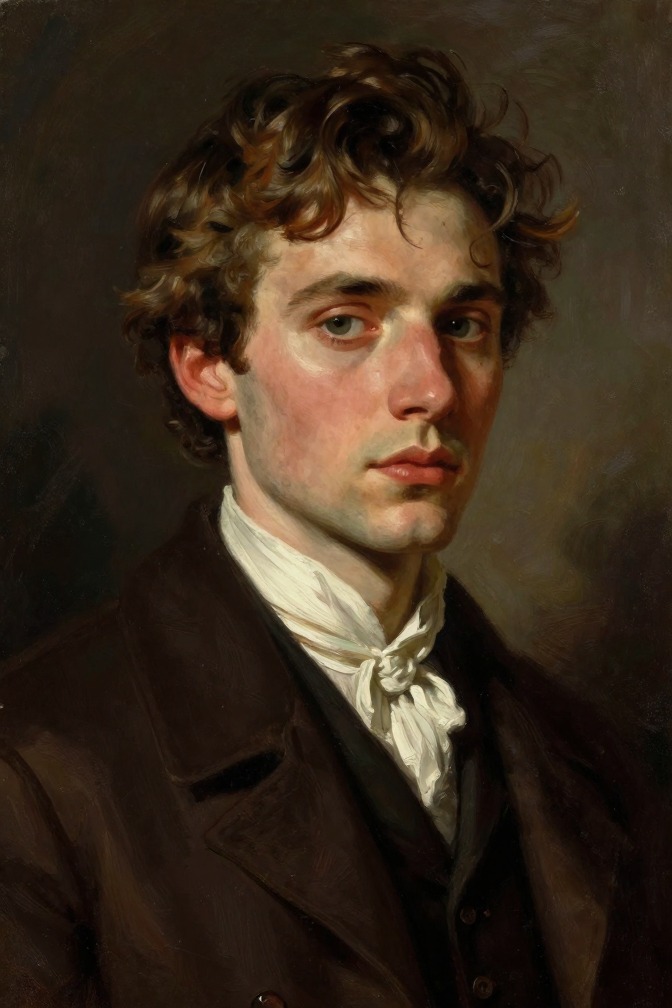
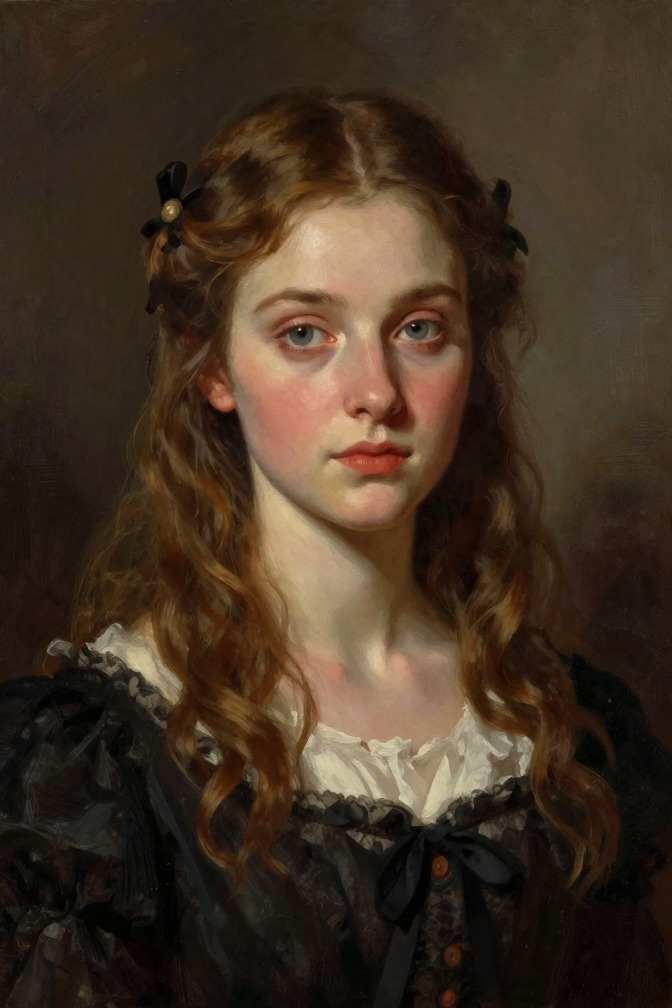
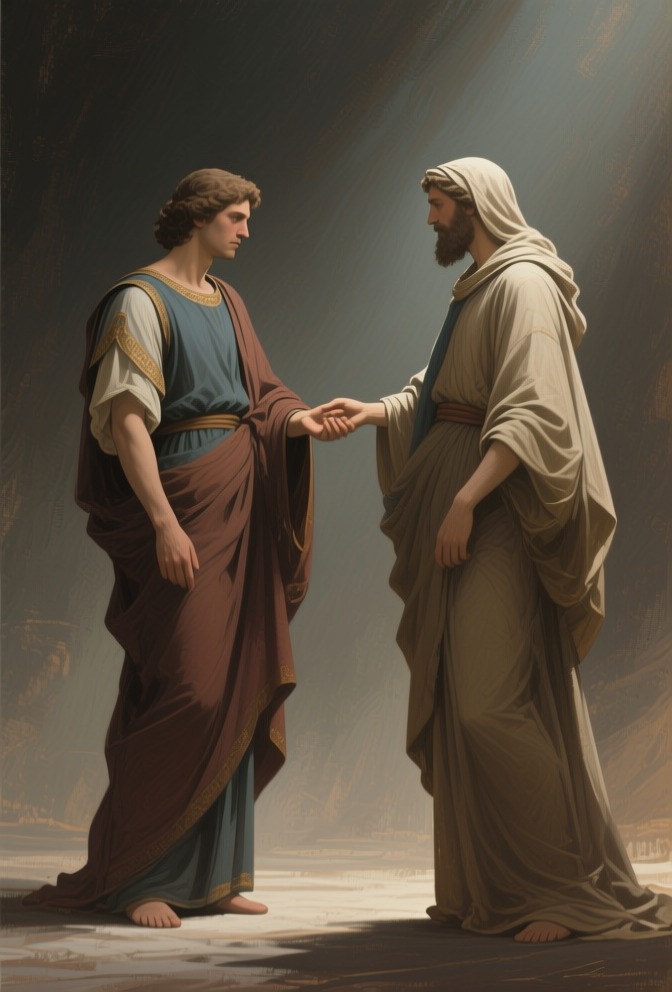
Nan is the one-armed enslaved woman who raised Sethe as a child and who, in a crucial remembered scene, reveals the story of Sethe's mother's past, including her mother's rejection of her children by white men and her choice to keep Sethe. This revelation shapes Sethe's understanding of her own identity and her fierce, protective love for her children.
Barbara Burke is a minor but pivotal character in Lolita, the sturdy, blond, two-years-older campmate at Camp Q who, along with the camp mistress's son Charlie Holmes, initiates Lolita into heterosexual activity during the summer of 1947, thereby shaping the sexual knowledge and experience that Lolita brings to her subsequent relationship with Humbert Humbert.
Jack Windmuller is a minor but structurally significant character in Lolita, serving as the Ramsdale lawyer who manages the Haze estate after Charlotte Haze's death and later becomes the conduit through which Humbert Humbert learns of Dolores Haze's marriage and whereabouts, thereby triggering the novel's final act.
Miss Phalen is a minor but structurally significant character in Lolita, whose repeated failures to serve as a caretaker for Dolores Haze create the narrative conditions that allow Humbert Humbert to gain and maintain access to his stepdaughter. She appears as a series of absences and incapacities—a broken hip, a death, a legacy of grim supervision—that function as ironic counterpoints to Humbert's predatory designs.
Valeria is Humbert Humbert's first wife, a woman he marries in Paris in the mid-1930s primarily because she gives an imitation of a little girl, a performance that appeals to his pedophilic desires. The marriage is a sham from the start, and Valeria eventually leaves Humbert for a White Russian taxi driver named Maximovich, an event that exposes the fragility of Humbert's control and foreshadows his later, far more catastrophic relationships.
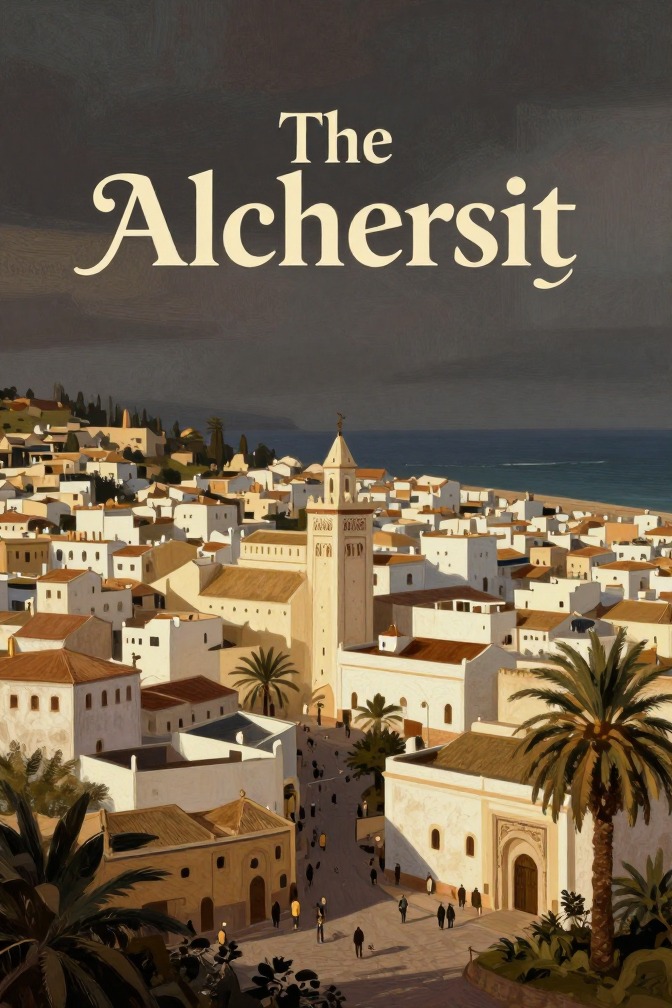
Tangier is the Moroccan port city where Santiago first sets foot in Africa, only to be robbed of all his money within hours, forcing him to abandon his immediate plan to reach the Pyramids and instead take work with a local crystal merchant. The city functions as the crucible of Santiago's initiation into the harsh realities of pursuing a dream: it strips him of his naive confidence, teaches him the language of practical labor and commerce, and ultimately becomes the place where he earns the capital and resolve to continue his quest.
Aegon V Targaryen, called the Unlikely, was a king of the Seven Kingdoms who rose from a fourth son's obscurity to the Iron Throne, remembered for his attempts to restore the Targaryen dynasty's power and for his mysterious death in a fire at Summerhall.
Aemon Targaryen (Dragonknight) was a legendary knight of the Kingsguard, celebrated in song and story as the finest swordsman of his age, whose name and deeds served as the ultimate standard of chivalric virtue for generations of Westerosi.
Arthur Dayne, known as the Sword of the Morning, was a legendary knight of the Kingsguard under King Aerys II Targaryen, renowned as the deadliest of the seven white cloaks and wielder of the greatsword Dawn. His death at the hands of Eddard Stark and his companions at the Tower of Joy in the red mountains of Dorne became a foundational, haunting memory for Stark, shaping his sense of honor, his grief, and the secrets he carried for the rest of his life.
Bronn is a sellsword of no fixed allegiance who becomes Tyrion Lannister's champion, protector, and most trusted companion through a series of escalating trials, from a roadside ambush to a formal trial by combat in the Eyrie, and finally to the battlefield of the Green Fork. His defining traits—pragmatic ruthlessness, tactical intelligence, and absolute loyalty to his own survival—make him the only man Tyrion can rely on in a world of lords and oaths.
Daeron I Targaryen, called the Young Dragon, was a boy king of the Targaryen dynasty who conquered Dorne at the age of fourteen but lost it almost immediately and died young, serving in the narrative as a cautionary example of youthful ambition outrunning wisdom and as a figure of heroic legend invoked by Jon Snow.
Fogo is a Dothraki khalakka (prince) and the son of Khal Ogo, who is killed alongside his father during a battle with Khal Drogo's khalasar, a death that contributes to Drogo's growing power and the fulfillment of a prophecy.
Jeor Mormont, the Lord Commander of the Night's Watch, is a gruff, pragmatic, and deeply honorable leader who commands the Wall during a time of mounting supernatural and political peril. Known as the Old Bear, he is a seasoned veteran who has spent most of his life in service to the Watch, and his primary narrative arc involves recognizing the true threat beyond the Wall—the return of the Others and the rising of the dead—while struggling against the indifference of the southern kingdoms and the internal decay of his own order. His relationship with Jon Snow, whom he takes as his personal steward and later gifts the Valyrian steel sword Longclaw, is central to his role as a mentor figure, and his decision to lead a great ranging into the haunted forest marks a pivotal turning point in the story, shifting the Watch from passive defense to active confrontation with the darkness.
Jon Arryn, Lord of the Eyrie, Hand of the King, and foster father to Eddard Stark and Robert Baratheon, was the first domino to fall in the chain of events that shattered the realm. His sudden death, later revealed to be murder by poison, set in motion the investigation that uncovered the incest of Queen Cersei and Ser Jaime Lannister, the illegitimacy of King Robert's children, and the war between the Starks and Lannisters. A wise, kindly, and trusting man, Arryn served as the realm's steady hand for fourteen years, but his pursuit of the truth about the royal succession cost him his life.
Lysa Arryn, the widow of Jon Arryn and sister of Catelyn Stark, is a volatile and deeply traumatized figure whose paranoid grief, maternal possessiveness, and political isolation drive her to flee King's Landing, imprison Tyrion Lannister in the Eyrie, and ultimately refuse to aid her own family in the coming war, embodying the corrosive effects of fear and unresolved loss on the bonds of kinship and duty.
Maegor the Cruel was a Targaryen king whose reign of terror left a lasting mark on the Seven Kingdoms, most notably through the construction of the Red Keep and the brutal murder of the masons who built it to keep its secrets safe.
Robert Baratheon, the first king of his dynasty, is a figure of immense appetites and tragic decline: a once-mighty warrior who won the Iron Throne through rebellion but whose reign is undone by his own excesses, his loveless marriage to Cersei Lannister, and the poisonous secrets that fester at court. His death, gored by a boar while hunting drunk, is both a consequence of his character and the catalyst that plunges the Seven Kingdoms into war.
Lysa's letter is the secret message Catelyn Stark receives from her sister, warning that Jon Arryn was murdered by the Lannisters and setting the entire political crisis of A Game of Thrones in motion.
Anita is a professional colleague of Aunt Lydia who is arrested alongside her and detained in the stadium, where she provides companionship and moral support before being taken away and executed as part of Commander Judd's test of Lydia's loyalty.
Achilles, the greatest Greek warrior of the Trojan War, appears in Dante's Inferno among the lustful in the Second Circle, condemned for surrendering his reason to love. His presence there, named alongside other legendary lovers, underscores the poem's moral framework: even the most celebrated hero of antiquity is subject to divine justice for the sin of incontinence.
Alessio Interminei is a minor figure in Dante's Inferno, a flatterer punished in the second bolgia of Malebolge, where he is submerged in human filth as a contrapasso for his sin.
Empress Constance is a blessed spirit in the Heaven of the Moon, the slowest sphere of Paradise, where she appears alongside Piccarda Donati. A nun who was forced from her convent to marry and bear the heir to the Holy Roman Empire, she embodies the theme of broken vows and the peace that comes from perfect alignment with the divine will. Her presence in the lowest heaven illustrates Dante's doctrine that all souls in Paradise are equally happy, differing only in the degree of grace they receive.
Griffolino d' Arezzo is a damned soul in the Tenth Bolgia of Malebolge, punished for the sin of alchemy, who recounts his execution by burning at the hands of Albert of Siena and reveals the nature of his damnation under Minos's judgment.
Mosca is a Florentine political figure from the 13th century, damned in the Ninth Bolgia of Dante's Hell among the Sowers of Discord for his infamous advice that ignited the Guelph-Ghibelline conflict in Florence, and his punishment reflects the contrapasso of his divisive words.
The Seven Deadly Sins form the moral and structural backbone of Dante Alighieri's Purgatory, where each of the seven terraces is dedicated to purging one of these capital vices—Pride, Envy, Wrath, Sloth, Avarice, Gluttony, and Lust—through a system of contrapasso that transforms the sin itself into the instrument of purification.
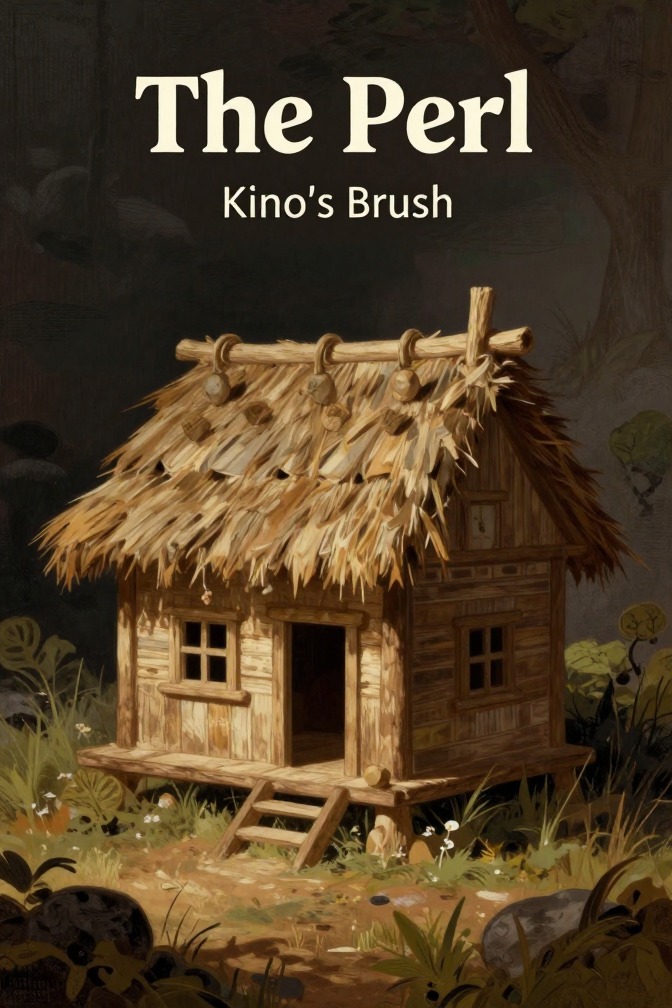
Kino's brush house is the family's home in the fishing village of La Paz, a simple structure of brush and mud that embodies the warmth, security, and poverty of Kino's life before the discovery of the great pearl. Its destruction by fire marks the irreversible loss of his old world and the final stage of his descent into violence and flight.
The friendship between Paul Bäumer and Albert Kropp is the most enduring and intimate bond in the novel, a relationship forged in the crucible of shared experience that outlasts nearly all others and becomes the emotional anchor of Paul's life at the front.
Nurse Sue Ann Duckett is a tall, spare, efficient New England nurse at the Pianosa hospital whose professional composure is repeatedly shattered by Yossarian's sexual advances, yet who becomes his steady lover and confidante during the final months of his combat tour. She embodies the paradox of institutional authority and personal vulnerability: she is the one who reports the plan to "disappear" Dunbar, but she also ultimately abandons Yossarian when his refusal to fly missions threatens her own social standing. Her trajectory from brisk disciplinarian to ashamed deserter mirrors the novel's larger argument about the impossibility of maintaining integrity within a corrupt system.
The Old Man is a cynical, hedonistic, and unpatriotic figure in the Roman brothel where Nately's whore lives. He serves as a philosophical antagonist to Nately, articulating a worldview that prizes survival, adaptability, and the art of losing wars over the ideals of honor, patriotism, and victory. His mocking debates with Nately expose the absurdity of patriotic sacrifice and the self-serving logic of those who align with whichever power is in control.
Hungry Joe and Huple's cat share a bizarre, antagonistic relationship that encapsulates the surreal, nightmarish quality of life in the squadron. The cat, a persistent presence in Hungry Joe's tent, becomes the focus of his terrifying nightmares and a physical tormentor, ultimately contributing to his death. This relationship serves as a darkly comic symbol of the inescapable, irrational forces that prey on the men, blurring the lines between dream and reality, and between a harmless pet and a mortal threat.