The friendship between Paul Bäumer and Albert Kropp is the most enduring and intimate bond in the novel, a relationship forged in the crucible of shared experience that outlasts nearly all others and becomes the emotional anchor of Paul's life at the front.
Nurse Sue Ann Duckett is a tall, spare, efficient New England nurse at the Pianosa hospital whose professional composure is repeatedly shattered by Yossarian's sexual advances, yet who becomes his steady lover and confidante during the final months of his combat tour. She embodies the paradox of institutional authority and personal vulnerability: she is the one who reports the plan to "disappear" Dunbar, but she also ultimately abandons Yossarian when his refusal to fly missions threatens her own social standing. Her trajectory from brisk disciplinarian to ashamed deserter mirrors the novel's larger argument about the impossibility of maintaining integrity within a corrupt system.
The Old Man is a cynical, hedonistic, and unpatriotic figure in the Roman brothel where Nately's whore lives. He serves as a philosophical antagonist to Nately, articulating a worldview that prizes survival, adaptability, and the art of losing wars over the ideals of honor, patriotism, and victory. His mocking debates with Nately expose the absurdity of patriotic sacrifice and the self-serving logic of those who align with whichever power is in control.
Hungry Joe and Huple's cat share a bizarre, antagonistic relationship that encapsulates the surreal, nightmarish quality of life in the squadron. The cat, a persistent presence in Hungry Joe's tent, becomes the focus of his terrifying nightmares and a physical tormentor, ultimately contributing to his death. This relationship serves as a darkly comic symbol of the inescapable, irrational forces that prey on the men, blurring the lines between dream and reality, and between a harmless pet and a mortal threat.
Mrs. Bacon is the conventional, status-conscious wife of a Salinas County supervisor who, along with her husband, becomes stranded at the Trask ranch during a rainstorm. Her brief but revealing interactions with the Trask family expose her social prejudices, her discomfort with the unconventional household, and her role as a conduit for the town's gossip and moral judgments. She is a minor but sharply drawn character whose presence catalyzes key revelations about the family's hidden past and the differing natures of the Trask twins.
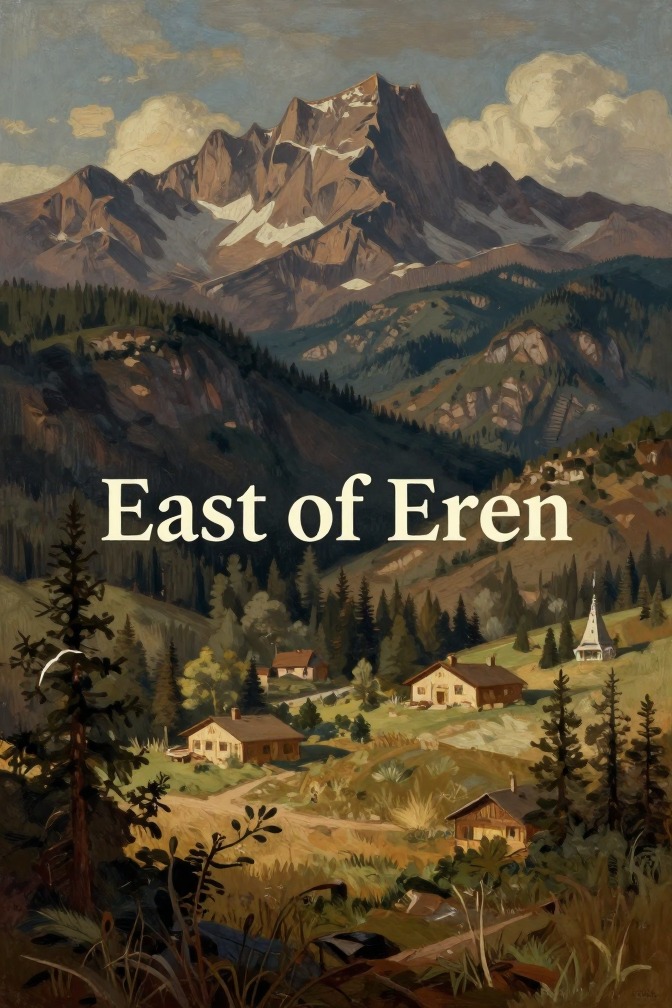
The Gabilan Mountains, the eastern range of the Salinas Valley, are a central geographical and symbolic presence in John Steinbeck's East of Eden. They are consistently described as light, gay, full of sun and loveliness, and are associated with invitation, morning, and a maternal warmth that contrasts sharply with the dark, brooding Santa Lucia Mountains to the west. This dichotomy establishes a fundamental moral and emotional landscape for the novel, linking the Gabilans to hope, the beginning of the day, and a kind of beckoning promise, a symbolic geography that resonates through the narrative's exploration of choice and destiny.
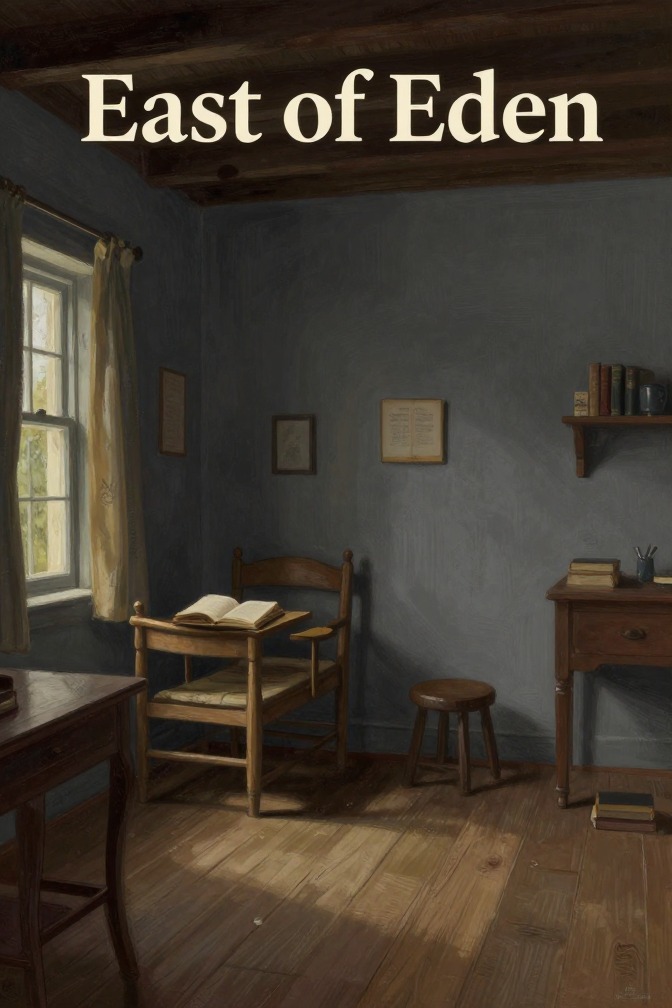
The gray room (Kate's lean-to) is a windowless, soundproofed chamber built as an addition to Kate's bedroom in her Salinas brothel. It functions as a psychological bunker where Kate retreats from the world, a space designed to eliminate sensory stimuli and to contain her growing paranoia, physical pain, and eventual suicide. The room's oppressive grayness and total isolation make it the architectural embodiment of Kate's monstrous isolation and her final, deliberate disappearance.
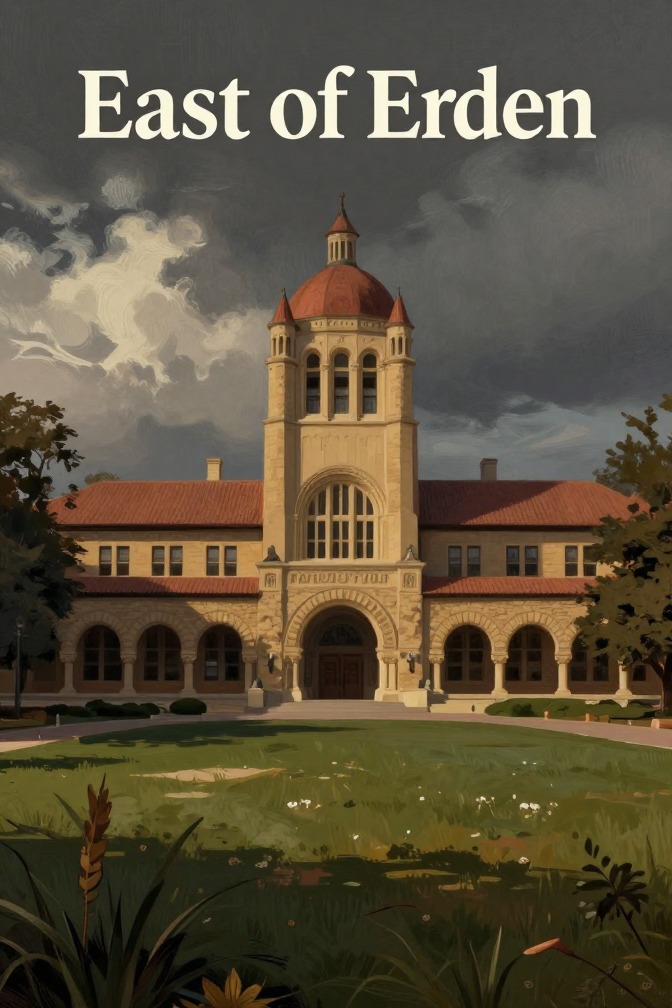
Stanford University, referred to in the novel as Leland Stanford University or simply Stanford, is the institution Aron Trask attends after passing his entrance examinations a year early. It represents a world of academic aspiration and personal transformation that stands in stark contrast to the Salinas Valley, yet for Aron it becomes a place of profound homesickness and disillusionment, where his idealized expectations clash with the mundane realities of undergraduate life, ultimately driving him to abandon his studies and seek a purer existence elsewhere.
Alan Campbell is a brilliant young scientist and former close friend of Dorian Gray whom Dorian blackmails into disposing of the body after murdering Basil Hallward, an act that leads Campbell to his own suicide.
Lady Agatha is a minor but significant character in Oscar Wilde's *The Picture of Dorian Gray*, serving as a social connector and a foil to the hedonistic philosophies of Lord Henry Wotton. She is Lord Henry's aunt, a philanthropist involved in charitable work in the East End of London, and the person who first introduces the name of Dorian Gray to Lord Henry. Her earnest, conventional nature and her charitable activities stand in stark contrast to the cynical, aesthetic worldview that Lord Henry espouses, highlighting the moral and social tensions within the novel.
The Latin phrase "pede claudo" ("with a limping foot") appears in Mr. Utterson's internal monologue as he reflects on the delayed but inevitable nature of punishment for past sins, encapsulating a key thematic concern of the novel: that retribution, however slow, will eventually arrive.
Barney is a minor but recurring character in Charles Dickens's *Oliver Twist*, serving as Fagin's henchman and the waiter at the Three Cripples public-house. His most distinctive trait is a severe nasal speech impediment that renders his dialogue almost unintelligible, a comic and grotesque feature that marks him as part of the novel's criminal underworld. Though he appears only briefly, Barney acts as a gatekeeper and messenger for Fagin's gang, facilitating key events such as the burglary at Chertsey and the surveillance of Nancy.
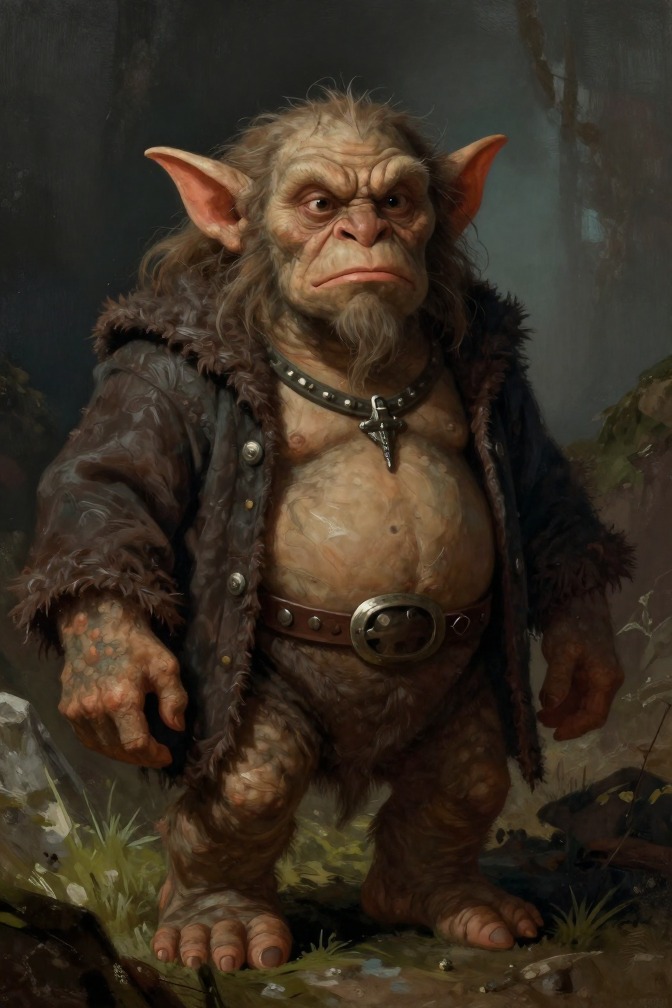
Trolls are large, brutish, and dim-witted creatures in The Hobbit, encountered early in the quest when Bilbo Baggins and the dwarves stumble upon their camp. They are characterized by their crude language, cannibalistic appetites, and a fatal vulnerability to sunlight, which turns them to stone. Their encounter serves as a key early test for the company, introducing Bilbo to the dangers of the Wild and providing the dwarves with the legendary swords Orcrist and Glamdring.
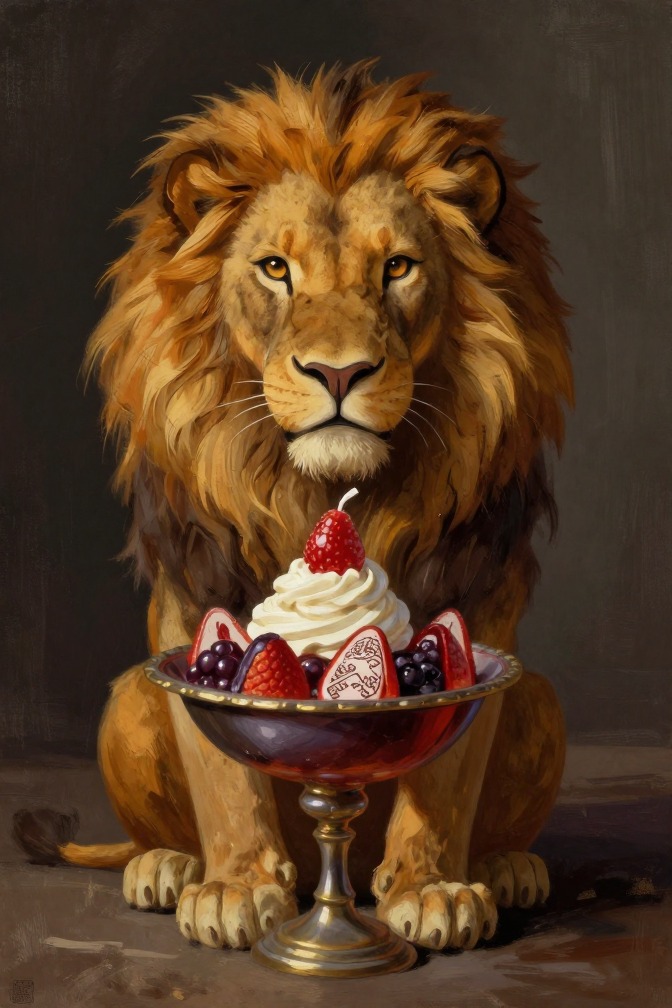
Turkish Delight is the enchanted confection with which the White Witch tempts and enslaves Edmund Pevensie during his first encounter with her in Narnia, functioning as the primary instrument of his moral corruption and betrayal of his siblings.
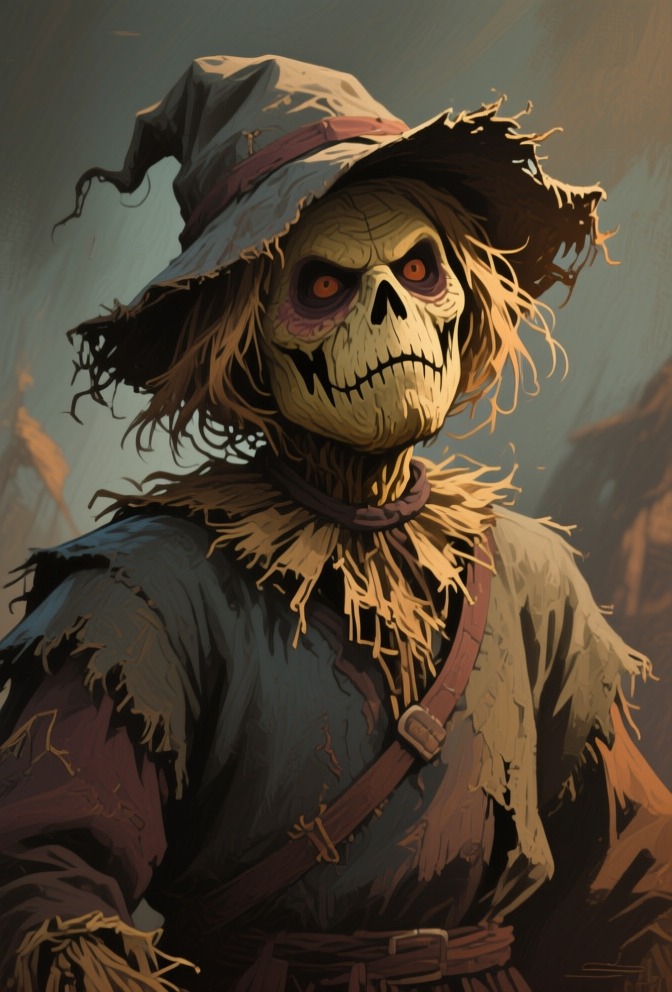
The Scarecrow is a member of Dorothy's traveling party who, despite lacking a brain, consistently demonstrates cleverness, strategic thinking, and emotional insight, ultimately revealing himself to be a hollow figure whose true nature challenges the Witch's deepest hopes.
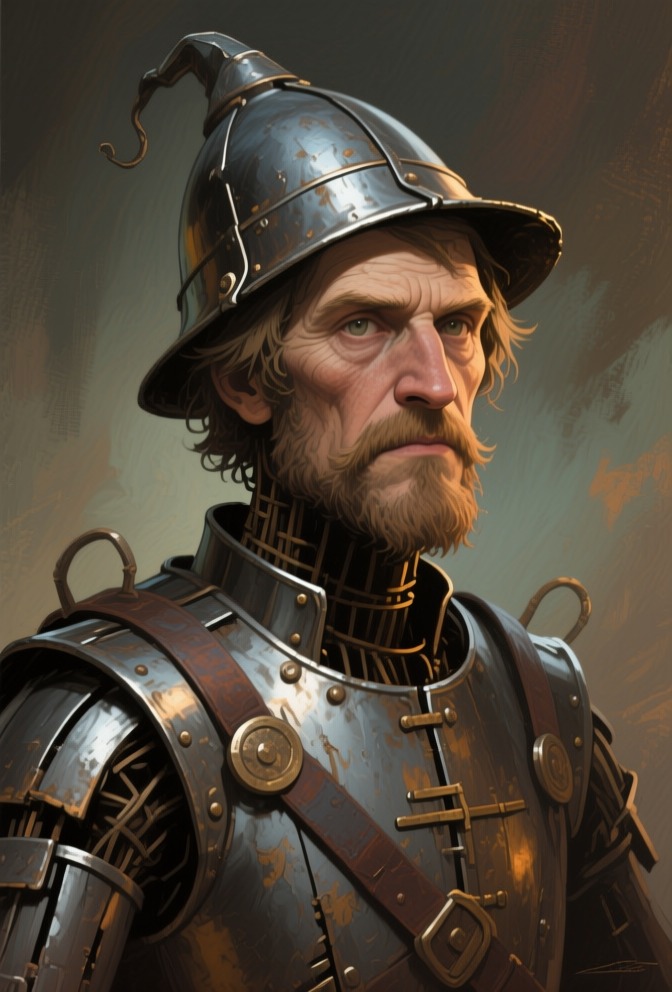
The Tin Woodman, also known as Nick Chopper, is a character in Gregory Maguire's *Wicked* who appears as a hollow, tiktok-like figure seeking a heart, embodying the novel's themes of mechanization, loss, and the search for humanity in a politically oppressive world.
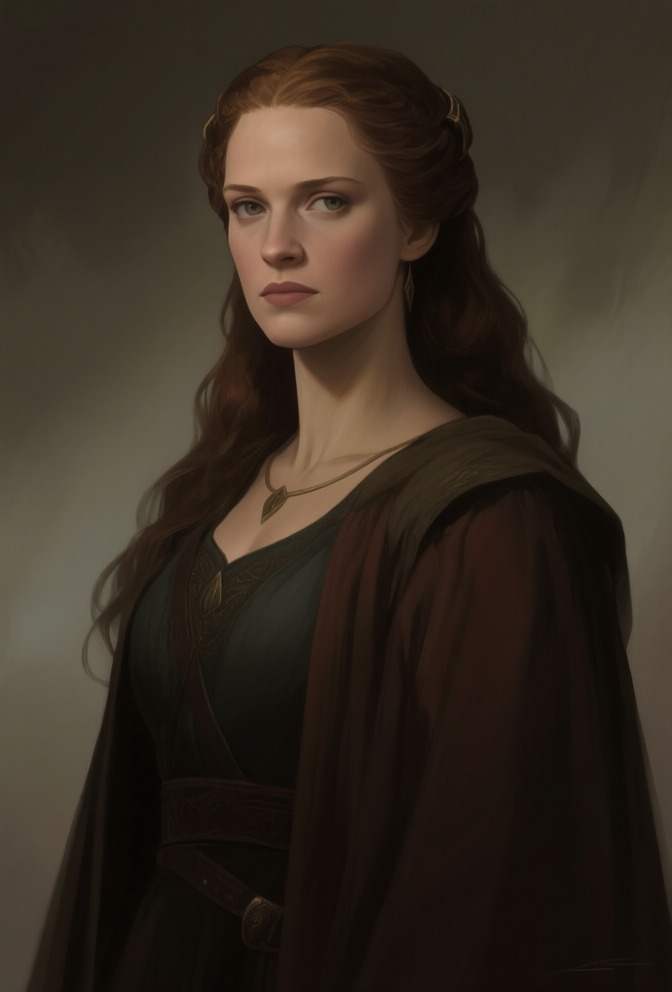
Brienne of Tarth, a knight sworn to Catelyn Stark, is a towering, unfeminine warrior whose quest to find Sansa Stark leads her into the riverlands, where she becomes entangled with Jaime Lannister and ultimately lures him into a trap set by the vengeful Lady Stoneheart.
Drogon is the largest and most aggressive of Daenerys Targaryen's three dragons, a black-scaled beast with blood-red eyes, horns, and spinal plates. He is the only one of her children who remains truly wild, refusing to be chained in the pit beneath Meereen and instead ranging far across the Dothraki sea. His return to Daznak's Pit during the reopened fighting games triggers a massacre, but also Daenerys's decisive flight from the city, marking the moment she abandons her role as Queen of Meereen to reclaim her identity as the blood of the dragon.
Gerrick Kingsblood is a minor wildling chieftain who, after the defeat of Mance Rayder's host, is elevated by Queen Selyse Baratheon to the title of 'King of the Wildlings' and used as a political pawn to bind the free folk to Stannis Baratheon's cause through marriages.
Jon Snow, the nine-hundred-and-ninety-eighth Lord Commander of the Night's Watch, is the bastard son of Eddard Stark. Throughout A Dance with Dragons, he struggles to hold the Wall against threats from both north and south, making controversial decisions to let wildlings through the Wall, negotiating with Stannis Baratheon, and ultimately being stabbed by his own men for what they see as treason.
Margaery Tyrell is the daughter of Mace Tyrell, Lord of Highgarden, and the wife of King Tommen Baratheon. She is a central figure in the power struggles of King's Landing, accused of high treason and adultery by the Faith of the Seven, and her fate is intertwined with the political machinations of the Lannisters and the Tyrells.
Wun Weg Wun Dar Wun, called Wun Wun, is a giant of the free folk who passes through the Wall and becomes a guest of the Night's Watch at Castle Black, where his immense size, childlike nature, and capacity for violence make him both a valuable ally and a dangerous presence.
Barba's Teats are a pair of grassy hills in the riverlands, named by King Aegon IV Targaryen after his mistress Barba Bracken, and later renamed Missy's Teats by the Blackwoods after his subsequent mistress Melissa Blackwood, serving as a physical monument to royal favor and the enduring rivalry between Houses Bracken and Blackwood.
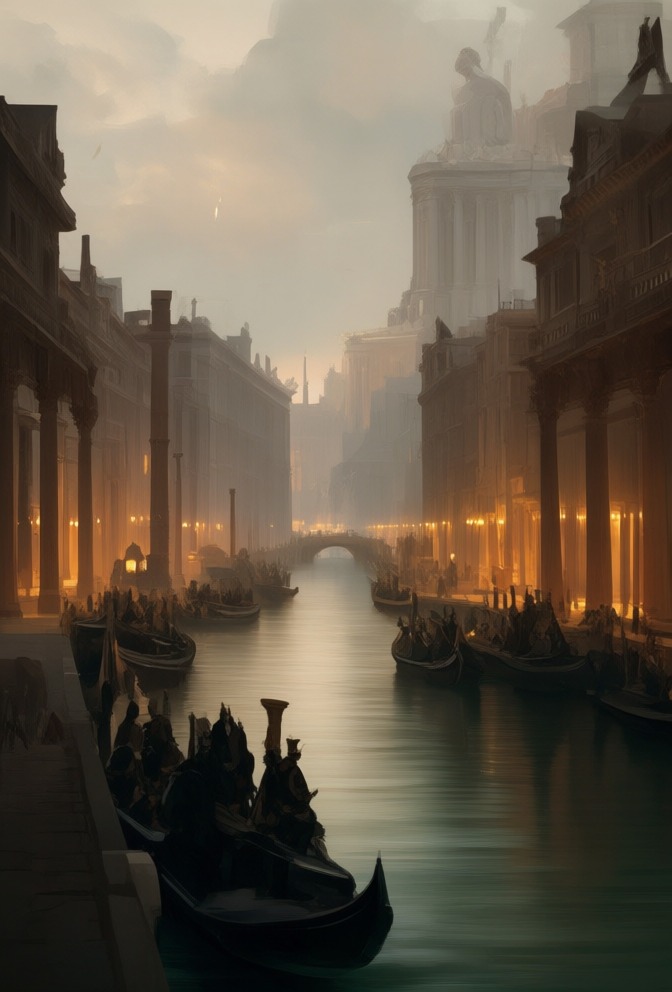
The Canal of Heroes is a major waterway in Braavos, a city of canals and islands. It is a central artery of the city, lined with the statues of famous Braavosi heroes and serving as a key thoroughfare for travel and commerce. The canal is a site of significant activity, from the daily passage of boats to the secret movements of the city's underworld, and it is a landmark that characters use to navigate the city's complex geography.
The Dothraki sea is the vast grassland ocean of Essos, the homeland of the Dothraki people, and a recurring symbolic and geographical landmark in Daenerys Targaryen’s journey. It is the site of her marriage to Khal Drogo, the birth of her dragons, and her final flight from Meereen, representing both the freedom of the nomadic life and the isolation of exile.
The House of Black and White is the Braavosi temple of the Many-Faced God, a death cult whose servants—the Faceless Men—give the gift of mercy to those who seek it. It is both a place of worship and a training ground for assassins, where Arya Stark, under the alias of the blind girl, undergoes a brutal apprenticeship in sensory deprivation, disguise, and the philosophy of self-annihilation.
The Isle of the Gods is a district in Braavos, a cluster of temples and shrines dedicated to a vast array of deities from across the known world. It serves as a physical manifestation of Braavos's cosmopolitan and tolerant character, a place where the city's many faiths coexist in close proximity. For Arya Stark, during her time as the blind beggar girl Beth and later as Cat of the Canals, the Isle of the Gods is a familiar landmark on her nightly begging rounds, a place whose sounds, smells, and atmosphere she learns to navigate without sight. It is also the site of her first assassination mission for the Faceless Men, where she observes her target and practices the skills of a servant of the Many-Faced God.
Riverrun is the ancestral seat of House Tully, a formidable castle at the confluence of the Red Fork and Tumblestone rivers in the riverlands. After the Red Wedding, it became a focal point of Lannister consolidation, surrendered by Edmure Tully to Jaime Lannister to protect his unborn child, and was subsequently granted to the Frey family as a reward for their betrayal of the Starks.
The Snowy Sept is a sacred site in White Harbor, where the bones of Ser Wendel Manderly rest with candles around them, and where the city's faithful worship the Seven.
The Summer Isles are a distant archipelago south of Westeros, known for their dark-skinned inhabitants, colorful feathered cloaks, and archers wielding great bows of goldenheart. In A Dance with Dragons, the Summer Isles appear as a point of origin for exotic goods, skilled bowmen, and occasional travelers who bring news of the wider world to the ports of Slaver's Bay and the Free Cities.