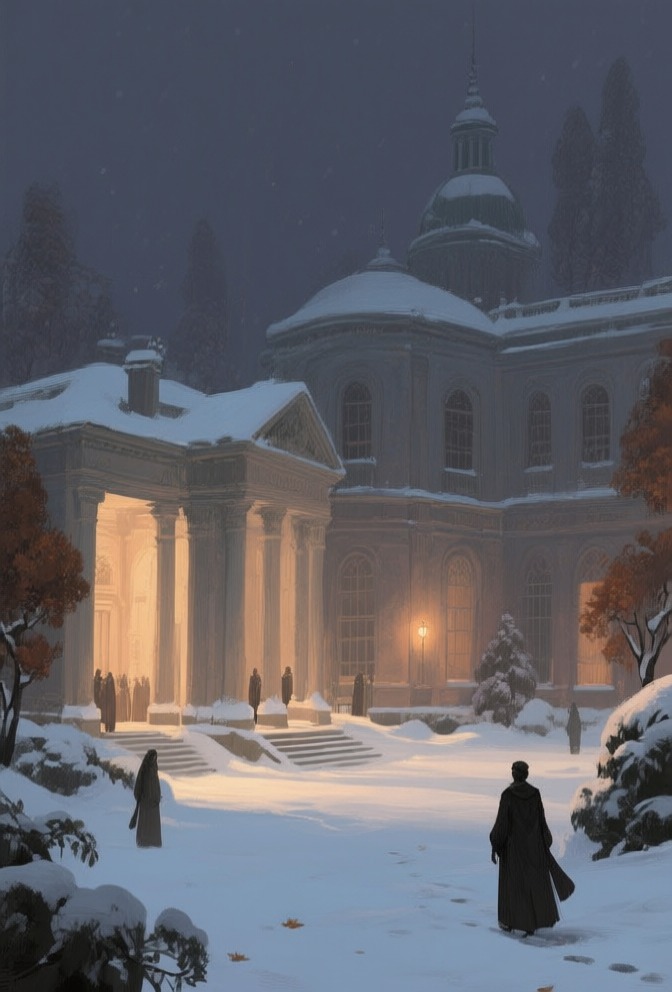
The Snowy Sept is a sacred site in White Harbor, where the bones of Ser Wendel Manderly rest with candles around them, and where the city's faithful worship the Seven.
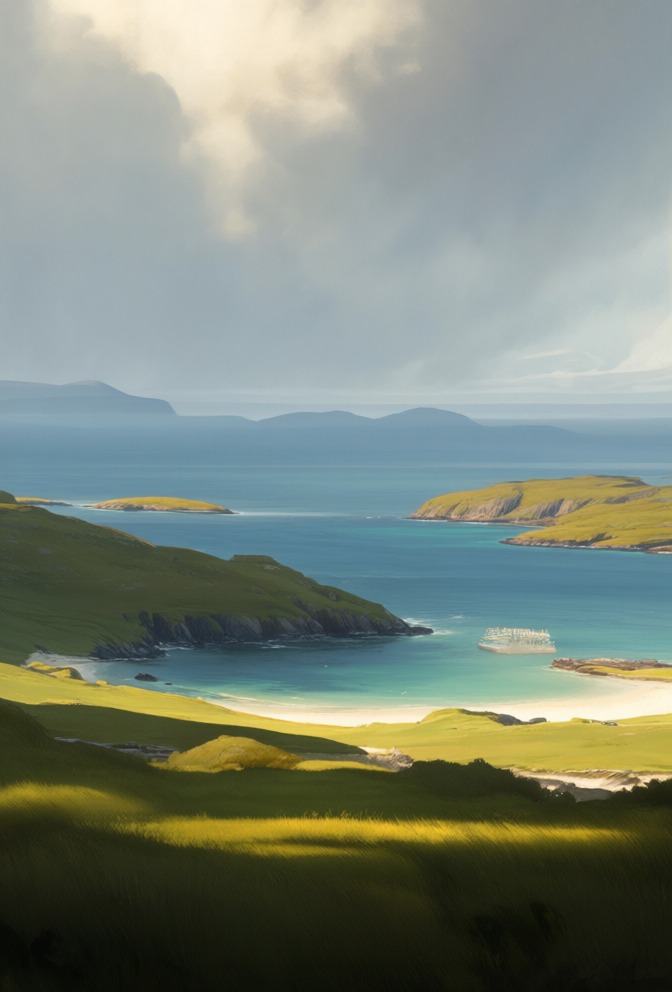
The Summer Isles are a distant archipelago south of Westeros, known for their dark-skinned inhabitants, colorful feathered cloaks, and archers wielding great bows of goldenheart. In A Dance with Dragons, the Summer Isles appear as a point of origin for exotic goods, skilled bowmen, and occasional travelers who bring news of the wider world to the ports of Slaver's Bay and the Free Cities.
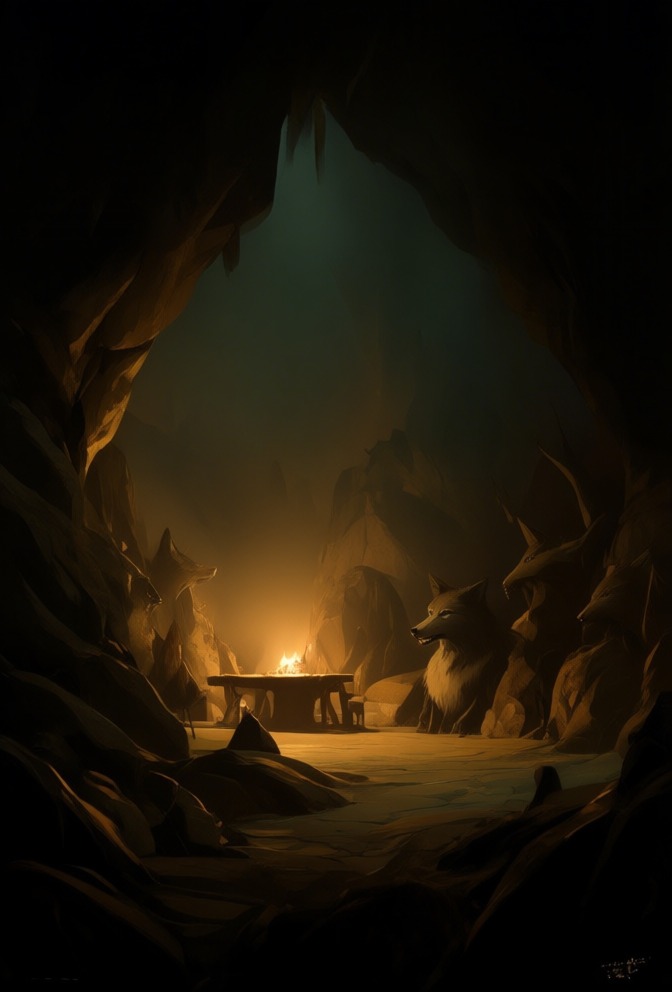
The Wolf's Den is an ancient fortress in White Harbor, used as a prison and later as the site of Davos Seaworth's confinement, where Wyman Manderly stages his feigned execution to deceive the Freys.
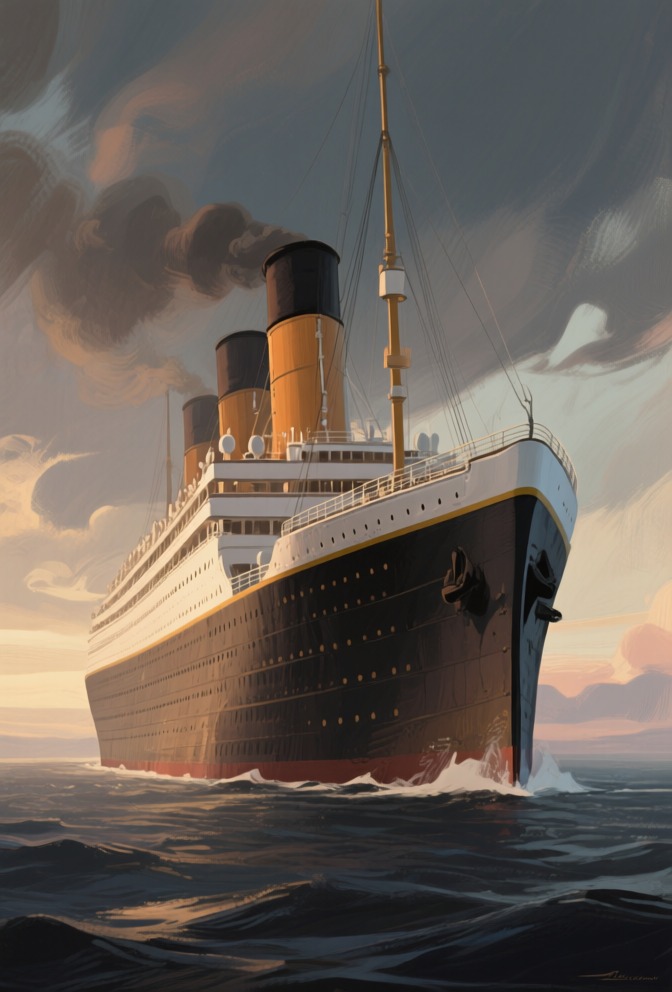
The Titanic video is a pirated copy of the 1997 film that became a cultural phenomenon in Taliban-era Kabul, serving as a symbol of forbidden pleasure, collective escapism, and the resilience of ordinary Afghans under oppressive rule.
Carol Granger is a bright, popular, and virginal senior at Placerville High School who, during Charlie Decker's hostage crisis, undergoes a startling transformation from a demure valedictorian candidate to an active participant in the group's psychological and physical assault on Ted Jones, revealing the hidden tensions and hypocrisies beneath her polished exterior.
Harmon Jackson is a minor but revealing character in the hostage crisis at Placerville High School, a small boy with a big cockeyed grin who initially appears bewildered and helpless but gradually emerges as a sharp, vicious participant in the group's psychological dismantling of Ted Jones. His trajectory from confusion to cruel confidence mirrors the classroom's descent into mob rule and exposes the latent aggression beneath the surface of ordinary student life.
Hekinah degul is the first Lilliputian phrase heard by Lemuel Gulliver, a cry of astonishment that marks his initial encounter with the miniature inhabitants of Lilliput and establishes the linguistic and cultural gap between them.
Ignat is a handsome, high-grade Night Watch field operative whose specialty is seduction and whose personal collection of butterflies rivals any in the world, yet his role in the story is defined by a single spectacular failure: when he tries to charm Svetlana Nazarova on Boris Ignatievich's orders, the black Inferno vortex above her head surges from a meter and a half to twenty-five meters, forcing the Watch to abort the mission and revealing that the curse reacts catastrophically to romantic interest.
Igor is a Night Watch field operative in Moscow, a thickset, stony-faced fighter with a background in special forces and technical college, who works alongside Garik as an inseparable duo. He is a front-line combatant, not a strategist, and his role in the story is defined by his physical prowess, his loyalty to the Watch's hierarchy, and his blunt, action-oriented approach to the supernatural conflicts that erupt across the city.
Semyon is a veteran Night Watch field operative of immense age and experience, whose unassuming, provincial appearance and coarse mannerisms mask a powerful magician, a master of combat, survival, and the collection of sensory memories. He serves as a mentor figure, a source of blunt wisdom, and a living repository of the Watch's history, embodying the endurance and moral complexity required of a Light One who has fought for centuries.
Zabulon is the head of the Moscow Day Watch, a Dark Magician of immense power and the primary antagonist of the Night Watch. He is a master strategist who orchestrates long-term, multi-layered plots to manipulate the balance of power, targeting the Night Watch's key members—especially Anton Gorodetsky and the potential Great Sorceress Svetlana Nazarova—through sacrifice, provocation, and psychological warfare. His ultimate defeat in the novel's climax reveals the limits of his foresight and the vulnerability of his schemes to human choice and love.
Blanche DuBois is the tragic protagonist of Tennessee Williams's A Streetcar Named Desire, a fading Southern belle whose arrival at her sister's New Orleans apartment sets in motion a violent collision between illusion and reality, culminating in her sexual assault and removal to a mental institution.
Belle Reve is the DuBois family plantation in Mississippi, the ancestral home whose loss Blanche DuBois announces upon her arrival in New Orleans and whose decline and forfeiture form the economic and emotional foundation of the play's central conflicts.
You-Know-Who is the euphemistic title used by the wizarding world to avoid speaking the name of Lord Voldemort, the most feared Dark wizard in history. The name is a central element of the book's exploration of fear, power, and identity, as it conceals the true identity of Tom Riddle, the Heir of Slytherin, and underscores the terror that Voldemort's name alone inspires.
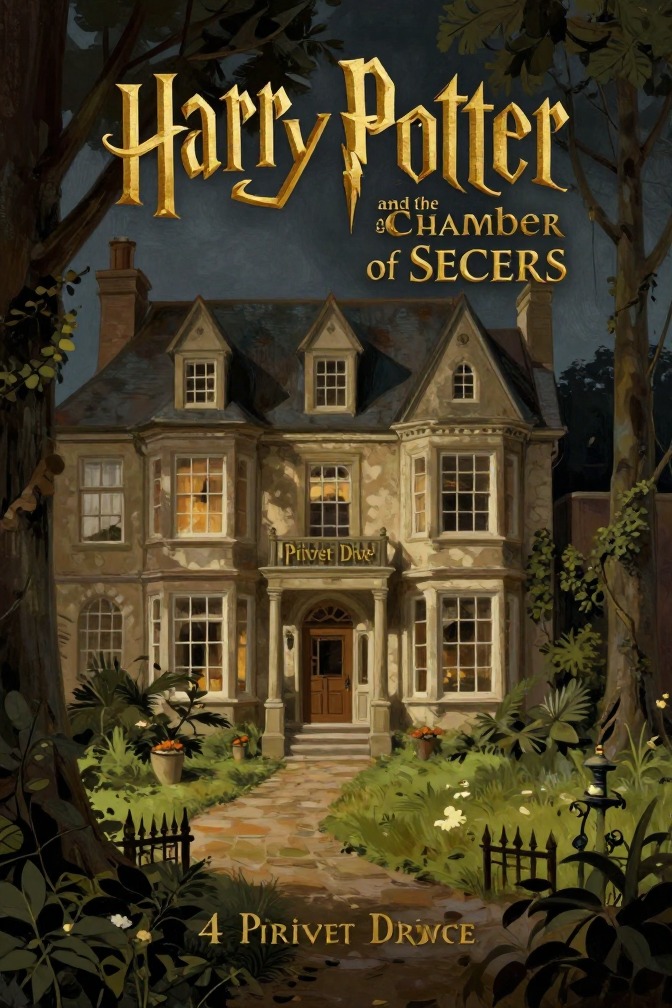
4 Privet Drive is the suburban home of the Dursley family, where Harry Potter is forced to live during the summer holidays. It is a place of strict order, hostility, and emotional deprivation, serving as the stark opposite of the magical world and the primary setting for Harry's miserable childhood.
The Quidditch pitch at Hogwarts is the central arena for the school's most popular sport, a place of intense rivalry, personal triumph, and, during Harry Potter's second year, a site of danger and disruption. It is where Harry's skill as a Seeker is showcased, where the Slytherin team's wealth and the rogue Bludger threaten fair play, and where the escalating attacks of the Heir of Slytherin ultimately force the cancellation of the season's matches, reflecting the broader crisis engulfing the school.
Christine Daae is the young Swedish soprano at the Paris Opera House whose mysterious voice lessons from the Angel of Music—actually the disfigured genius Erik—transform her into a diva and entangle her in a tragic love triangle with Raoul de Chagny and the Opera Ghost.
Fluidum letale is a pseudo-scientific concept invented by the Marquis de la Taillade-Espinasse, a theory that the earth itself constantly emits a corrupting gas that lames vital energies and causes decay, disease, and death. The marquis uses this theory to explain Grenouille's wretched appearance after seven years in a cave, and he claims to have cured him through a combination of ventilation therapy and a special diet, thereby proving his theory correct. The concept serves as a satirical vehicle for Süskind to mock Enlightenment-era scientific pretension and the gullibility of the learned public, while also providing Grenouille with a convenient cover story and a means to manipulate the marquis into granting him access to a perfumer's laboratory.
Captain Baker is the commander of the steamer Governor Higginson, who in July 1866 made one of the earliest recorded sightings of the mysterious sea creature that would become known as the "monster" and later as the Nautilus. His encounter, in which he initially mistook the object for an unknown reef before witnessing two waterspouts shoot from it, provided crucial early evidence that helped ignite the worldwide controversy and scientific debate that sets the novel's plot in motion.
Cho Chang is a fourth-year Ravenclaw student and the Seeker on the Ravenclaw Quidditch team, who first appears in Harry Potter and the Prisoner of Azkaban as a skilled and attractive rival on the pitch, and whose presence introduces Harry to the first stirrings of romantic interest.
Sir Cadogan is a minor but memorable character in Harry Potter and the Prisoner of Azkaban, a short, squat knight in a suit of armor who appears in the moving portraits of Hogwarts. He serves as the temporary guardian of the Gryffindor common room entrance after the Fat Lady is attacked by Sirius Black, and his chivalric bravado, constant challenges to duels, and frequently changed passwords make him a source of both comic relief and narrative complication.
The Two Minutes Hate is the daily televised ritual of collective rage in Oceania, directed at Emmanuel Goldstein and culminating in worship of Big Brother; it is the novel's key demonstration of the conditioning, doublethink and facecrime on which Party power rests, and the occasion for Winston Smith's first silent contact with O'Brien.
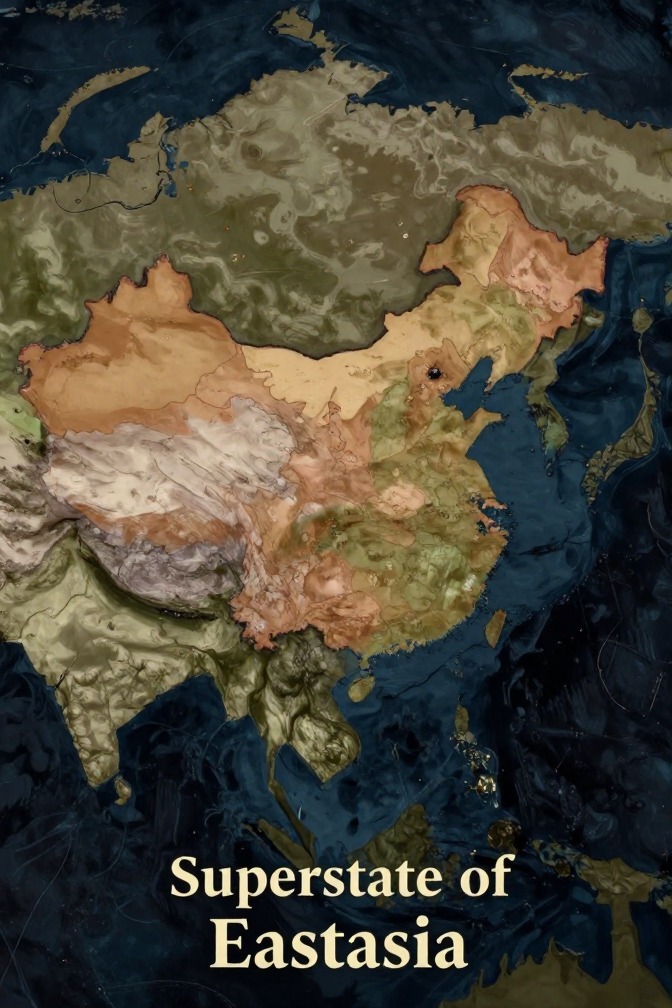
The Superstate of Eastasia is the third and least defined of the three totalitarian superstates in George Orwell's Nineteen Eighty-Four, an offstage power whose identity as ally or enemy is repeatedly rewritten by the Party. In Emmanuel Goldstein's forbidden book it comprises China, the countries south of it, the Japanese islands, and fluctuating parts of Manchuria, Mongolia and Tibet. Thomas Pynchon's introduction traces its origins to Orwell's projection of the Teheran division of the world, and the novel uses Eastasia to show how the Ministry of Truth manufactures a replaceable enemy.
Aretias is a minor figure in the Odyssey, mentioned only as the father of Nisus and the grandfather of Amphinomus, one of the more moderate suitors of Penelope. His name appears solely in a genealogical context that establishes Amphinomus's lineage, and he plays no direct role in the poem's events.
Charybdis is a monstrous whirlpool goddess who, along with Scylla, threatens Odysseus's passage through the Strait of Messina, embodying the inescapable, impersonal forces of nature that destroy without malice.
Clytoneus is a son of King Alcinous of the Phaeacians who distinguishes himself in the athletic games held in honor of Odysseus, winning the foot race by a wide margin and thereby demonstrating the Phaeacian prowess that Alcinous proudly proclaims to his guest.
Echetus is a minor but terrifying figure in Homer's Odyssey, a mainland king whose name is invoked by the suitors as a threat of mutilation and death, and whose function is to mark the extreme cruelty that the poem's moral order ultimately rejects.
Eurydamas is a minor suitor from Ithaca who appears in the Odyssey primarily as a donor of gifts to Penelope and as one of the men killed by Odysseus during the massacre in the great hall. His brief appearances illustrate the suitors' collective wealth, their competitive courtship through material offerings, and the indiscriminate nature of the final slaughter.
Eurymedon is a minor but structurally significant figure in the Odyssey, appearing only in genealogical and mythological references that link the Phaeacian royal house to the divine and monstrous realms. He is the father of Periboea, who bears Nausithous to Poseidon, making him the great-grandfather of King Alcinous and Queen Arete. His story—a giant king who destroyed his own people—serves as a cautionary tale about hubris and dynastic ruin, and his name recurs in the poem's allusions to the Cyclopes and the giants, reinforcing the thematic opposition between civilized order and savage violence.
Evenor is a minor figure in the Odyssey, known only as the father of Leiocritus, one of the suitors of Penelope. His sole appearance in the poem occurs during the Ithacan assembly, where his son speaks dismissively of Telemachus's plans and of the possibility of Odysseus's return, embodying the arrogance of the suitors.