Polyctor is a minor but recurring figure in the Odyssey, mentioned as a father of two suitors and as a co-founder of Ithaca's fountain, whose name appears in contexts of gift-giving, craftsmanship, and the island's civic geography.
Scylla is a six-headed, twelve-footed marine monster who dwells in a high cave on a sheer rock face in the Strait of Messina, and who snatches and devours six of Odysseus's crew in a single, horrifying moment as his ship passes her lair.
Tantalus is a figure glimpsed by Odysseus during his visit to the Underworld, whose eternal punishment—standing in a receding pool of water beneath fruit trees whose branches the wind forever tosses out of reach—embodies the Homeric conception of insatiable desire and divine retribution for transgressions against the gods.
Tityus is a giant son of Gaia whose eternal punishment in Tartarus—two vultures devouring his liver for attempting to rape Leto—serves as one of the Odyssey's most vivid warnings against violating the gods' inviolable boundaries.
The Sirens' song is a deadly enchantment in Homer's Odyssey that lures sailors to their doom on a green island littered with rotting bones; Odysseus, forewarned by Circe, stops his crew's ears with wax and has himself bound to the mast so he can hear the song without perishing, making the episode a defining test of heroic curiosity and self-restraint.
Alybas is a fictional city mentioned only once in the Odyssey, during Odysseus's lying tale to his father Laertes, where he claims to be Eperitus, son of Apheidas, king of Alybas. The name appears to be a deliberate invention, serving as a geographical placeholder within a fabricated identity that Odysseus constructs to test his father's recognition and loyalty.
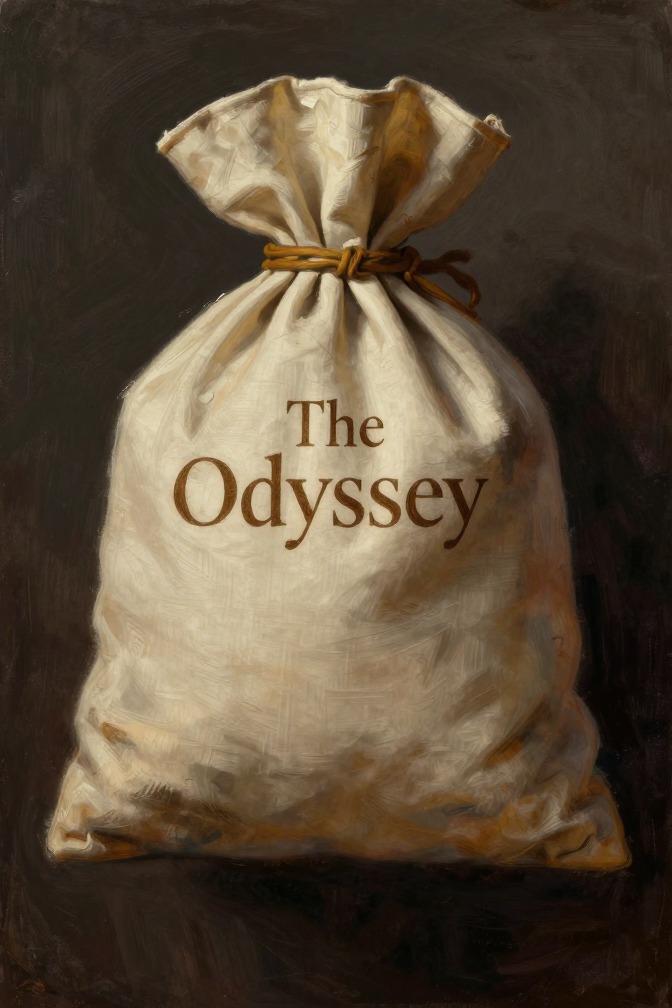
Aeolus' bag is a magical object given to Odysseus by the wind god Aeolus, containing all the winds of the world except the favorable West wind. Its premature opening by Odysseus' crew, who believed it held treasure, unleashes a storm that blows the fleet back to the Aeolian island and destroys their chance of reaching Ithaca, making it a pivotal symbol of human folly and the fragility of homecoming.
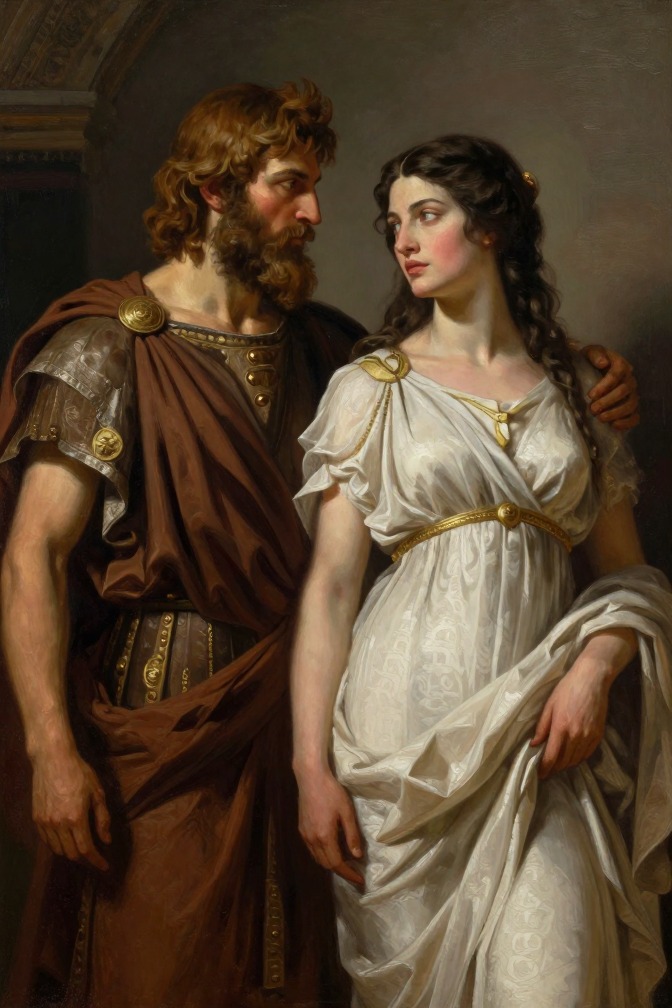
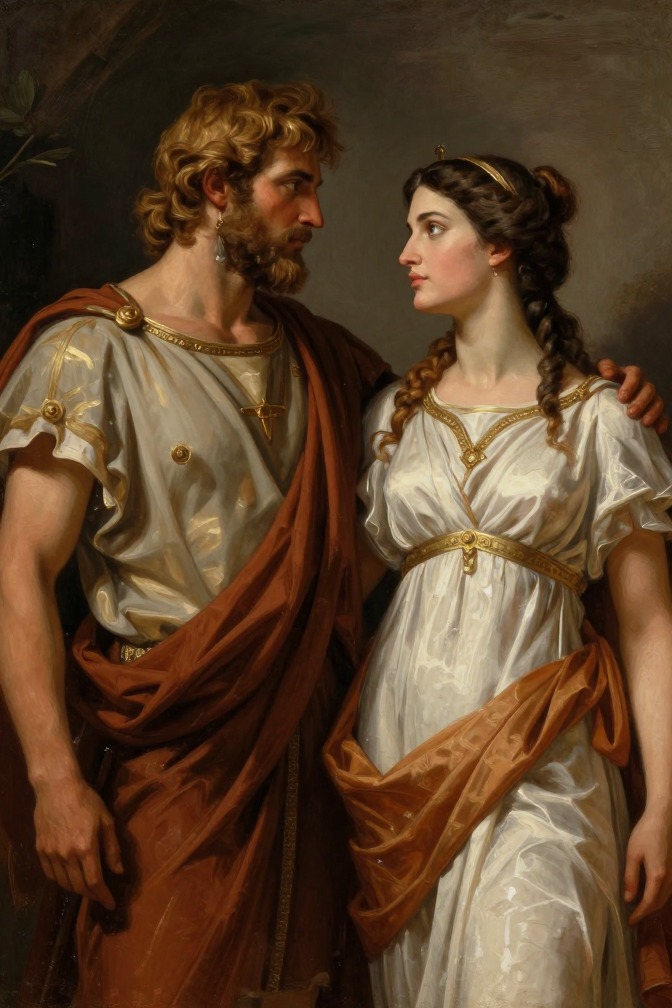
The relationship between Agamemnon and Clytemnestra in the Odyssey is the poem's central negative paradigm of marriage, a cautionary tale of betrayal, murder, and the catastrophic consequences of a wife's infidelity that stands in stark contrast to the fidelity of Penelope and the domestic order Odysseus fights to restore.
The marriage of Menelaus and Helen is a central axis of the Odyssey, a relationship defined by its catastrophic past, its uneasy present, and its function as a foil to the ideal union of Odysseus and Penelope. Helen's abduction (or elopement) to Troy caused the war that frames the entire epic, yet in the poem's present, the couple rules together in Lacedaemon, their household a site of both immense wealth and unresolved grief. Their story serves as a constant warning about the fragility of marriage and the destructive power of female infidelity, against which Penelope's steadfastness is measured.
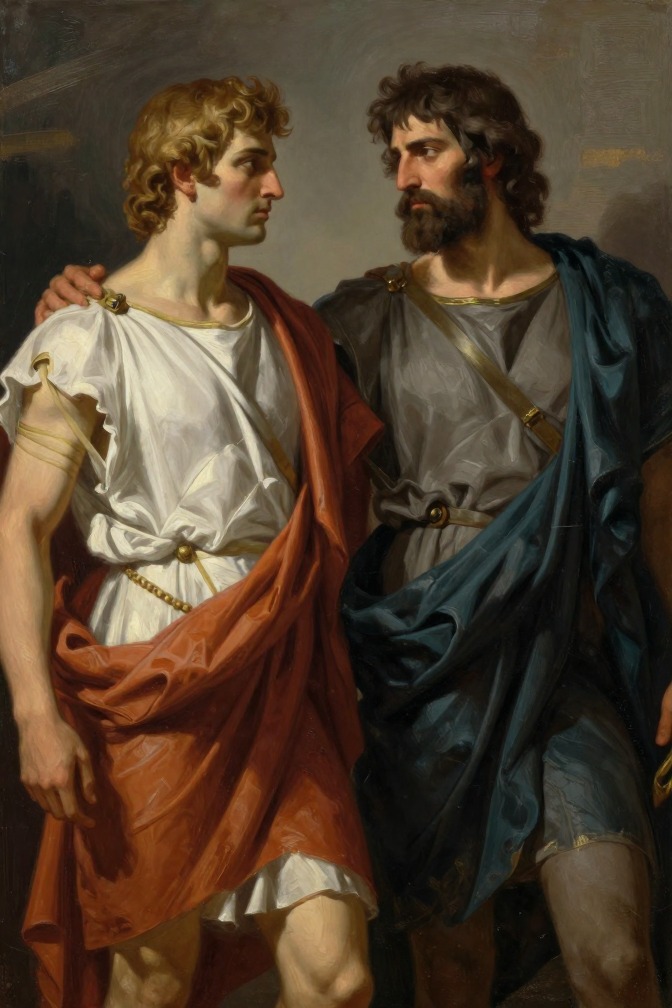
Odysseus and Laertes (father and son) is a central relationship in the Odyssey that embodies the themes of inheritance, recognition, and the restoration of order. Their reunion in Book 24, after twenty years of separation, serves as the emotional and symbolic culmination of Odysseus's return, affirming the continuity of the family line and the re-establishment of legitimate rule in Ithaca.
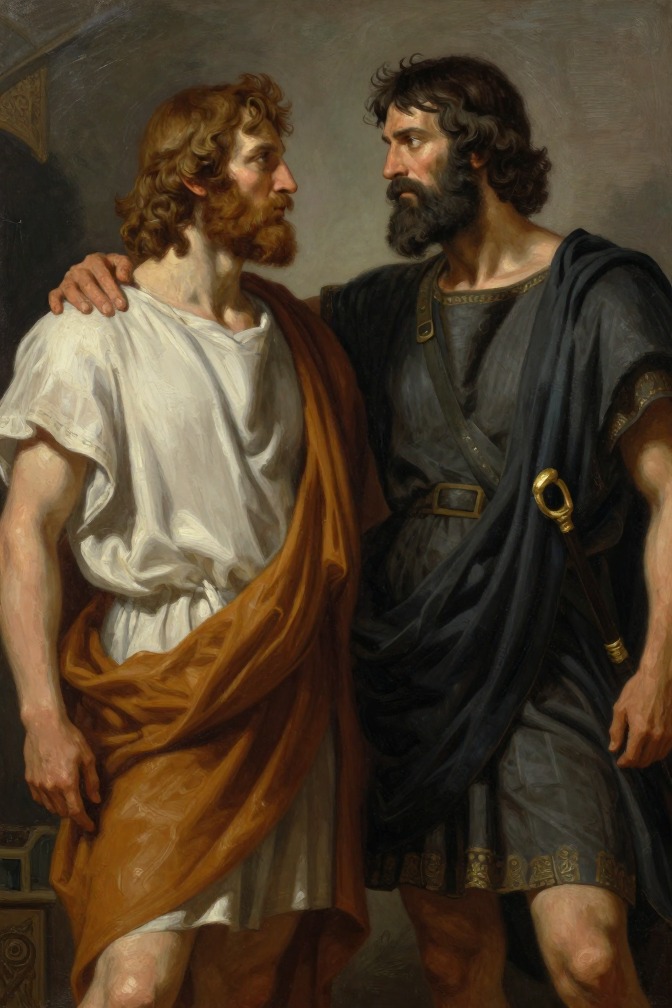
Orestes' killing of Aegisthus is the paradigmatic act of filial vengeance in the Odyssey, a model repeatedly invoked to frame Telemachus' coming-of-age and Odysseus' return. The story of how Orestes avenged his father Agamemnon by slaying the usurper Aegisthus functions as the poem's central moral and narrative template for justified retribution, the restoration of legitimate rule, and the acquisition of lasting fame (kleos).
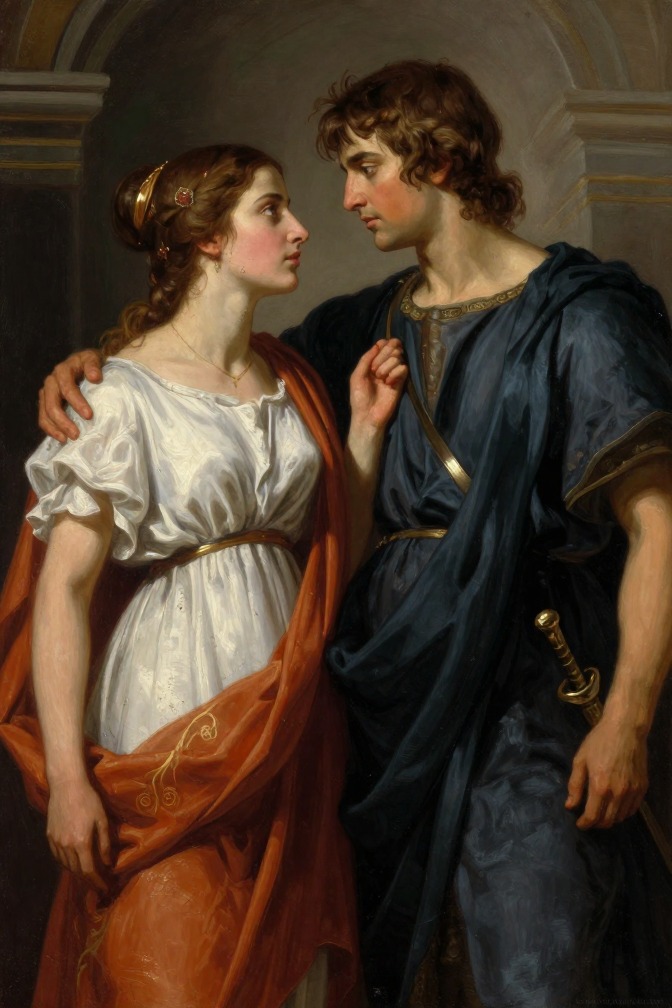
Penelope and Telemachus are mother and son, bound by mutual grief for Odysseus's absence and by a shared struggle against the suitors who consume their estate. Their relationship evolves from a protective, unequal bond—Penelope grieving in seclusion while Telemachus grows into manhood—into a partnership of trust and strategic alignment, culminating in the recognition of Odysseus and the destruction of the suitors.
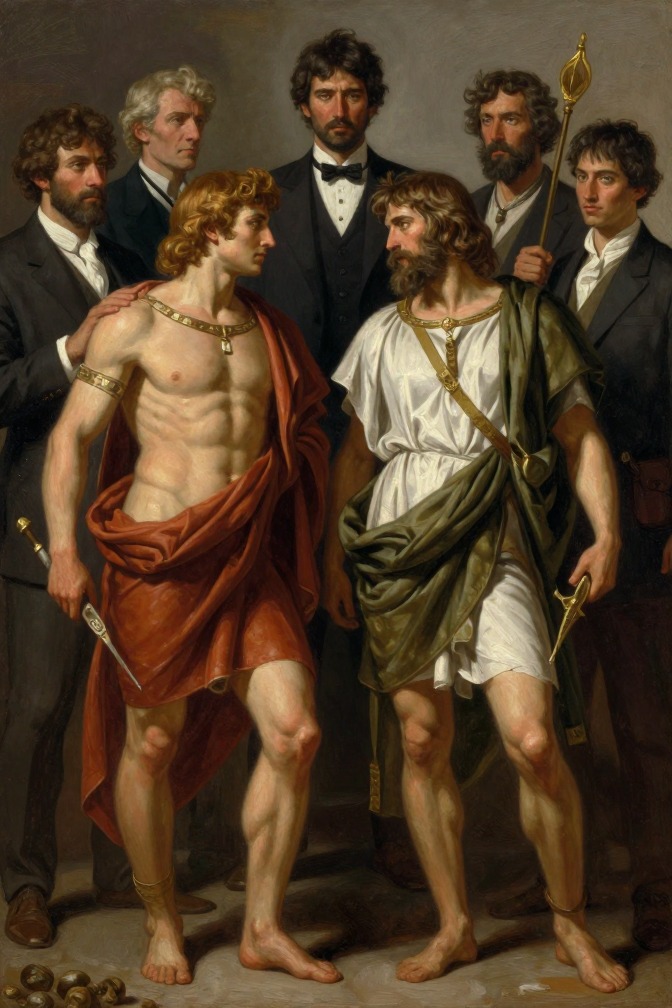
Telemachus and the suitors are locked in a bitter enemy relationship that drives the central conflict of the Odyssey's first half. The suitors, led by Antinous and Eurymachus, not only consume Telemachus's inheritance and harass his mother Penelope but also plot to murder him on his return from Pylos. Telemachus, in turn, matures from a passive youth into a determined young man who publicly denounces the suitors, asserts his authority in his own house, and ultimately stands armed beside his father during the massacre. Their enmity is a generational struggle for the survival of Odysseus's house and a proving ground for Telemachus's coming of age.
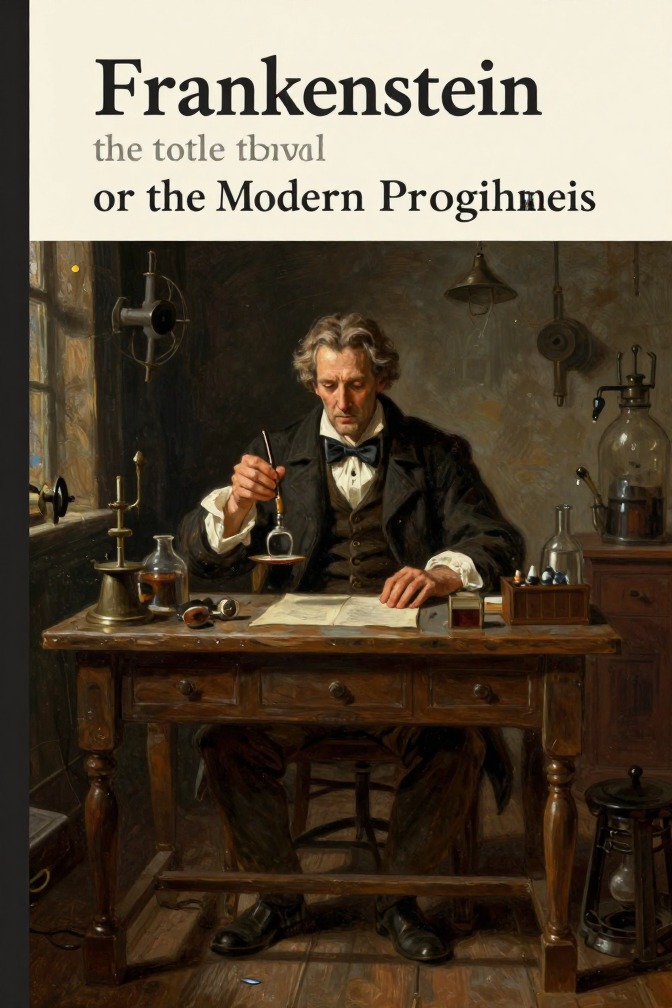
Victor Frankenstein's laboratory is the central physical site of his transgressive scientific ambition, where he creates the monster and later begins work on a female companion, only to destroy it in horror. The laboratory evolves from a solitary chamber of inspired creation to a place of filth, guilt, and dread, reflecting Victor's psychological and moral collapse.
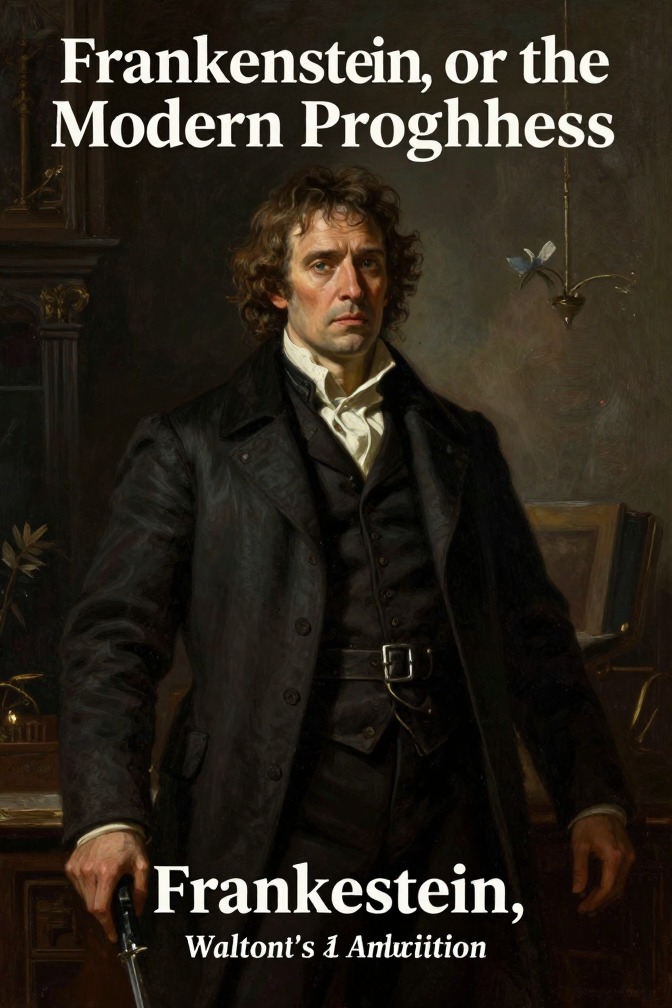
Walton's ambition is the driving force behind the frame narrative of Frankenstein, a relentless pursuit of glory and discovery that leads him to the Arctic, where he encounters Victor Frankenstein and learns the catastrophic consequences of unchecked aspiration.
Coss is a minor spice worker on Arrakis, one of the men rescued by Duke Leto Atreides from the sandworm attack on the harvester factory Delta Ajax Niners. His brief appearance in the novel serves to illustrate the harsh conditions of spice mining, the desperation of the workers under Harkonnen rule, and the immediate impact of Duke Leto's leadership on the common people.
Iakin Nefud is a Harkonnen guard captain who rises to prominence after the fall of House Atreides on Arrakis, only to be manipulated by Baron Vladimir Harkonnen and ultimately replaced by Feyd-Rautha Harkonnen's schemes.
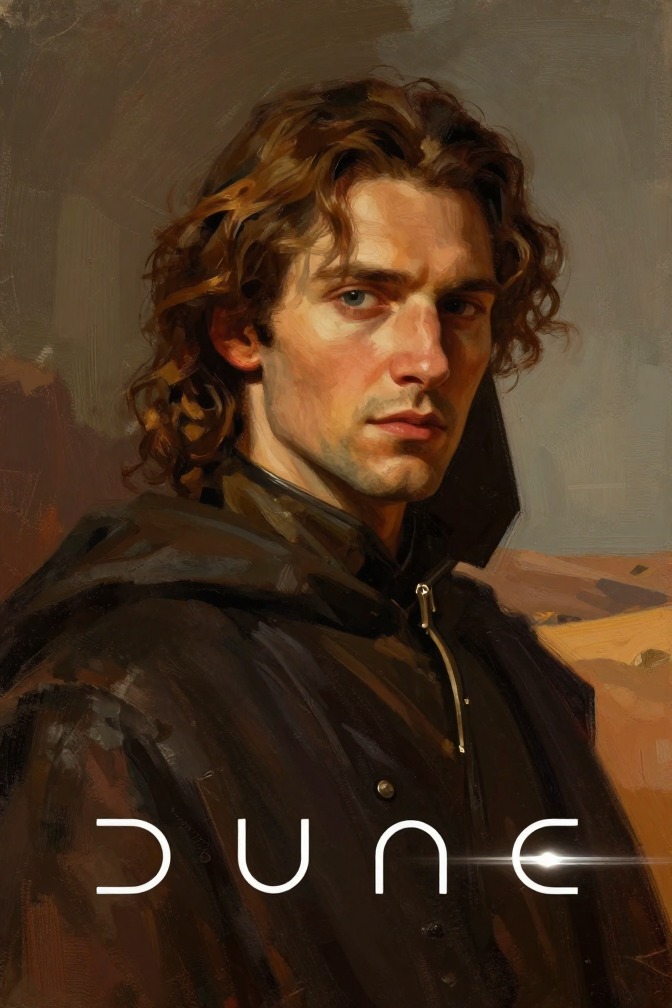
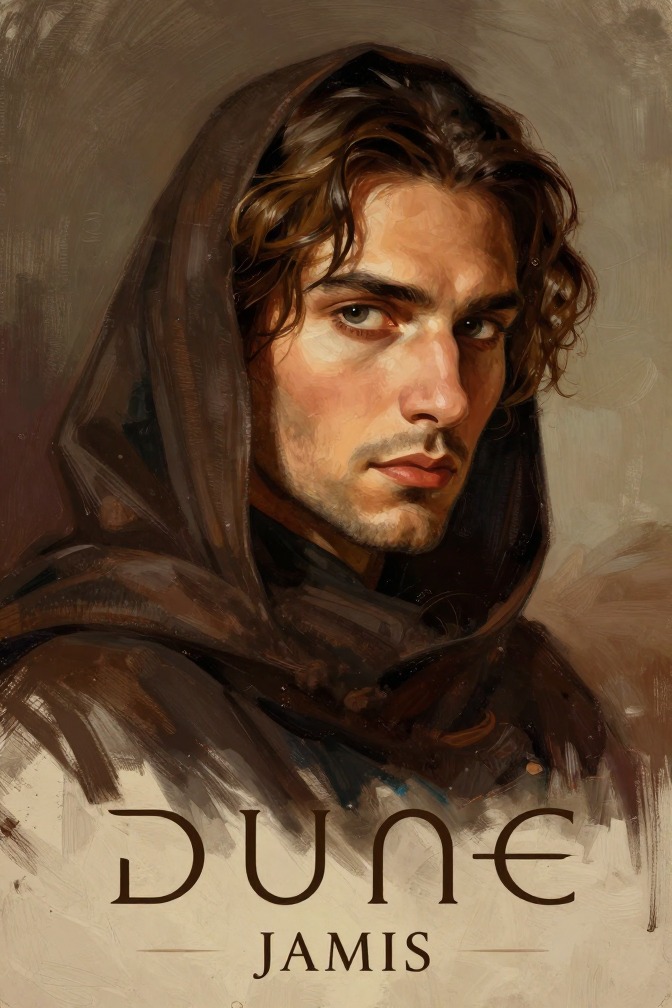
Jamis is a Fremen warrior of Sietch Tabr whose challenge to Paul Atreides under the amtal rule forces the young duke into his first mortal combat, a duel that ends with Jamis's death and Paul's acceptance into the tribe as Paul-Muad'Dib. His death and the subsequent funeral ceremony, in which Paul claims Jamis's water and possessions, mark a pivotal transition in Paul's journey from fugitive to Fremen leader.
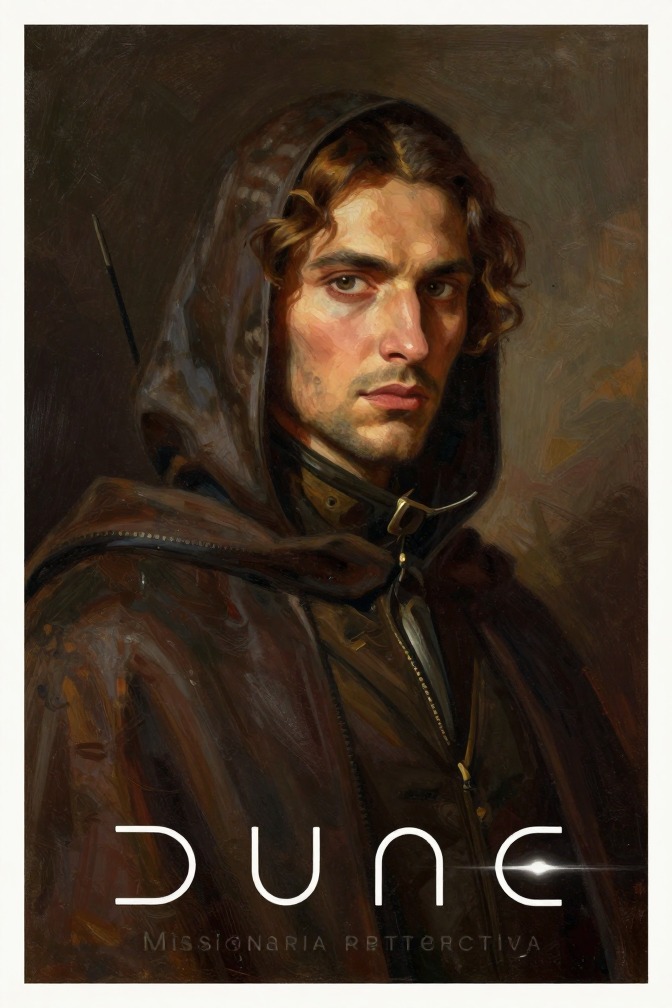
The Missionaria Protectiva is the Bene Gesserit's long-range arm of religious subversion, a systematic program that seeds primitive worlds with carefully crafted superstitions, prophecies, and messianic legends to serve as protective mechanisms for future Bene Gesserit agents. Its most consequential operation unfolds on Arrakis, where centuries-old implanted prophecies about a 'Voice from the Outer World' and a 'Bene Gesserit witch' become the cultural foundation that enables Lady Jessica and Paul Atreides to find sanctuary among the Fremen, transforming a survival strategy into the engine of Paul's messianic rise and the galaxy-shaking jihad.
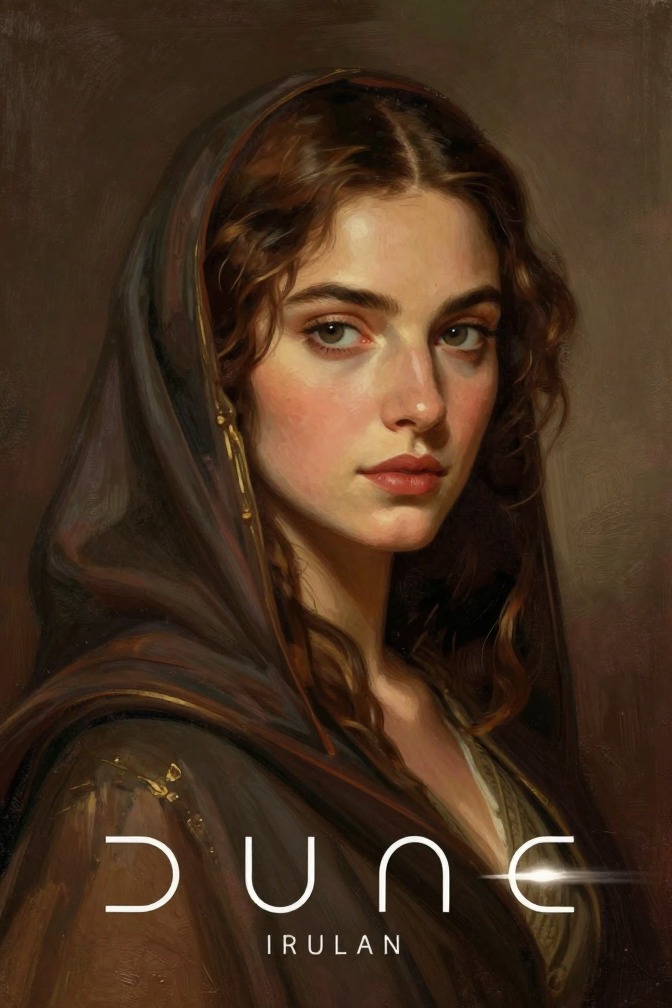
Princess Irulan, eldest daughter of Padishah Emperor Shaddam IV, is a pivotal figure in Frank Herbert's Dune, serving as the chronicler of Paul Muad'Dib's rise and the political instrument through which Paul secures the Imperial throne. Her narrative framing, personal reflections, and eventual marriage to Paul underscore the novel's themes of power, history, and the intersection of personal destiny with political necessity.
Stilgar is the Fremen Naib of Sietch Tabr, a desert warrior and leader who becomes one of Paul Atreides' most trusted allies and a key figure in the Fremen's rise to power. He first appears as a formidable tribal chief who tests Paul and his mother, Lady Jessica, and later becomes a pivotal military commander and political supporter of Paul-Muad'Dib, ultimately swearing fealty to him and serving as a governor on Arrakis.
Turok is a Fremen warrior who dies in the service of Duke Leto Atreides, his death becoming a pivotal moment that cements the alliance between the Fremen and the Atreides. His body's water is given to the Duke as a sacred bond, and his crysknife is presented as a token of honor, marking a significant step in the Duke's efforts to secure Fremen support against the Harkonnens.
The Jihad, also known as Muad'Dib's Jihad, is the universe-spanning holy war that Paul Atreides foresees and ultimately unleashes upon the Imperium. It is the central, tragic consequence of his rise to power among the Fremen, transforming his personal quest for survival into a galaxy-wide conflagration that he cannot prevent despite his prescient visions.
Winston Swamp is a geographical feature near Maycomb, Alabama, whose existence and location were manipulated by the early tavern keeper Sinkfield to preserve his business, thereby determining the town's inland position and its subsequent isolation and slow growth.
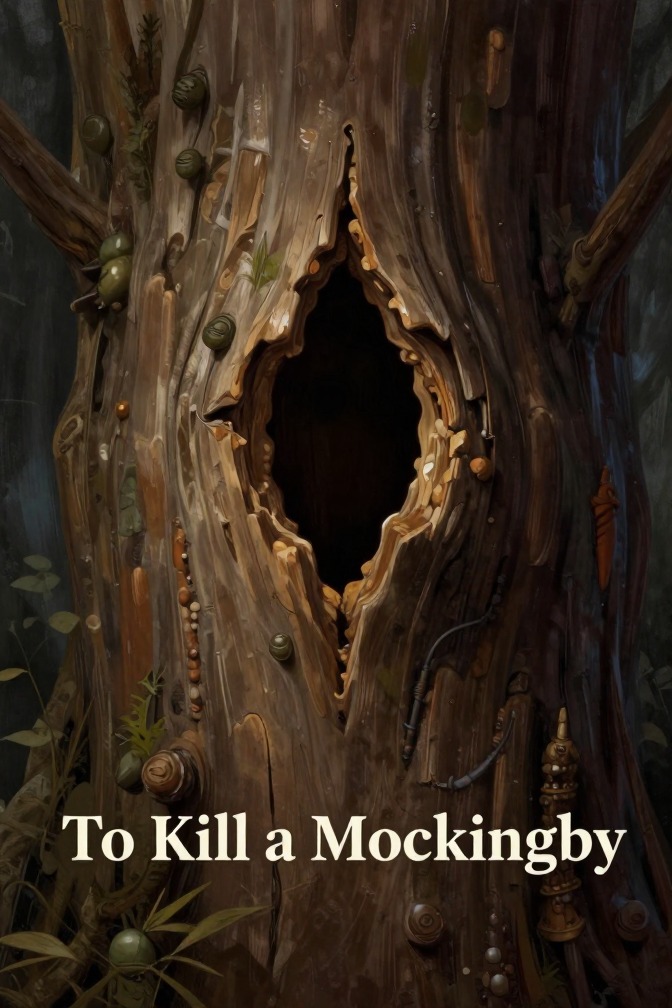
The knot-hole in the oak tree on the Radley Place serves as a secret conduit for Boo Radley's gifts to Jem and Scout Finch, transforming a childhood curiosity into a profound, silent communication that defines the children's relationship with their reclusive neighbor and underscores the novel's themes of unseen kindness and unjust exclusion.
Mr. Nathan Radley and Arthur Radley (Boo) are brothers living together in the Radley Place, a relationship defined by Nathan's role as Boo's gatekeeper to the outside world. Nathan's actions—cementing the knot-hole, maintaining the house's seclusion, and his presence at the fire—reveal a dynamic of control and protection that shapes the children's understanding of Boo and the town's perception of the Radley family.
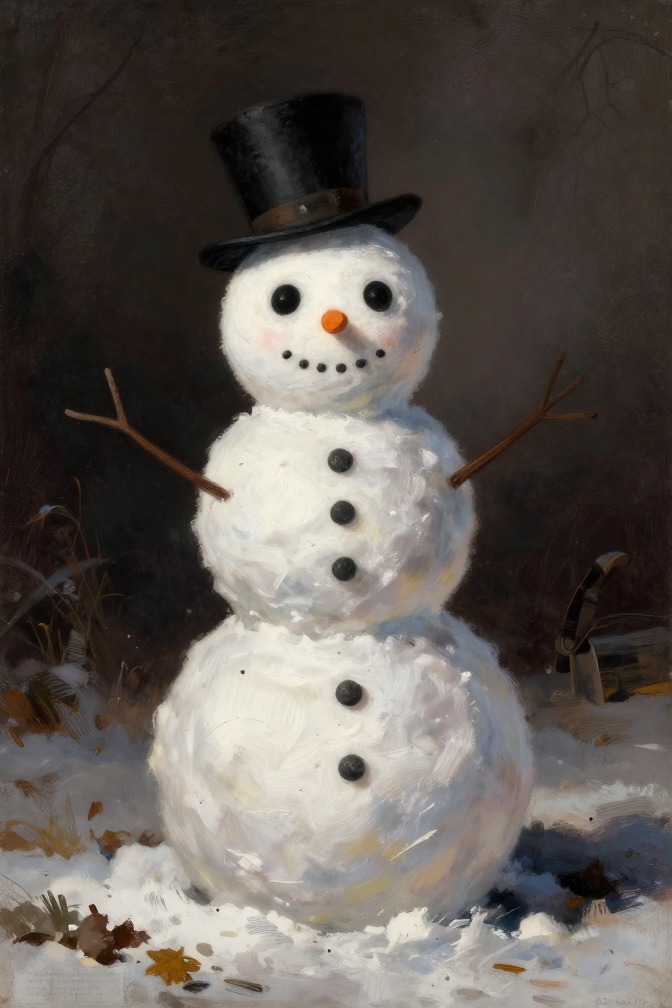
The Absolute Morphodite Snowman is a snow sculpture built by Jem and Scout Finch during a rare snowfall in Maycomb, Alabama. It begins as a mud-and-snow caricature of their neighbor Mr. Avery, then is transformed by Atticus Finch into a figure resembling Miss Maudie Atkinson, and finally is destroyed in the fire that consumes Miss Maudie's house. The snowman serves as a symbol of childhood creativity, social transgression, and the community's response to the unusual and the grotesque.
Mrs. Dubose's withdrawal fits are the physical and psychological manifestations of her deliberate, agonizing effort to break free from a morphine addiction before her death, a process that becomes the novel's central illustration of true courage.
Dick Hallorann is the Overlook Hotel's head cook, a tall black man in his late fifties with a gentle Southern accent and a modest afro graying at the temples. He possesses a powerful psychic ability he calls "shining," which allows him to read thoughts, sense emotions, and perceive past and future events. Hallorann becomes a crucial ally to Danny Torrance, recognizing the boy's extraordinary talent and warning him about the hotel's dangers. His journey from Florida to the snowbound Overlook forms the novel's final rescue attempt, culminating in a violent confrontation with the possessed Jack Torrance and the hotel's supernatural forces.
Elaine is a minor but symbolically significant character in Stephen King's *The Shining*, the unseen upstairs neighbor whose violent relationship with her partner Tom provides a grim counterpoint to the Torrance family's own domestic struggles. Though she never appears on stage, her nightly ordeal of being reduced to tears and pleading—"Don't, Tom. Please don't"—becomes a haunting refrain that echoes the novel's central themes of domestic violence, helplessness, and the cyclical nature of abuse. Her presence in the narrative serves as a barometer for the Torrances' precarious stability and a foreshadowing of the violence that will eventually consume the family at the Overlook Hotel.